Why Distance and Handoffs Increase Risk
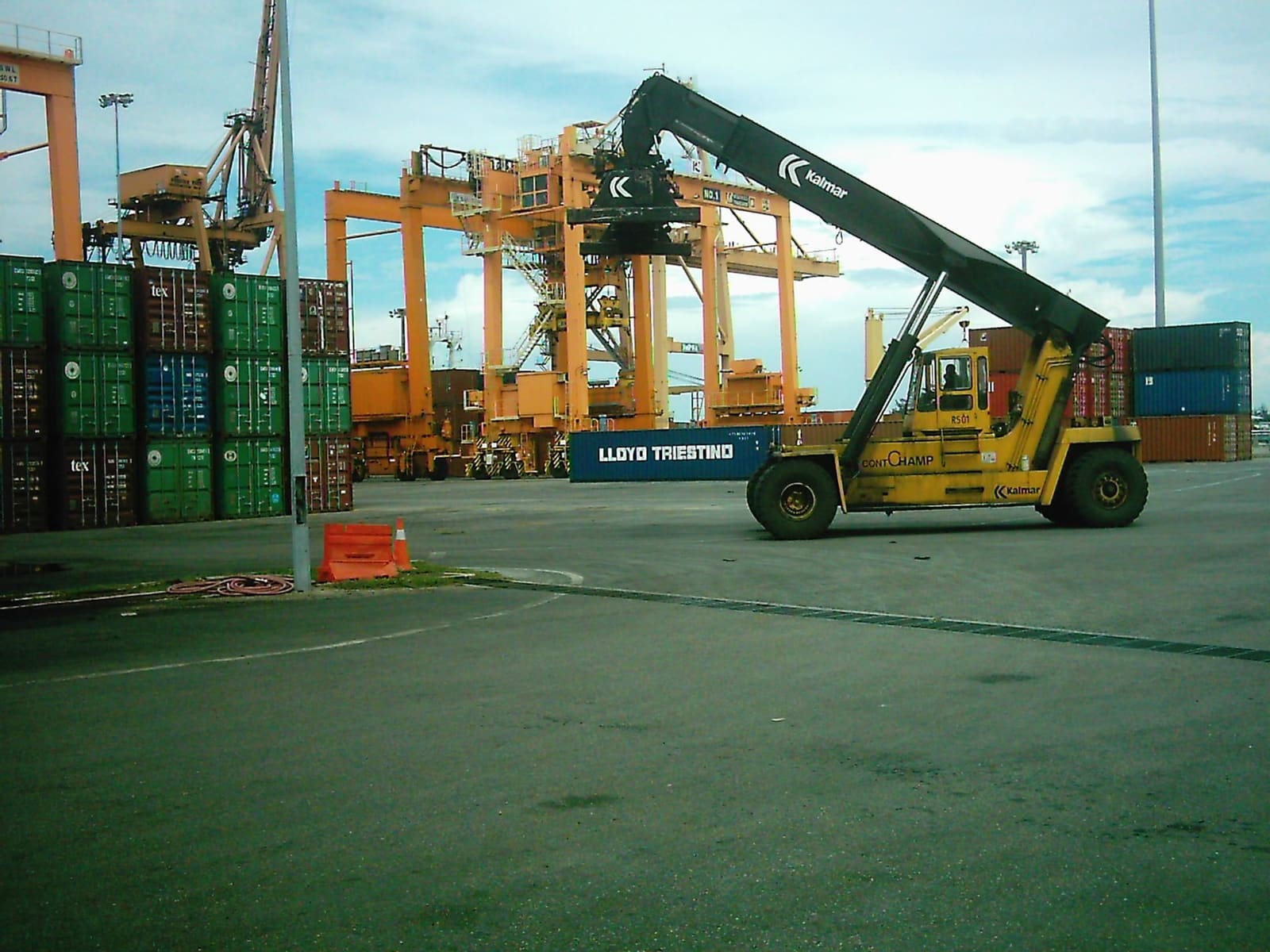
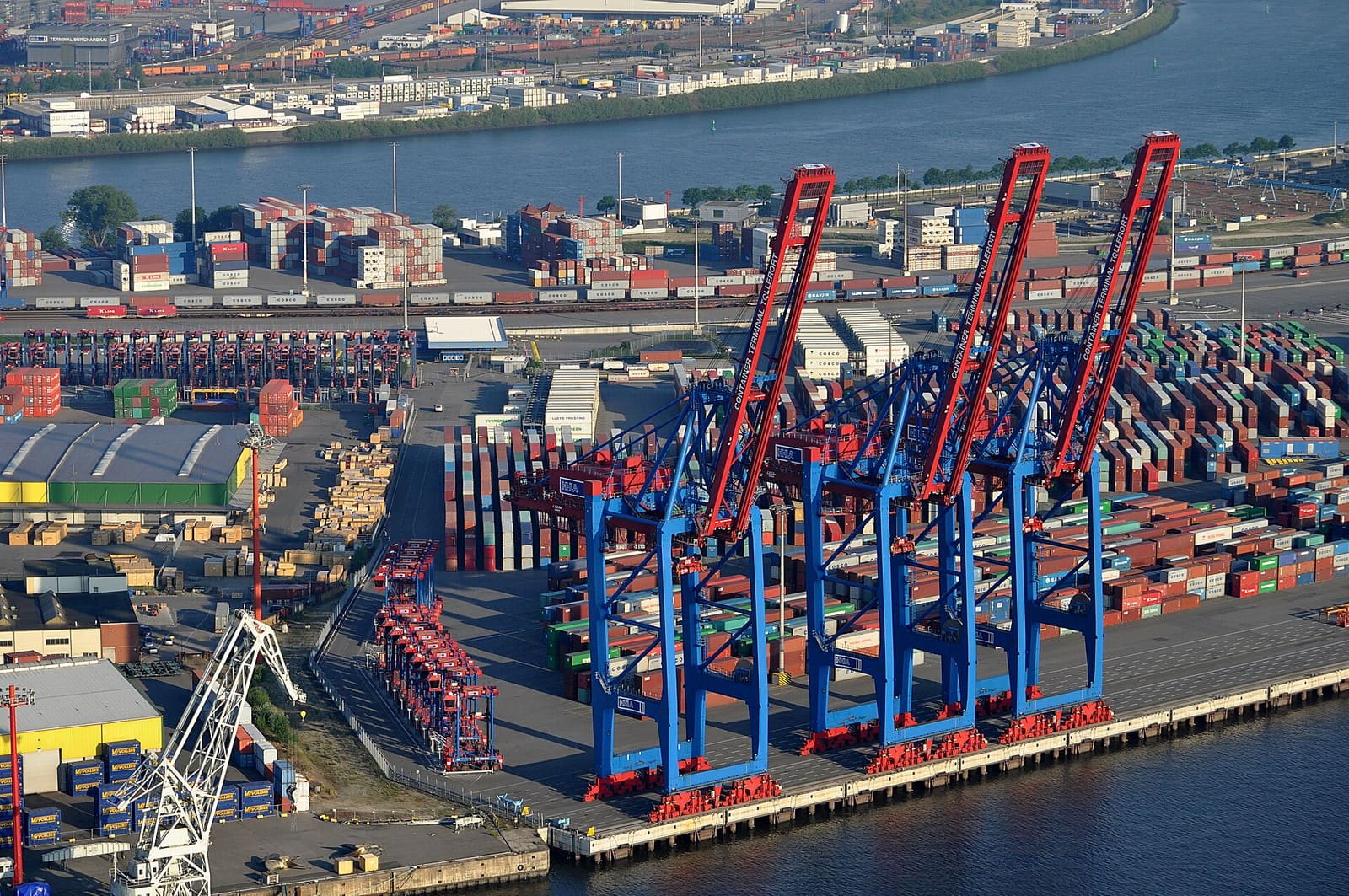
A shipment moving from a factory in China to a buyer overseas typically passes through several handoffs — inland trucking, port handling, ocean or air transit, customs, and final-mile delivery. Each handoff is a point where cargo can be damaged, lost, or delayed, and a carrier's own liability for these events is often limited by international convention to a fraction of the goods' actual value. Cargo insurance exists to close that gap. International safety and liability frameworks — coordinated at the global level through bodies such as the International Maritime Organization — reduce but don't eliminate this risk, which is exactly why cargo insurance exists as a separate layer of protection.
This is especially relevant for shipments that combine multiple modes — road, sea and sometimes air — within a single journey, since each additional transfer point is another opportunity for mishandling that a single-mode shipment would not face.
What Cargo Insurance Typically Covers
Cargo insurance policies generally cover physical loss or damage to goods during transit — from handling damage and container accidents to loss at sea or in a warehouse fire — up to the insured value of the shipment, rather than the carrier's limited liability figure. Coverage can typically be arranged for a single shipment or as an ongoing policy across a shipper's regular freight volume.
Depending on the policy, coverage can also extend to general average contributions — a shipper's proportional share of costs or sacrificed cargo when action is taken to save a vessel and the rest of its cargo during a shared emergency.
What It Usually Doesn't Cover
Standard cargo insurance typically excludes loss caused by inherent product defects, improper packing by the shipper, ordinary wear, or delay itself, as opposed to physical loss or damage, unless a specific delay clause is added. Understanding these exclusions before a claim is needed, not after, avoids gaps that surface only when something has already gone wrong.
Common Coverage Types
| Coverage Type | What It Covers |
|---|---|
| All-Risk | Broadest cover, most causes of physical loss or damage |
| Named-Perils | Cover limited to specific listed risks, such as fire, sinking or collision |
| Total-Loss Only | Cover only where the entire shipment is lost, not partial damage |
| War & Strikes | Additional cover for war, piracy and industrial action risk |
How Cargo Insurance Fits Into Value-Added Services
Because cargo insurance is closely tied to the specifics of a shipment — its value, route, mode and packaging — it is easiest to arrange as part of the same conversation as booking the freight itself, rather than as a separate purchase after the fact. RR Brothers and Logistics offers cargo insurance as one of its financial and value-added services, alongside secure payment handling, sorting and labeling, and loading and unloading support, so coverage can be sized to the actual shipment rather than a generic policy.
When to Arrange Coverage
Insurance should be arranged before cargo departs, with the insured value reflecting the full commercial value of the goods rather than just the freight cost. For higher-value shipments, dangerous goods, or cargo moving through multiple transshipment points, arranging coverage as a standard step in the shipping process, rather than an optional add-on, is generally the more defensible approach for protecting working capital tied up in transit.
Waiting until cargo is already in transit to arrange cover is generally not possible, and retroactive cover, where available at all, tends to be priced and structured very differently from cover arranged before departure.
Frequently Asked Questions
A carrier's liability is often limited by international convention to a fraction of the goods' actual value — exactly the gap cargo insurance is designed to close by covering the shipment's full insured value instead.
Standard policies generally exclude inherent product defects, improper packing by the shipper, ordinary wear, and delay itself (as opposed to physical loss or damage), unless a specific delay clause has been added.
Generally no. Coverage needs to be arranged before cargo departs, and retroactive cover, where available at all, is typically priced and structured very differently from cover arranged in advance.
All-risk coverage is the broadest option, covering most causes of physical loss or damage, while named-perils coverage is limited to specific listed risks such as fire, sinking or collision.