Why Export Compliance Is Part of Every Shipment
Every shipment leaving China is subject to export control and compliance requirements, whether or not the cargo itself seems sensitive at first glance. Correct classification, accurate documentation and, where applicable, appropriate licensing are what allow a shipment to leave China and clear customs at its destination without disruption.
What Export Compliance Generally Covers
Product Classification
Products are classified for export purposes in a way that determines what documentation, and in some cases what licensing, applies to a given shipment. This classification typically follows the Harmonized System maintained by the World Customs Organization, which underpins customs treatment across virtually every destination market. Getting this classification right at the outset avoids complications later in the process, when correcting it is far more disruptive.
Licensing for Controlled or Dual-Use Goods
Certain categories of goods — including some technology, industrial equipment and dual-use items with both civilian and other applications — may require specific export licensing, administered on the China side by the General Administration of Customs of China, before they can be shipped. Identifying whether a product falls into one of these categories early is far easier than resolving it after cargo is already booked and moving.
Documentation Accuracy
Commercial invoices, packing lists and export declarations all need to describe the cargo consistently and accurately. Inconsistent or vague documentation is one of the most common reasons a shipment gets flagged for additional review at any point along its route.
Why This Matters Even for Routine Cargo
It is easy to assume compliance requirements only apply to obviously sensitive goods, but classification questions can arise for ordinary industrial and commercial products too. Treating export compliance as a standard step in every shipment, rather than a special process reserved for unusual cargo, is what keeps routine freight moving on schedule.
How an Experienced Forwarder Reduces Risk
A freight forwarder that handles export documentation and classification as a routine part of its process is far less likely to let a compliance gap slip through. That means checking classification and licensing status before a shipment is booked, not after a customs authority raises a question about it further down the line.
Our Approach to Compliance
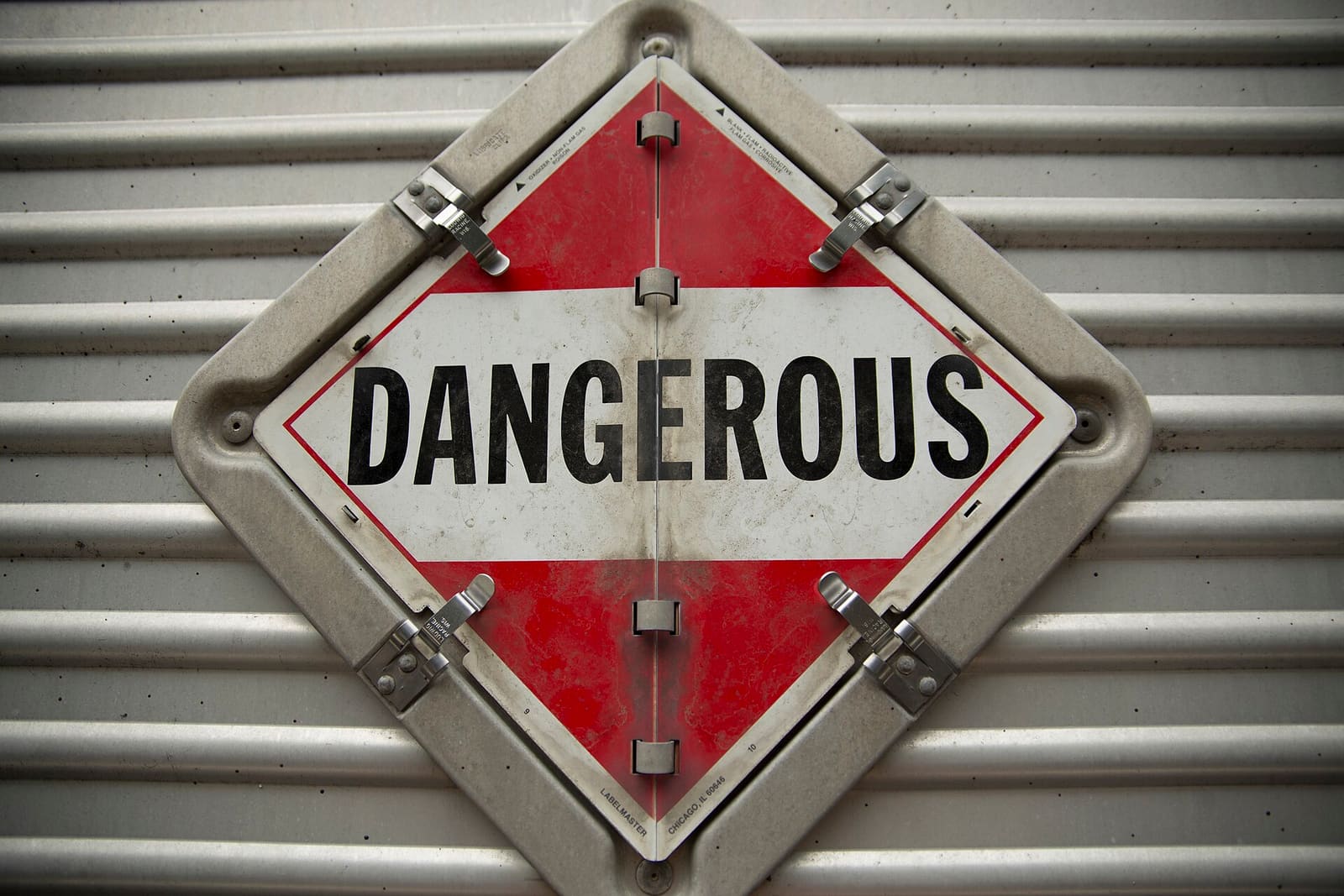
RR Brothers and Logistics treats export documentation and classification as a core part of our customs clearance and brokerage service, alongside our established dangerous goods handling capability — including a certified DG team, an MSDS data bank and UN-standard packaging — for cargo that requires it. Our approach is to identify compliance requirements early, in the planning stage of a shipment, rather than reacting to them once cargo is already in transit.
Frequently Asked Questions
No. Classification questions can arise for ordinary industrial and commercial products too, which is why treating export compliance as a standard step for every shipment — not just unusual cargo — keeps routine freight moving on schedule.
Product classification determines the documentation and licensing that applies to a shipment. Certain categories, including some technology, industrial equipment and dual-use items, may require specific licensing before they can be shipped.
Inconsistent or vague documentation. When commercial invoices, packing lists and export declarations don't describe the cargo consistently, it is one of the most common triggers for additional scrutiny at any point along the route.
As early as possible — ideally before a shipment is booked. Classification and licensing status is far easier to confirm during planning than to resolve after cargo is already in transit.