A Trade Lane Reshaped by Nearshoring
China-Mexico shipping has gone from a relatively specialised lane to one of the more closely watched routes in global freight, largely because Mexico now sits at the intersection of two separate trade stories: its own growing domestic import market, and its role as a manufacturing and re-export platform feeding the United States under the USMCA framework. That second role — commonly described as nearshoring — has pushed a wide range of Chinese-manufactured components and finished goods through Mexican ports on their way to final assembly, packaging, or direct resale in the US market. For a freight forwarder, that means a China Mexico shipping route now needs to account for both destinations at the planning stage, not just one.
Manzanillo, Lazaro Cardenas and Mexico's Gulf Ports
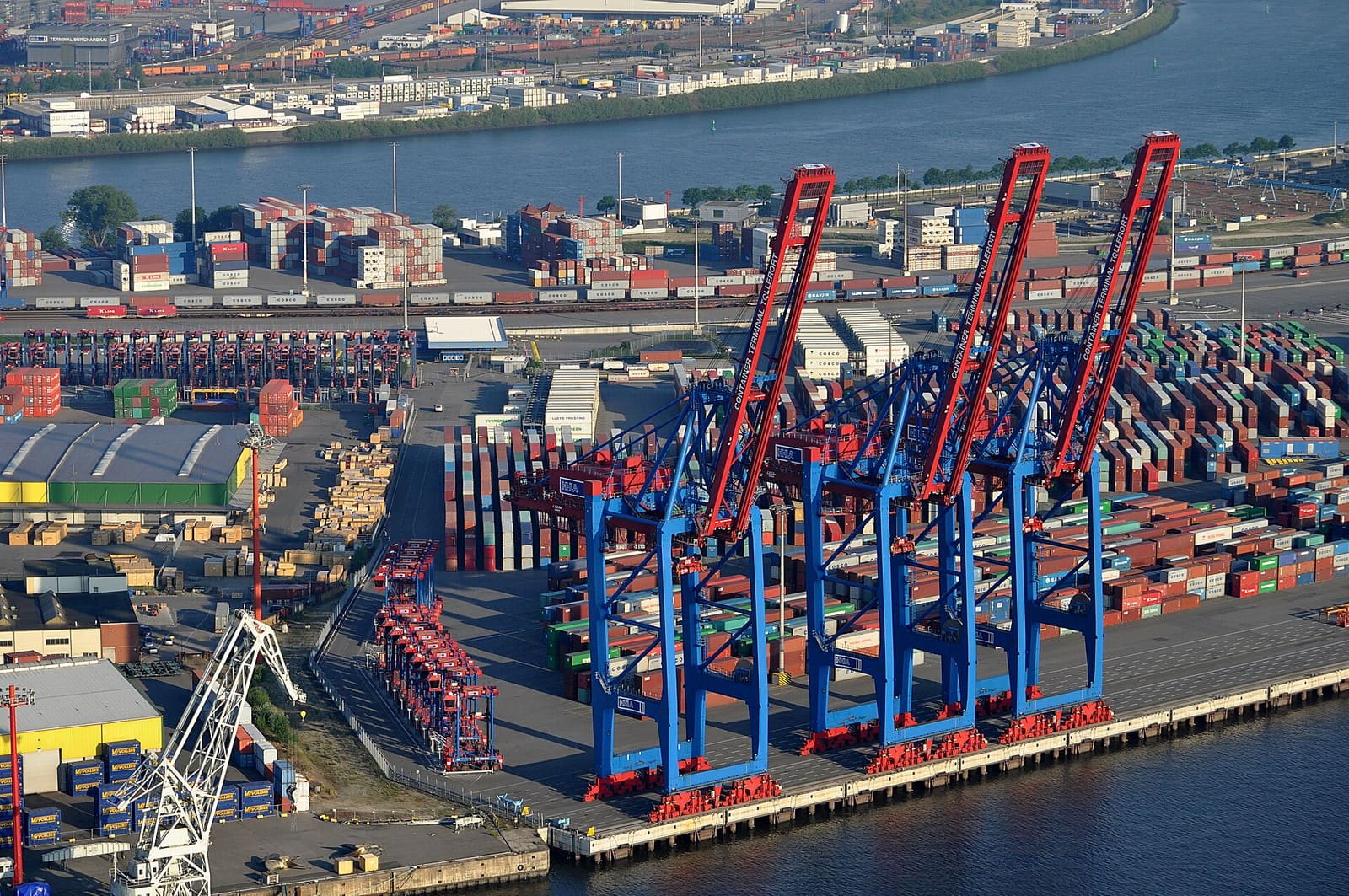
On Mexico's Pacific coast, the Port of Manzanillo is the country's largest container gateway and the default call for the great majority of China-origin cargo, thanks to its direct trans-Pacific service network and strong rail and highway connections into central Mexico, including the Bajío manufacturing region and greater Mexico City. Port of Lazaro Cardenas, further south along the same coast, has grown rapidly as a secondary Pacific gateway with room for larger vessels and less congestion, and increasingly attracts automotive and industrial cargo. On the Gulf side, Altamira and Veracruz serve central and eastern Mexico and offer more direct access toward the US Gulf Coast and the country's eastern industrial corridor, typically reached via the Panama Canal rather than a direct trans-Pacific crossing.
Realistic Transit Times
| Route | Mode | Approx. Time |
|---|---|---|
| China to Manzanillo (direct trans-Pacific) | Sea (FCL/LCL) | 20–28 days |
| China to Lazaro Cardenas | Sea (FCL/LCL) | 20–28 days |
| China to Altamira/Veracruz (via Panama Canal) | Sea (FCL/LCL) | 32–42 days |
Cargo that continues on from a Mexican port into the United States by truck or rail adds further transit time on top of these figures, which importers coordinating cross-border final delivery should build into their planning from the outset.
Mexican Customs and the Nearshoring Angle
Mexico's customs authority requires a commercial invoice, packing list, bill of lading, and — for most commercial shipments — the involvement of a licensed customs broker (agente aduanal) to file the import declaration (pedimento). Rules of origin matter considerably more on this lane than on most others: cargo that will eventually cross into the United States under USMCA preferential treatment needs origin documentation prepared correctly from the outset, since a shipment that fails to qualify loses the tariff benefit that often justified routing through Mexico in the first place. Given how directly current US tariff policy on China-origin imports has shaped the economics of this lane, we generally recommend importers confirm their qualification strategy with a customs specialist before committing to a nearshoring plan rather than after goods are already in transit. Classification questions on unusual product categories are also worth checking against the harmonised system framework maintained by the World Customs Organization, since Mexican tariff codes follow the same underlying structure used worldwide.
FCL, LCL and Choosing a Gateway Port
FCL remains standard for manufacturers and larger importers moving regular volumes, particularly those routing cargo onward for US-bound re-export where consistent scheduling matters. LCL consolidation into Manzanillo is well established for smaller Mexican importers and works reasonably well given the port's high sailing frequency. The choice between Pacific and Gulf gateways is really a choice about final destination: Pacific ports suit central and western Mexico and the Bajío corridor, while Gulf ports make more sense for cargo continuing toward the US Gulf Coast or eastern Mexico, and a forwarder with visibility across the full corridor — a comparison we build on in our broader guide to shipping from China to global ports — can help avoid choosing a port based on habit rather than actual routing efficiency.
How Mexico Compares to Other Diversification Routes
Mexico is one of several destinations importers now weigh when thinking beyond a single China-origin supply chain. Some of the same businesses shipping into Manzanillo are also active in East Asia on lanes such as our China to Japan shipping guide, or are exploring direct India-origin sourcing into the United States, covered in our guide to shipping from India to the US. None of these routes is a straightforward substitute for another — cost structures, transit times and tariff treatment differ meaningfully — but comparing them side by side, ideally with a forwarder who can quote more than one origin, gives a far clearer picture than evaluating Mexico in isolation. Global trade volume trends tracked by UNCTAD are a useful independent reference point when assessing how quickly this shift is actually happening versus how it is sometimes described.
Two Practical Tips for the China-Mexico Lane
- Confirm rules-of-origin qualification early. If any part of your cargo's value proposition depends on USMCA preferential treatment for onward US delivery, verify the qualification threshold before booking, not after arrival.
- Match your port to your final inland destination. Manzanillo's rail links suit central Mexico well, but a Gulf port may be the shorter overall route if your cargo is ultimately headed east.
RR Brothers and Logistics supports clients moving cargo from China into Mexico for both domestic Mexican distribution and onward US-bound re-export, coordinating ocean booking, customs brokerage and cross-border trucking as a single managed process from our China base. As nearshoring continues to reshape this lane, we track routing and documentation requirements in real time so clients aren't planning around outdated assumptions.
Frequently Asked Questions
Manzanillo on the Pacific coast is Mexico's largest container gateway for China-origin cargo, with Lazaro Cardenas as a growing secondary Pacific option. Altamira and Veracruz on the Gulf coast serve central and eastern Mexico, typically reached via the Panama Canal.
Goods manufactured or assembled in Mexico using qualifying inputs can move into the US under USMCA preferential tariff treatment, which has made routing components and finished goods through Mexican ports an increasingly common strategy for reaching US buyers.
Direct trans-Pacific sea freight from China to Manzanillo generally takes 20–28 days, depending on the origin port and carrier routing. Gulf coast ports reached via the Panama Canal typically take longer, around 32–42 days.
Yes — Mexican customs generally requires a licensed customs broker (agente aduanal) to file the import declaration on commercial shipments. A good forwarder will already have this relationship in place rather than leaving importers to source one independently.