The UAE as a China Trade Gateway
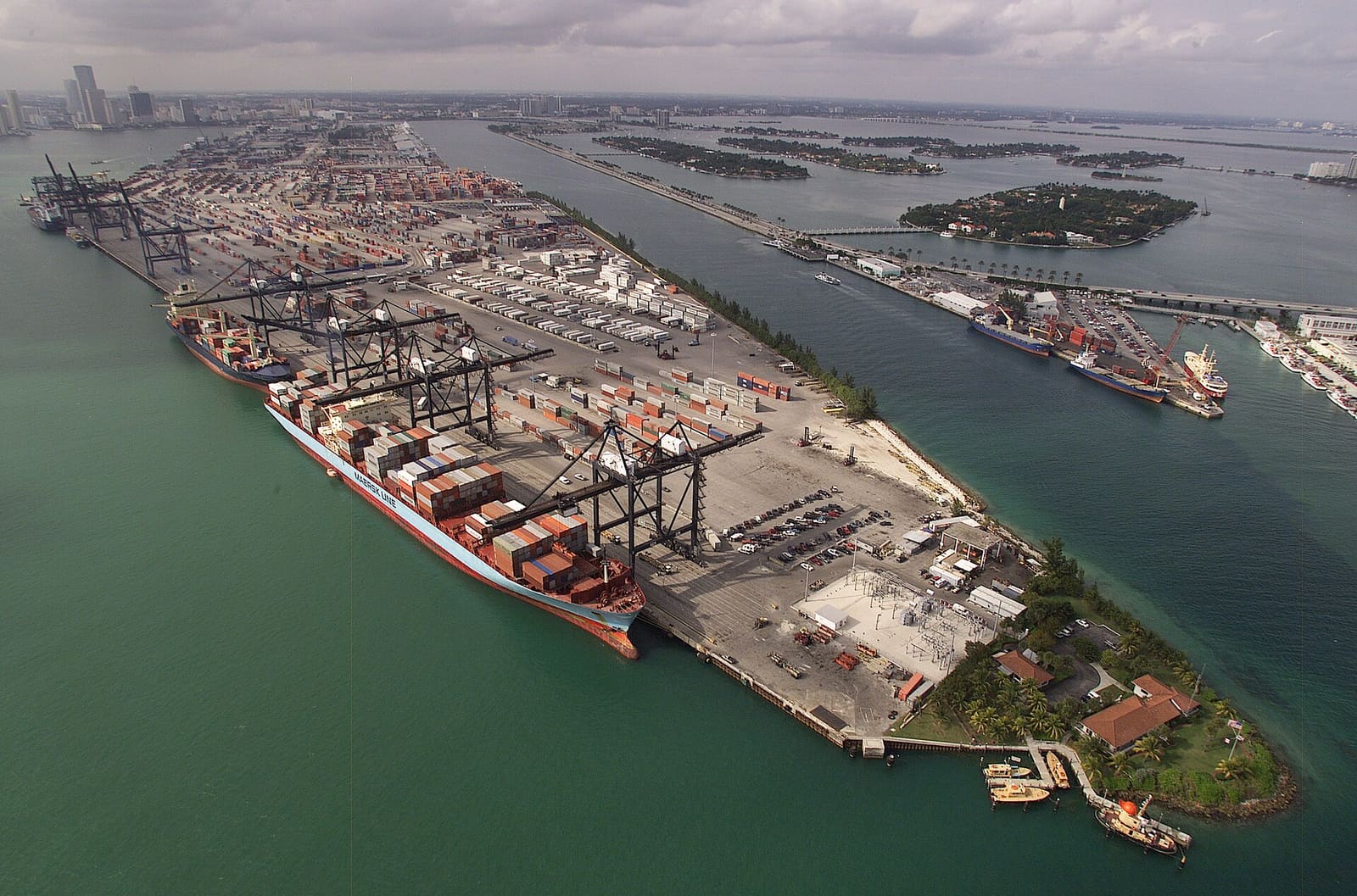
The United Arab Emirates occupies a unique position among the destinations covered in this guide: for many importers, it is not only a consumer market in its own right but also a re-export platform for the wider Middle East, Africa, and South Asia. Jebel Ali Port, operated by DP World, is one of the largest man-made harbors in the world and the busiest container port between Rotterdam and Singapore. Its scale, efficiency, and connectivity to onward shipping and air services make it the natural first stop for a huge volume of China-origin cargo destined for the broader region, not just for consumption inside the UAE itself.
Dubai's position as a trading and logistics hub has been decades in the making, and China is now one of its largest trading partners. Everything from electronics, textiles, and machinery to consumer goods and building materials flows through Jebel Ali on its way to buyers across the Gulf Cooperation Council (GCC), the Levant, East Africa, and beyond. For a freight forwarder, this makes the UAE lane about more than a single delivery address — it is frequently the first leg of a longer distribution chain.
Transit Times and Routing
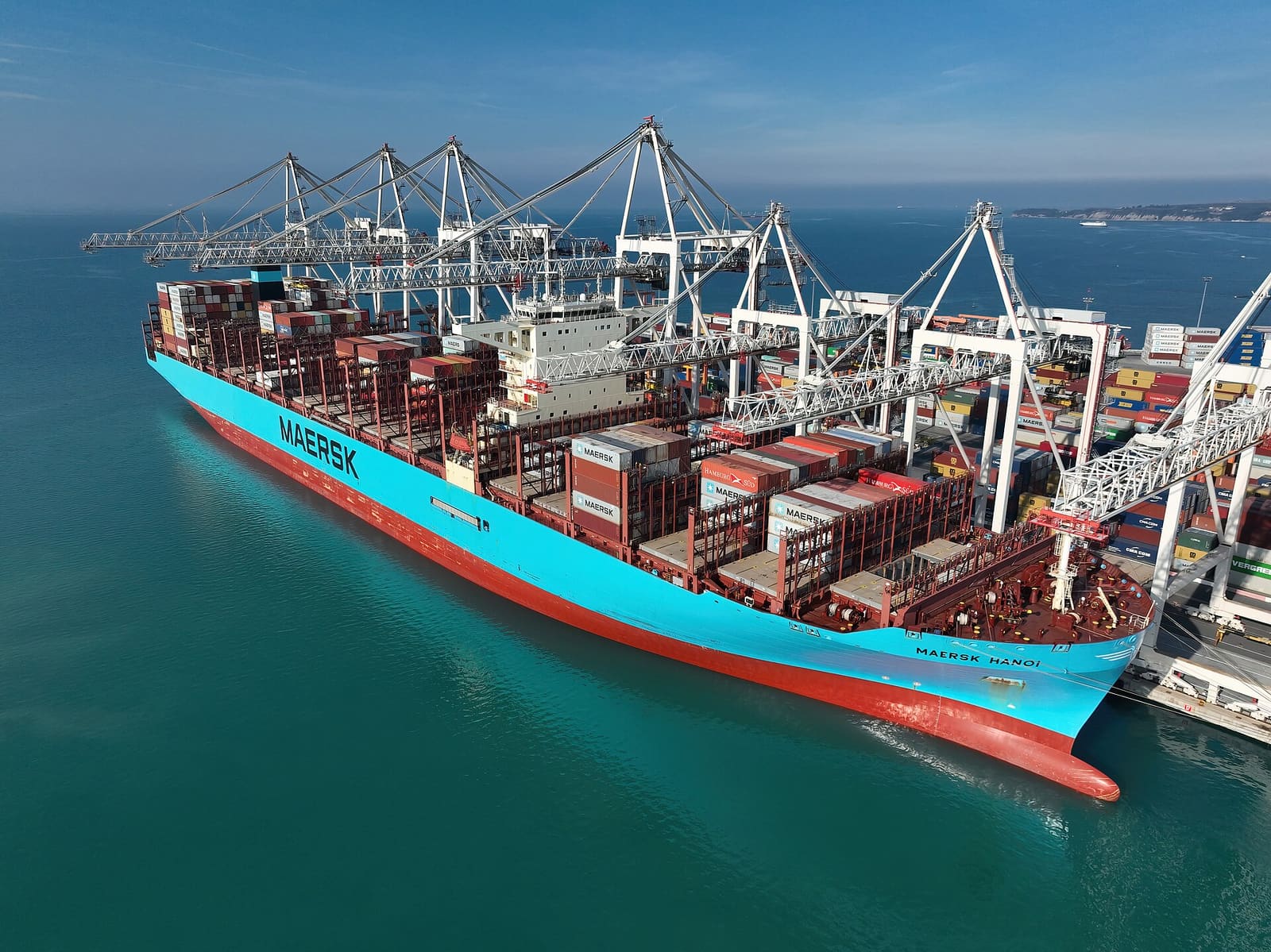
Sea freight from South China ports to Jebel Ali typically runs in the range of 18 to 28 days, a shorter transit than many shippers expect given the distance, since vessels reach the Gulf via the Malacca Strait and the Indian Ocean without needing to transit the Suez Canal. Direct services from Shenzhen, Guangzhou, and Ningbo are common given the volume on this lane, which helps keep transit times toward the lower end of that range compared to markets requiring more transshipment. Air freight into Dubai International Airport or Al Maktoum International typically takes two to four days and is widely used for high-value electronics, urgent restocks, and e-commerce fulfillment given the strength of Dubai's air cargo infrastructure.
FCL, LCL, and Groupage Services
Because of the sheer trade volume moving on this lane, both full-container-load and less-than-container-load services are well developed between China and Jebel Ali. FCL remains the default for established traders and wholesalers moving consistent volume, particularly those re-exporting onward from a free zone warehouse. LCL and groupage consolidation are heavily used by smaller importers and traders — Dubai's markets, including Dragon Mart and the wider wholesale trading community, are built around frequent, smaller shipments arriving reliably rather than occasional large ones, which has made consolidated sea freight from China to Dubai one of the most mature LCL corridors anywhere in the world.
Jebel Ali Free Zone and Re-Export Strategy
A defining feature of shipping to the UAE is the Jebel Ali Free Zone (JAFZA), which sits adjacent to the port and allows goods to be imported, stored, and re-exported without incurring UAE customs duty on the portion that moves onward to a third country. This is a major reason so many trading companies base regional distribution operations in Dubai: a single China shipment can land at Jebel Ali, be consolidated or repackaged in the free zone, and then be split into smaller shipments bound for Saudi Arabia, East Africa, or the wider Gulf — with duty only applying to the share that actually enters the UAE domestic market. Businesses evaluating whether to ship directly to each end market or consolidate through a Dubai free zone first should model both the landed-cost difference and the added flexibility a regional hub provides.
Dubai Customs, the Federal Customs Authority, and VAT
Customs clearance for goods entering the UAE mainland is handled locally by Dubai Customs, operating under the policy framework set by the Federal Customs Authority (FCA) at the national level. Standard import documentation — commercial invoice, packing list, certificate of origin, and bill of lading — forms the baseline, alongside correct HS classification for duty assessment. Most goods entering the UAE mainland face a standard customs duty of around 5% of the CIF value, with Value Added Tax (VAT) applied at 5% on most imported goods as well. Goods that remain within a free zone and do not enter the mainland market are generally treated differently for duty purposes, which is part of why free zone routing is such a common strategy for re-export-focused importers.
| Factor | Typical Range |
|---|---|
| Sea freight transit (South China to Jebel Ali) | 18–28 days |
| Air freight transit (to Dubai) | 2–4 days |
| Standard customs duty | ~5% of CIF value (mainland) |
| VAT | 5% |
| Customs authority | Dubai Customs / Federal Customs Authority |
Air Freight and E-Commerce Fulfillment via Dubai
Beyond sea freight, Dubai's air cargo infrastructure plays an outsized role in the UAE's position as a China trade gateway. Fast-growing e-commerce platforms serving Gulf consumers rely heavily on air freight and express courier networks running out of Guangzhou, Shenzhen, and Hangzhou into Dubai, since consumer expectations for delivery speed in the region have risen sharply. For B2B importers, air freight remains the fallback for cargo that cannot wait out a 18–28 day sea transit — new product launches, urgent spare parts, or seasonal goods with a narrow selling window. Because Dubai's air and sea infrastructure sit so close together geographically, some importers split a single purchase order across both modes, sending an initial air shipment to cover immediate demand while the bulk of the order follows by sea at a lower per-unit cost.
Documentation Checklist for UAE-Bound Shipments
A complete UAE import file typically includes a commercial invoice showing FOB or CIF value, a detailed packing list, a certificate of origin, and either a bill of lading (sea) or air waybill (air), alongside correct HS classification for the goods being shipped. Certain product categories — including food products, cosmetics, medical devices, and telecommunications equipment — require additional registration with the relevant UAE regulatory body before the shipment can clear, and these approvals are far easier to arrange before cargo departs China than after it has already arrived at Jebel Ali. Importers moving goods for onward re-export should also keep clear records distinguishing free zone inventory from goods that have entered the UAE mainland market, since customs treatment differs between the two and mixing them without proper documentation can complicate future audits.
Cargo Categories and Common Considerations
Electronics, textiles and apparel, machinery parts, building materials, and general trading goods make up a large share of China-to-UAE volume, much of it moving through wholesale trading hubs for onward distribution rather than staying in the UAE as a final consumer market. Traders working through Dubai's wholesale districts often manage dozens of smaller consolidated shipments rather than a handful of large container loads, which places a premium on a forwarder's ability to handle groupage efficiently and keep individual consignments traceable within a shared container. Businesses shipping regulated categories — certain electronics, cosmetics, or food products — should confirm registration and labeling requirements with the relevant UAE authority before shipment, since these can differ meaningfully from requirements in the country of final resale if goods are being re-exported.
Practical Tips for Shippers
- Decide early whether cargo is for UAE consumption or re-export. The free zone versus mainland import decision affects duty treatment, documentation, and how the shipment should be structured — sort this out before booking rather than after arrival.
- Use consolidation to your advantage on smaller volumes. The maturity of the China-Dubai LCL corridor means smaller traders can access frequent, reliable sailings without needing to commit to full containers, keeping working capital tied up in inventory rather than empty container space.
- Confirm product-specific registration requirements ahead of shipment. Regulated categories such as food, cosmetics, and electronics often need approvals lined up in China before the container is loaded, not after it lands — building this into supplier lead times avoids paying storage fees while paperwork catches up.
Distribution Beyond the UAE
For businesses using Dubai as a springboard into the wider Gulf Cooperation Council, onward road freight to Saudi Arabia, Oman, Qatar, Bahrain, and Kuwait is well established, supported by the UAE's extensive highway network and border crossing infrastructure. This regional distribution model is one reason many China-origin traders prefer to hold safety stock in a Jebel Ali or Dubai South warehouse rather than shipping smaller, separate consignments directly to each GCC market — a single larger shipment into the UAE, broken down for onward road distribution, is often more cost-efficient than several partial sea shipments to different destination ports.
A Regional Hub Worth Planning Around
RR Brothers and Logistics moves both FCL and consolidated cargo from China to Jebel Ali Port, handling the customs documentation and free zone logistics that let importers use Dubai as either a final destination or a springboard into neighboring markets. As part of a broader China to global ports strategy, the UAE lane rewards shippers and forwarders who think beyond the port of arrival — because for a large share of this cargo, Jebel Ali is a waypoint, not an endpoint. Our team can help structure a shipment plan around whichever role Dubai plays in your distribution network.
Frequently Asked Questions
Sea freight from South China typically takes 18 to 28 days, since vessels reach the Gulf via the Malacca Strait and the Indian Ocean without needing to transit the Suez Canal. Air freight into Dubai International or Al Maktoum International typically takes just 2 to 4 days for urgent or high-value cargo.
JAFZA lets goods land at Jebel Ali, be stored or repackaged, and be re-exported to a third country without incurring UAE customs duty on the portion that moves onward. It's a major reason so many trading companies use Dubai as a regional distribution hub rather than shipping directly to each Gulf market.
Most goods face a standard customs duty of around 5% of the CIF value plus 5% VAT, administered under Dubai Customs and the Federal Customs Authority framework. Goods that stay within a free zone and never enter the mainland market are generally treated differently for duty purposes.
Yes — the China-Dubai corridor is one of the most mature LCL markets in the world, built around Dragon Mart and Dubai's wider wholesale trading community, which relies on frequent, smaller consolidated shipments arriving reliably rather than occasional large ones.