India's Freight Forwarding Market Is Crowded — and Uneven
India has thousands of registered freight forwarders and customs brokers, ranging from single-office operators handling a handful of local exporters to large multinational networks with offices in every major gateway city. That range is itself the problem for a shipper trying to choose: size alone tells you very little about whether a forwarder will actually perform on your specific trade lane, cargo type, and required level of service. Choosing well matters more in India than in many other markets precisely because the country's port and inland infrastructure is genuinely complex — multiple major gateways on both coasts, an extensive and still-developing network of inland container depots, and customs procedures that vary meaningfully in practice from one jurisdiction to the next even under a single national framework. This guide sets out the practical criteria — licensing, network coverage, financial stability, and the right questions to ask — that separate a forwarder worth signing with from one that will become a liability the first time something goes wrong.
If you're new to freight forwarding altogether, our beginner's guide to what freight forwarding is is a useful starting point before diving into India-specific selection criteria.
What Licenses Should an Indian Freight Forwarder Hold?
Licensing is the first and most objective filter, and it's one that's easy to verify rather than take on faith. A forwarder handling customs clearance in India should hold a valid Customs Broker License issued under the Customs Brokers Licensing Regulations, which replaced the older Customs House Agent (CHA) licensing framework — ask to see the license number and confirm it's current rather than assuming it exists because the company has been operating for years. For forwarders handling multimodal transport contracts, registration as a Multimodal Transport Operator under India's Multimodal Transportation of Goods Act is a further layer of accountability worth checking, since it defines the forwarder's liability when cargo moves across sea, rail and road legs under a single contract.
Air freight forwarders should be able to show IATA accreditation if they're issuing air waybills directly rather than through a third party, and membership in an industry body such as the Federation of Freight Forwarders' Associations in India (FFFAI) or the Federation of Indian Export Organisations (FIEO) is a reasonable, if not definitive, signal that a forwarder operates within recognized industry standards. None of these credentials alone guarantee good service, but their absence is a legitimate reason to keep looking — a forwarder unwilling or unable to produce basic licensing documentation on request is not one to trust with time-sensitive cargo or sensitive commercial terms.
How Important Is Network Coverage When Choosing a Forwarder in India?
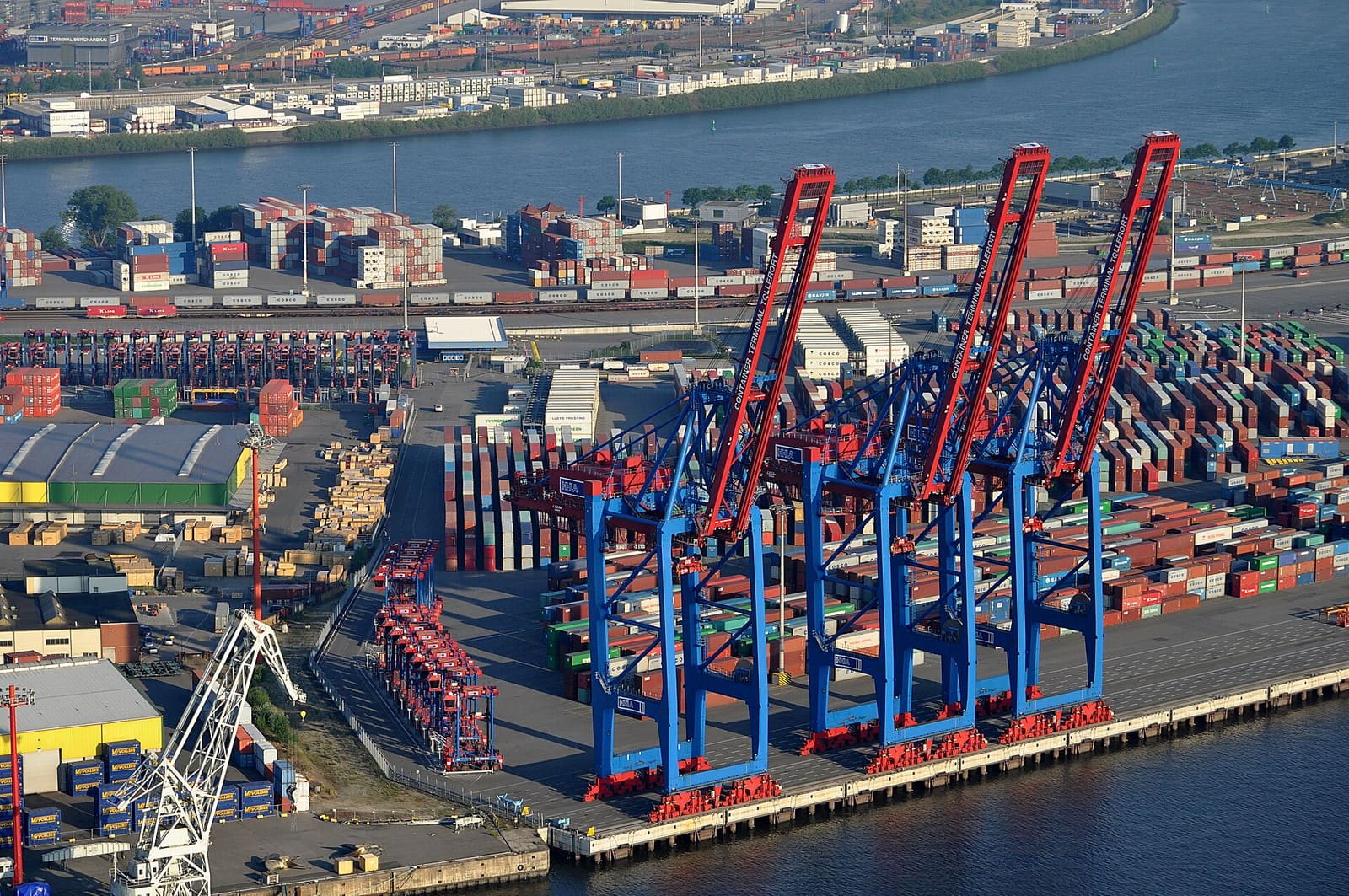
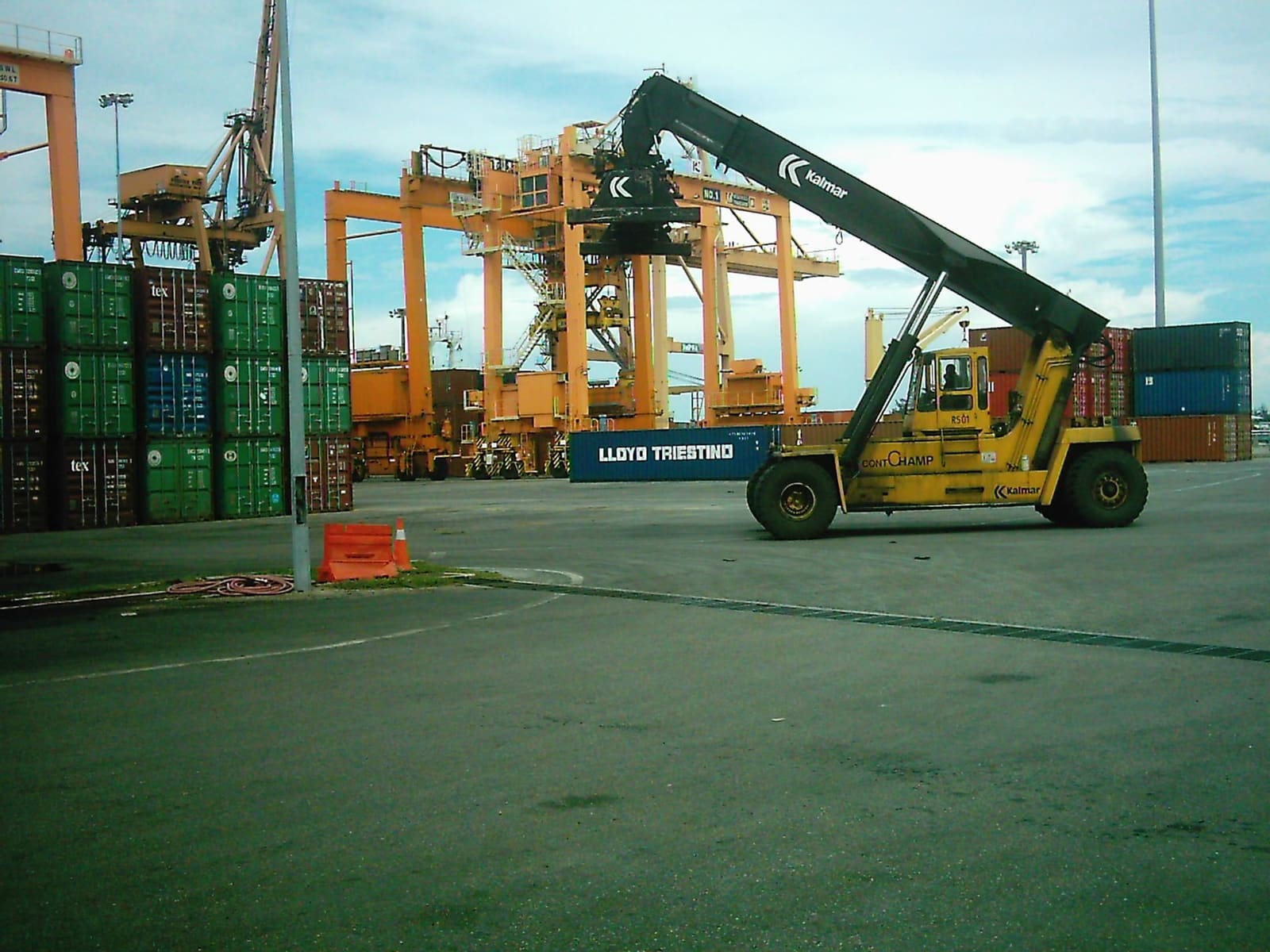
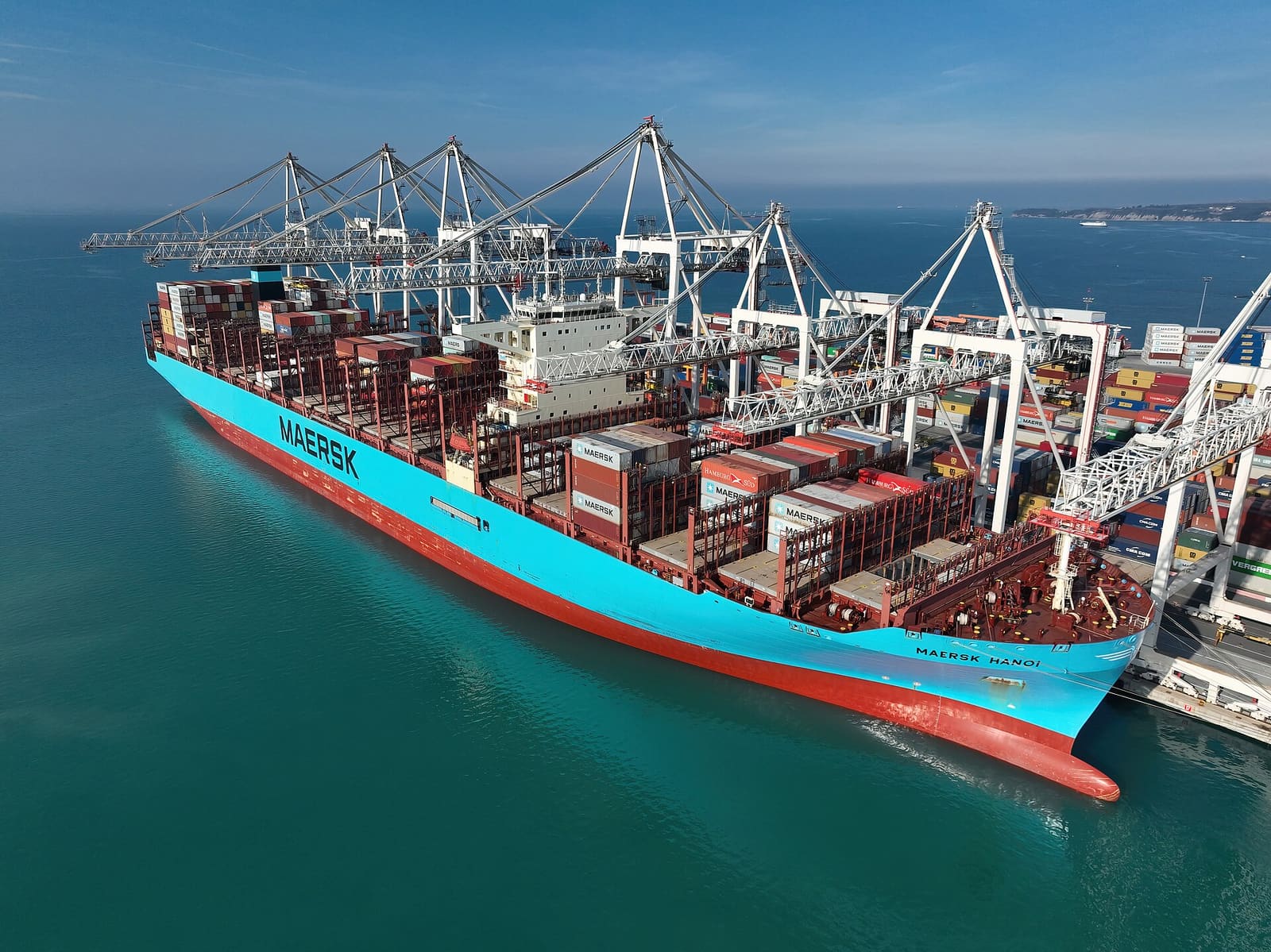
Network coverage matters more in India than it does in many single-gateway countries, simply because India doesn't have one dominant port the way some markets do. Jawaharlal Nehru Port (JNPT) near Mumbai handles the largest share of India's containerized trade, but Mundra on the Gujarat coast has grown rapidly and now rivals it on many trade lanes, while Chennai, Kolkata, and a growing set of southern ports serve different regional hinterlands entirely. A forwarder with real operational presence — not just a nominal agent relationship — at the ports and inland container depots (ICDs) relevant to your specific import or export flow will generally deliver more consistent service than one whose coverage exists mainly on a slide deck.
| Coverage Type | What to Check | Why It Matters |
|---|---|---|
| Port presence | Own staff vs. third-party agent at your relevant port | Faster issue resolution, direct terminal relationships |
| Inland reach | ICD and CFS coverage near your factory or warehouse | Avoids costly long-haul trucking to a distant port |
| Overseas partners | Direct offices or vetted agents at destination | Single point of accountability door to door |
| Mode coverage | Sea, air and rail options rather than sea-only | Flexibility when one mode faces disruption |
This is also where a forwarder's global reach outside India becomes relevant, not just its footprint inside the country. A shipment leaving Chennai for Lagos or Mombasa needs coordination at the destination end that's every bit as important as the origin handling — a forwarder with only a loose correspondent-agent relationship at destination introduces a real accountability gap right when a shipper needs it least.
Assessing Financial Stability and Track Record
A forwarder's financial position matters more than shippers often realize, particularly for FCL bookings where the forwarder may be extending credit terms, paying carrier freight upfront, or holding client funds briefly during a transaction. Ask directly about how long the company has operated, request client references in your specific industry or commodity category, and check whether they carry professional indemnity or errors-and-omissions coverage appropriate to the volume you intend to move. A track record of several years managing your specific type of cargo — whether that's textiles, electronics components, or industrial machinery — is worth more than a generic claim of broad experience, since customs and handling requirements differ meaningfully by commodity.
It's also reasonable to ask how a forwarder has handled a period of real disruption — a port strike, a monsoon-season backlog, a sudden capacity crunch during peak export season — rather than only asking about routine performance. Any forwarder can look competent when volumes are normal and schedules are holding; the ones worth a long-term relationship are the ones who can describe, specifically, how they kept a client's cargo moving or minimized damage when conditions in India's ports or on their trade lane genuinely deteriorated. A vague answer here is often more informative than the specifics of a glossy capability deck.
It's also worth asking how a prospective forwarder prices and structures its quotes, since rate transparency is often a proxy for overall operational discipline. A fair, all-in India-bound or India-origin quote should clearly itemize freight, origin and destination handling, and customs clearance rather than bundling them into one opaque figure — a useful standard to hold every proposal against when comparing prospective partners.
Technology, Visibility, and Documentation Discipline
Shipment visibility has become a reasonable baseline expectation rather than a premium feature — a forwarder should be able to provide container or airway bill tracking, timely status updates at key milestones, and digital copies of shipping documents without a shipper having to chase them down by phone. Given how central accurate paperwork is to smooth customs clearance in India, ask how a prospective forwarder handles document preparation and review before submission — a forwarder that builds in a genuine quality check on invoices, packing lists and certificates of origin will save you far more in avoided delays than one that simply forwards whatever the shipper or supplier sends along. Our freight forwarding booking checklist is a useful benchmark for exactly what documentation a competent forwarder should be reviewing on every India shipment.
What Questions Should I Ask Before Signing With a Forwarder?
A short, direct set of questions during the evaluation stage tells you more than any glossy capability presentation. Ask which specific ports and ICDs the forwarder operates from directly versus through a third-party agent. Ask for their documentation error rate and how they've handled a significant service failure in the past — a forwarder who can describe a specific past mistake and what they changed afterward is more credible than one who claims a flawless record. Ask how disputes over demurrage, detention, or accessorial charges are typically resolved, and get a sample of their standard service agreement to review before you're under time pressure to sign one. Our overview of key clauses in a freight forwarding contract is worth reading before that conversation, so you know what liability, payment and termination terms to look out for rather than reviewing the agreement for the first time on the day you need cargo moving.
Red Flags Worth Taking Seriously
- Reluctance to provide license or registration numbers when asked directly — a legitimate operator has nothing to hide here.
- Quotes that omit destination handling, customs clearance, or delivery charges, leaving the real cost to surface only after booking.
- No named point of contact, with all communication routed through a general inbox or rotating staff.
- Vague answers about port and ICD coverage, especially claims of "pan-India" presence that don't hold up when you ask about your specific origin or destination.
- Pressure to sign quickly without time to review the service agreement or ask for references.
India's trade volumes and the operational demands on its ports continue to grow, a trend tracked in trade and logistics performance data published by UNCTAD, and customs modernization efforts referenced by the World Customs Organization continue to shape how quickly cargo clears at Indian ports. Maritime safety and vessel standards affecting India's shipping lanes are coordinated internationally through the International Maritime Organization. RR Brothers and Logistics has operated across India's major gateways for years as part of our core network alongside China, Turkey, Kenya and Nigeria — see our global network coverage for the specific ports and inland points we serve directly, and get in touch if you'd like a straightforward answer to any of the questions raised in this guide before you commit to a partner.
Frequently Asked Questions
A forwarder handling customs clearance should hold a current Customs Broker License under the Customs Brokers Licensing Regulations. Forwarders arranging multimodal transport should be registered as a Multimodal Transport Operator, and air freight forwarders issuing air waybills directly should carry IATA accreditation. Membership in bodies like FFFAI or FIEO is a further, though not definitive, signal of standards.
Very important, because India's trade moves through multiple major gateways — JNPT, Mundra, Chennai and others — rather than a single dominant port. A forwarder with genuine operational presence at the ports and inland container depots relevant to your specific shipment will generally deliver more consistent service than one relying on loose third-party agent relationships.
Ask which ports and ICDs they operate from directly, their documentation error rate, how they've handled a past service failure, how demurrage and detention disputes are resolved, and request a sample service agreement to review in advance rather than under time pressure.
Neither is automatically better — a large network offers broader global reach, while a smaller operator may offer more attentive service and deeper knowledge of specific Indian ports or commodities. The licensing, coverage, and reference checks in this guide matter more than company size alone.