Delivery fleets have absorbed a lot of urban policy change over the past decade — low-emission zones, delivery time restrictions, curb-access rules — but congestion pricing adds something different: a direct, per-entry cost on top of everything else. As more major cities adopt zone-based charging, it's become a real line item transportation logistics networks have to plan around, not just an inconvenience to route around.
What Congestion Pricing Actually Is
Congestion pricing charges vehicles a fee to enter a defined zone — typically a dense city center — during peak hours, with the dual goal of reducing traffic volume and raising revenue for transit or infrastructure investment. Unlike a toll on a specific road, it's usually a flat or time-banded charge for entering the zone at all, regardless of how far a vehicle travels once inside it.
Delivery Vehicles Are Rarely Exempt
A common misconception is that commercial delivery vehicles get a pass on congestion charges the way some emergency or accessibility vehicles do. In most schemes, that's not the case — commercial vehicles are typically charged the same as, or more than, passenger cars, since delivery vans and trucks occupy proportionally more road space and contribute meaningfully to the congestion the policy targets. Some programs do offer reduced rates or exemptions specifically for zero-emission vehicles, which has become a real lever fleets use to manage the cost.
Real Examples Shaping Fleet Planning
London's Congestion Charge, in place since 2003 and expanded through its Ultra Low Emission Zone, remains one of the most established models — full details are available from Transport for London. New York City introduced a congestion pricing program for Manhattan more recently, and similar low-emission and access-charge zones have spread across major European cities. Each scheme differs in structure, but the pattern for freight operators is consistent: entering a dense city core during peak hours now carries a real, calculable cost that has to be factored into delivery economics.
How Delivery Fleets Are Adapting
- Route consolidation — combining multiple stops into fewer, larger delivery runs reduces the number of zone entries per unit of freight delivered.
- Off-peak timing shifts — where delivery windows allow it, routing to avoid peak charging periods cuts costs directly.
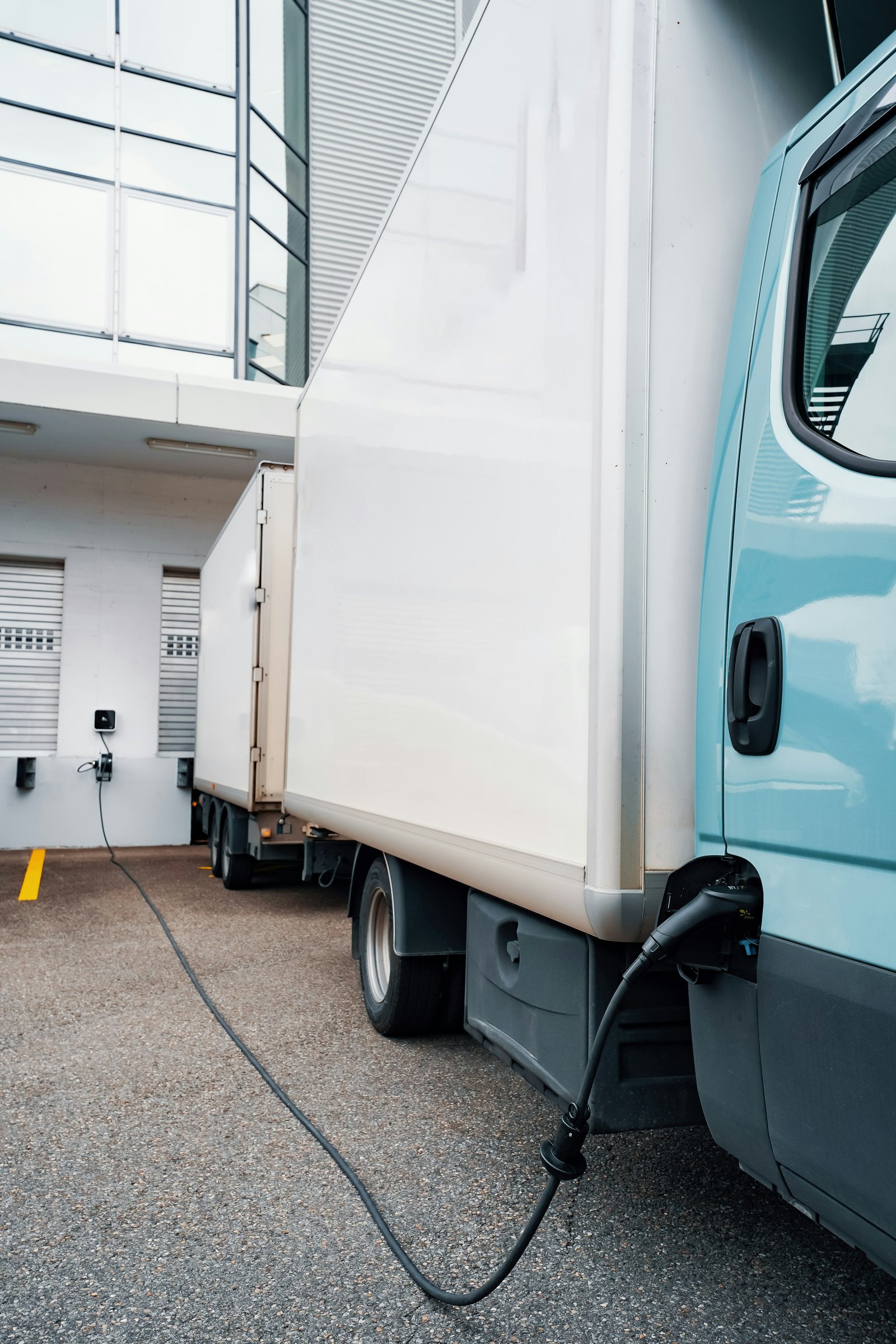
- Accelerated EV adoption — zero-emission vehicle exemptions or discounts have become a genuine factor (alongside fuel savings) in fleet electrification decisions for urban delivery operations. Our piece on electric truck fleets covers the broader economics of that transition.
- Consolidation via micro-hubs — some operators now stage deliveries at a hub just outside a charging zone, using smaller vehicles or cargo bikes for the final stretch inside it.
Does the Cost Get Passed Through to Customers?
Partially, and it varies by operator. Route consolidation and delivery-window shifts can absorb some of the added cost through efficiency gains, but a portion typically does flow through to delivery fees on orders destined for congestion-charged zones, particularly for same-day or scheduled-window delivery where route flexibility is limited. This adds another cost variable on top of the ones already covered in our piece on same-day delivery economics.
How RR Brothers and Logistics Can Help
While congestion pricing primarily affects last-mile urban delivery rather than the international freight legs RR Brothers and Logistics coordinates directly, it's a real consideration for clients managing distribution into major congestion-charged markets. We can help think through routing and mode choices for the international legs of a shipment so that inbound freight arrives on a schedule that gives your last-mile delivery partners flexibility to route around peak-charge windows.
Frequently Asked Questions
Congestion pricing is a policy that charges vehicles a fee to enter a defined zone, typically a dense city center, during peak periods, intended to reduce traffic volume and fund transit or infrastructure improvements.
Rarely fully exempt — most schemes charge commercial vehicles the same or a higher fee than passenger cars, though some programs offer reduced rates or exemptions for zero-emission delivery vehicles specifically.
Common adaptations include consolidating multiple stops into fewer, larger delivery runs, shifting routes and delivery windows to avoid peak charging periods, and accelerating electric vehicle adoption where zones offer exemptions or reduced fees for zero-emission vehicles.
Some pass-through is common, though the effect varies by carrier and market — retailers and delivery platforms often absorb part of the cost through route consolidation efficiency gains before passing the remainder on through delivery fees.