Why Container Type Matters Before You Book
Not every shipment fits a standard box. Cargo dimensions, temperature sensitivity, and loading method all affect which container type is appropriate, and choosing the wrong one can mean anything from wasted space to cargo that cannot be loaded at all. Understanding the main container types available helps shippers specify the right equipment before booking rather than after a problem appears at the port. Every container in international service, regardless of type, must also meet the structural safety standards set out under the International Maritime Organization's Container Safety Convention, and dimensions and ratings across manufacturers are standardised under ISO/TC 104, the technical committee governing freight containers.
Getting it wrong is rarely discovered at the time of booking — it typically surfaces at the loading dock, when cargo simply does not fit the equipment that has already been reserved, forcing a last-minute re-booking that can push back an entire shipment's schedule.
Dry and High Cube Containers
Dry containers are the standard, fully enclosed steel box used for the large majority of general cargo — cartons, pallets, packaged goods and most manufactured products. High Cube containers share the same footprint with additional height, useful for lighter, bulkier cargo that runs out of vertical space before it reaches its weight limit.
Reefer Containers
Reefer (refrigerated) containers maintain a set temperature range throughout transit, powered either from a ship's or terminal's power supply or a generator set during inland moves. They are used for temperature-sensitive cargo — perishable goods, pharmaceuticals, and certain chemicals — where the difference between arrival in and out of specification determines whether the shipment is usable at all.
Flat Rack and Open Top Containers
Flat Rack containers have no sides or roof, just a base and end walls that are sometimes collapsible, designed for cargo too wide, too long, or too oddly shaped to load through a standard door — machinery, vehicles, and structural steel are common examples of the kind of project cargo that needs this equipment. Open Top containers keep the four walls of a standard box but replace the roof with a removable tarpaulin, allowing cargo to be loaded from above by crane when it is too tall or awkward to fit through the door end.
Tank Containers
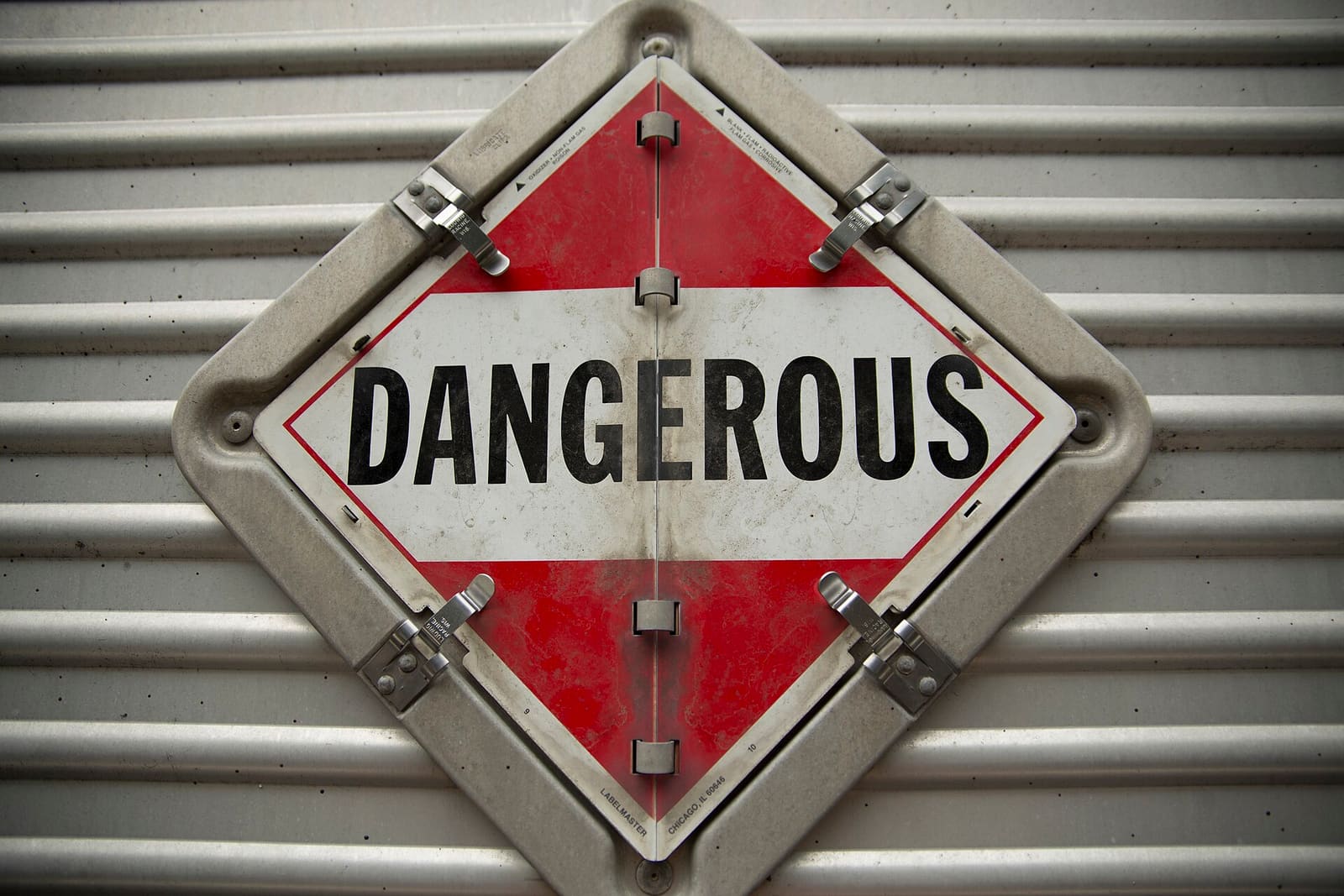
Tank containers are cylindrical tanks mounted in a standard container frame, used for bulk liquids, gases and some powders — chemicals, food-grade liquids and similar cargo that would otherwise require drums or IBC totes packed into a dry container. Many chemical cargoes carried this way are classified as dangerous goods under the IMO's International Maritime Dangerous Goods (IMDG) Code, which governs how they must be packaged, labeled and stowed.
Container Types at a Glance
| Container Type | Best-Fit Cargo |
|---|---|
| Dry | General cartons, pallets, packaged goods |
| High Cube | Bulky, lightweight cargo needing extra height |
| Reefer | Perishables, pharmaceuticals, temperature-sensitive goods |
| Flat Rack | Oversized, wide or long cargo, machinery, vehicles |
| Open Top | Tall or awkward cargo loaded by crane from above |
| Tank | Bulk liquids, gases, some powders |
Owning vs. Leasing: Why SOC Matters
Shipper Owned Containers (SOC) give a shipper control over the specific unit and equipment type used, rather than relying on whatever standard equipment a carrier allocates, which matters most for the specialized types above, where the right unit is not always readily available on short notice. RR Brothers and Logistics maintains its own SOC fleet across Dry, High Cube, Reefer, Flat Rack, Open Top and Tank containers as part of our sea freight service, so the right equipment can be matched to the cargo rather than the cargo adjusted to fit whatever equipment is on hand.
Frequently Asked Questions
They share the same footprint, but a High Cube has additional height, which suits lighter, bulkier cargo that runs out of vertical space before it reaches its weight limit.
Use a Flat Rack for cargo too wide, too long, or too oddly shaped to load through a standard door — machinery, vehicles, and structural steel are common examples. An Open Top keeps the four walls of a standard box but replaces the roof with a tarpaulin, so it suits cargo that's simply too tall to fit through the door end and needs to be craned in from above.
Tank containers are cylindrical tanks mounted in a standard frame, used for bulk liquids, gases, and some powders — chemicals and food-grade liquids that would otherwise need drums or IBC totes packed into a dry container.
SOC gives a shipper control over the specific unit and equipment type used rather than relying on whatever standard equipment a carrier allocates, which matters most for specialized types like Reefer, Flat Rack, or Tank that aren't always readily available on short notice.