Why Project Cargo Is a Different Discipline
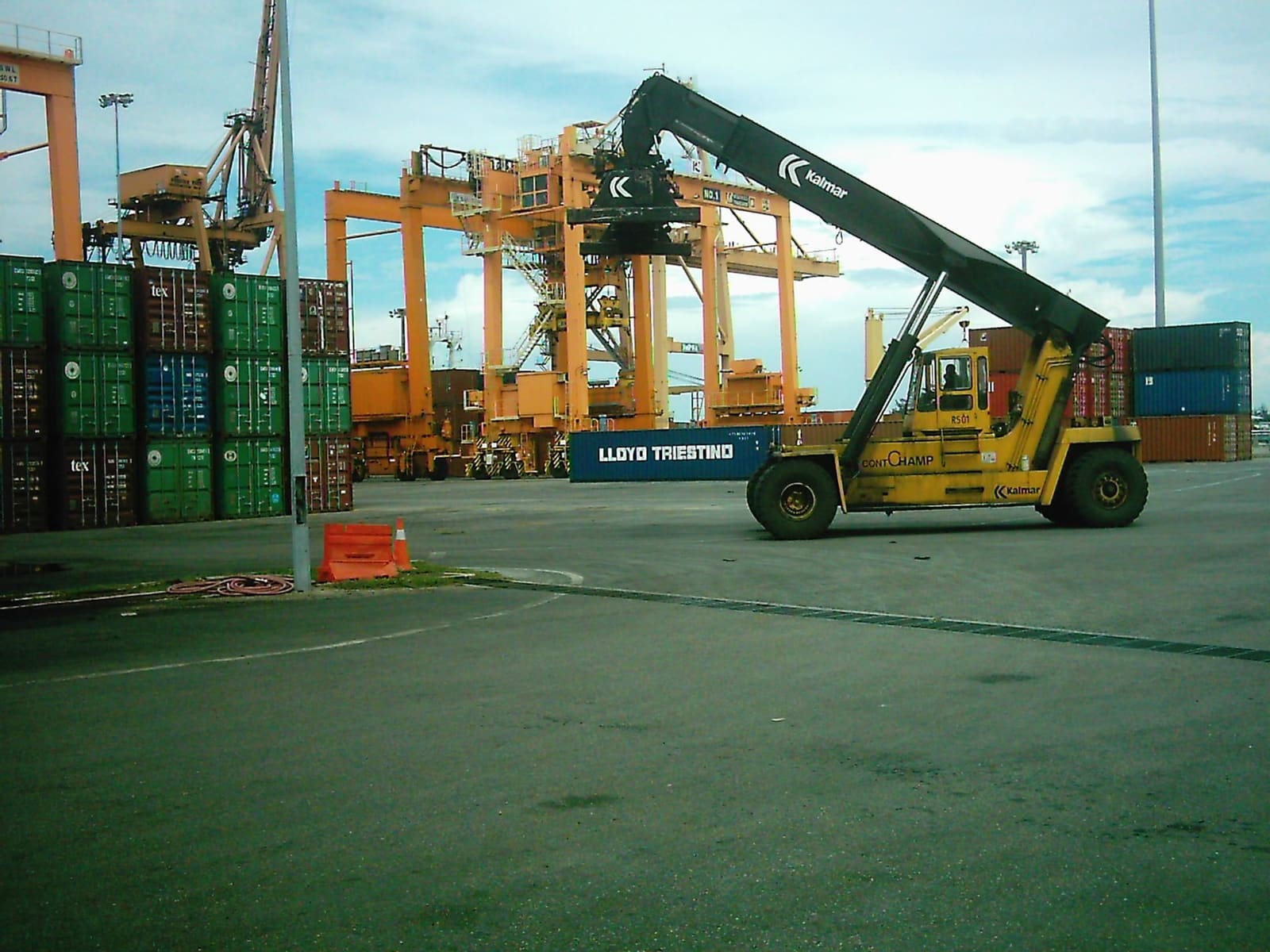
Standard container shipping assumes cargo fits inside a box and moves through normal port infrastructure. Project cargo — oversized machinery, industrial equipment, and heavy components — doesn't fit that assumption. It requires its own equipment, its own route planning, and its own risk management, from the moment it leaves the factory in China to the moment it's positioned at its final site.
Choosing the Right Equipment
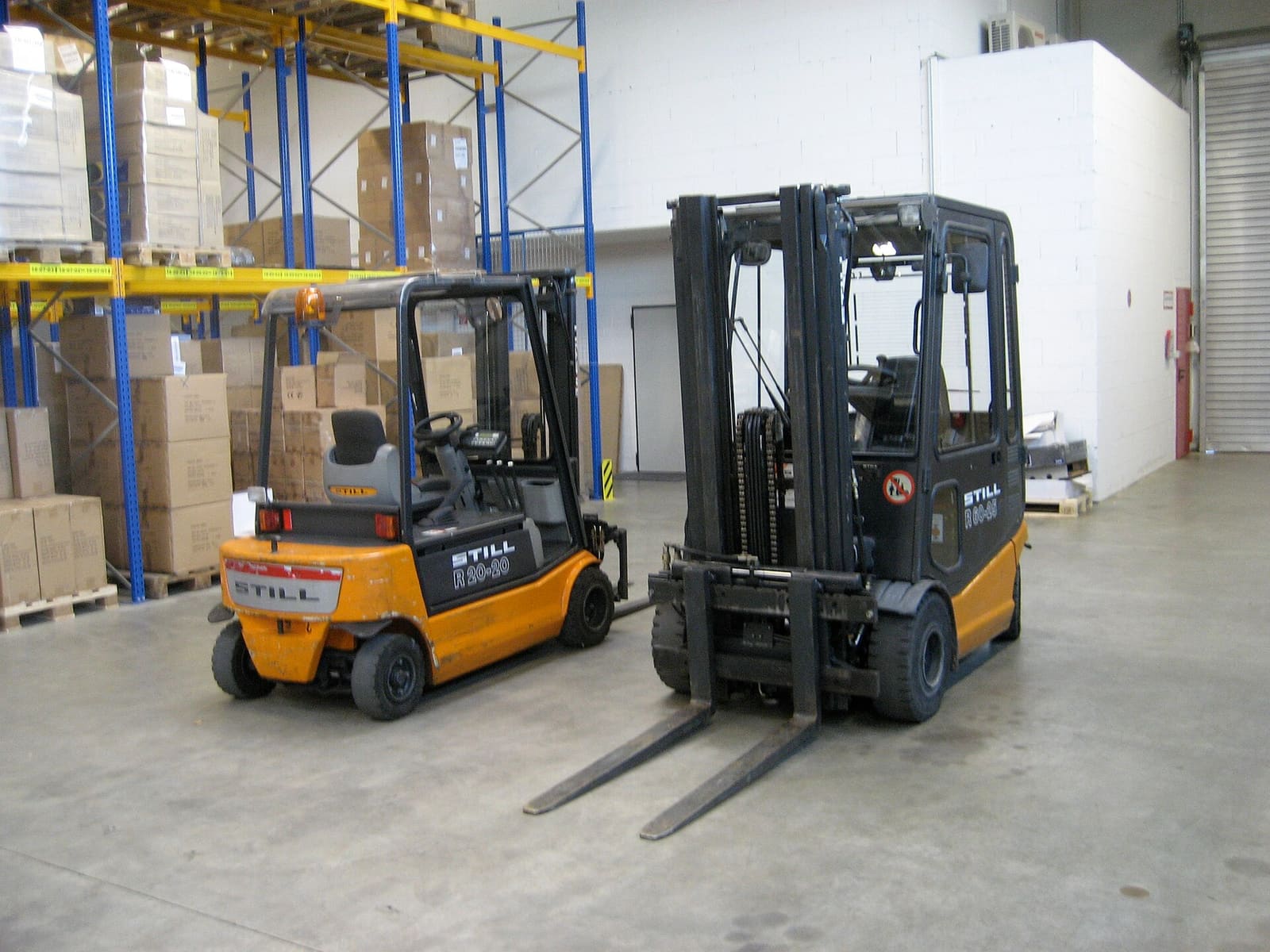
Flat Rack and Open Top containers are the most common solutions for cargo that's too large, too tall, or too heavy for a standard dry container. Flat Racks work well for machinery that can be secured with lashing points on a flat platform; Open Top containers suit tall equipment that needs to be loaded from above by crane. For genuinely oversized loads, specialized breakbulk or heavy-lift arrangements may be needed instead of containerization altogether.
Common Project Cargo Categories
- Industrial manufacturing equipment and production lines
- Construction machinery and heavy vehicles
- Power generation and processing equipment
- Large structural steel components
Route Planning Before Booking
Oversized cargo can't simply follow the standard container route. Route planning has to account for crane capacity at both origin and destination ports, road clearances if inland trucking is involved, and whether the receiving site has equipment capable of positioning the cargo once it arrives. Getting this wrong after the shipment is already at sea is far more expensive than planning for it up front.
Rigging, Crating, and Securing
Proper crating and rigging protect both the cargo and the people handling it. This typically means custom-built wooden crating built to ISPM-15 international wood packaging standards, or steel crating, designed around the specific dimensions and weight distribution of the equipment, along with lashing and securing methods appropriate to the transport mode. International bodies such as the International Maritime Organization publish detailed guidance on cargo stowage and securing precisely because incorrectly lashed heavy cargo poses a real safety risk to the vessel and crew alike.
Why This Needs a Dedicated Service
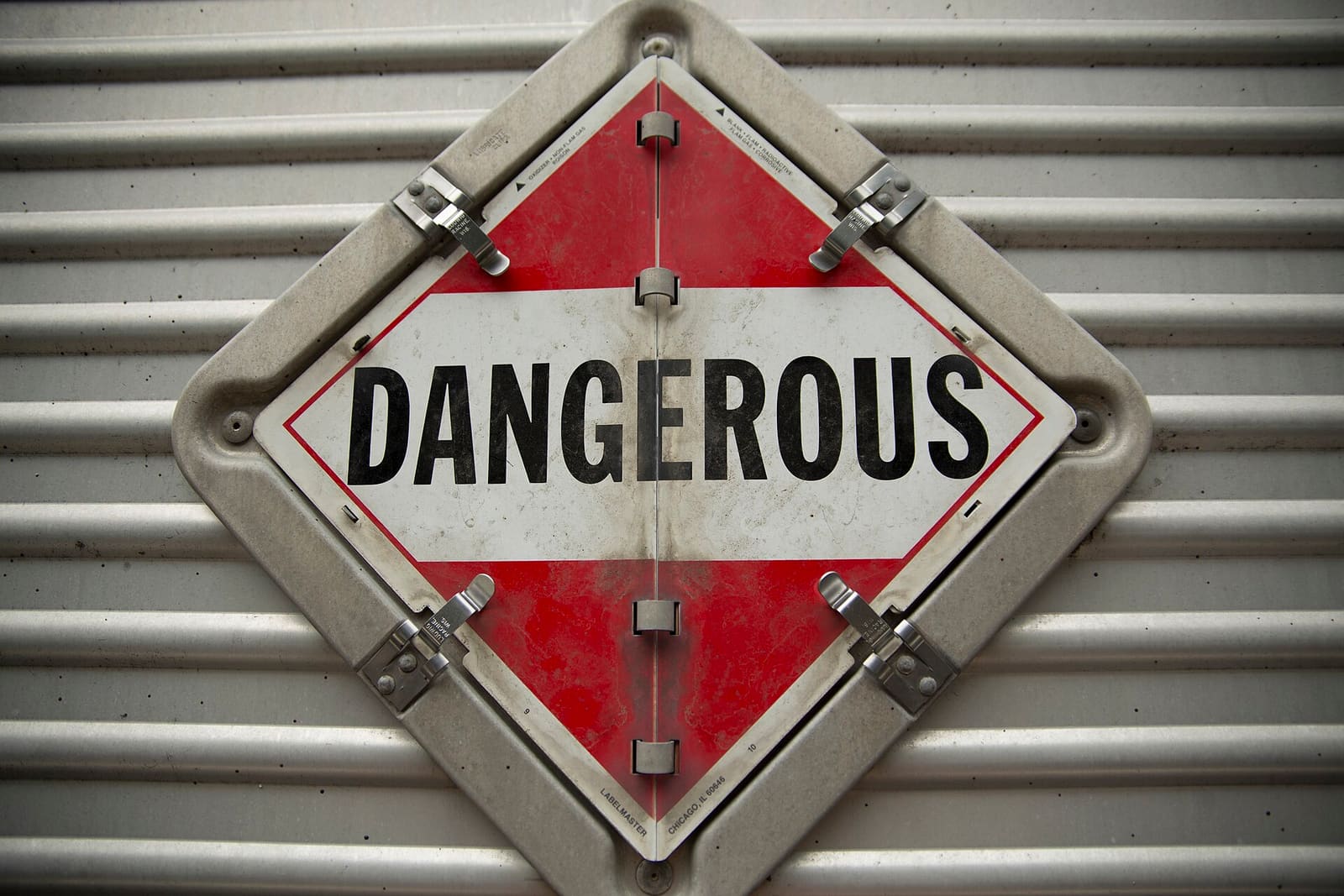
Project cargo shipments carry more risk — both financial and physical — than standard freight, which is exactly why RR Brothers manages them through a dedicated project cargo and dangerous goods team, backed by our own hazardous-goods trucking fleet and Flat Rack/Open Top container capacity, rather than treating them as a standard booking with a bigger box.
Frequently Asked Questions
Flat Racks suit machinery that can be secured with lashing points on a flat platform, while Open Top containers suit tall equipment that needs to be loaded from above by crane. Genuinely oversized loads may need breakbulk or heavy-lift arrangements instead of containerization.
Oversized cargo can't simply follow a standard container route — planning has to account for crane capacity at both origin and destination ports, road clearances for inland trucking, and whether the receiving site can actually position the equipment once it arrives.
Industrial manufacturing equipment and production lines, construction machinery and heavy vehicles, power generation and processing equipment, and large structural steel components are the most common categories.
It carries more financial and physical risk than standard freight, requiring custom crating, rigging and lashing suited to the specific dimensions and weight distribution of the equipment — which is why RR Brothers manages it through a dedicated project cargo and dangerous goods team.