Returns Get Harder the Moment a Border Is Involved
Every e-commerce seller eventually has to deal with returns, but cross-border e-commerce returns are a different order of problem entirely. A domestic return is, at worst, a reverse courier pickup and a warehouse restock. An international one can involve a second customs declaration, a currency conversion on the refund, a carrier that doesn't operate a reverse pickup network in the destination country, and a real chance that the item costs more to bring back than it's worth reselling. Sellers who expand into new markets without a returns plan often discover that international returns logistics is where their unit economics actually break, long after the outbound freight and marketing numbers looked fine.
RR Brothers and Logistics sees this from the freight-forwarding side of the business: a returned parcel doesn't just need a courier, it often needs the same customs and documentation rigor as the original outbound shipment, just running in reverse. Getting that process right is as much a part of e-commerce reverse logistics as getting outbound fulfillment right in the first place.
Why International Returns Cost More
Three factors drive up the cost of a cross-border return compared to a domestic one. First, reverse freight rates are rarely as competitive as outbound e-commerce parcel rates, because carriers price return volume differently and reverse networks are thinner in most markets. Second, a returned item re-entering its country of origin may face import duty and tax treatment that isn't automatically waived just because the goods were originally exported from there — customs authorities generally require proof that duty was paid (or a specific re-import relief claimed) before waiving charges again. Third, there's the sheer geography: a return from a customer in, say, Lagos or Nairobi back to a seller's warehouse in India or China can easily take three to six weeks door to door, during which the seller has refunded the customer but hasn't yet recovered the physical goods.
Building a Workable Cross-Border Returns Process
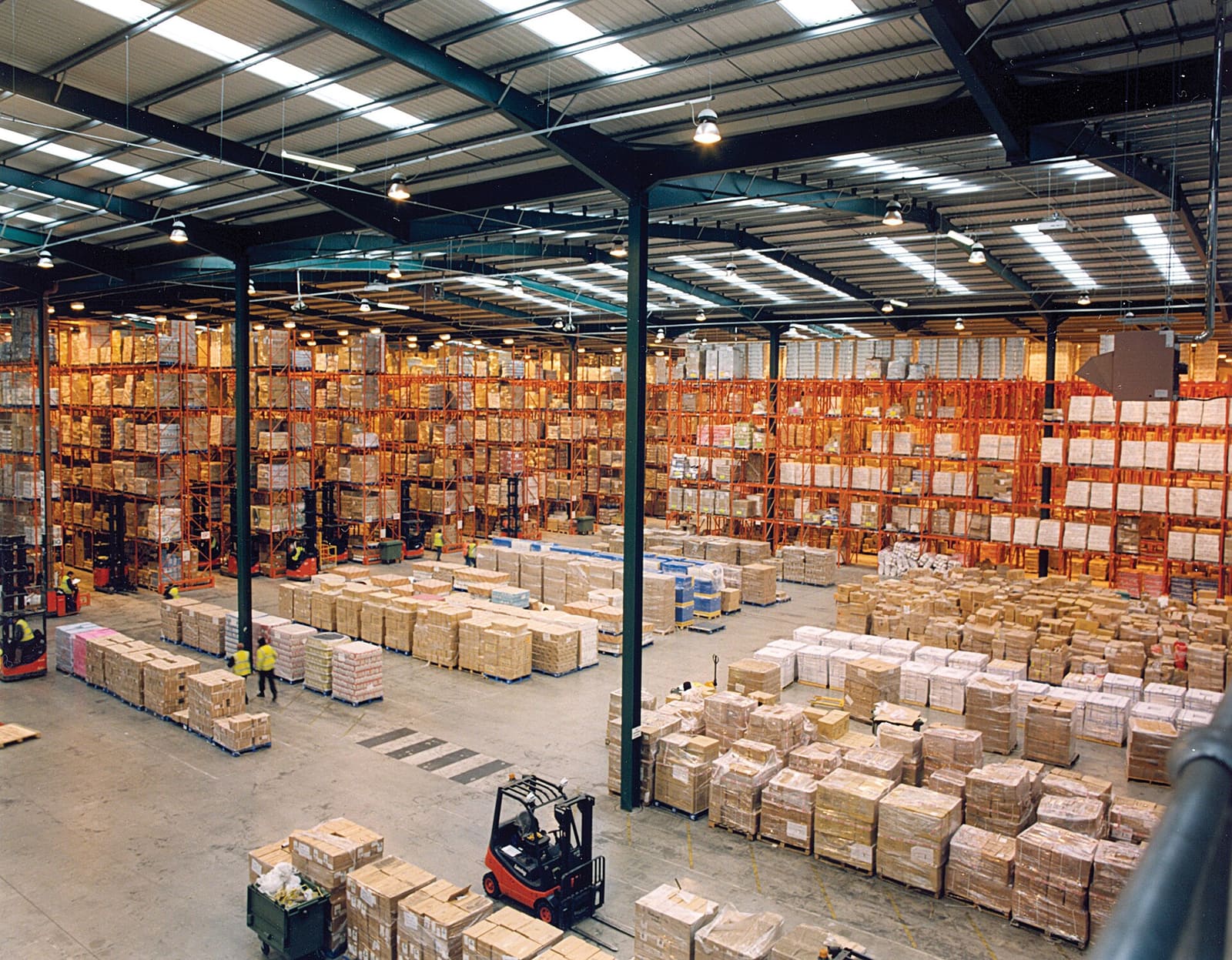
Sellers who manage this well tend to follow a similar playbook. They set a clear, published returns window and criteria before entering a new market, rather than improvising case by case. They use local or regional consolidation points — a returns hub in the destination region that collects multiple customers' returns before shipping them back in bulk — instead of paying full reverse-freight rates on every single parcel. And for lower-value goods, many simply decide in advance that some categories won't be physically returned at all; a refund is issued and the item is written off, because the freight cost of bringing it back would exceed its resale value. This is a legitimate, common strategy, not a failure of process — it just needs to be a deliberate policy rather than something the finance team discovers by accident.
| Return Strategy | Best Suited For |
|---|---|
| Full physical return & reship | High-value goods, apparel with resale value |
| Regional consolidation hub | Sellers with growing volume in one destination region |
| Refund without return (write-off) | Low-value goods where reverse freight exceeds resale value |
Customs Treatment of Returned Goods
Customs authorities generally distinguish between goods returning in the same condition they left in and goods that have been used or altered — the documentation and duty relief available differs between the two. The World Customs Organization publishes the broad international framework that most national customs regimes build their re-import rules on, though the specific relief mechanisms and paperwork vary by country, which is exactly why a freight forwarder experienced in reverse shipments matters here — getting the classification and documentation wrong on a returned parcel can mean paying duty twice on the same physical goods. Global e-commerce trade data tracked by UNCTAD continues to show cross-border online retail as one of the fastest-growing segments of world trade, which makes returns handling a growing cost line for sellers rather than a marginal one.
Returns handling connects directly to two other parts of a cross-border seller's operation. Correct outbound customs paperwork — covered in our guide to customs clearance for goods from China — makes the reverse declaration far simpler, because the original invoice values and HS codes are already on file. And the packaging and labeling standards a seller uses in the first place, discussed in our companion post on packaging and labeling requirements for cross-border e-commerce, directly affect how many items even arrive in returnable condition to begin with. For a deeper operational look at building a reverse logistics function generally, our sister post on reverse logistics solutions for managing returns is a useful next read.
Two Takeaways for Cross-Border Sellers
- Decide your returns policy by product value tier before you need it. Waiting until the first expensive international return arrives is the wrong time to work out whether it's worth bringing back.
- Keep original shipment documentation on file and organized. A clean paper trail from the outbound shipment is the single biggest time-saver when a return needs to clear customs going the other way.
RR Brothers and Logistics helps cross-border sellers manage both directions of the shipment — outbound fulfillment and the reverse logistics that comes with international sales — with customs documentation, consolidation options, and door-to-door freight across our China, India, Turkey, Kenya and Nigeria network. If returns are quietly eating into your margins, it's worth a conversation before the next peak season makes the problem bigger.
Frequently Asked Questions
Cross-border returns require customs re-entry documentation, often face duty and tax questions that don't apply domestically, and travel through thinner, more expensive reverse-freight networks. A return that would take days domestically can take weeks internationally.
Regional consolidation hubs that batch multiple customers' returns before shipping them back, clear published return policies by product value, and deliberate "refund without return" thresholds for low-value goods all reduce the effective cost per return.
Most customs regimes offer relief from duplicate duty on goods returning in their original, unused condition, but this typically requires proof the original duty was paid and correct re-import documentation — rules vary by country, so check current requirements with your forwarder.
Many sellers charge a partial return fee on cross-border orders specifically because reverse freight costs so much more than domestic — it's a reasonable, common practice as long as the policy is disclosed clearly before the customer buys.