What a Digital Twin Actually Is in a Supply Chain Context
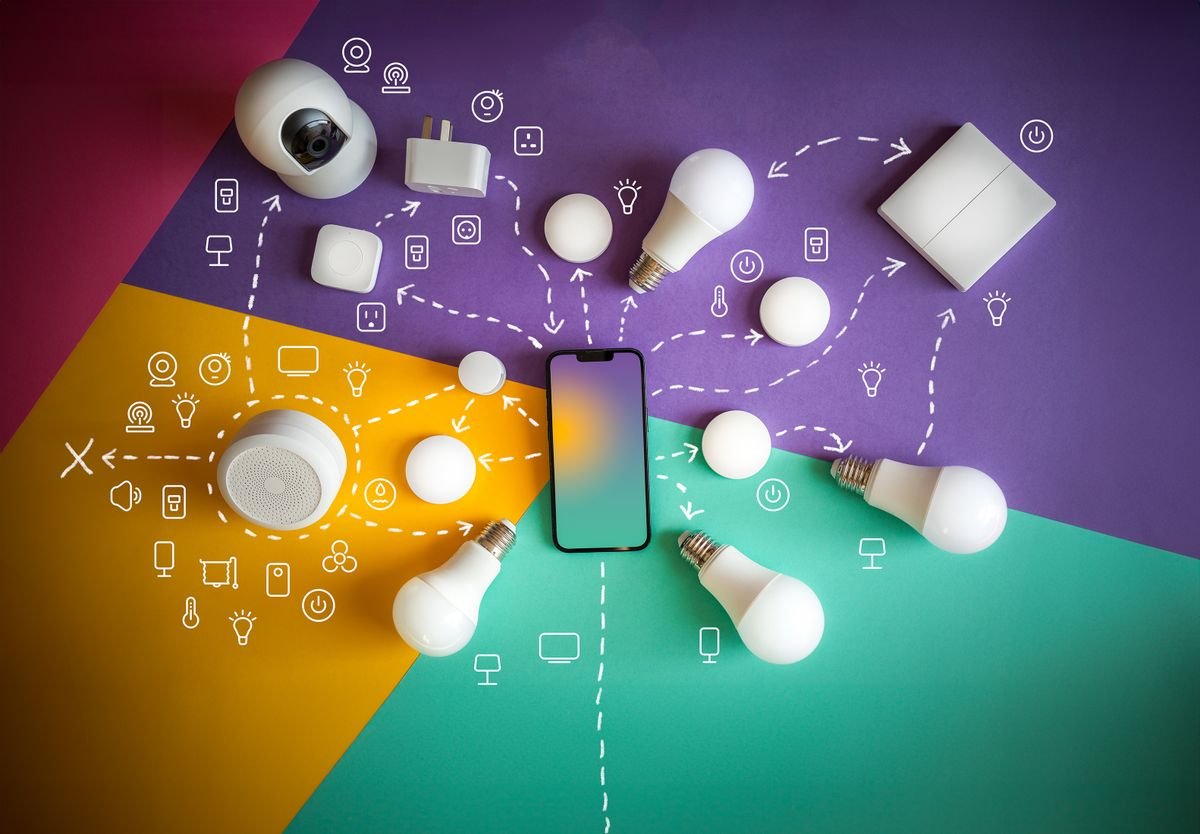
A digital twin, stripped of buzzword packaging, is a live virtual model of a physical system that stays synchronized with real-world data so that changes made in the model can be tested before they're made in reality. The concept originated in manufacturing and aerospace, where engineers built digital replicas of physical machines to run stress tests without touching the actual equipment. Applied to transportation logistics, a digital twin does the same thing at network scale: it's a continuously updated simulation of a shipper's actual supply chain — ports, warehouses, transport legs, inventory positions — fed by live data from IoT sensors, transportation management systems and warehouse management platforms, that can be used to test "what if" scenarios before committing real cargo, capital or schedule changes to them. This is meaningfully different from a static network map or a spreadsheet-based planning model, both of which represent a snapshot in time rather than a live, responsive system. RR Brothers and Logistics has been watching this supply chain technology closely as it moves from a large-enterprise curiosity toward a tool increasingly within reach of mid-size shippers, and this article walks through what it actually does, three concrete use cases we're seeing in practice, and an honest look at where the cost and maturity barrier still sits for smaller operations. It's a term that gets used loosely enough in vendor marketing that it's worth being precise about what actually qualifies: a dashboard showing where your containers currently are is valuable, but it isn't a digital twin unless it can also simulate a change — a rerouted shipment, a closed port, a shifted delivery window — and show you the downstream consequences before that change actually happens. That distinction between monitoring and simulation is the entire point of the technology, and it's the test worth applying to any product described using the term.
From Manufacturing Concept to Transportation Logistics Tool
Digital twin technology moved into supply chain and transportation logistics use over roughly the last five years, following a familiar pattern: technology developed for a narrower, high-value industrial use case — jet engines, factory production lines — gets adapted once the underlying data infrastructure, sensors, connectivity and computing power become cheap enough to apply at a larger, more distributed scale. A single warehouse or distribution center was the first logical unit to model, since it's a contained physical space with well-understood inputs and outputs. The genuinely new development for 2026 is extending that modeling beyond a single facility to an entire multimodal network spanning multiple countries, carriers and modes, which is a substantially harder modeling problem, since it requires reconciling data from sources that don't share a common format or update frequency, from a carrier's vessel-tracking feed to a customs system's clearance timestamp. Where multiple parties need to trust the same underlying data feeding a shared model, the kind of shared digital record-keeping we discuss in our piece on blockchain in logistics becomes directly relevant, since a digital twin's usefulness depends entirely on the reliability of the data feeding it.
Use Case One: Simulating Port Congestion Before It Happens
The most mature digital twin application in transportation logistics today is port and terminal congestion simulation. By feeding a digital twin with historical vessel arrival patterns, current berth schedules, yard capacity and customs processing times, a shipper or forwarder can model how a specific terminal is likely to perform over the coming weeks, including how a known event — a public holiday closure, or an unusually large vessel arrival — is likely to ripple through gate turnaround times. This doesn't prevent congestion, but it gives planners a meaningfully earlier warning than waiting for congestion to actually show up in booking confirmations and vessel delay notices. Some of the largest terminal operators globally now run internal digital twins of their own yards for exactly this purpose, and that data increasingly feeds outward into the visibility tools forwarders and shippers use for their own planning, connecting to the broader real-time tracking infrastructure we cover in our piece on IoT and real-time cargo tracking. The accuracy of these congestion simulations tends to improve significantly at ports that have operated an automated or semi-automated terminal for several years, simply because the historical data set used to train the underlying model is deeper and more consistent than at a terminal still transitioning away from manual, paper-based yard records.
Use Case Two: War-Gaming Network Disruption Before It Happens
A second concrete use is running disruption scenarios against a network model before an actual disruption forces a real-time scramble. What happens to transit times and cost across a network if a specific canal closes, if a key transshipment port faces a labor action, or if a major carrier alliance restructures its service loops? A digital twin lets a planning team test these scenarios against their actual current shipment volumes and routings rather than reasoning abstractly about them, producing a ranked list of alternative routings and associated cost and time trade-offs before the disruption is real. This is a genuinely useful capability for large shippers running high-value or time-sensitive cargo across multiple lanes simultaneously, since the cost of being caught unprepared for a disruption — as the industry has seen repeatedly with events like the Red Sea rerouting — is usually far higher than the cost of the planning exercise itself.
Use Case Three: Redesigning a Distribution Network Before Committing Capital
The third major use case is network redesign — testing whether relocating a distribution center, adding a new regional hub, or shifting volume between two ports would actually improve cost and service levels before signing a lease or a long-term carrier contract. Because a digital twin can simulate the proposed change against realistic demand patterns and constraints rather than a simplified planning model, it substantially reduces the risk of a network redesign decision that looks good on a spreadsheet but performs poorly against real-world variability once implemented. This is particularly relevant for businesses considering the kind of multi-origin sourcing diversification increasingly common across the markets we serve — testing a parallel sourcing lane through a second country before fully committing capital to it is exactly the kind of decision a network-level digital twin is built to support, provided the underlying data about the new lane is good enough to model accurately in the first place.
The Maturity and Cost Barrier for Mid-Size Shippers
None of this comes cheap or easy yet, and it would be dishonest to present digital twin technology as broadly accessible to a mid-size shipper today. Building a network-level digital twin requires substantial data integration work across systems that often weren't designed to talk to each other, ongoing investment in the sensors and connectivity that feed it with live data, and specialized modeling expertise that most mid-size logistics teams don't have in-house. The businesses running the most sophisticated digital twins today tend to be large enterprise shippers and major carriers with the budget and technical staff to build and maintain them internally. For smaller and mid-size shippers, the more realistic near-term path is accessing digital-twin-style insights indirectly — through a forwarder or platform that has already built the underlying model and offers simulation-informed recommendations as a service, rather than building the infrastructure themselves. This mirrors a similar maturity curve to predictive analytics for freight pricing, covered in our piece on freight rate forecasting, where the underlying modeling is complex but the practical benefit can still reach smaller shippers through an intermediary rather than requiring them to build it themselves. There is also a simpler, more immediate step many mid-size shippers skip past: before investing in any simulation layer, it's worth auditing whether your own shipment, inventory and booking data is even clean and consistent enough to feed a model reliably, since a digital twin built on inconsistent source data will produce confident-looking simulations that are quietly wrong — arguably a worse outcome than having no simulation at all, because it's harder to notice the error until a real decision goes wrong.
Digital Twin Simulation vs Traditional Network Planning
| Dimension | Traditional Planning | Digital Twin Simulation |
|---|---|---|
| Data freshness | Periodic snapshot, often weeks old | Continuously updated from live feeds |
| Disruption testing | Manual, scenario-by-scenario | Scenarios modeled against real current data |
| Typical user today | Any size shipper | Mainly large enterprise shippers and carriers |
| Investment required | Low — spreadsheets, static tools | High — integration, sensors, modeling expertise |
How RR Brothers and Logistics Can Help
RR Brothers and Logistics doesn't operate a proprietary network-level digital twin today, and we'd rather say that plainly than overstate our technology stack. What we do offer is the practical version of the same value: real-time shipment visibility across our China, India, Turkey, Kenya, Nigeria and Russia network, experienced staff who have effectively "war-gamed" major disruptions like the Red Sea rerouting in real time for actual clients, and a track record of helping shippers evaluate multi-origin sourcing decisions with real routing and cost data rather than guesswork. For a business considering whether a formal digital twin investment makes sense for its own transportation logistics network, or simply wanting a clearer live picture of shipments in transit today, our team can help you understand what data you'd need, what a realistic timeline looks like, and how to get most of the practical benefit today without necessarily building the full infrastructure yourself.
Frequently Asked Questions
It's a continuously updated virtual model of a physical supply chain — ports, warehouses, transport legs, inventory — fed by live sensor and system data, used to test "what if" scenarios before making a real-world change to routing, network design or capacity.
The most sophisticated network-level digital twins today are mainly built and used by large enterprise shippers and carriers, but mid-size shippers can often access similar insights indirectly through a forwarder or platform that has already built the underlying model, rather than building the infrastructure themselves.
A traditional planning tool represents a snapshot in time and requires scenarios to be modeled manually one at a time, while a digital twin stays continuously synchronized with live data and can test multiple disruption or redesign scenarios against a shipper's actual current shipment volumes and routings.
It needs reliable, reasonably current data from across the network being modeled — vessel tracking, customs clearance timestamps, warehouse inventory, transportation management system records — and its usefulness is directly limited by how good and how current that underlying data actually is.