Why Last-Mile Delivery Is Where EV Adoption Is Happening First
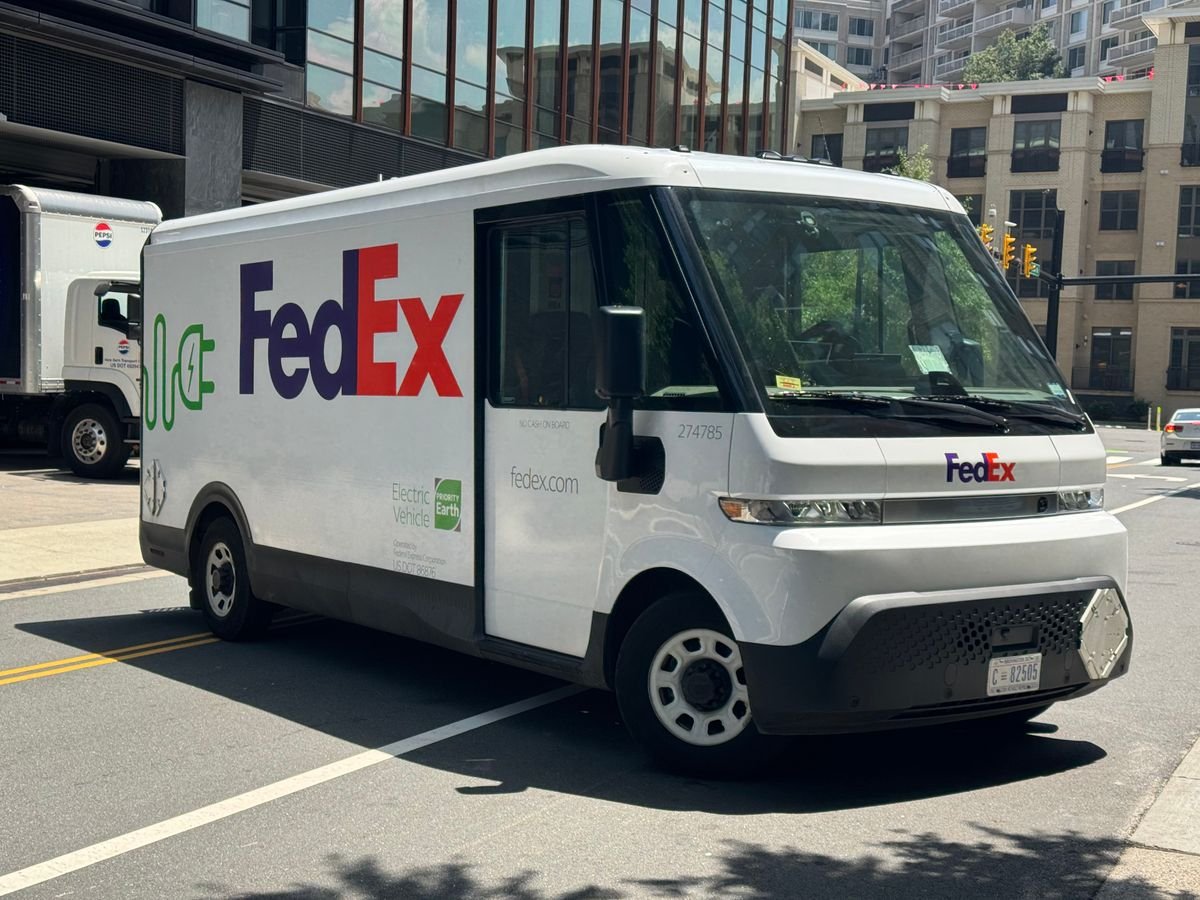
Of all the segments in India's freight network, last-mile delivery is where electric trucks and vans have gained the most real-world traction, and for good reason. Last-mile routes are short, predictable and repetitive — a delivery vehicle typically returns to the same depot each night, covers a defined urban radius, and rarely needs the kind of long, continuous range that makes electrification harder for line-haul trucking. That combination of short daily distances and predictable overnight charging windows is exactly the profile electric commercial vehicles handle best today. RR Brothers and Logistics tracks this shift closely because it directly affects the last leg of nearly every shipment we deliver door-to-door within India, alongside the broader last-mile strategies covered in our companion piece on last-mile logistics solutions explained.
How Widely Are Electric Trucks Actually Used in India Today?
It's important to be realistic here rather than overstate the pace of change. Electric two- and three-wheelers dominate India's e-mobility numbers by a wide margin, and they've become a familiar sight for parcel and food delivery in Indian cities. Electric light commercial vehicles and small delivery trucks are a newer and smaller category, adopted first by e-commerce players, quick-commerce operators and a handful of larger logistics companies running dedicated urban delivery fleets, often in metro markets like Delhi NCR, Bengaluru and Mumbai where charging infrastructure and dealer support are most developed. Heavier electric trucks used for longer regional haul remain a much smaller and more experimental category, limited mainly by battery weight, range, and the charging infrastructure gap outside major cities. In short: EV logistics India is a real and growing trend concentrated heavily in the last mile, not yet a mainstream shift across the whole freight fleet.
The Infrastructure Challenges Still Limiting Adoption
Three constraints come up consistently when logistics operators evaluate electric trucks for freight use in India. First, charging infrastructure remains concentrated in major metros and along a handful of highway corridors, meaning fleets operating in tier-2 and tier-3 cities or covering longer regional routes often can't rely on public charging the way they could rely on fuel stations. Second, upfront vehicle cost is still meaningfully higher than a comparable diesel truck, even after accounting for available incentives, which makes total cost of ownership calculations sensitive to how intensively a vehicle is actually used. Third, payload trade-offs matter for commercial operators — battery weight can reduce usable cargo capacity relative to a diesel equivalent of the same gross vehicle weight, which affects the economics for operators running weight-sensitive freight. None of these are permanent barriers, but they explain why adoption has concentrated in short, high-utilisation urban routes rather than spreading evenly across the freight network.
Electric vs Diesel: Realistic Cost and Operating Comparison
| Factor | Electric Truck/Van | Diesel Equivalent |
|---|---|---|
| Upfront purchase cost | Higher | Lower |
| Per-km running cost | Generally lower | Higher, fuel-price dependent |
| Best-suited route type | Short, urban, predictable | Any route, incl. long-haul |
| Refuel/recharge time | Hours (overnight typical) | Minutes |
What Cost Savings Can Businesses Realistically Expect?
Businesses evaluating electric last-mile delivery should think in terms of total cost of ownership over the vehicle's operating life rather than sticker price alone. Lower per-kilometre energy cost compared with diesel, combined with generally lower maintenance requirements — electric drivetrains have fewer moving parts than an internal combustion engine — can offset a higher upfront purchase price over several years of intensive urban use, particularly for high-mileage routes like same-day or next-day parcel delivery. The economics are far less favourable for vehicles used lightly or intermittently, since the higher purchase price is spread over fewer kilometres. Any government incentives available under India's electric vehicle promotion schemes can also meaningfully change the payback period, though these vary by state and vehicle category and should be confirmed directly rather than assumed to apply uniformly.
The Policy and Infrastructure Backdrop
India's push toward electric mobility sits within a broader policy effort coordinated at the national level, including through bodies like NITI Aayog, which has been a central voice in shaping India's e-mobility transition strategy and charging infrastructure planning. That effort also connects to the country's wider logistics infrastructure push: expanded and better-coordinated road networks under PM Gati Shakti support the kind of predictable, well-maintained corridors that make both charging infrastructure rollout and reliable delivery routing easier to plan. Neither initiative is an EV-specific program, but both shape the environment electric freight vehicles operate in as India's logistics network continues to modernise. Fleet operators running mixed diesel-and-electric last-mile fleets — a common near-term approach — also benefit from the kind of live vehicle and cargo visibility discussed in our article on IoT and real-time cargo tracking, since matching the right vehicle type to the right route depends on accurate route and load data.
Where RR Brothers and Logistics Sees This Heading
For a freight forwarder managing door-to-door delivery within India, the practical takeaway is that electric last-mile fleets are becoming a genuine option on defined urban routes today, without yet being a wholesale replacement for diesel across the broader network. We work with last-mile and road freight partners who are gradually introducing electric vehicles into their urban fleets — see our road freight services for how this fits into a client's overall delivery plan — while maintaining diesel capacity where range, terrain or charging access still make more sense. That mixed approach reflects where the technology and infrastructure actually stand today, not where marketing materials suggest they'll be in a few years.
Two Practical Takeaways for Shippers
- Ask whether your delivery routes suit electric vehicles before assuming they don't. Short, high-frequency urban routes are often a better electric-vehicle fit than businesses initially assume.
- Factor in total cost of ownership, not just purchase price. Electric last-mile vehicles tend to make the most financial sense on high-mileage routes where lower running costs have time to offset the higher upfront price.
RR Brothers and Logistics coordinates last-mile delivery across India as part of our door-to-door service from China, Turkey, Kenya and Nigeria, working with partners who are steadily introducing electric vehicles where the route economics genuinely support it. As charging infrastructure and vehicle range continue to improve, we expect electric trucks to take up a growing share of India's last-mile network — and we'll keep recommending the option that actually gets a client's cargo delivered reliably, whether that's electric or diesel for a given route today.
Frequently Asked Questions
Adoption is concentrated in last-mile delivery in major metros, led by e-commerce and quick-commerce fleets. Electric two- and three-wheelers are far more widespread than electric trucks, and heavier regional-haul electric trucks remain a small, early-stage category.
Charging infrastructure is still concentrated in major cities and a few highway corridors, upfront vehicle costs remain higher than diesel equivalents, and battery weight can reduce usable payload capacity compared with a similarly rated diesel truck.
Savings mainly come from lower per-kilometre energy cost and reduced maintenance versus diesel, which tend to offset the higher purchase price fastest on high-mileage, high-frequency urban routes. Lightly used vehicles see a much longer payback period.
Not yet, in most cases. Battery range, charging infrastructure gaps outside major cities, and payload trade-offs currently make electric trucks best suited to short, predictable urban routes rather than long-distance regional or interstate haulage.