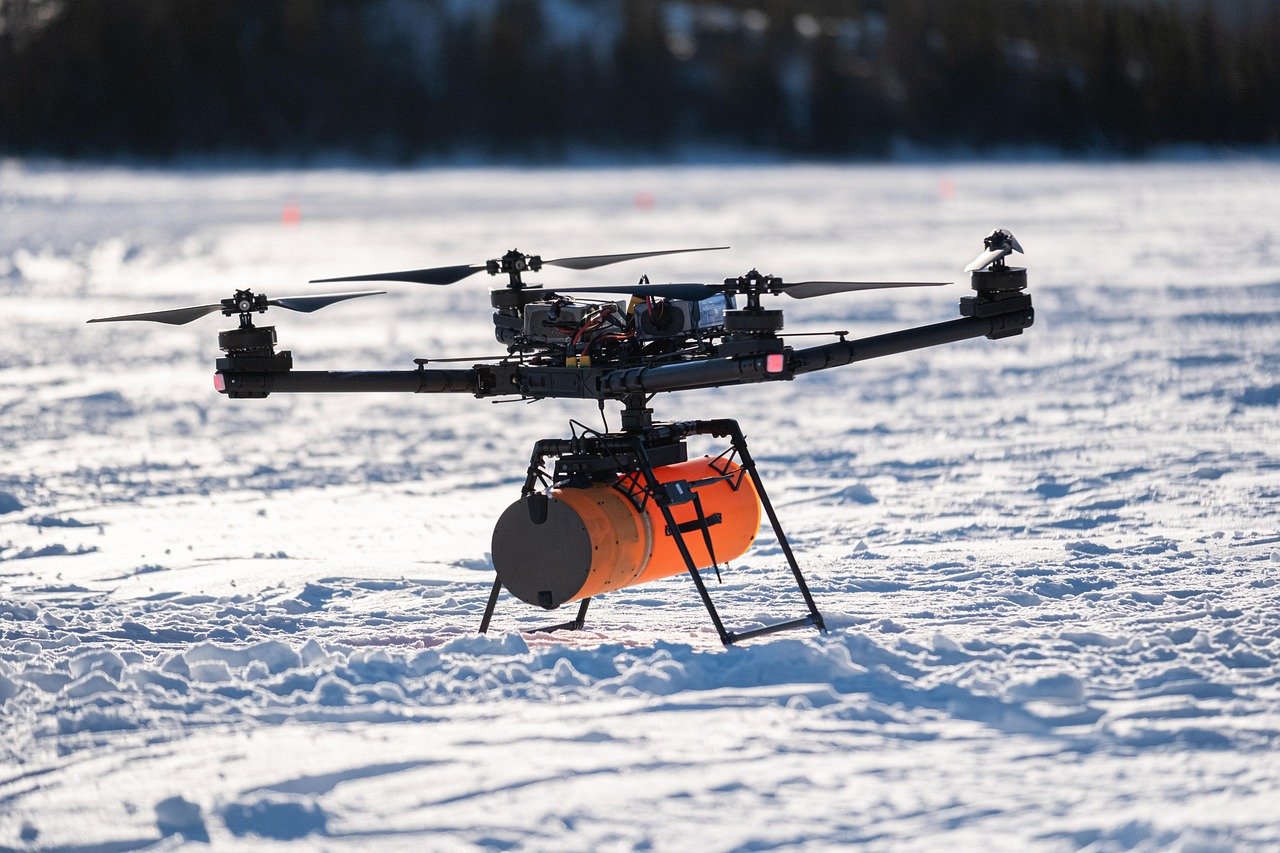
Drone delivery has already established itself as a real, if narrow, part of last-mile transportation logistics — small quadcopters carrying single parcels short distances. eVTOL cargo aircraft are a different, larger category entirely: electric vertical-takeoff-and-landing aircraft designed to move bulk or palletized freight between fixed points, closer in concept to a short-haul cargo plane than a delivery drone. The technology and infrastructure required are also at an earlier stage, and it's worth being clear-eyed about exactly how early.
How eVTOL Cargo Differs From Parcel Delivery Drones
Our companion post on drone delivery and last-mile logistics covers small parcel-carrying quadcopters flying door-to-door for individual deliveries. eVTOL cargo aircraft operate differently: larger airframes capable of carrying significantly more payload, flying fixed routes between dedicated takeoff and landing infrastructure rather than to an individual address, and generally requiring a licensed or remotely supervised pilot rather than being fully autonomous. The use case is closer to replacing a short-haul truck or feeder-aircraft route than replacing a courier's final mile.
What a Vertiport Actually Is
A vertiport is purpose-built takeoff and landing infrastructure for eVTOL aircraft — a pad or small facility with charging infrastructure, positioned near urban freight hubs, distribution centers, or airports, distinct from a full runway. For cargo applications specifically, vertiports would need to integrate with existing freight handling — loading docks, cargo staging areas, and connections into onward ground transportation — making them more of a freight node than a standalone aviation facility.
Where This Technology Actually Stands in 2026
- Certification is still in progress — aviation authorities including the FAA and EASA are working through new "powered-lift" aircraft categories specifically because eVTOL designs don't fit cleanly into existing fixed-wing or helicopter certification frameworks.
- Most current activity is passenger-focused — the eVTOL industry's most visible programs and investment have centered on urban air taxi concepts rather than cargo, with cargo applications generally following as a secondary use case.
- Cargo pilots exist but remain limited — a handful of operators have run demonstration or limited cargo flights, but nothing resembling scaled commercial cargo service is operating today.
- Infrastructure is the long pole — even once aircraft are certified, building out a functional vertiport network with the charging, airspace integration and ground-handling capability cargo operations require will take years, not months.
Where eVTOL Cargo Could Realistically Make Sense First
The clearest near-term use cases are ones where speed genuinely justifies a cost premium and ground routing is unusually difficult — urgent medical and pharmaceutical shipments, time-critical spare parts for manufacturing lines, or short hops across geographic barriers like water crossings or severe urban congestion where ground transport is disproportionately slow. Broad-based urban freight replacement is a much later-stage proposition, dependent on cost coming down substantially as the technology matures.
How This Connects to Existing Air Cargo Networks
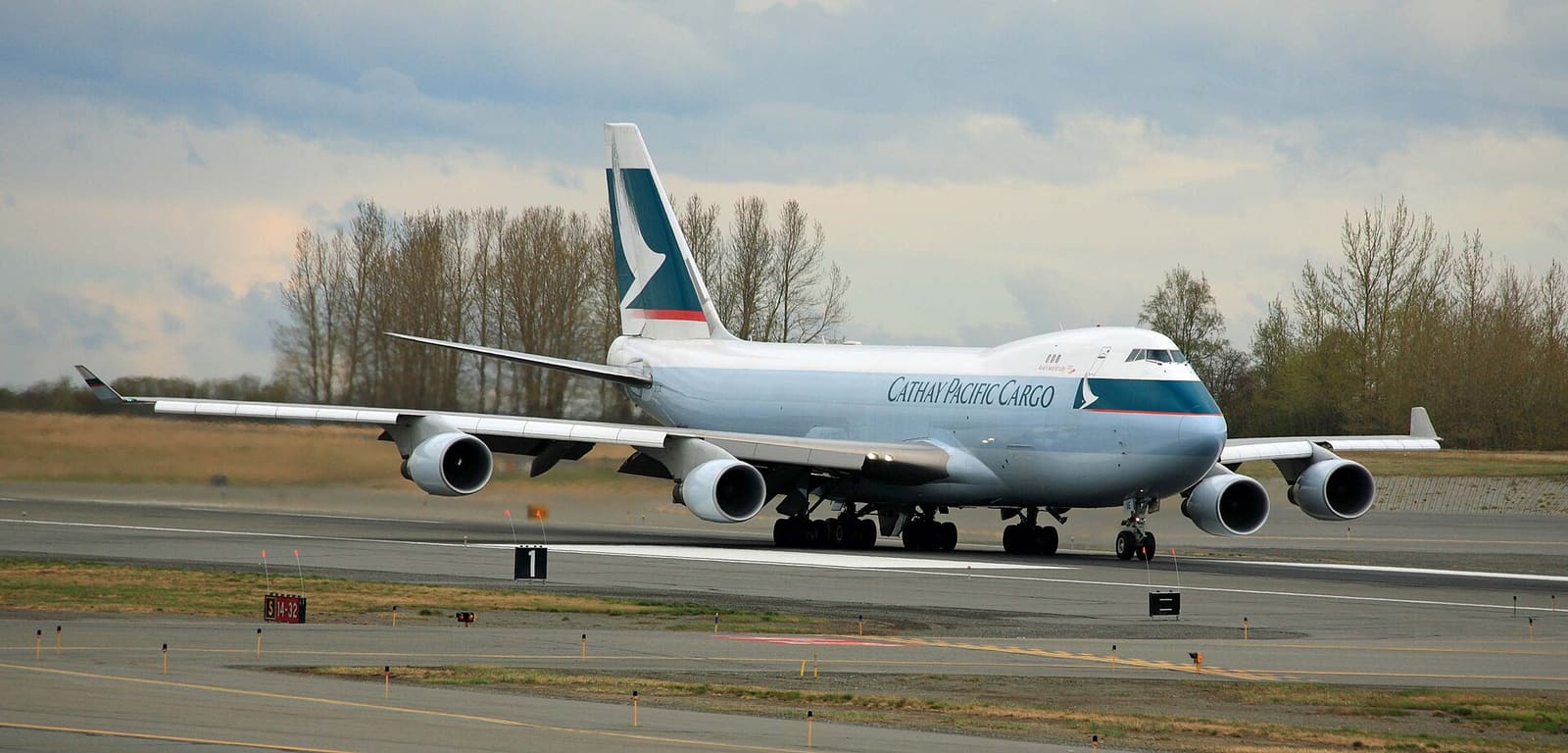
Realistically, eVTOL cargo aircraft are more likely to emerge as a feeder layer connecting to existing air cargo infrastructure — moving freight the last stretch between a major airport and an urban distribution point — rather than a wholesale replacement for conventional air freight networks. That positions it as a complement to, not competitor of, the hub-and-spoke air cargo model most international freight already relies on.
How RR Brothers and Logistics Can Help
eVTOL cargo remains an emerging technology we're tracking rather than one currently available for commercial bookings, but the fundamentals of moving time-sensitive freight quickly — whether by conventional air freight, expedited road transport, or eventually next-generation aviation — are exactly what RR Brothers and Logistics coordinates for clients today. As this technology matures toward commercial viability, we'll evaluate it the same way we evaluate any new mode: on reliability, cost, and whether it genuinely solves a routing problem our clients actually have.
Frequently Asked Questions
An eVTOL (electric vertical takeoff and landing) cargo drone is a larger, fixed-route aircraft designed to carry freight between dedicated vertiport pads, distinct from the small quadcopters used for last-mile parcel delivery — closer in concept to a short-haul cargo aircraft than a delivery drone.
Parcel delivery drones are small, carry a single package, and fly point-to-point to a customer's location. eVTOL cargo aircraft are larger, carry bulk or palletized freight, and operate on fixed routes between purpose-built vertiports rather than door-to-door.
It remains an early-stage technology. Certification programs are progressing through aviation authorities, but widespread commercial cargo service is not yet operating at scale — most activity is still in testing, certification, and limited pilot programs.
Vertiports — dedicated takeoff and landing pads with charging infrastructure, positioned near urban freight hubs or distribution centers — plus airspace management systems capable of coordinating low-altitude autonomous or piloted flights safely alongside existing air traffic.