EXW vs FOB vs CIF is the comparison importers meet first, because suppliers in China quote in these terms before anyone has explained them. The three terms divide the same jobs differently: who loads the goods, who clears them for export, who pays for the main carriage, who insures them and the moment at which the risk of loss passes to you. The wrong choice can leave you responsible for a step you cannot perform from India. This guide explains each term using the International Chamber of Commerce's own material, compares them in a table and in a like-for-like cost example, and shows why the ICC points containerised cargo towards other terms.
For a sourcing-focused introduction, see our guide to Incoterms for China sourcing. For how the term affects the invoice, see what a commercial invoice is.
What the Rules Are
The ICC describes the Incoterms rules as a set of eleven three-letter trade terms reflecting business-to-business practice in contracts for the sale and purchase of goods. The latest edition is Incoterms 2020. According to an ICC Academy article, each rule clarifies which costs the seller and buyer must cover, who arranges transport, who provides insurance (in CIP and CIF), who handles export and import formalities and who manages packaging, labelling and certification. They are standard contract terms, so they work only when your contract names the rule, the place and the edition, as in FOB Shanghai, Incoterms 2020.
EXW: Ex Works
In an ICC Academy comparison of EXW and FCA, EXW means that the seller delivers the goods, typically at its own premises, by making them available to the buyer ready for loading onto the collecting vehicle that the buyer arranges. Loading is at the buyer's expense and risk. EXW applies to any mode of transport, and the buyer arranges the transport contract. The buyer also has to handle the export clearance, which the article says can be difficult and lead to complications, for example a seller may be considered the exporter of record if the buyer is not established in the seller's country. A second ICC Academy article, on EXW and DDP, adds that the buyer must handle export and import clearance and organise transport to the destination, and that EXW is suited to domestic trade, as a recommendation and not a rule. ICC encourages parties to consider FCA where goods cross a border.
FOB: Free on Board
The ICC Academy article on FOB and FAS says FOB means the seller delivers the goods loaded on board the vessel nominated by the buyer at the port of shipment. The risk of loss or damage transfers to the buyer at that point. The seller moves the goods to the port, loads them and completes the export formalities. The buyer designates the carrier, makes the transport contract, pays the freight and handles the import formalities. FOB applies only to sea and inland waterway transport, and the buyer must tell the seller the vessel and the loading point in time, or the risk and extra costs can pass to the buyer early.
CIF: Cost, Insurance and Freight
In the ICC Academy article on CFR and CIF, the seller under CIF arranges and pays for the carriage to the port of destination and must also contract insurance for the buyer's benefit from the port of shipment to the port of destination. The seller can, subject to the contract, choose limited cover under Institute Cargo Clauses (C) or a similar clause instead of the wider cover under Clauses (A). The buyer can claim directly from the insurer. The risk passes to the buyer once the goods are on board at the port of shipment, so the seller does not promise that the goods arrive intact. The buyer clears the goods for import and pays the duties and taxes. CIF also applies only to sea and inland waterway transport.
The Three Side by Side
| EXW | FOB | CIF | |
|---|---|---|---|
| Seller delivers | At its premises, ready for loading on the buyer's vehicle | On board the vessel the buyer nominates | On board at the port of shipment |
| Export clearance | Buyer | Seller | Seller |
| Main carriage | Buyer arranges | Buyer arranges and pays | Seller arranges and pays to the port of destination |
| Insurance | No seller duty | No seller duty | Seller must contract it, minimum cover allowed |
| Risk passes | When the goods are made available for loading | When loaded on board | When loaded on board |
| Import clearance and duty | Buyer | Buyer | Buyer |
| Modes | Any | Sea and inland waterway | Sea and inland waterway |
A Like-for-Like Cost Example
The prices below are made up. Three suppliers quote for the same goods under different terms, and the comparison adds the costs each term leaves to the buyer, so that every line ends at the same point: the goods at the destination port, insured.
| Cost | EXW quote | FOB quote | CIF quote |
|---|---|---|---|
| Quoted price | 9,00,000 | 9,60,000 | 10,50,000 |
| Pickup, export clearance and origin handling | 25,000 | included | included |
| Main freight | 70,000 | 70,000 | included |
| Insurance | 7,000 | 7,000 | included (minimum cover) |
| Top-up for wider cover | none | none | 3,000 |
| Total at destination port (rupees) | 10,02,000 | 10,37,000 | 10,53,000 |
In this made-up example the EXW route is cheapest on paper and takes the most work, while the CIF route is the simplest and costs the most. The difference is who does the work and who carries the risk. Under CIF you also have less say over the carrier and the schedule, because the seller chooses and pays them. Under Indian customs law the term does not change the basis of the value: Section 14 of the Customs Act, 1962 brings in freight and insurance to the extent the rules provide, so an FOB invoice and a CIF invoice lead to the same kind of assessable value once the additions are made. Our guide to landed cost shows the sequence.
What the ICC Says About Containers
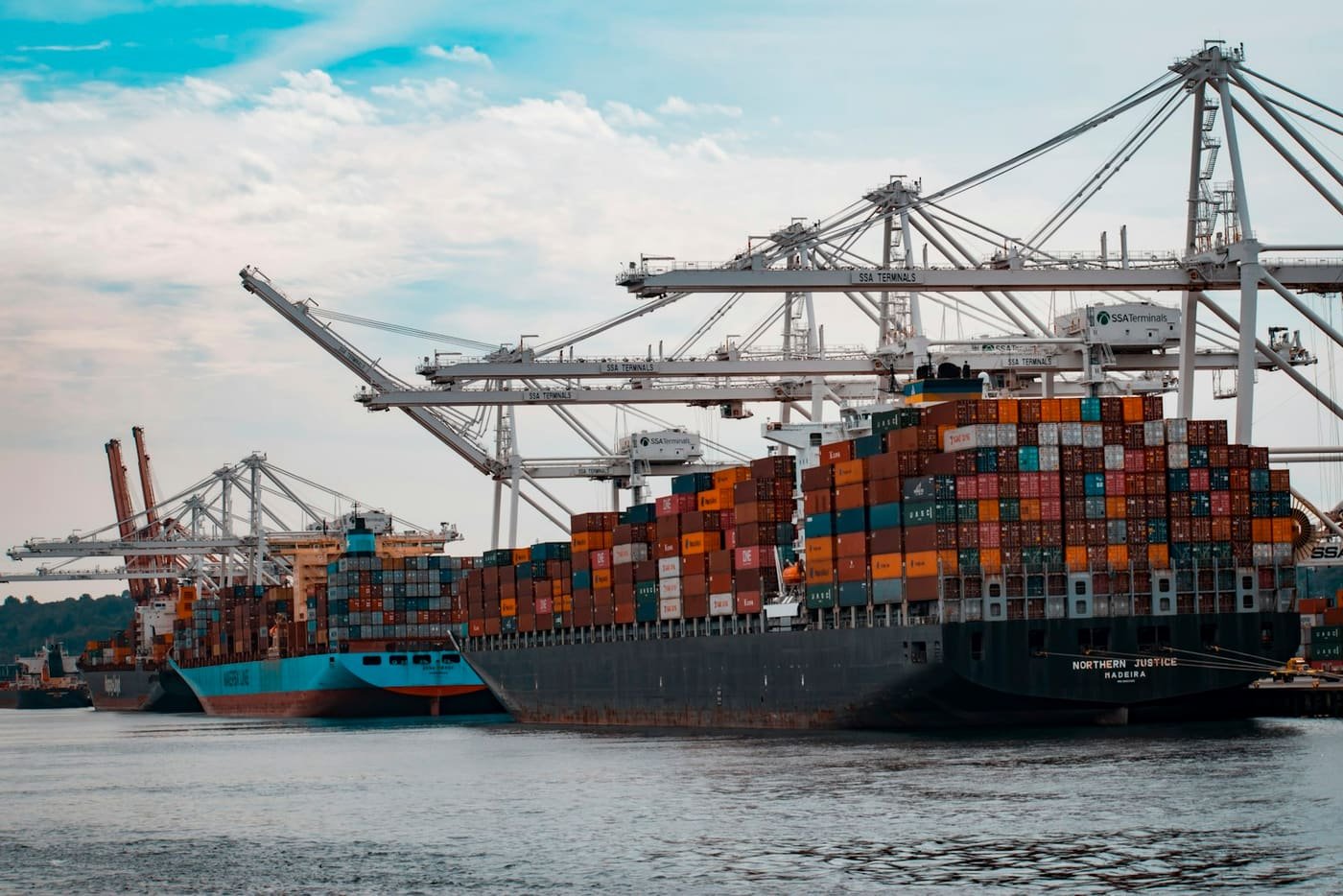
Two statements from the ICC Academy articles matter for cargo that moves in containers. The FOB and FAS article says that when goods are containerised, the seller typically delivers them to the container terminal and not on board the vessel, that containers may stay at the terminal for days before loading, and that FCA is then the more appropriate rule. The CFR and CIF article says CIF is suitable where the seller has direct access to the vessel for loading, such as bulk or non-containerised goods or raw materials.
FCA, as the EXW and FCA article describes it, has the seller deliver the goods and transfer the risk at an agreed place, either by loading them onto the buyer's vehicle at the seller's premises or by handing them to the carrier at another place, such as a port container terminal, with the seller completing the export formalities. So for containers, ask your supplier and your forwarder whether FCA would fit better than FOB or CIF. The right answer depends on your contract.
Export Clearance in China
Under EXW the buyer must see that someone clears the goods for export. China's Decree No. 103 says the consignor of export goods may declare to customs itself or entrust an agent declaration enterprise, and that the declaration is made after the goods arrive at the customs control area and 24 hours before loading. The decree dates from 2003, so confirm current practice with your forwarder. If you buy EXW, name your China-side agent in advance, and if you buy FOB or CIF, confirm that the supplier will file.
Which Should an Importer Understand?
Understand all three, because you will be quoted all three, and keep these rules of thumb:
- EXW only when you have a capable agent in China who will collect the goods and clear them for export.
- FOB when the supplier loads goods on board directly and you want to choose the carrier. For containers, ask about FCA.
- CIF when you want the seller to handle the main carriage and you accept less control, and remember that the insurance is minimum cover unless the contract says otherwise.
Common Incoterm Mistakes
- Naming a term without the place and the edition.
- Comparing quotes under different terms without adding the missing costs.
- Buying EXW without anyone to clear the goods for export.
- Assuming CIF insurance covers everything.
- Forgetting that the buyer clears the goods for import under all three terms.
Choose the Term With RR Brothers and Logistics
RR Brothers and Logistics can price your cargo under different terms and explain who handles each step, for sea freight and with customs clearance in India. Send us the supplier's quotation and we will help you compare it like for like.
Frequently Asked Questions
Under EXW the seller makes the goods available at its premises and the buyer arranges everything else. Under FOB the seller loads the goods on the buyer's vessel and clears them for export. Under CIF the seller also pays the freight and contracts insurance to the port of destination.
Under both, at the port of shipment once the goods are on board the vessel. Under CIF the seller does not promise that the goods arrive intact.
The buyer. ICC says the buyer must handle the export clearance, which can be difficult for a foreign buyer and is why ICC encourages parties to consider FCA for cross-border sales.
ICC Academy says that for containerised goods the seller typically delivers to the terminal and not on board, so FCA is the more appropriate rule. Ask your supplier and forwarder which term fits.
The seller must contract insurance for the buyer, but can choose limited cover under Institute Cargo Clauses (C) or similar, subject to the contract, rather than the wider Clauses (A).
The buyer. Under EXW, FOB and CIF the buyer handles import clearance and pays the duties and taxes.
Sources
- ICC: Incoterms rules
- ICC Academy: FOB and FAS, Incoterms 2020 explained
- ICC Academy: FCA and EXW, Incoterms 2020 explained
- ICC Academy: EXW and DDP, Incoterms 2020 explained
- ICC Academy: CFR and CIF, Incoterms 2020 explained
- CBIC: Customs Act, 1962 (Section 14)
- General Administration of Customs of China: Decree No. 103 (declaration provisions)
This article is general information, not legal, tax or customs advice. Rules, rates and procedures change; confirm current requirements with the relevant authority or a licensed customs professional before you ship. Regulatory references were checked against the official sources listed above on 26 October 2026.
Image credits: header photo by Lucas van Oort on Unsplash; photo by Andy Li on Unsplash. Used under the Unsplash License.
Request a Quote