Importing From China Looks Simple Until You Try It Direct
Sourcing product from a Chinese factory is easier than ever — but moving that product from a supplier's dock to your own warehouse involves booking ocean or air freight, arranging customs clearance at both ends, producing accurate trade documentation, and managing whatever goes wrong along the way. For a small or mid-size business without an in-house logistics team, doing this directly with carriers is usually harder and more expensive than it first appears.
This is not simply an issue for first-time importers — even businesses that have run a few shipments often find that direct booking works fine until volumes grow, delays occur, or a customs issue arises that needs more expertise than a one-off relationship with a carrier can offer. Trade bodies such as UNCTAD have highlighted how smaller businesses face disproportionately higher logistics costs and complexity than large shippers, which is exactly the gap a freight forwarder is built to close.
What a Freight Forwarder Actually Does
A freight forwarder does not move cargo itself so much as arrange and manage its movement — booking space with ocean or air carriers, consolidating cargo, coordinating customs clearance, and taking responsibility for the shipment as a single, tracked process from origin to destination. For an SME, this converts a multi-vendor problem into a single relationship.
Consolidation: Buying Power an SME Can't Get Alone
Carriers price freight based on volume, and a single SME rarely ships enough on its own to access the best rates or guaranteed space during busy periods. Forwarders consolidate cargo from many smaller shippers into full container or full aircraft loads, passing on rates and space access that would otherwise be reserved for much larger shippers. This is the same principle behind LCL container sharing for smaller ocean shipments — bundling volume to reach rates and space an individual shipper couldn't access alone.
One Point of Contact Across a Multi-Leg Journey
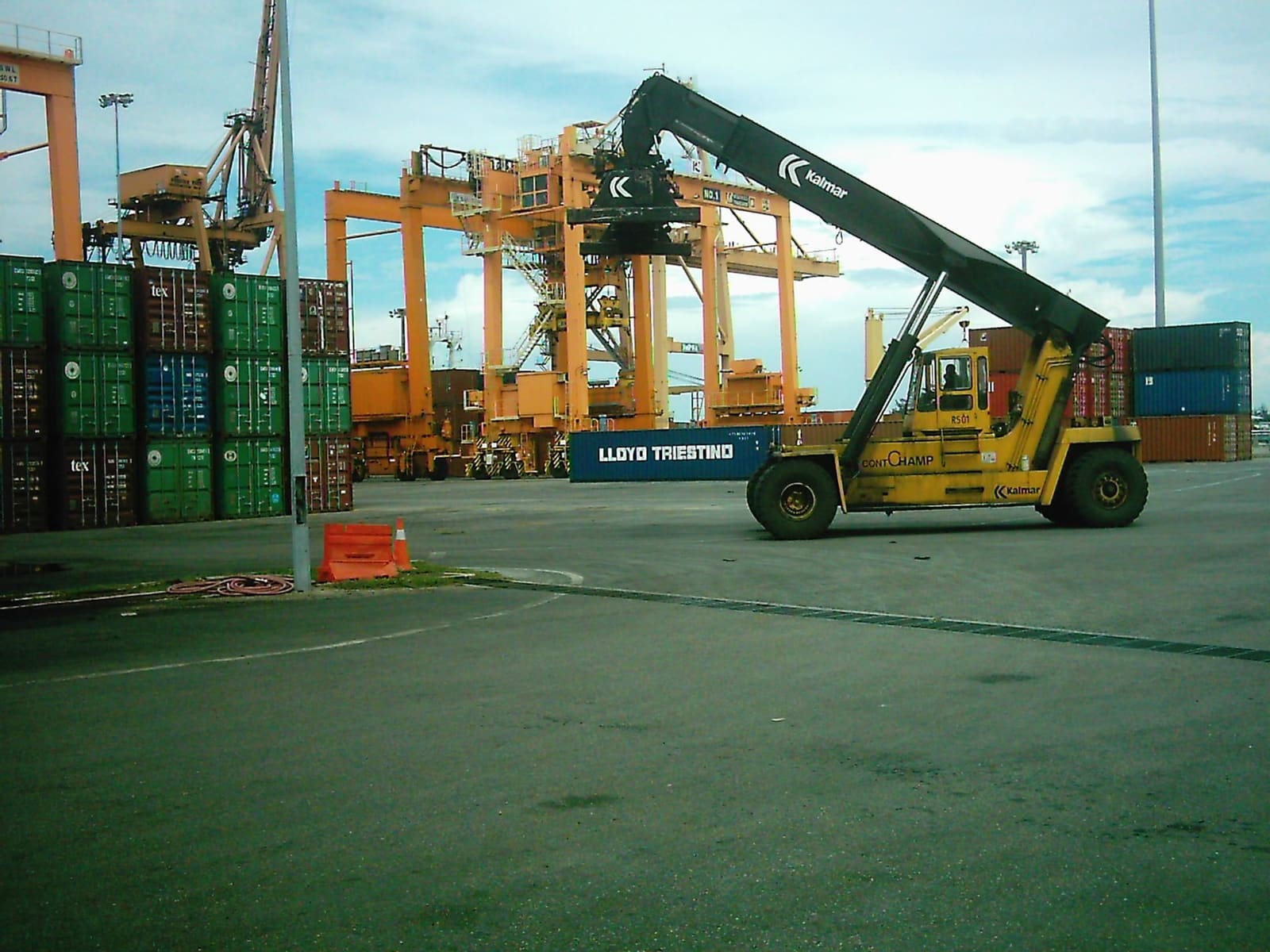
A shipment from a Chinese factory to a destination warehouse typically crosses several handoffs: inland trucking to the port, export customs, ocean or air transit, import customs, and final delivery. Coordinating each leg separately means chasing multiple parties whenever something changes. A forwarder manages these handoffs as one journey, with a single point of contact responsible for the outcome.
Documentation and Compliance Support
Commercial invoices, packing lists, bills of lading, certificates of origin and HS code classification all have to be accurate and consistent, or cargo can be delayed or penalized at customs. Forwarders that handle customs brokerage as part of their service catch documentation issues before they become clearance delays — a task that is difficult for an SME to build in-house expertise around for occasional shipments.
Going Direct vs. Using a Forwarder
| Factor | Booking Direct | Using a Freight Forwarder |
|---|---|---|
| Freight rates | List rates, limited leverage | Consolidated volume pricing |
| Documentation | Self-managed | Reviewed and supported |
| Point of contact | Multiple (carrier, broker, trucker) | Single relationship |
| Space during peak season | Not guaranteed | Prioritized through carrier relationships |
What to Look for in a Forwarding Partner
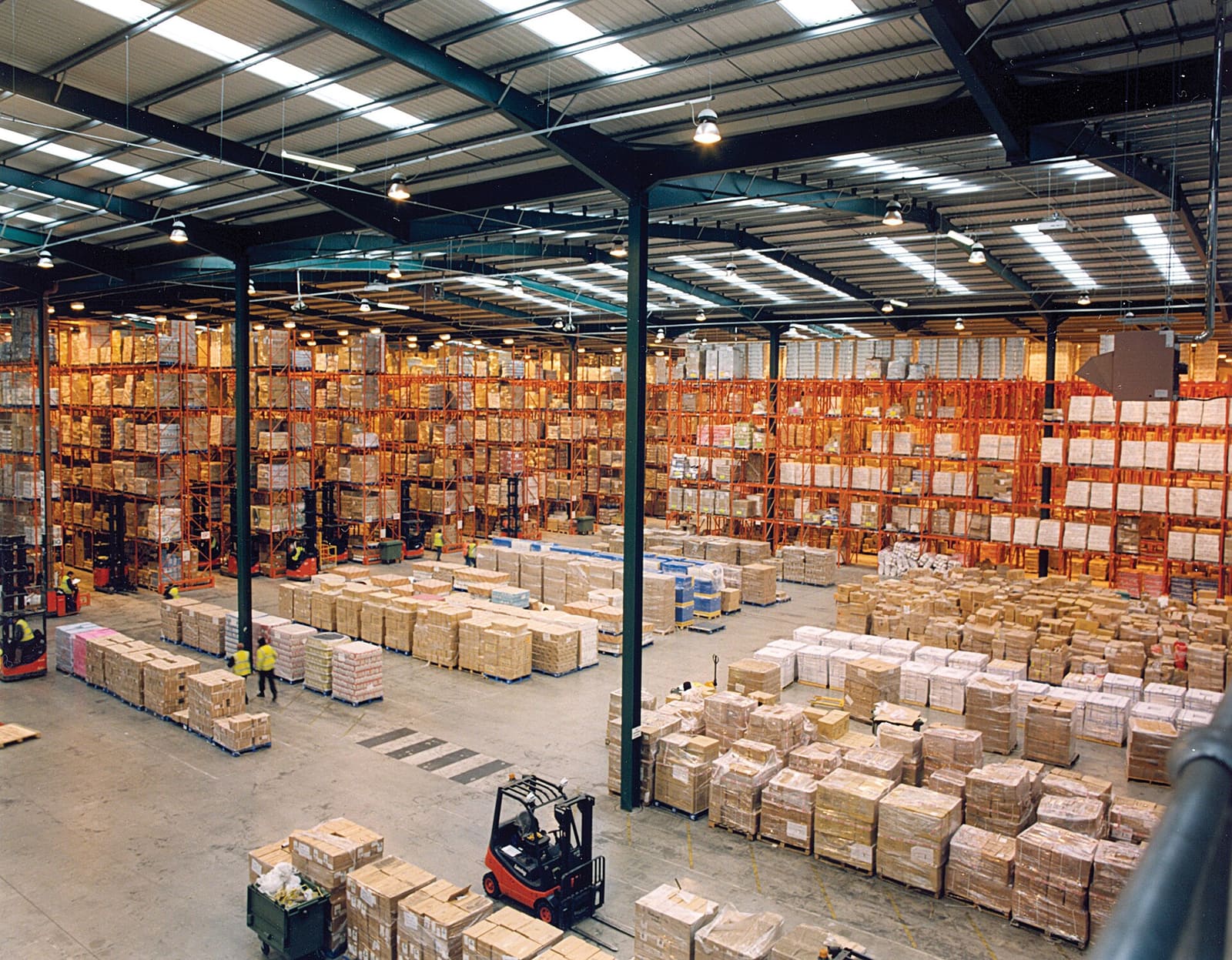
Look for a forwarder with real origin presence in China rather than a purely destination-side broker, direct relationships with multiple ocean and air carriers, in-house customs brokerage, and warehousing that can absorb consolidation or storage needs without adding another vendor. RR Brothers and Logistics offers all of this from a Guangzhou headquarters with offices across five countries, giving SMEs origin-side visibility most cannot access on their own.
Frequently Asked Questions
There is no fixed minimum — even single-container or LCL shipments benefit from a forwarder's consolidated rates and documentation support. The value becomes clearest once volumes grow or a destination customs issue starts eating into a manager's time.
Not usually. Forwarders typically access consolidated volume pricing that undercuts the list rates an individual SME would pay a carrier directly, which offsets the forwarder's own margin.
Yes — forwarders that offer in-house customs brokerage handle HS classification, documentation review and clearance filing as part of the same relationship, rather than requiring a separate broker.
Real origin presence in China rather than a destination-side broker, direct carrier relationships across ocean and air, in-house customs brokerage, and warehousing that can flex with demand — all under one point of contact.