What Exactly Is a "Green Corridor"?
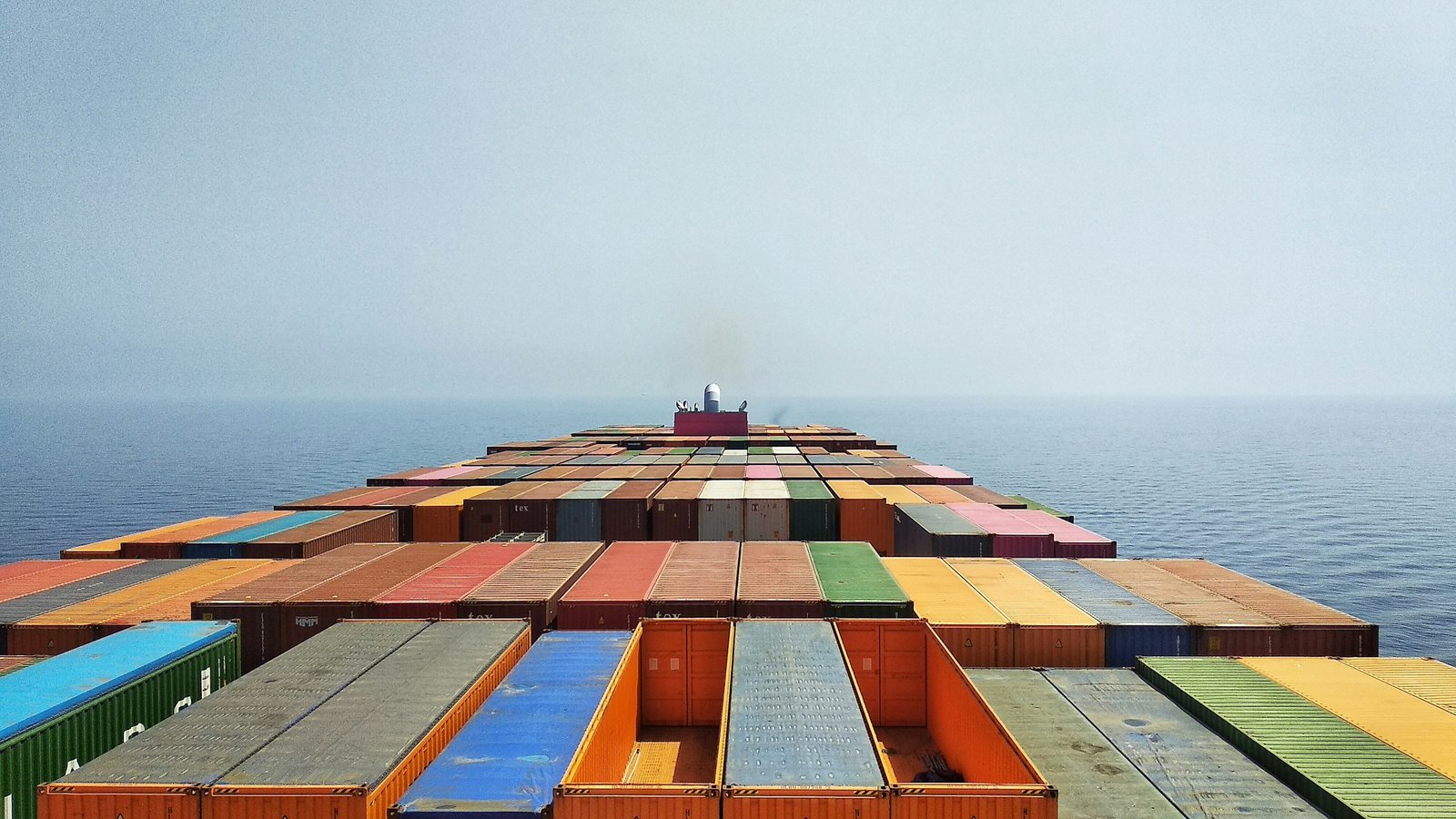
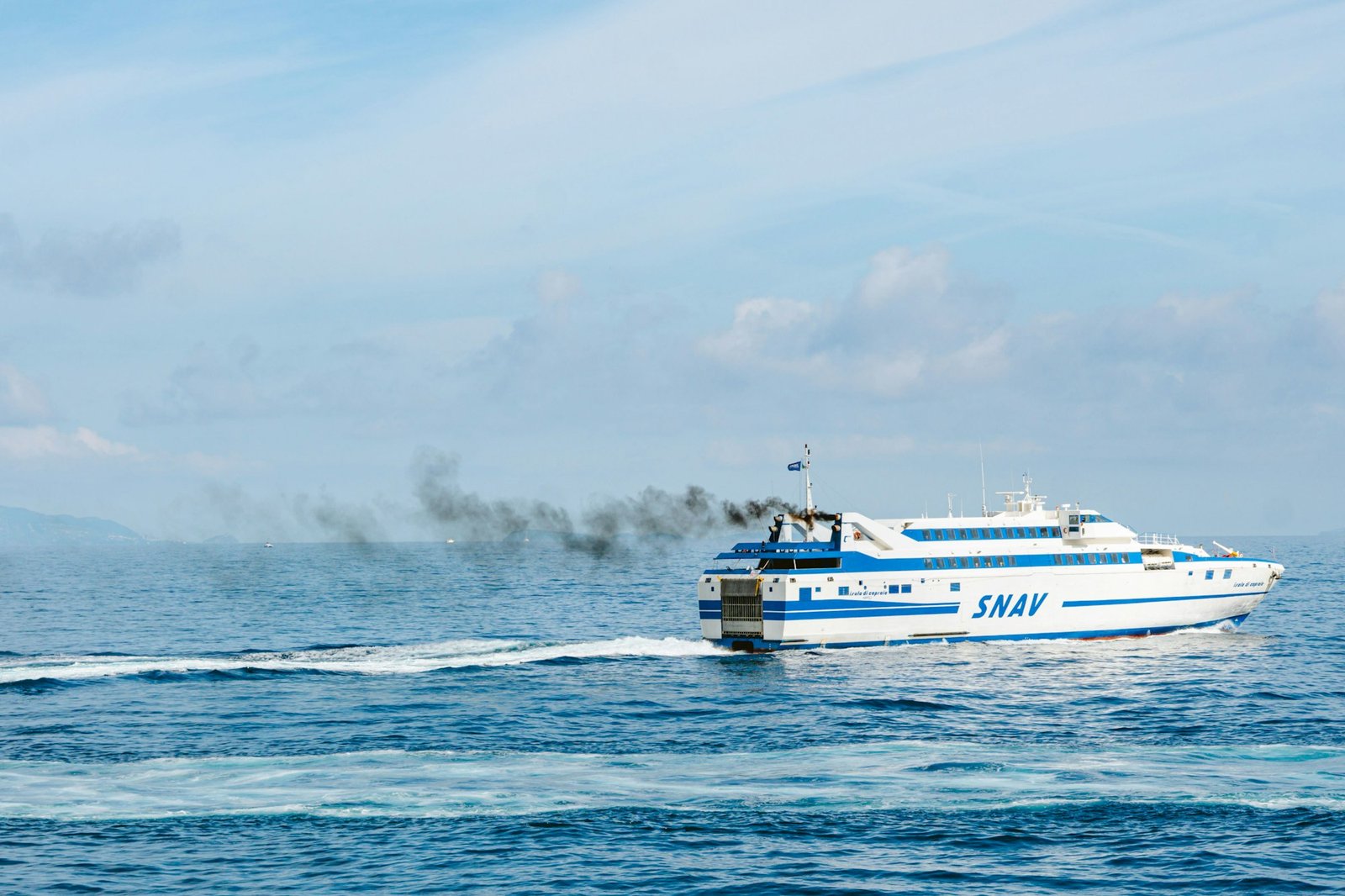
Shipping decarbonization is usually discussed as a fleet-wide, industry-wide problem — new fuels, new engines, new regulations applied across the whole global fleet at once. Green corridors take a narrower, more practical approach: instead of trying to decarbonize everywhere simultaneously, a green corridor is a specific point-to-point maritime route between two or more ports where governments, port authorities, carriers, fuel suppliers and sometimes cargo owners coordinate directly so that vessels on that one route can run on zero or near-zero emission fuel from origin to destination. The logic is straightforward: building alternative-fuel bunkering infrastructure at every port in the world at once isn't realistic, but building it at both ends of one well-defined, high-volume trade lane is achievable within a reasonable timeframe, and it creates a proof point the rest of the industry can learn from. For transportation logistics planners, green corridors matter because they are where low-carbon shipping options are actually becoming available first, well ahead of a broader fleet-wide transition.
The Clydebank Declaration: Where the Concept Became Policy
The green corridor concept moved from idea to formal commitment at COP26, the UN climate conference held in Glasgow in November 2021, where 19 countries signed the Clydebank Declaration pledging to support the establishment of at least six green shipping corridors by 2025, with an ambition to see many more in operation by 2030. Morocco, Italy and Spain later added their names, pushing the total number of signatories above 20. The declaration set a vessel target too — Danish officials involved in drafting it pointed to a goal of at least 200 zero-emission vessels operating on these corridors by 2030 — and was explicitly designed to complement, rather than duplicate, the decarbonization work already underway at the International Maritime Organization, the UN agency responsible for regulating international shipping. Our companion piece on the IMO's proposed carbon levy covers the regulatory side of this push in more detail; green corridors are best understood as the voluntary, route-specific complement to that mandatory, fleet-wide framework.
How a Green Corridor Actually Gets Built
Declaring an intention to create a green corridor is the easy part; building one requires years of coordinated investment on both ends of the route. Ports need bunkering infrastructure for whichever alternative fuel the corridor is designed around — green methanol and green ammonia are the two most commonly discussed options for deep-sea shipping — which means storage tanks, safe handling procedures and supply contracts that didn't previously exist. Carriers need to commit vessels, which increasingly means ordering dual-fuel newbuilds capable of running on both the alternative fuel and conventional bunker fuel as a bridge while the alternative fuel supply chain matures. Fuel producers need offtake agreements substantial enough to justify building new production capacity, since green fuel production facilities are capital-intensive and won't be built speculatively without committed buyers. And in many cases, a government or port authority needs to underwrite some of the early-stage risk, because the first movers on any given corridor are taking on cost and supply uncertainty that later entrants won't have to absorb.
Named Corridors Taking Shape
A number of specific corridor initiatives have been announced publicly since the Clydebank Declaration, typically backed by a mix of port authorities, carriers and city or national governments. Los Angeles and Shanghai were among the first pair of major container ports to announce a green shipping corridor partnership, aiming to put zero-emission vessels into service on that trans-Pacific lane. Singapore and Rotterdam — two of the world's busiest bunkering and transshipment hubs — launched a similarly high-profile green and digital corridor initiative pairing emissions reduction with digitalized documentation and port-call efficiency. Smaller-scale corridor projects have also been announced around Northern Europe, linking ports such as Gothenburg with partner ports on shorter intra-regional routes where the fuel-supply logistics are comparatively easier to solve than on a full deep-sea trade lane. None of these corridors are fully built out yet in the sense of routinely moving all cargo on zero-emission vessels, but each represents a concrete pilot that the rest of the industry is watching closely. China's role in this picture is significant given how much of the world's container volume either originates or transships through Chinese ports — any serious green corridor strategy for trans-Pacific or Asia-Europe trade essentially has to involve Chinese port authorities and the carriers calling at them, which is part of why the Los Angeles-Shanghai partnership was treated as a milestone rather than just another regional pilot when it was first announced.
What Shippers Can Do to Prepare Today
Most shippers aren't in a position to single-handedly influence whether a green corridor gets built on their trade lane, but there are practical steps worth taking well before alternative-fuel services become mainstream on a given route:
- Ask your forwarder what's actually available, not just announced. A corridor being publicly declared and a corridor offering regularly bookable zero-emission sailings are two different stages, and the gap between them can run for several years.
- Quantify your shipment-level carbon footprint now. Having a reliable baseline makes it far easier to evaluate whether a green corridor premium is worth paying once one becomes available on a lane you actually use.
- Watch the lanes most relevant to your trade. A shipper moving cargo primarily between China and Europe or North America should track corridor announcements on those specific routes rather than the industry in general, since availability is highly route-specific.
- Budget for a gradual premium, not a step change. Early corridor pricing tends to carry a noticeable surcharge that should narrow over time as fuel supply scales, so locking into long-term contracts at today's premium isn't always the best approach.
Green Corridor vs. an Ordinary Trade Lane
| Factor | Ordinary trade lane | Designated green corridor |
|---|---|---|
| Fuel used | Conventional bunker fuel, almost always | Growing share of alternative/zero-emission fuel |
| Bunkering infrastructure | Standard fuel oil facilities | Dedicated alternative-fuel bunkering at both ends |
| Coordination | Market-driven, carrier by carrier | Joint planning between ports, carriers, fuel suppliers and often government |
| Freight cost today | Generally lower | Often carries a green fuel premium |
The Fuel Supply Bottleneck
Every green corridor initiative ultimately runs into the same constraint: there simply isn't enough green methanol or green ammonia being produced yet to fuel more than a small fraction of the global fleet, let alone every corridor that's been publicly announced. Our guide to methanol and ammonia-fueled vessels looks at the supply side of this problem in more depth, but the short version is that alternative marine fuel production is scaling slowly relative to the pace of newbuild orders for dual-fuel vessels, which means early green corridor vessels are often running on a blend of alternative and conventional fuel rather than 100% zero-emission fuel, at least in these early years. That gap is exactly why the corridor model — concentrating scarce early fuel supply onto a small number of defined routes rather than spreading it thin across the entire fleet — makes practical sense as a transition strategy rather than trying to decarbonize every route evenly and slowly. It also explains why corridor timelines tend to slip relative to initial announcements: a port can commit to building bunkering infrastructure on a fixed schedule, but it can't force a fuel producer to bring a new production facility online any faster than the underlying engineering, permitting and financing allow.
What This Means for Shippers and Transportation Logistics Costs
For a shipper booking cargo today, green corridors are not yet a default option on most trade lanes, and where they are available, vessels running on alternative fuel typically carry a cost premium that gets passed through as a green fuel surcharge or a higher base rate. That said, the direction of travel matters for long-term planning. As production of alternative marine fuels scales and as regulatory costs on conventional bunker fuel rise — through mechanisms like the carbon levy framework under discussion at the IMO — the cost gap between conventional and green corridor shipping is expected to narrow over time rather than remain fixed. Shippers with sustainability commitments or customers asking about scope 3 emissions are increasingly asking forwarders whether a green corridor option exists on their specific trade lane, even if they don't yet book on it by default, simply to understand what a lower-carbon alternative would cost when the business case eventually favors making the switch.
How RR Brothers and Logistics Can Help
As ocean carriers continue expanding green corridor pilots on major trade lanes, RR Brothers and Logistics tracks which services are available on the routes our clients use most, so that sustainability-conscious shippers moving cargo out of China can make an informed choice rather than guessing at what's on offer. Whether your priority is cost, transit time, or reducing the carbon footprint of a specific shipment, our team can walk through what's realistically available today versus what's still in the pilot stage, and how that fits into your broader transportation logistics strategy across sea, air, rail and road freight. As more corridors move from announcement to regular service over the next few years, we'll keep updating clients on which lanes out of China genuinely offer a lower-carbon option worth booking.
Frequently Asked Questions
A green shipping corridor is a specific point-to-point maritime route between two or more ports where governments, port authorities, carriers and fuel suppliers coordinate investment and policy so that vessels on that route can run on zero or near-zero emission fuel end-to-end, rather than decarbonization happening piecemeal across unrelated routes.
The Clydebank Declaration was signed by 19 countries at the COP26 climate conference in Glasgow in November 2021, with signatories pledging to support the establishment of at least six green shipping corridors by 2025, growing to more by 2030. Several more countries joined afterward, bringing the total above 20.
The main constraint is fuel availability and cost. Green methanol, green ammonia and other low-carbon marine fuels remain more expensive and far less widely available than conventional bunker fuel, and building out bunkering infrastructure at both ends of a corridor requires coordinated investment that takes years to materialize.
Vessels running on alternative fuels generally cost more to operate today than conventional vessels, and that premium is typically passed through in freight rates or green fuel surcharges on corridor services, though the gap is expected to narrow as alternative fuel production scales and as regulatory costs on conventional fuel rise.