Why Financing Has Become the Real Bottleneck
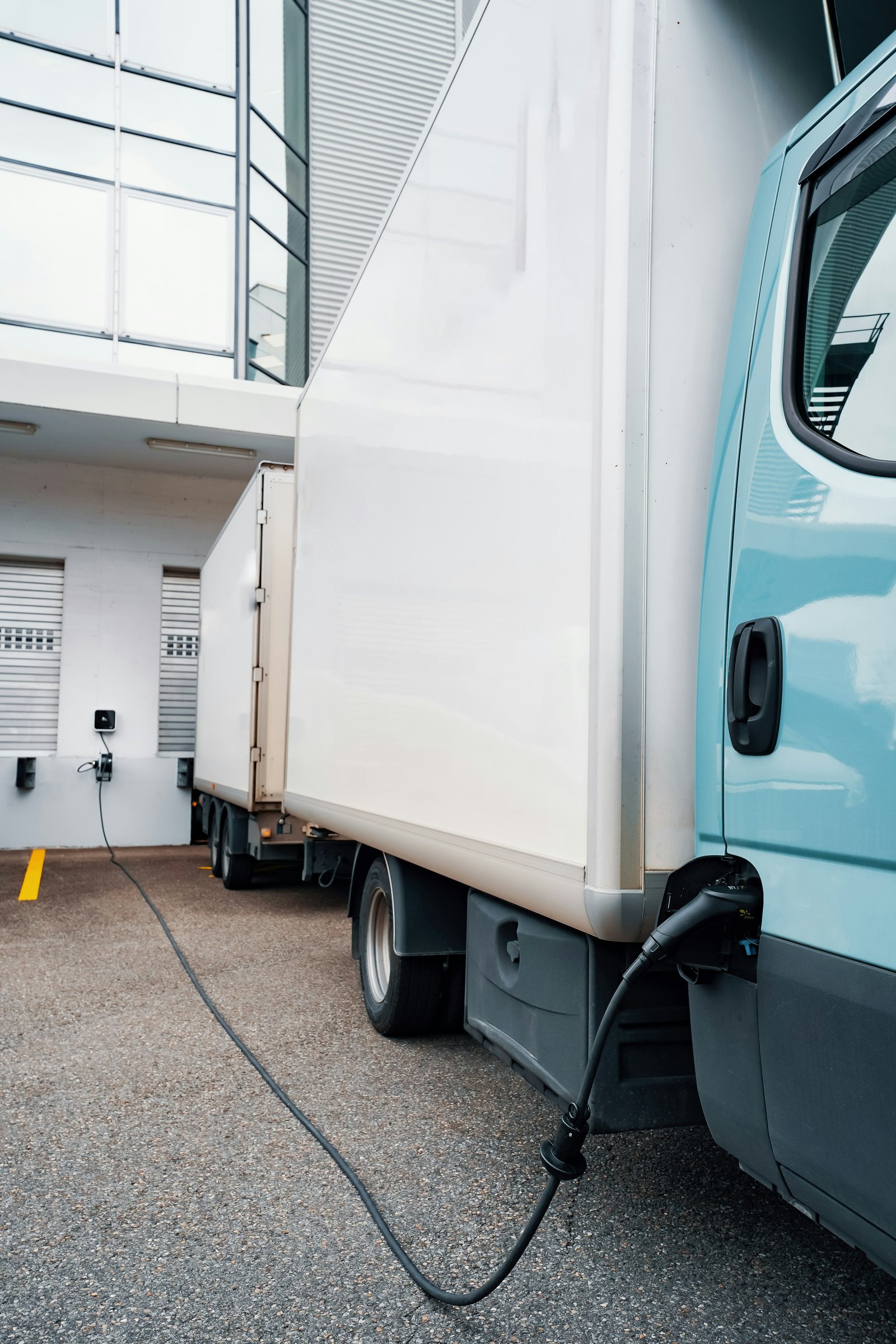
Most of the public conversation about fleet electrification still centers on vehicle range, charging speed and driver acceptance. For fleet operators actually signing purchase orders, though, the binding constraint has shifted to something less visible: how to pay for it. An electric truck still typically carries a meaningfully higher sticker price than a comparable diesel vehicle, even as battery costs have continued to fall. That upfront gap, multiplied across a fleet of dozens or hundreds of vehicles, is large enough to stall electrification plans that otherwise make sound long-term sense. This is exactly the problem green financing structures were built to solve, and it's why green loans, sustainability-linked loans and purpose-built leasing products have become as central to transportation logistics decarbonization as the vehicles themselves.
The arithmetic that makes this worth solving is straightforward once it's laid out. Fuel is usually the single largest variable cost in running a truck, and electricity priced on a per-kilometre basis tends to undercut diesel by a wide margin, even before maintenance savings from having far fewer moving parts are counted. Over a five- to seven-year ownership period, many electric trucks reach cost parity with diesel on a total-cost-of-ownership basis, and some beat it outright on high-utilization routes. The problem is that the upfront capital outlay arrives in year one, while the savings are realized gradually over the years that follow — a cash-flow mismatch that a conventional vehicle loan, sized and priced the same way for an EV as for a diesel truck, does nothing to address. Green and sustainability-linked financing exists specifically to close that timing gap, which is why fleet operators increasingly treat the financing conversation as inseparable from the vehicle-purchase decision rather than something to sort out afterward.
Green Loans: Financing Tied to a Defined Project
A green loan is the most straightforward of the instruments available to a fleet operator. The lender earmarks the funds for a specific, clearly defined green purpose — purchasing electric trucks, installing depot charging infrastructure, or financing battery storage — and reports on the use of proceeds against criteria similar to those in the ICMA Green Bond Principles, even when the facility itself is a bank loan rather than a bond. For a logistics company that wants to electrify a specific terminal fleet or last-mile delivery unit, a green loan offers a clean, auditable structure: the bank knows exactly what it financed, and the borrower can point to a specific set of assets when reporting on its sustainability commitments. The tradeoff is flexibility — the money generally can't be redirected to other parts of the business once the facility is in place.
Sustainability-Linked Loans: Financing Tied to Performance
Sustainability-linked loans (SLLs) work differently, and for many fleet operators, more usefully. Rather than restricting what the money is spent on, an SLL ties the interest margin to the borrower's performance against agreed sustainability key performance indicators — for example, the percentage of the fleet that is electric by a given year, or a defined reduction in fleet-wide carbon emissions per tonne-kilometre moved. Hit the milestone, and the margin steps down; miss it, and the margin steps up. The Loan Market Association's Sustainability-Linked Loan Principles have become the reference framework most banks use to structure these facilities. For a logistics or freight-forwarding business, the appeal is that the capital itself is unrestricted — it can be used for general corporate purposes — while still creating a direct financial incentive to hit the fleet electrification targets the company has already set for itself.
Leasing Structures Built Around a Different Depreciation Curve
Traditional truck leasing assumes a fairly predictable depreciation and maintenance curve built up over decades of diesel fleet data. Electric trucks break that model. Battery degradation, uncertain second-hand demand, and a technology still moving quickly on cost and range mean that residual values are much harder to forecast reliably. In response, several commercial vehicle manufacturers and fleet leasing companies now offer battery-as-a-service or guaranteed-buyback structures that separate the battery's financial risk from the vehicle itself — the fleet operator leases or finances the chassis and drivetrain under more familiar terms, while the battery is financed, insured or guaranteed separately, often with a resale or recycling value floor built in. This matters directly for transportation logistics planning, since it changes how a fleet's total cost of ownership is modeled and budgeted year to year, and it's one of the reasons battery and leasing innovation have had to move in step with green lending rather than after it.
Comparing the Main Financing Routes
| Mechanism | Use of Funds | Pricing Mechanism | Best Fit |
|---|---|---|---|
| Green loan | Restricted to a named green project | Fixed, based on loan terms | A single fleet or depot electrification project |
| Sustainability-linked loan | Unrestricted, general corporate use | Margin adjusts with KPI performance | Company-wide electrification targets |
| Battery-as-a-service leasing | Vehicle and battery financed separately | Monthly lease plus usage-based battery fee | Operators wary of battery residual-value risk |
| Government/policy-backed credit | Varies by program | Below-market rate via central bank or development bank facility | Operators in markets with active green credit programs |
China's Green Credit Market and What It Means for Fleet Operators
For a freight forwarder and fleet operator based in China, the domestic policy backdrop is unusually supportive. The People's Bank of China's carbon emission reduction facility provides lower-cost refinancing to commercial banks that extend qualifying green loans, which has helped push China's green loan balance to one of the largest in the world. That policy support has flowed into commercial vehicle electrification specifically, with several Chinese banks now offering dedicated green credit lines for new energy trucks and depot charging infrastructure. The practical effect for transportation logistics providers moving cargo in and out of China is that electrification financing is generally more available, and often priced more competitively, than fleet operators in many other markets currently experience — a genuine structural advantage worth factoring into any multi-year fleet transition plan.
Designing KPIs a Lender Will Actually Accept
The quality of a sustainability-linked loan comes down almost entirely to the quality of the KPIs behind it, and lenders have grown considerably more rigorous about this over the past few years after early criticism that some SLLs were tied to targets a borrower would have hit anyway. A workable KPI needs three things: it has to be measurable against a credible, independently verifiable baseline; it has to represent a genuine stretch beyond business-as-usual, not a target already locked in by existing procurement plans; and it has to be reported on a fixed schedule, typically annually, with enough detail that the lender's sustainability team can confirm progress without relying solely on the borrower's own assertions. For a fleet electrification facility specifically, common KPI structures include the share of total fleet vehicle-kilometres driven by zero-emission vehicles, the absolute count of electric vehicles added to the fleet by a target date, or a fleet-wide carbon-intensity figure measured in grams of CO2 per tonne-kilometre. Each has tradeoffs — a vehicle-count target is simple to verify but says nothing about how intensively those vehicles are actually used, while a carbon-intensity metric is more meaningful but harder to audit without a mature emissions-tracking system already in place.
Where Fleet Financing Plans Commonly Go Wrong
- Underestimating charging infrastructure costs — fleet operators frequently budget for the vehicles themselves but treat depot electrical upgrades, transformer capacity and charger installation as an afterthought, even though these costs can rival the vehicle premium on a per-truck basis.
- Setting KPIs around delivery dates outside their control — tying a sustainability-linked facility's milestones to manufacturer delivery schedules is risky when electric truck order backlogs have been known to slip by a year or more industry-wide.
- Treating the battery and the vehicle as a single asset — doing so can leave a fleet operator exposed to battery degradation risk that a battery-as-a-service structure would have absorbed instead.
- Ignoring available policy-backed credit lines — in markets with active green finance programs, a qualifying facility routed through a participating bank can be priced meaningfully below standard commercial terms, yet many fleet operators default to their existing relationship bank without checking.
Where This Fits Alongside the Rest of the Fleet Transition
Green financing doesn't exist in isolation — it's the funding layer sitting underneath the technology choices a fleet operator has already made. Our companion piece on electric truck fleets and the transition already underway in transportation logistics looks at the operational side of that shift, from charging infrastructure to route planning around range limits. For longer-haul routes where battery-electric trucks still face range and charging-time constraints, hydrogen fuel-cell trucks represent a parallel zero-emission pathway, and the financing structures described here — particularly sustainability-linked loans tied to broader fleet emissions targets rather than a single named technology — generally apply just as well to a mixed battery-electric and hydrogen fleet as to a purely battery-electric one.
Practical Steps Before Approaching a Lender
- Document a clear baseline — lenders offering sustainability-linked terms will want a credible, auditable starting point for fleet composition and emissions before they'll agree to KPI-linked pricing.
- Separate vehicle and battery risk early — deciding upfront whether to pursue a combined lease or a battery-as-a-service structure shapes which lenders and leasing partners are even relevant to approach.
- Check for policy-backed credit lines first — in markets like China, a qualifying green loan through a bank participating in a central bank refinancing scheme can beat market-rate commercial terms significantly.
- Align financing milestones with realistic delivery timelines — electric truck order backlogs and charging infrastructure installation can both run long, and a sustainability-linked facility with unrealistic near-term KPIs can do more harm than good if targets are missed for reasons outside the fleet operator's control.
How RR Brothers and Logistics Can Help
RR Brothers and Logistics works with clients across road, rail, sea and air freight who are weighing how fleet and network investments — their own or their logistics partners' — fit into broader transportation logistics decarbonization goals. Through our financial and value-added services, we help clients structure freight financing, manage landed-cost and total-cost-of-ownership planning, and build the kind of documented performance baseline that lenders expect before extending green or sustainability-linked credit. Download our company brochure (PDF) for a full overview of our services and global network, or get in touch to talk through how a fleet or network transition plan fits into your wider logistics strategy.
Frequently Asked Questions
A green loan restricts how the money is spent — only on defined green projects such as electric vehicle purchases or charging infrastructure. A sustainability-linked loan instead ties the interest rate to the borrower's overall performance against emissions-reduction or electrification targets, and the funds can be used for general corporate purposes, not just the green project itself.
Electric trucks typically cost significantly more upfront than an equivalent diesel vehicle, even though their total cost of ownership can be lower over the vehicle's life once fuel and maintenance savings are counted. That gap between a high purchase price and the long-term payback period is exactly what green financing structures are designed to bridge.
Yes — because battery degradation and resale value are harder to predict than for a diesel engine, several manufacturers now offer battery-as-a-service or guaranteed buyback leasing structures that separate the battery's cost and risk from the vehicle itself, making the financing terms more predictable for the fleet operator.
Yes — China operates one of the largest green credit markets in the world, with policy tools such as the People's Bank of China's carbon emission reduction facility encouraging commercial banks to extend lower-cost green loans, which has made financing for electric commercial vehicles increasingly accessible for fleet operators and logistics providers based there.