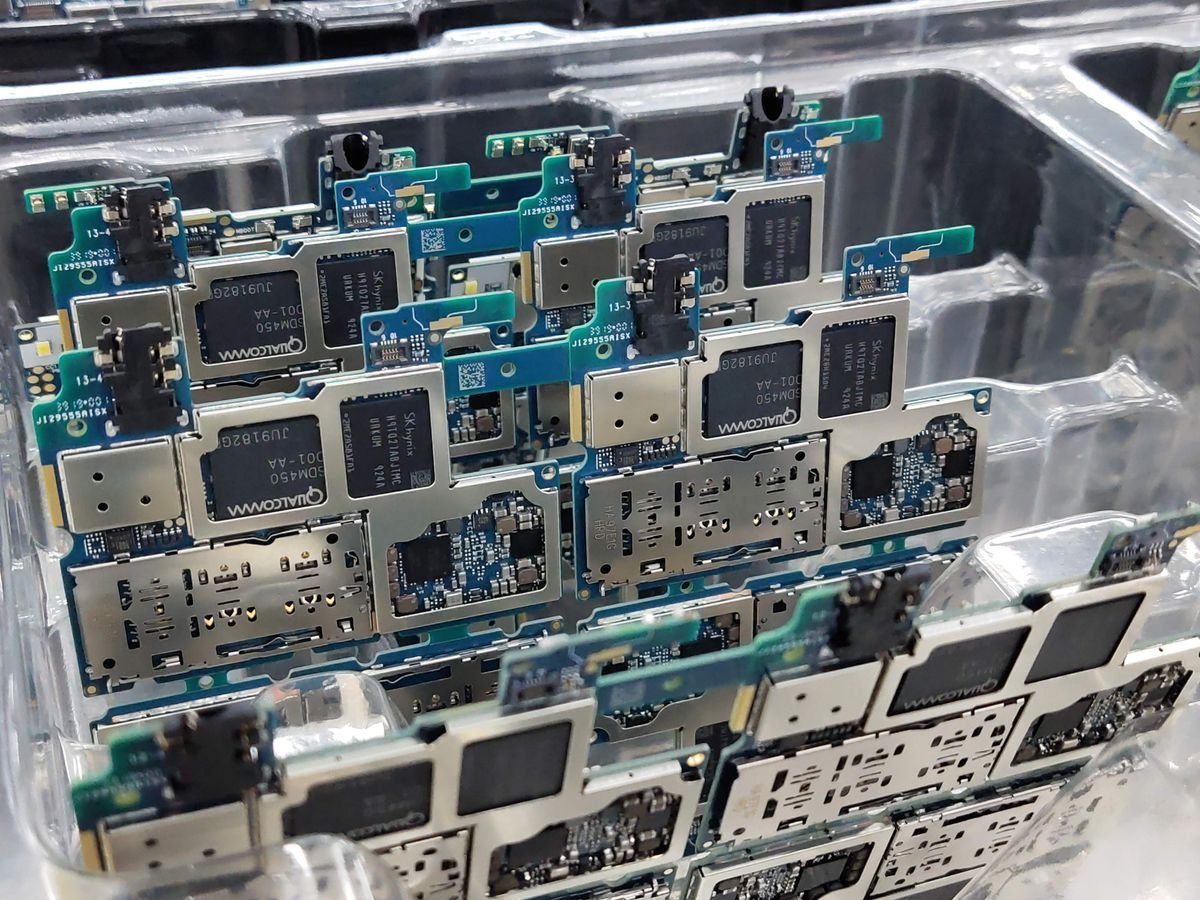
Electronics and electrical equipment can be valuable, can contain batteries and are subject to registration and safety rules that can make an unregistered consignment prohibited at the port. A logistics plan for electronics and electrical equipment imports therefore has two halves: the compliance checks that decide whether the goods may enter at all, and the shipping choices that decide whether they arrive intact, on time and at a sensible cost. This guide covers both. It sets out the rules for registered electronics and for machines and electrical equipment, the rules for second-hand goods and for batteries, packing and security, the choice of mode and the customs filing, and ends with a made-up worked example and a checklist.
For the shipping side of consumer electronics, see shipping electronics and consumer tech from China. For the equipment rules in more depth, see how to import industrial machinery from China to India.
Compliance First
Notified electronics and IT goods
DGFT's general notes on import policy say that the import of goods notified under the Electronics and Information Technology Goods (Requirements for Compulsory Registration) Order, 2012 is prohibited unless they are registered with the Bureau of Indian Standards and comply with BIS labelling requirements, or the Ministry of Electronics and Information Technology grants a specific exemption letter for a consignment. The notes add that the importer shall re-export such prohibited goods reaching a customs port, failing which customs shall deform them beyond use and dispose of them as scrap. BIS lists the goods under the Compulsory Registration Scheme on its registration scheme page, where registration rests on a self-declaration of conformity. Ask your supplier for the registration evidence, and check it against the BIS list before you order.
Machines and electrical equipment
A PIB release of 19 August 2025 says the Machinery and Electrical Equipment Safety (Omnibus Technical Regulation) Order, 2024, as amended, applies from 1 September 2026 to all machines and electrical equipment listed in its first Schedule, with BIS as certifying and enforcement authority. Exemptions include goods manufactured domestically for export, construction equipment under the Central Motor Vehicles Rules and products already covered by other BIS Act orders. That date has passed, so check the Ministry of Heavy Industries page and BIS for the current position on your product.
Second-hand electronics
Under para 2.31 of the Foreign Trade Policy 2023, second-hand electronics and IT goods notified under the 2012 Order are restricted and importable against an authorisation subject to the Order's conditions, and unregistered or non-compliant notified products are prohibited. Second-hand desktop computers, refurbished spares of personal computers and laptops, air conditioners and diesel generating sets are also restricted. Do not assume that a used or refurbished item is easier to import than a new one.
A decision table
| Product type | The rule to check | How to check it |
|---|---|---|
| New consumer electronics and IT goods | The Compulsory Registration Order and BIS labelling | The BIS list, and the supplier's registration evidence |
| Machines and electrical equipment | The Omnibus Technical Regulation Order | The Order's first Schedule, and BIS |
| Anything second-hand or refurbished | Para 2.31 of the Foreign Trade Policy | The policy table, and the authorisation if required |
| Anything containing batteries | Dangerous goods rules by air and sea | The carrier and your forwarder, before booking |
| Anything else | The ITC (HS) policy and para 2.03 | The classification, and DGFT's notes |
Batteries and Dangerous Goods
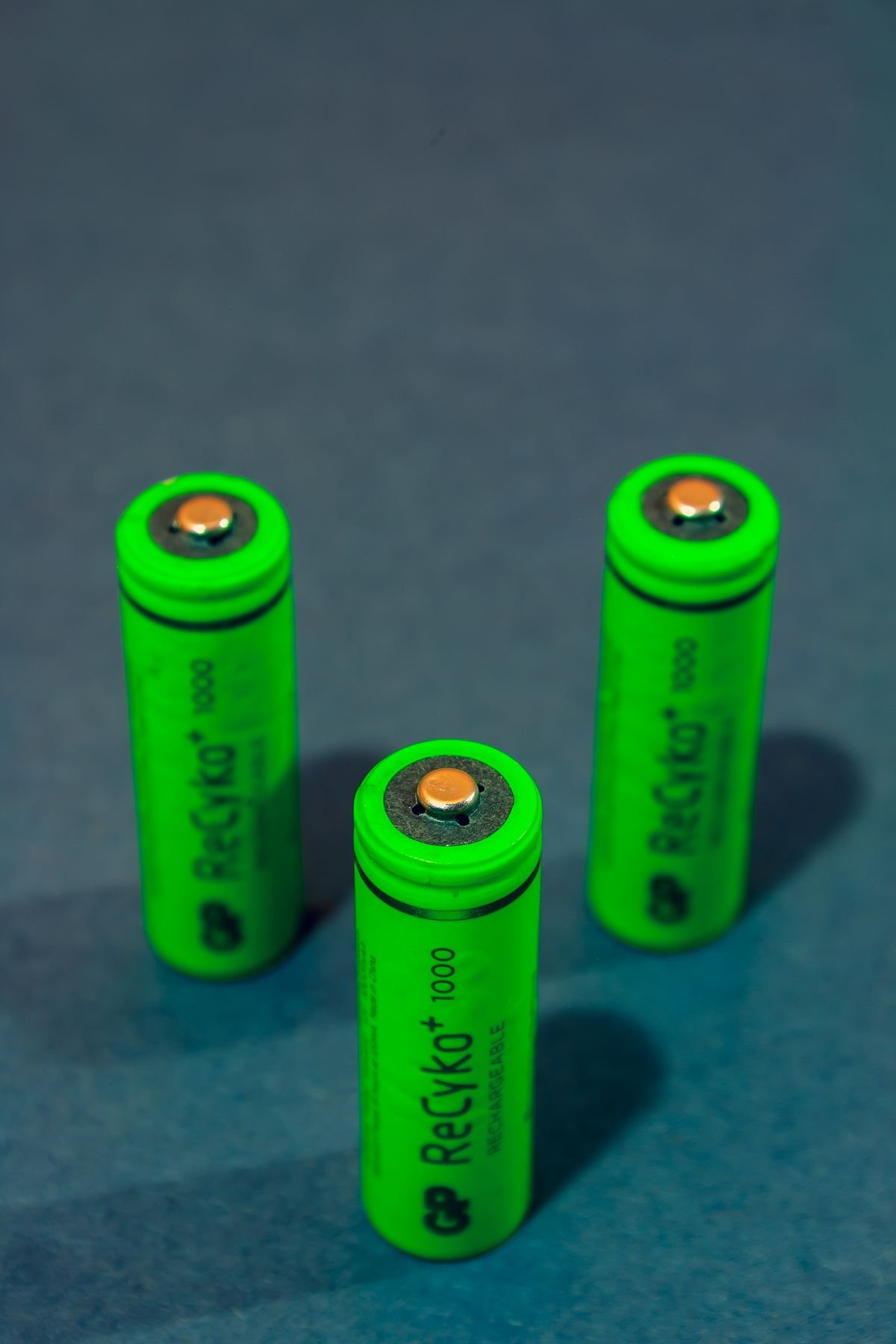
Some electronic products contain lithium batteries, and batteries are regulated for carriage. IATA says the shipper is responsible for packaging, labelling and completing the Shipper's Declaration for Dangerous Goods, and that incorrectly completed documents mean the goods cannot be accepted for air shipment. For sea freight, the IMO says the carriage of dangerous goods in packaged form must comply with the IMDG Code, which extends the mandatory provisions of SOLAS chapter VII. Tell your forwarder what each product contains before you book, and see our guide to lithium battery shipping regulations.
Packing, Security and Handling
- Packaging. Use cartons and inner protection that withstand stacking and handling. If any pallet or crate is made of raw wood, ISPM 15 requires approved treatment and a mark.
- Cargo security. IATA's white paper defines unknown cargo as cargo that has not been subjected to appropriate security controls, so ask whether your forwarder works with regulated agents and known consignors to avoid delays at air acceptance.
- High value. Electronics are targets for theft and loss. Our guide to shipping high-value goods internationally covers insurance, declared value and handover checks.
- Labelling. Check that labels and markings that BIS requires are on the product or its package before shipment.
Choosing the Mode
Compact electronics can carry a lot of value per kilogram, which keeps air freight affordable as a share of the goods' value. IATA says air carriers charge on the higher of actual and volumetric weight, so packaging size matters. Compact, valuable and time-sensitive goods suit air, and larger or planned volumes suit sea. Our guide to when businesses should choose air freight gives five tests.
Start With a Sample Order
For a first order of a notified product, a small sample shipment by air tests the supplier's documents, the labelling and the clearance route before you commit to volume. Samples are still goods under the same rules, so ask your customs broker whether a MeitY exemption letter, which DGFT's notes allow for a specific consignment, is relevant before you ship one.
Customs and Documents
Describe the goods precisely, with model numbers, and classify them carefully, because the classification decides duty, policy and standards. Add the registration or certification evidence to the usual set: invoice, packing list, transport document and bill of entry. Section 46(4A) of the Customs Act, 1962 makes the importer responsible for the accuracy and completeness of the declaration and for compliance with any restriction or prohibition. See what documents are required to import goods into India.
Keep an Evidence File for Every Product
Open one folder per product model before the first order. Keep in it the supplier's registration or conformity evidence, photographs of the label and the packaging, the date on which you checked the BIS list or the Order's Schedule, the classification you chose and your reasons, and the supplier's written confirmation that the evidence covers the model you are buying. If a consignment is queried, the folder shortens the answer, and it protects you if a supplier changes a model without telling you.
A Made-Up Worked Example
An importer plans to bring in three products (all details are made up): a notified consumer electronic item, a battery-powered tool and a refurbished electrical unit.
| Product | Compliance finding | Logistics decision |
|---|---|---|
| Notified consumer item | BIS registration is needed, so ask the manufacturer for evidence and check the BIS list | Book only after evidence is verified, and ship by air in small lots at first |
| Battery-powered tool | Contains a lithium battery, so dangerous goods rules apply | Tell the forwarder, obtain the correct declaration and packaging, and check the carrier accepts it |
| Refurbished electrical unit | Second-hand, so check the policy table and the Omnibus Order | Hold the order until the status is confirmed in writing |
The plan changes the order of work: compliance first, then booking, and the cheaper freight option is chosen only after the rules are met.
Common Mistakes
- Ordering notified electronics before checking BIS registration.
- Relying on the supplier's statement that a product is compliant.
- Failing to declare batteries to the forwarder.
- Treating second-hand goods as easier to import than new ones.
- Using oversize packaging that raises air freight cost.
- Describing goods vaguely on the invoice.
A Checklist for Electronics and Electrical Imports
- The classification and the policy status are confirmed.
- BIS registration or Omnibus Order evidence is held for each notified product.
- Second-hand items have been checked against para 2.31.
- Batteries are identified and declared before booking.
- Packaging is protective, treated where wooden, and not oversized.
- The mode choice has been tested.
- The invoice describes the goods with model numbers.
Import Electronics With RR Brothers and Logistics
RR Brothers and Logistics ships electronics and electrical equipment from China by air and sea, supports dangerous goods handling and handles customs clearance. Send us your product list and we will help you plan the checks and the shipment.
Frequently Asked Questions
For goods notified under the 2012 Compulsory Registration Order, DGFT says import is prohibited unless they are BIS-registered and comply with labelling, or MeitY grants an exemption letter for a consignment.
DGFT's notes say the importer shall re-export them, and otherwise customs shall deform the goods beyond use and dispose of them as scrap.
Per PIB, the order applies from 1 September 2026 to machines and electrical equipment listed in its first Schedule. Check whether your product is listed and what BIS requires.
Para 2.31 of the Foreign Trade Policy restricts second-hand electronics and IT goods notified under the 2012 Order, among other items, to import against an authorisation, and prohibits unregistered or non-compliant notified products.
Tell your forwarder before booking. IATA says the shipper is responsible for packaging, labelling and the Shipper's Declaration, and the IMDG Code governs sea carriage of packaged dangerous goods.
Compact, valuable and urgent goods suit air, and larger planned volumes suit sea. Test the choice with the cost-of-delay and value-density tests.
Sources
- DGFT: General notes regarding import policy (ITC (HS) 2022, Schedule 1)
- BIS: Scheme II, Compulsory Registration Scheme
- PIB: Machinery and Electrical Equipment Safety (Omnibus Technical Regulation) Amendment Order, 2025 (19 August 2025)
- Ministry of Heavy Industries: Machinery and Electrical Equipment Safety (Omnibus Technical Regulation) Order, 2024
- DGFT: Foreign Trade Policy 2023, Chapter 2 (paras 2.03 and 2.31)
- IATA: What you need to know about the transport of dangerous goods by air
- IMO: The International Maritime Dangerous Goods (IMDG) Code
- IPPC/FAO: ISPM 15, Regulation of wood packaging material in international trade (2018)
- IATA: White paper on safety and security in the cargo supply chain
- IATA: Air cargo tariffs and rules (volumetric weight)
- CBIC: Customs Act, 1962 (Section 46)
This article is general information, not legal, tax or customs advice. Rules, rates and procedures change; confirm current requirements with the relevant authority or a licensed customs professional before you ship. Regulatory references were checked against the official sources listed above on 26 October 2026.
Image credits: header photo by Simon Kadula on Unsplash; photo by Arum Visuals on Unsplash. Used under the Unsplash License.
Request a Quote