A Term That Shows Up on Every Booking, Rarely Explained
If you've ever looked closely at a bill of lading or a shipping company's letterhead, you may have noticed the letters "NVOCC" attached to the name — RR Brothers and Logistics included. It stands for Non-Vessel Operating Common Carrier, and while the phrase sounds technical, the concept behind it explains a lot about how modern ocean freight actually works, and why most importers never deal directly with the shipping line whose name is painted on the side of the container.
Defining the NVOCC
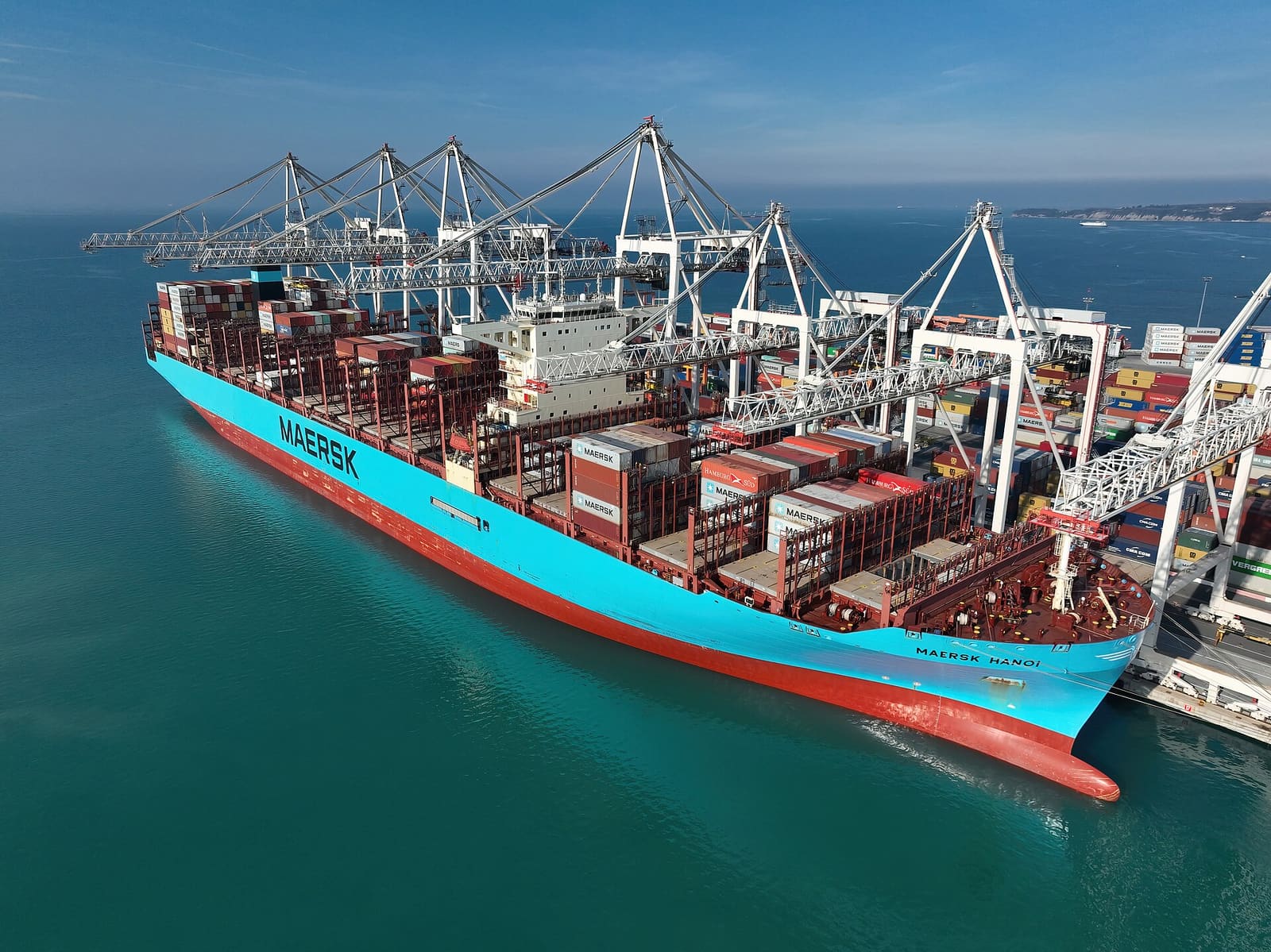
An NVOCC is a company that acts as a carrier to its customers — issuing its own bill of lading, taking responsibility for the cargo, and quoting rates — without owning or operating the actual vessels that carry the cargo. Instead, an NVOCC purchases container space in bulk from actual vessel-operating carriers (VOCCs) like Maersk, MSC, CMA CGM or COSCO Shipping, then resells that space, often broken down into smaller units, to its own client base. In effect, an NVOCC sits between the shipper and the vessel operator, taking on a carrier's legal responsibilities toward its customers while relying on someone else's ships to actually move the freight.
NVOCC vs. VOCC: The Core Distinction
A VOCC — a vessel-operating common carrier — owns or charters the actual ships, publishes sailing schedules, and issues what's known as the master bill of lading covering the vessel's full cargo. An NVOCC, holding space on that vessel, issues its own house bill of lading to its individual customers, referencing the master bill of lading behind it but standing as a separate contractual document between the NVOCC and the shipper. This two-tier bill of lading structure is central to how NVOCCs work, and it's worth understanding if you ever need to trace a shipment or resolve a cargo claim, since the house bill of lading — not the master — is usually the document that governs your relationship with your carrier of record.
Why Shippers Actually Benefit From Working With an NVOCC
Working with an NVOCC rather than booking directly with a vessel operator offers several practical advantages, particularly for small and mid-sized importers. NVOCCs typically negotiate volume-based contract rates across multiple vessel operators, giving them access to competitive pricing and space allocations that an individual small shipper booking alone would struggle to secure. Because an NVOCC isn't tied to a single carrier's vessel network, it can also offer more flexibility across trade lanes and sailing schedules, routing cargo via whichever underlying carrier best fits a given shipment's destination and timing. NVOCCs are also the primary providers of less-than-container-load (LCL) consolidation services, combining multiple shippers' smaller cargo lots into a single container — something an individual vessel operator generally does not offer directly to small shippers. Finally, working with an NVOCC means a single point of contact and a single set of documentation regardless of which underlying carrier or vessel actually moves the box, which simplifies tracking, invoicing and claims handling considerably.
Regulatory Status and Financial Bonding
Because an NVOCC takes on carrier-level legal responsibility without owning vessels, most jurisdictions with significant container trade require NVOCCs to register and, in many cases, post a financial bond or guarantee as a condition of operating — in the United States, for example, NVOCCs must register as Ocean Transportation Intermediaries with the Federal Maritime Commission — a safeguard intended to protect shippers if the NVOCC fails to meet its obligations. This registration and bonding process is a meaningful marker of legitimacy in a shipper's due diligence: an NVOCC that can point to its registrations and bonding in the markets it serves has made a real financial and regulatory commitment to the role, rather than simply calling itself a "carrier" informally.
How NVOCC Status Relates to Forwarding and Brokerage
NVOCC status is a distinct role from both freight forwarding and customs brokerage, though the same company often holds more than one of these roles simultaneously. A freight forwarder arranges the broader multimodal movement of cargo and may or may not also hold NVOCC status for the ocean freight leg specifically; a customs broker handles the separate function of clearing cargo through a given country's customs authority, following classification and procedural standards set internationally by the World Customs Organization. Our companion piece on the difference between a freight forwarder and a customs broker covers that distinction directly if you're trying to map out exactly which entity does what across your supply chain.
What NVOCC Status Means Practically for Importers
- Cargo liability — your contractual relationship for loss, damage or delay generally runs through the house bill of lading terms issued by the NVOCC, not directly against the underlying vessel operator.
- Consolidated LCL options — smaller shipments can move economically without needing to fill a full container, thanks to the NVOCC's consolidation service.
- Resilience across carrier alliances — an NVOCC booking across multiple ocean carriers and alliances, including groupings like Gemini, Premier and Ocean Alliance, can route around capacity or reliability issues affecting any single alliance.
Comparing the Roles
| Role | Owns Vessels? | Issues Bill of Lading? |
|---|---|---|
| VOCC (e.g. Maersk, COSCO) | Yes | Master bill of lading |
| NVOCC | No | House bill of lading |
| Customs Broker | No | No — files customs entries instead |
Choosing an NVOCC Partner
When evaluating an NVOCC, it's worth asking about financial bonding and registration status, the breadth of its underlying carrier network, its track record on claims handling, and whether it also offers LCL consolidation for smaller shipments — questions similar to those we outline in our guide to choosing the right freight forwarder. RR Brothers and Logistics operates as a registered NVOCC alongside our broader freight-forwarding and customs-clearance capability, which means clients get consolidated, carrier-agnostic ocean freight booking as part of a single door-to-door service rather than needing to separately manage vessel-operator relationships themselves.
The Bottom Line
An NVOCC is neither a shipping line nor simply a middleman — it's a distinct, regulated role that gives shippers flexibility, consolidation options and a single accountable point of contact across a multi-carrier ocean freight network. Understanding what sits behind that acronym on your bill of lading helps you know exactly whose terms govern your shipment and what recourse you have if something goes wrong in transit.
Frequently Asked Questions
Yes — RR Brothers and Logistics operates as a registered NVOCC alongside its broader freight-forwarding and customs-clearance services, issuing its own house bills of lading rather than simply reselling another company's booking.
The master bill of lading is issued by the vessel-operating carrier and covers the ship's full cargo, while the house bill of lading is issued by the NVOCC to its own customer — and it's usually the document that actually governs the shipper's relationship with their carrier of record.
No — an NVOCC purchases container space in bulk from vessel-operating carriers like Maersk or COSCO Shipping and resells it, often in smaller units, while taking on carrier-level legal responsibility for the cargo itself.
NVOCCs typically negotiate volume-based rates across multiple carriers, offer LCL consolidation that individual vessel operators don't provide directly to small shippers, and give importers one point of contact regardless of which underlying carrier actually moves the container.