A Solutions Package That Looks Different Than It Did Five Years Ago
A logistics solutions contract signed in 2026 looks meaningfully different from one signed five years earlier, even if the underlying services — freight, customs, warehousing, distribution — are described in almost identical language. What has changed is the layer of logistics solutions technology sitting underneath: instant quoting engines, warehouse automation, live shipment visibility and data-driven planning tools that used to be premium add-ons and are now close to a baseline expectation. RR Brothers and Logistics has adopted this technology gradually and deliberately over its ten years in the market, and this article looks at which tools are actually changing outcomes for shippers versus which are still more promise than practice.
The Most Disruptive Technologies Right Now
Three categories of logistics solutions technology stand out as genuinely disruptive in 2026 rather than incremental. First, AI-assisted quoting and booking systems, which compress what used to be a multi-hour rate-checking process into a near-instant comparison across modes and carriers — our companion piece on AI in freight forwarding covers this specific shift in detail. Second, warehouse automation — conveyor and sortation systems, automated storage and retrieval, and increasingly, semi-autonomous picking robots — which is changing the economics of warehousing enough that some facilities can now handle volume that would have needed double the floor space and headcount a decade ago. Third, integrated visibility platforms that pull data from carriers, ports and customs systems into a single dashboard, replacing the old pattern of a shipper calling several different parties to piece together where a shipment actually stands.
Automation's Effect on Warehouse-Based Logistics Solutions
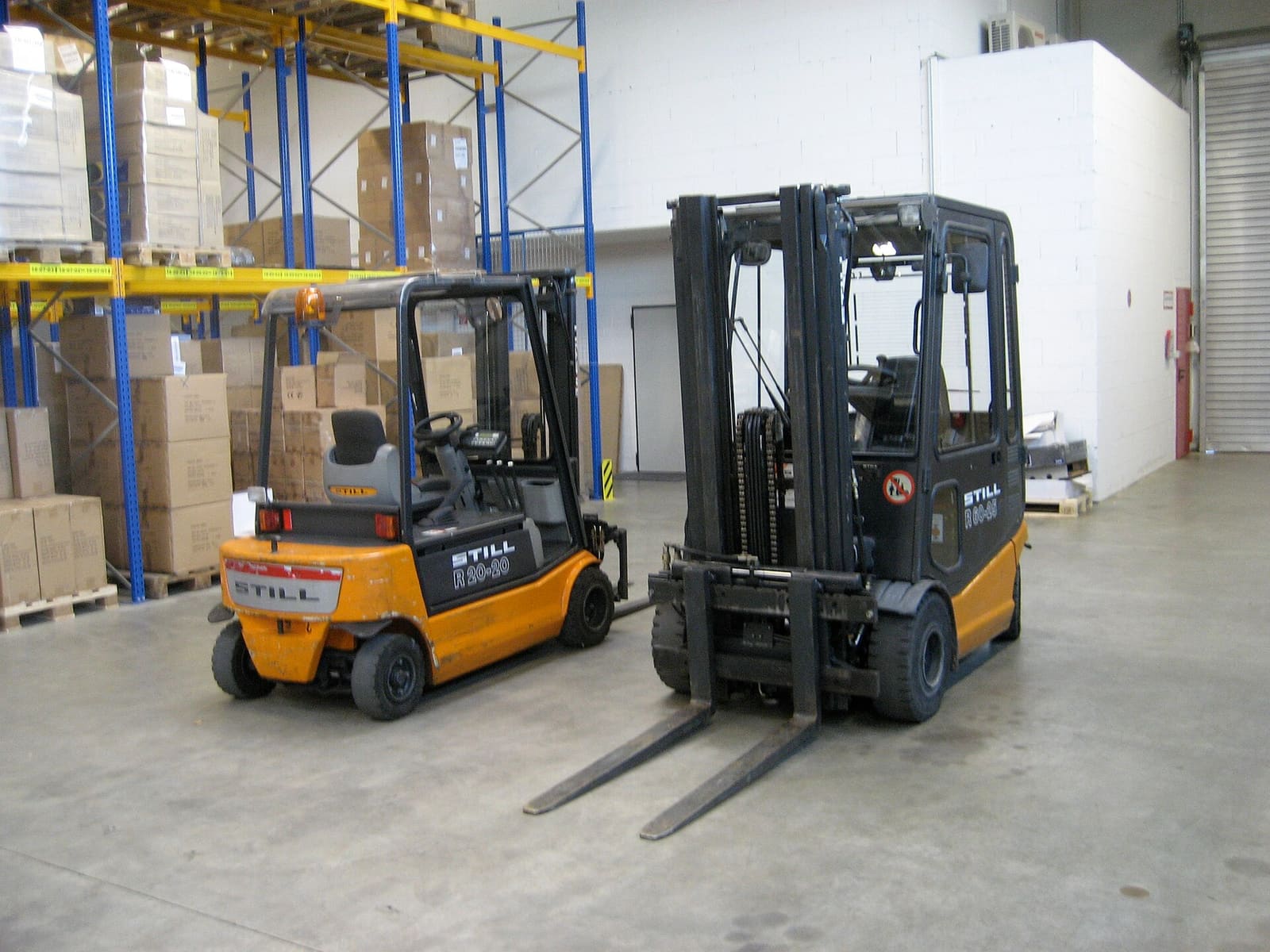
Warehousing has arguably been transformed more than any other part of the logistics solutions chain. Automated storage and retrieval systems reduce the floor space needed per unit stored, since vertical racking served by robotics doesn't need the wide aisles a forklift requires. Barcode and RFID-driven inventory systems have cut manual stock-count errors sharply compared to paper-based counting, and predictive slotting — placing fast-moving stock closer to dispatch based on historical demand patterns — shaves meaningful time off order fulfillment. None of this eliminates the need for skilled warehouse staff; it shifts their role from repetitive physical tasks toward exception handling, quality control and system oversight, which is a better use of experienced people in a facility handling regular volume.
Do Smaller Logistics Providers Have Access to the Same Technology?
This is a fair and increasingly important question, because technology access has historically favoured the largest global players who could afford enterprise software licences and custom-built platforms. That gap has narrowed considerably. Cloud-based transport management systems, software-as-a-service quoting tools and shared visibility platforms mean a mid-sized regional forwarder can now offer digital capability that would have required a much larger technology budget a few years ago. What still separates providers isn't always the software itself but how well it's integrated into daily operations — a provider with the right tools but poor internal process discipline won't out-perform an experienced team using simpler systems well. A forwarder's honest answer about which parts of its own workflow are genuinely automated versus manually supported behind a digital front end is worth asking for directly.
Technology Adoption: A Realistic Snapshot
| Technology | Where It's Used Today | Maturity |
|---|---|---|
| AI-assisted quoting | Standard-lane FCL/LCL bookings | Established |
| Warehouse automation / robotics | High-volume distribution centres | Growing steadily |
| Live shipment visibility platforms | Sea, air and rail tracking across carriers | Established on major lanes |
| Blockchain-based documentation | Pilot programs, select carrier alliances | Early stage |
Where Technology Still Falls Short
It's worth being candid about the limits. Fully automated exception-handling — a shipment misrouted mid-transit, a customs query that doesn't fit a standard template, a warehouse discrepancy that needs physical investigation — still routes back to experienced staff in almost every case. Technology adoption is also markedly uneven across the markets RR Brothers serves: digital customs and port systems are well developed in China, India and Turkey, while parts of Kenya and Nigeria still rely more heavily on manual document checks and locally negotiated clearance steps, even as digitisation programs continue to expand there. A logistics solutions provider that promises the same fully automated experience regardless of destination is either overstating its capability or hasn't actually tested it on the harder lanes.
What This Means for Businesses Choosing a Provider
The practical takeaway for a business evaluating logistics solutions technology is to focus less on the length of a provider's feature list and more on what that technology actually changes for a shipment moving through the markets that matter to your business. A polished quoting portal is a genuine convenience, but it's worth confirming what happens once that quote becomes a live shipment — is tracking data actually current, does the system flag delays proactively, and is there a real person behind the interface when something needs judgment rather than a lookup. Businesses working through our guide to choosing a logistics solutions provider will find technology integration is one of several factors worth weighing, not the only one, and worth testing before committing to a full contract rather than taking a sales demo at face value.
A Note on Digital Standards Behind the Scenes
Much of this technology only works because of standardisation efforts happening at a level most shippers never see directly. Trade facilitation research from UNCTAD has tracked how digital processes and standardised data exchange reduce documentary friction across borders, and the World Customs Organization has actively promoted electronic, risk-based customs processing among member administrations — both of which underpin the visibility and automated clearance tools that logistics providers now build client-facing features on top of. This connects directly to the broader shift our clients have seen over the past few years, covered in more detail in how digital technology is changing China shipping in 2026.
RR Brothers and Logistics invests in logistics solutions technology where it genuinely improves a client's outcome — faster quoting, cleaner documentation, live visibility across China, India, Turkey, Kenya and Nigeria — while keeping experienced staff at the centre of every shipment that needs judgment rather than a lookup. As logistics technology keeps advancing through 2026 and beyond, that balance between automation and experienced people is what we expect to keep separating a genuinely useful logistics solutions provider from one that's simply well marketed.
Frequently Asked Questions
AI-assisted quoting and booking, warehouse automation and robotics, and integrated shipment visibility platforms stand out as the most genuinely disruptive technologies, changing both cost structures and the day-to-day experience of managing a shipment.
Automated storage and retrieval systems, RFID-driven inventory tracking and predictive slotting are reducing floor space needs, cutting manual errors, and speeding up order fulfillment, while shifting warehouse staff roles toward exception handling and oversight rather than repetitive tasks.
Largely yes now. Cloud-based transport management systems and shared visibility platforms have narrowed the gap that once favoured only the largest global players, though how well a provider integrates that technology into daily operations still varies significantly.
No. Digital customs and tracking infrastructure is well developed in China, India and Turkey, while parts of Kenya and Nigeria still rely more on manual checks even as digitisation expands there — a provider should be upfront about where automation genuinely applies versus where experienced local staff still carry the process.