The international freight forwarding process looks different depending on which side of it you stand. Shippers see a quote, a booking and, eventually, delivery. Inside the forwarder, the work runs through a sequence of stages, each with its own inputs, deadlines and checks. Knowing that sequence helps you give the right information at the right time, and understand why a forwarder asks what it asks. This guide walks through the twelve stages of the international freight forwarding process, describing what the forwarder does and what you need to provide at each one.
For a roles-and-flows view of the same system, see how freight forwarding works in international trade.
The Twelve Stages at a Glance
| Stage | What the forwarder does | What you provide |
|---|---|---|
| 1. Enquiry and quote | Prices the move on the information given | Cargo details, locations, dates, Incoterm |
| 2. Booking | Reserves space with the carrier | Confirmation of the quote and shipping instructions |
| 3. Cargo readiness | Confirms pickup or delivery to a facility | Cargo-ready date and packing details |
| 4. Receipt and consolidation | Receives cargo, checks and combines it where suitable | Cargo that matches the packing list |
| 5. Documentation | Prepares or checks transport and shipping documents | Invoice, packing list, licences, instructions |
| 6. Export formalities | Coordinates the export declaration and release | Accurate descriptions, values and HS codes |
| 7. Loading and carriage | Arranges loading and the main leg | Verified weight where required |
| 8. Tracking | Monitors and reports status | Contacts to receive updates |
| 9. Arrival and notice | Tells you the cargo has arrived and what is needed | Importer details and clearance instructions |
| 10. Import clearance | Coordinates the import declaration, duty and release | Duty funds and any additional documents |
| 11. Delivery | Arranges transport to the final address | Delivery address, contact and receiving hours |
| 12. Invoicing and review | Issues the final invoice and handles claims | Prompt feedback on any issue |
Stages 1 to 3: Before the Cargo Moves
Enquiry and quote
The forwarder can only price what it knows. A useful enquiry gives the goods description, quantity, weights and dimensions, origin and destination, the cargo-ready date, the Incoterm and any special needs such as dangerous goods or temperature control. Under the ICC's Incoterms 2020, the term decides who arranges which parts, so an enquiry without one invites misunderstanding.
Booking
A booking converts the quote into a reservation. It confirms the service, schedule and price, and starts the clock on cut-offs. Our guide to booking cut-off times explains why. Read the booking confirmation as carefully as the quote: it is the document to hold the forwarder to.
Cargo readiness
The forwarder needs to know when and where the cargo will be ready. A cargo-ready date that slips can cause a missed sailing, so tell the forwarder as soon as you know. Packing, marking and any inspection should be finished by then. For raw wood packaging, the international standard ISPM 15 requires treatment and marking, and your forwarder will expect you to have confirmed it.
Stages 4 to 7: Receiving, Documents and Carriage
Receipt and consolidation
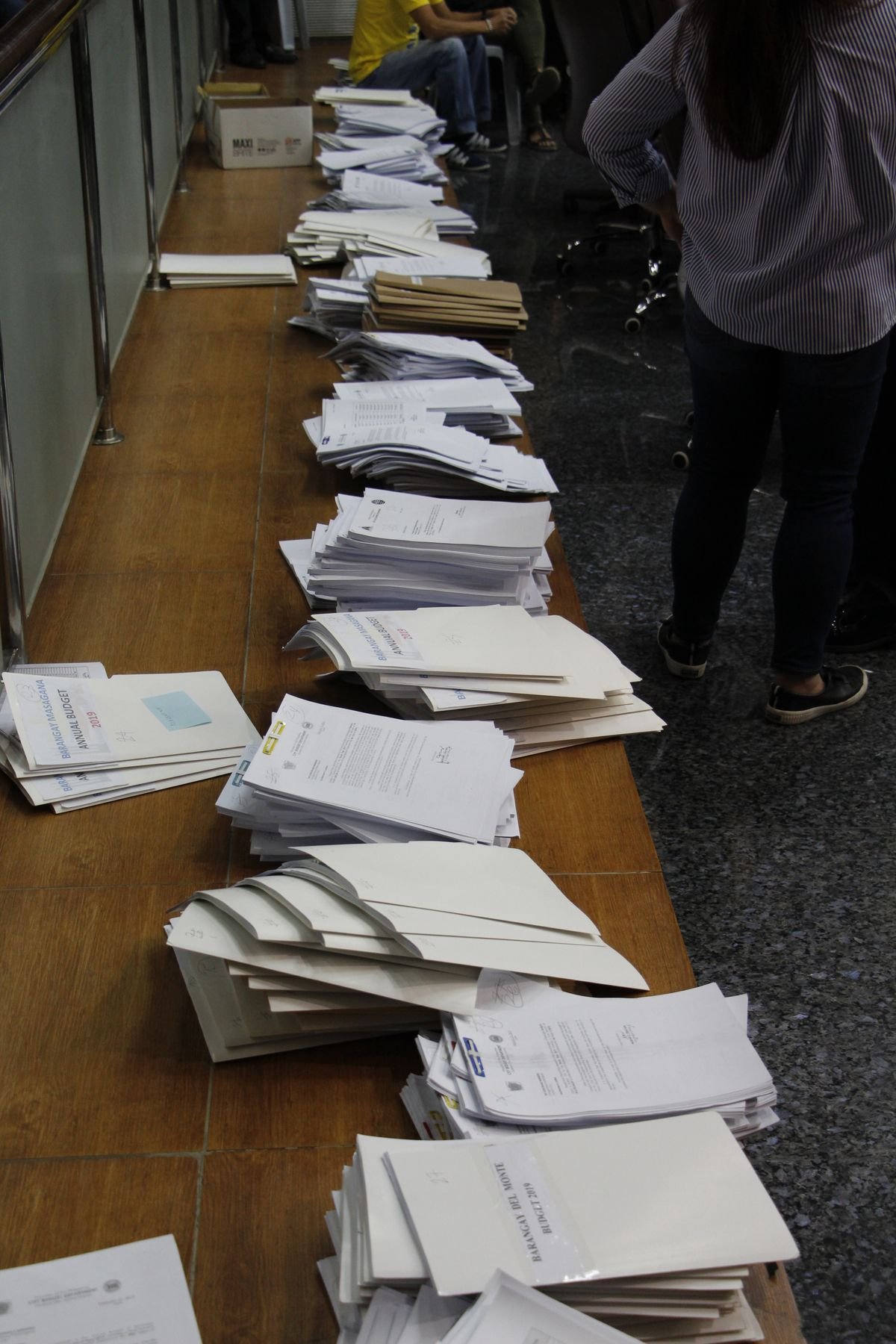
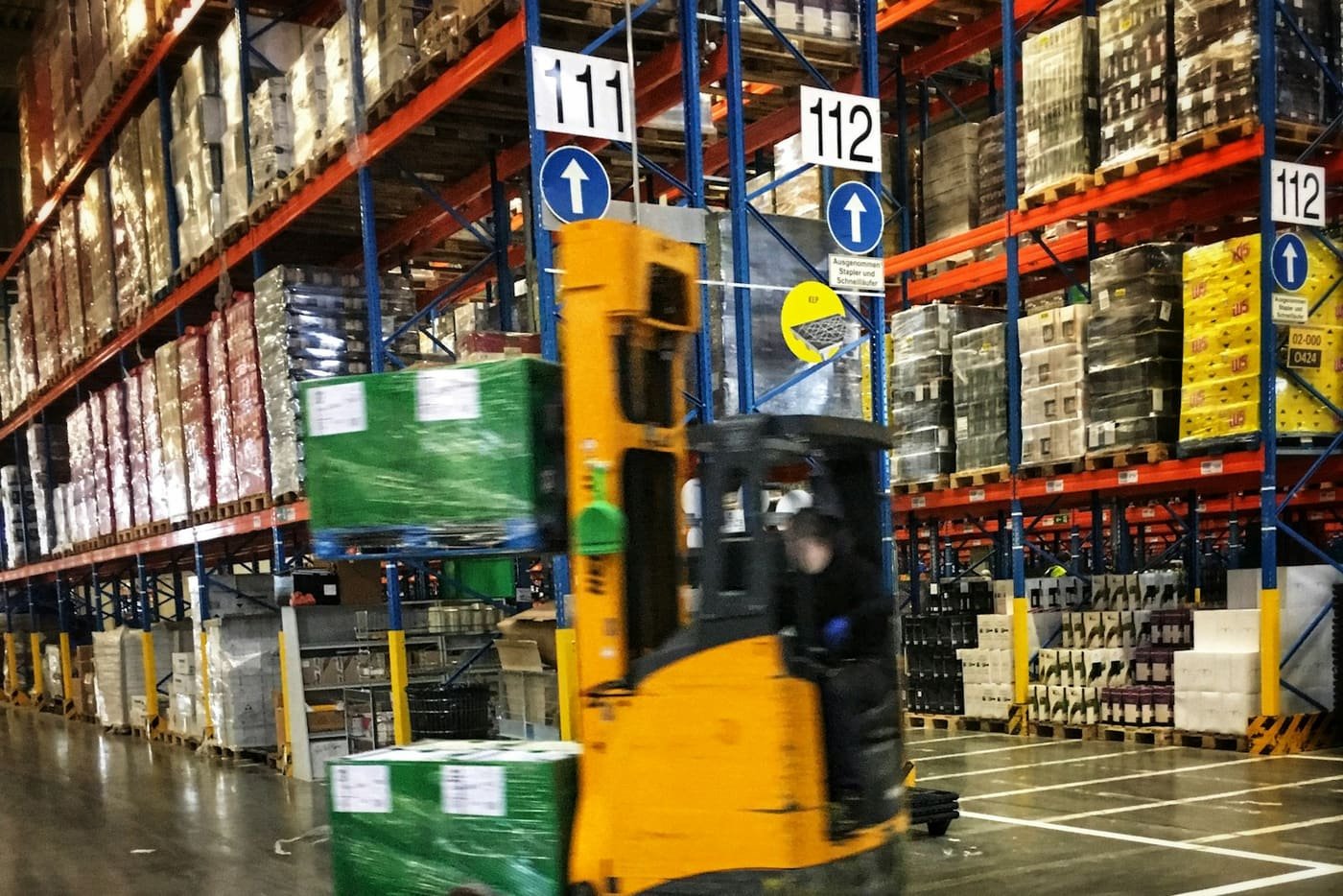
When cargo reaches the forwarder's facility or a freight station, it is checked against the packing list for quantity and condition. For less than container loads, it is combined with other cargo. Differences between the cargo and the paperwork should be sorted out now, not after the cargo has sailed.
Documentation
The core documents depend on the mode and the trade. India's Foreign Trade Policy 2023 lists the mandatory import documents as the bill of lading or airway bill, a commercial invoice cum packing list and the bill of entry, and says regulators can require more for particular goods. The forwarder prepares or checks the transport document against your instructions, and asks you to confirm it before it is issued.
Export formalities
The export declaration is handled according to the rules of the country of origin. Under China's Decree No. 103, for example, the declaration for export goods is made after the goods reach the customs control area and at least 24 hours before loading; the decree dates from 2003, so confirm current practice with your forwarder. Who files it depends on your Incoterm and your arrangement.
Loading and carriage
For sea freight, the container is loaded and sealed, and under SOLAS guidance from the IMO the shipper declares a verified gross mass in the shipping document and sends it to the master and the terminal before loading. The forwarder confirms who will provide the figure and by when. The carrier then carries the cargo, and the carrier's or forwarder's transport document is issued.
Stages 8 to 12: Tracking, Clearance, Delivery and Review
Tracking
Good forwarders report on milestones and tell you about changes early. Tracking is only useful if it reaches the person who can act on it, so give the forwarder the right contacts.
Arrival and notice
When the cargo arrives, the forwarder or carrier tells you and says what is needed to release it. Prepare in advance, because charges start to run when cargo waits.
Import clearance
In India, Section 46 of the Customs Act, 1962 puts the bill of entry on the importer, and allows it to be presented up to thirty days before expected arrival. Duty on a self-assessed entry is payable on presentation (Section 47). Customs brokerage at a customs station requires a licence under Section 146, so the forwarder's clearance is done by a licensed broker, in-house or partner. The importer must ensure the accuracy and completeness of the information (Section 46(4A)).
Delivery
After release, cargo is moved to the delivery address. Give the forwarder the address, a contact and the receiving hours, and check the cargo against the packing list on arrival, noting any damage or shortage on the paperwork.
Invoicing and review
The forwarder issues its final invoice. Compare it with the quote line by line and ask about anything that differs. After the shipment, review what worked and what did not. Our guide to booking checklists and documents can help you prepare for the next one.
Where Delays Usually Start
Delays often begin with the stages before the cargo leaves: late cargo, missing or inconsistent documents, a missed cut-off or a weight that was not supplied in time. They can also start at arrival, when funds or paperwork for clearance are not ready. A forwarder can warn you, but it can only work with the information and timing you give it.
How to Be a Good Shipper
- Give complete, accurate instructions early.
- Keep documents consistent with each other and with the cargo.
- Tell the forwarder immediately when dates or details change.
- Answer questions quickly, especially near cut-offs.
- Review each shipment and share what you learned.
How the Process Differs by Mode
The twelve stages hold for every mode, but the details change.
- Sea freight: cut-offs for documents and port gate-in, a verified gross mass for each packed container and a bill of lading. LCL adds consolidation at a freight station and deconsolidation at the destination.
- Air freight: airline cut-offs, chargeable weight based on actual and volumetric weight, security screening and an airway bill. Timelines are shorter, so each stage has less slack.
- Road and rail: consignment notes, border and inland clearance points, and delivery windows that depend on routes and schedules.
- Multimodal: one booking that spans several legs, which raises the importance of the hand-offs between them.
Documents by Stage
- Quote and booking: cargo details, quote acceptance, shipping instructions.
- Cargo readiness: commercial invoice, packing list, any licences or certificates.
- Export formalities: the declaration and its supporting documents.
- Carriage: the transport document and, for containers, the verified weight.
- Arrival and clearance: the bill of entry and its supporting documents, and any import licences.
- Delivery and review: proof of delivery and the final invoice.
Keep them together in one shipment file. It makes queries, claims and audits far easier to handle.
Follow the Process With RR Brothers and Logistics
RR Brothers and Logistics manages these stages for cargo moving from China, with sea freight, air freight and customs clearance and brokerage. Send us your cargo details and we will map the stages for your shipment.
Frequently Asked Questions
Enquiry and quote, booking, cargo readiness, receipt and consolidation, documentation, export formalities, loading and carriage, tracking, arrival and notice, import clearance, delivery, and invoicing and review.
The goods description, quantity, weights and dimensions, origin and destination, the cargo-ready date, the Incoterm and any special needs such as dangerous goods or temperature control.
A quote is a price for a described service. A booking reserves space with the carrier on a stated schedule, and starts the cut-off dates you have to meet.
The importer is responsible under Section 46 of the Customs Act for presenting the bill of entry, usually through a licensed customs broker, and must ensure its accuracy and completeness.
For a self-assessed entry, Section 47 of the Customs Act makes duty payable on the date the bill of entry is presented, with interest for late payment.
Often before the cargo leaves, with late cargo, inconsistent documents, a missed cut-off or a late weight declaration, and at arrival when funds or paperwork for clearance are not ready.
Sources
- ICC: Incoterms 2020 rules
- IPPC/FAO: ISPM 15, Regulation of wood packaging material in international trade (2018)
- DGFT: Foreign Trade Policy 2023, Chapter 2 (para 2.06, mandatory documents)
- General Administration of Customs of China: Decree No. 103 (declaration provisions)
- IMO: Verification of the gross mass of a packed container (SOLAS)
- CBIC: Customs Act, 1962 (Sections 46, 47 and 146)
This article is general information, not legal, tax or customs advice. Rules, rates and procedures change; confirm current requirements with the relevant authority or a licensed customs professional before you ship. Regulatory references were checked against the official sources listed above on 25 October 2026.
Image credits: header photo by Daniel Miksha on Unsplash; photo by Bernd Dittrich on Unsplash. Used under the Unsplash License.
Request a Quote