A Relationship That Remains Central to Global Trade
US-China trade continues to be one of the largest bilateral trade relationships in the world. Even as sourcing patterns shift and diversify, the volume of goods moving from Chinese factories to American importers remains substantial, and the logistics decisions surrounding that flow have only grown more consequential. For importers, the practical challenge is rarely whether to keep sourcing from China — it is how to keep doing so predictably while tariff policy continues to evolve.
Why Tariff Exposure Starts with Classification
Tariff schedules for US-bound cargo are tied directly to Harmonized System (HS) codes. Two shipments that look similar on a packing list can carry very different duty rates depending on how they are classified, and reclassification after the fact is far more disruptive — and costly — than getting it right at the time of booking. Accurate, defensible HS classification is the foundation of a predictable landed cost, not an afterthought to be handled once cargo is already in transit.
Documentation Discipline
Commercial invoices, packing lists and certificates of origin need to be consistent with the HS codes declared for a shipment. Inconsistencies between these documents are one of the most common triggers for a customs hold, and they are entirely avoidable with a disciplined booking process.
Planning Around Tariff Complexity, Not Guessing
Tariff exposure on any given product category can change, and importers who treat their landed-cost estimate as fixed rather than actively monitored are the ones most likely to be caught off guard. Building a habit of confirming current duty treatment before each booking cycle, rather than assuming a previous quarter's numbers still apply, keeps budgeting realistic and keeps procurement decisions grounded in current information rather than outdated assumptions.
Why Direct US Gateway Experience Matters
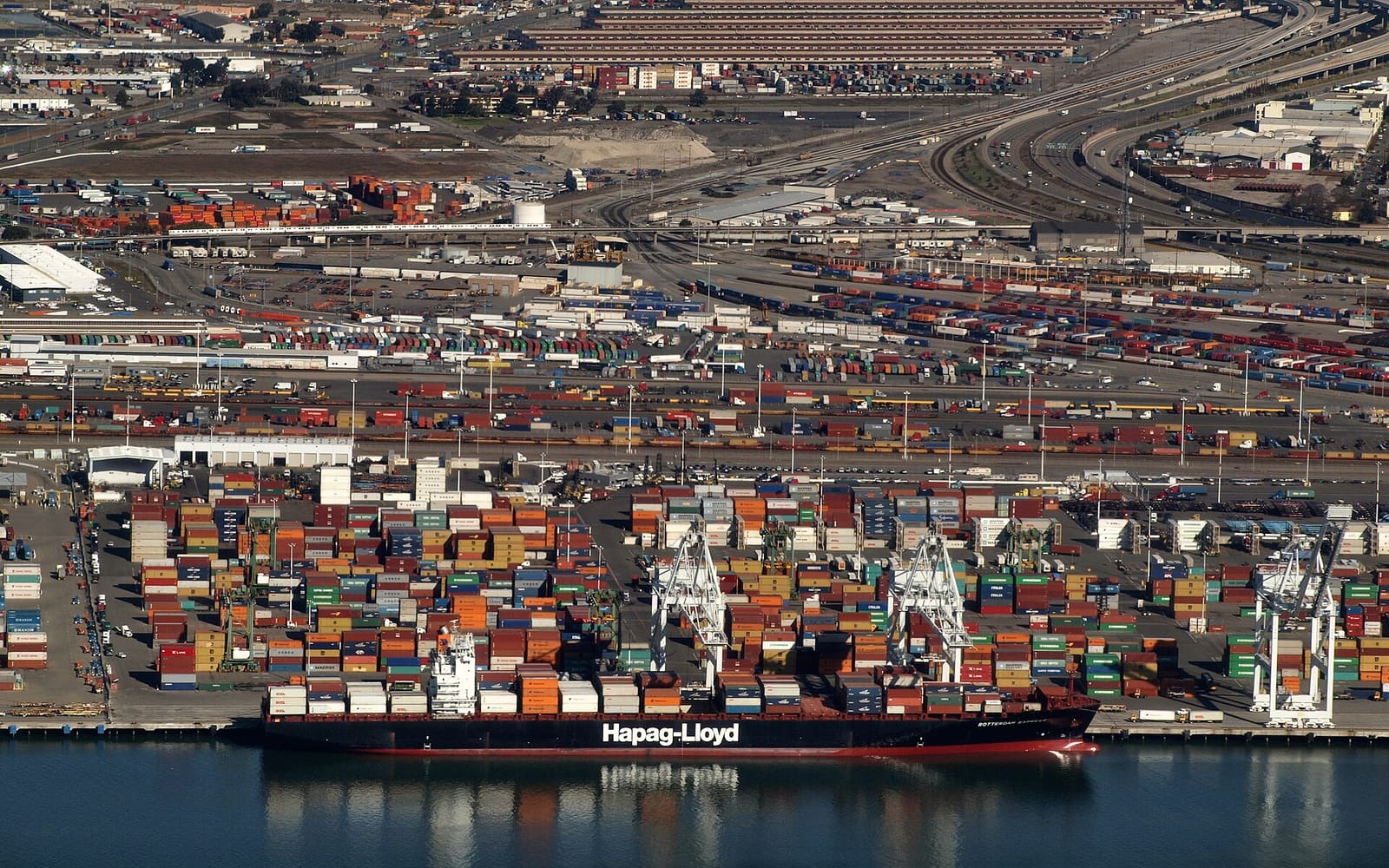
Not all US-bound cargo should move through the same gateway. Routing decisions between West Coast entry points such as the Port of Los Angeles/Long Beach and East Coast entry points such as the Port Authority of New York/New Jersey affect transit time, inland trucking distance, and exposure to regional port congestion. A forwarder with direct operating experience at both coasts can match the routing to the cargo's actual destination and urgency, rather than defaulting to whichever lane is most familiar.
Where RR Brothers and Logistics Fits In
Operating from our Guangzhou headquarters with export operations built around China's major origin ports, we book and track US-bound freight through our ocean partners — including COSCO Shipping, Maersk, CMA CGM, MSC, ONE, Hapag-Lloyd and Evergreen — and coordinate customs documentation before cargo ever reaches US soil, so that classification and paperwork are settled well ahead of arrival rather than scrambled together at the last minute.
A Practical Approach for 2026
Tariffs will keep evolving, and no forwarder can responsibly promise a fixed number that never changes. What we can offer instead is a consistent process: accurate classification, complete documentation, and routing decisions based on your cargo's actual profile rather than habit. That combination is what keeps US-China trade lanes workable for importers even when policy itself is in motion.
Frequently Asked Questions
Tariff schedules for US-bound cargo are tied directly to HS codes, and two similar-looking shipments can carry very different duty rates depending on classification. Reclassification after the fact is far more disruptive and costly than getting it right at the time of booking.
Inconsistencies between the commercial invoice, packing list, certificate of origin and the declared HS codes are one of the most common triggers, and they're entirely avoidable with a disciplined booking process.
No — routing between West Coast entry points like Los Angeles/Long Beach and East Coast entry points like New York/New Jersey affects transit time, inland trucking distance and exposure to regional congestion. The right gateway depends on the cargo's actual destination and urgency, not habit.
Before each booking cycle, rather than assuming a previous quarter's numbers still apply. Tariff exposure on any given product category can change, and treating a landed-cost estimate as fixed is what leaves importers caught off guard.