What Makes Yiwu Different From Other Sourcing Hubs
Yiwu, in Zhejiang province, is home to the Yiwu International Trade Market — often called Futian Market — widely regarded as the largest wholesale market for small commodities anywhere in the world. Unlike Guangzhou or Shenzhen, which are known for manufacturing clusters in electronics, apparel or hardware, Yiwu is built around trading: tens of thousands of stalls and showrooms, organized into numbered districts, each representing dozens of manufacturers selling everything from jewelry, toys, stationery, artificial flowers and Christmas decorations to kitchenware, hardware, textiles and packaging materials. For buyers who need a wide variety of low-to-mid-value SKUs from many different factories, Yiwu compresses what would otherwise be weeks of separate factory visits into a market that can, in principle, be walked in a matter of days.
From Stall to Warehouse: How Orders Get Consolidated
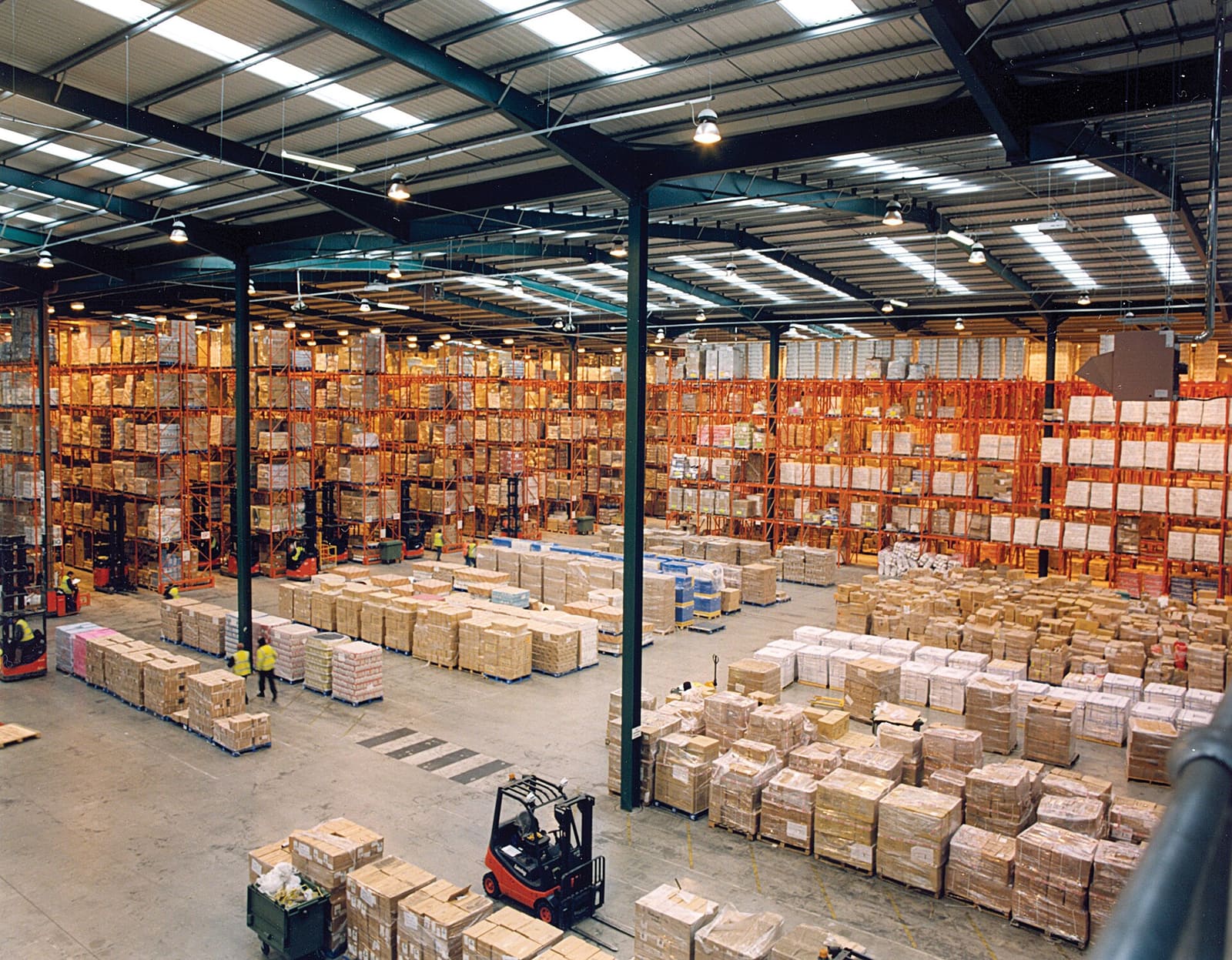
The defining logistics challenge at Yiwu is that a single buyer's order is rarely a single supplier's cargo. A small business placing one purchase order might end up buying from a dozen or more stalls scattered across several market districts, each producing a modest quantity that on its own would never fill a container. That cargo has to be collected from each vendor, checked against the order, and consolidated at a warehouse before it can be packed for export — a process typically handled by a local sourcing agent, trading company, or a forwarder's Yiwu-based warehouse team rather than by the buyer personally chasing dozens of suppliers.
Market Districts and What They Sell
Yiwu's market complex is organized into five main districts, each specializing in broad product categories — decorations, jewelry and accessories in one district, toys, sports goods and luggage in another, hardware, tools and electronics in a third, and so on through knitwear, textiles and imports/exports. Knowing which district covers which category before a sourcing trip saves considerable time, and most experienced buyers work with a local agent who already knows which stalls within a district are reliable for a given product line, since quality and MOQ (minimum order quantity) can vary significantly between vendors selling superficially similar goods.
LCL Consolidation: Why Most Yiwu Cargo Ships This Way
Because individual orders are typically a mix of small quantities from many suppliers, most Yiwu export cargo moves as LCL (less-than-container-load) sea freight rather than FCL, sharing container space with other shippers' cargo through a consolidator. This keeps freight costs proportional to actual volume for buyers who don't yet have enough product to justify a full container, but it does add a layer of coordination: LCL cargo needs to be palletized or crated to survive being loaded and unloaded alongside other shippers' goods, and transit times run somewhat longer than FCL because of the extra consolidation and deconsolidation steps at both ends. Buyers scaling toward regular, larger-volume orders eventually graduate to FCL bookings once a single supplier relationship or a combined order routinely fills a 20ft or 40ft container on its own.
Working With Trading Agents and Sourcing Agents
Very few overseas buyers navigate Yiwu's market alone on a first visit. Local sourcing agents and trading companies handle supplier negotiation, quality checks at the stall level, consolidation at a bonded or general trade warehouse, and the paperwork needed to combine multiple suppliers' goods into one export shipment. A freight forwarder with an established presence or partner network in Yiwu can coordinate directly with these agents so that cargo moves from warehouse consolidation straight into export packing and booking, rather than requiring the buyer to separately manage sourcing and logistics as two disconnected relationships.
Packing Small, Mixed-SKU Orders for Export
Consolidated Yiwu shipments often contain dozens of different product lines in a single container or LCL lot, which makes clear carton marking and an accurate packing list essential — customs authorities at destination, whether Indian Customs, EU customs, Turkish Customs, the Kenya Revenue Authority or the Nigeria Customs Service, expect the packing list and commercial invoice to itemize contents by carton in enough detail to match the declared HS codes. Mixed cargo also benefits from careful physical packing: fragile items such as glassware or artificial flowers need separate cushioning from harder goods like hardware or tools sharing the same pallet, and cartons should be grouped and labeled by SKU to speed up any inspection and to make destination unpacking manageable.
Getting Cargo from Yiwu to Port
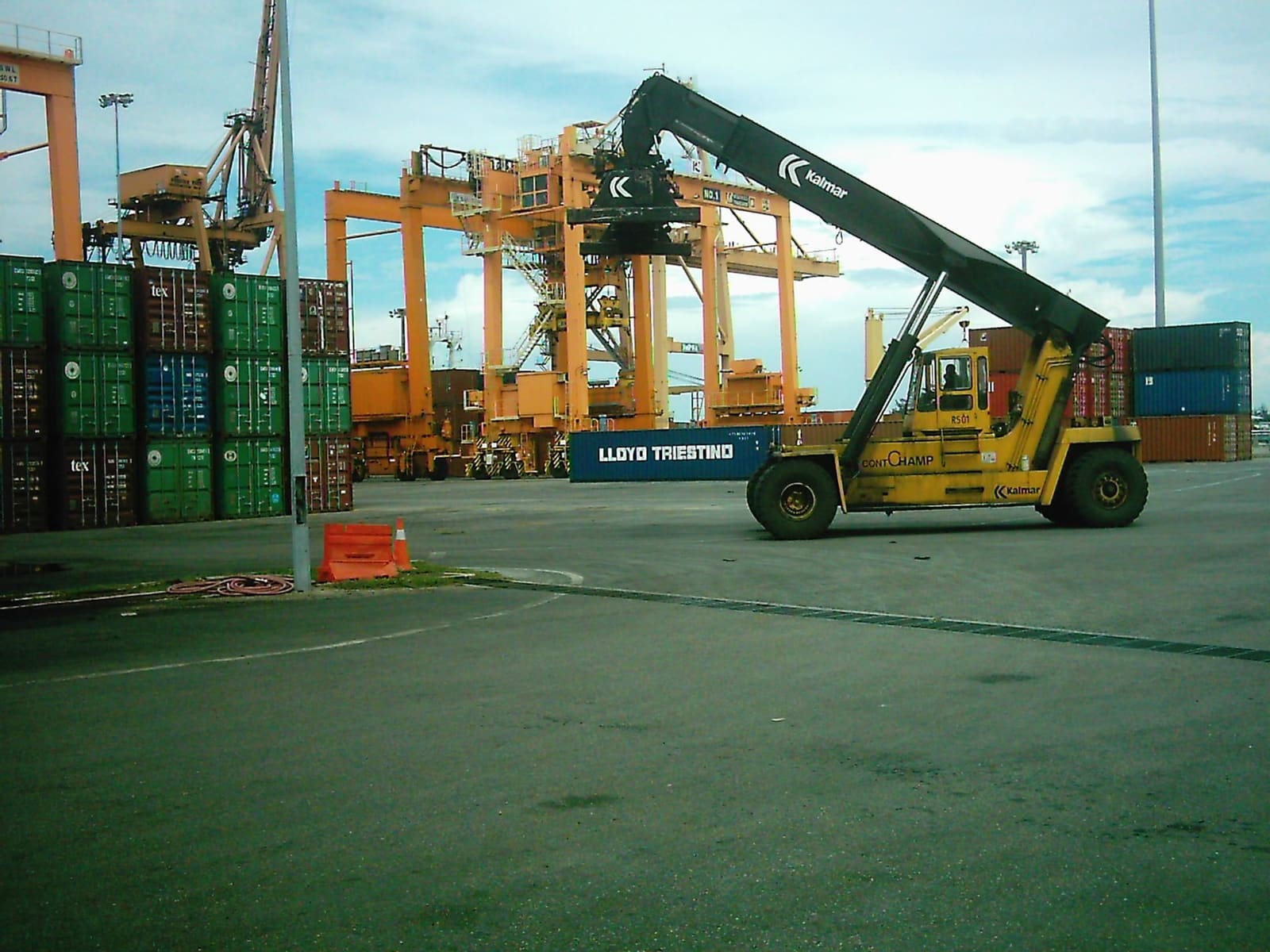
Yiwu itself is inland, so consolidated cargo generally moves by truck to a nearby port — most commonly Ningbo-Zhoushan, one of the world's busiest container ports, with some cargo also routed through Shanghai depending on carrier schedules and destination. This inland trucking leg adds a day or two to the overall timeline compared with cargo that originates directly at a coastal factory, and it's a step a forwarder typically bundles into an all-in quote covering trucking, port handling, and the ocean or LCL consolidation charges together, rather than leaving the buyer to arrange each leg separately.
Tips for First-Time Yiwu Buyers
- Budget real time for consolidation — collecting goods from many stalls and checking them against your order takes longer than sourcing from a single factory.
- Confirm MOQs before committing, since minimums vary widely stall to stall even within the same product category.
- Use a forwarder or agent who can combine LCL consolidation, export documentation and inland trucking into one coordinated booking rather than juggling several vendors yourself.
RR Brothers and Logistics supports buyers sourcing from Yiwu and other Zhejiang trading hubs with consolidation, LCL and FCL booking, export documentation and door-to-door delivery to markets across Asia, Europe, the Middle East and Africa, acting as the single point of contact between a multi-supplier order and a shipment that lands as one coordinated delivery.
Frequently Asked Questions
Individual orders are typically a mix of small quantities from many stalls across the market, so LCL keeps freight costs proportional to actual volume until a buyer's combined order routinely fills a 20ft or 40ft container on its own.
Yiwu is inland, so cargo generally moves by truck to a nearby port — most commonly Ningbo-Zhoushan, with some cargo routed through Shanghai depending on carrier schedules. This inland leg adds a day or two versus cargo originating directly at a coastal factory.
Very few overseas buyers navigate Yiwu's market alone on a first visit. Local sourcing agents and trading companies handle supplier negotiation, stall-level quality checks, warehouse consolidation and the paperwork needed to combine multiple suppliers' goods into one export shipment.
Yiwu's market complex is organized into five main districts, each specializing in broad categories — decorations, jewelry and accessories in one, toys, sports goods and luggage in another, hardware, tools and electronics in a third, and so on through knitwear, textiles and imports/exports. Knowing which district covers which category before a sourcing trip saves considerable time.