The Core Trade-Off: Speed, Cost and Volume
Every China-origin shipment eventually comes down to the same question: air or sea? The honest answer is that neither mode is universally "better" — each is built around a different trade-off between transit speed, cost per kilogram, and how much volume you are moving. Air freight is fast and priced by weight; sea freight is slower and priced by container or cubic volume. Getting this decision right, shipment by shipment, is one of the most consistent ways importers control their landed cost.
When Air Freight Makes Sense
Air freight out of hubs like Guangzhou, Shenzhen and Shanghai suits cargo where time matters more than the per-kilogram rate: urgent restocks, new product launches, samples, and high-value goods where a few days saved reduces the cost of a stockout. It also suits smaller, lightweight shipments, since air freight is charged on the greater of actual or volumetric weight, which penalizes bulky, low-density cargo.
When Sea Freight Makes Sense
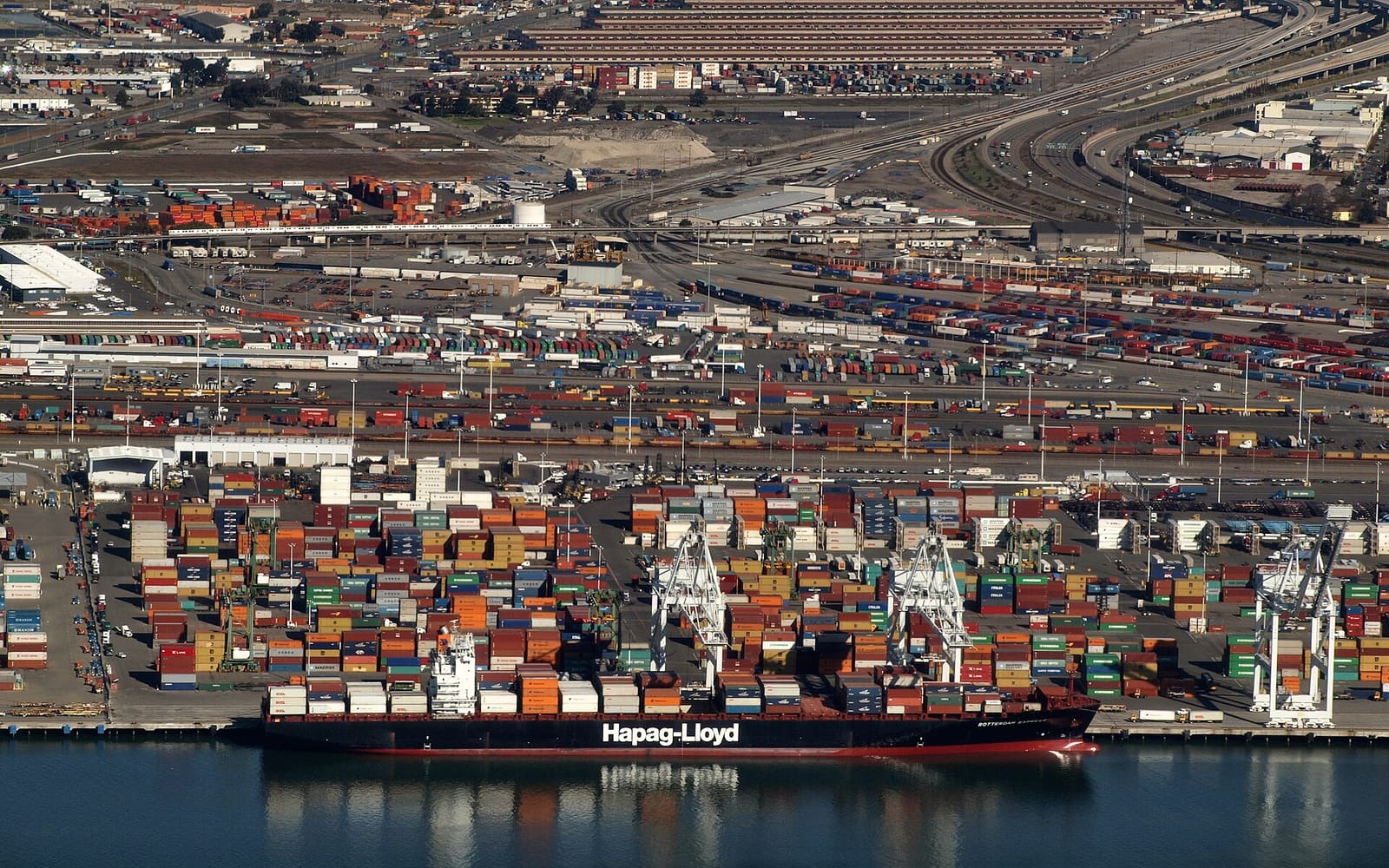
Sea freight — whether FCL or LCL — is the default for planned, larger-volume orders where cost per unit matters more than speed. Once cargo fills, or nearly fills, a container, the per-unit cost advantage of ocean freight over air is substantial, and predictable production and reorder cycles make the longer transit time easy to plan around.
Beyond Cost: Other Factors That Matter
Cargo Density and Dimensions
Dense, heavy cargo in a small footprint often ships more economically by air than low-density, bulky cargo of the same weight, because air pricing accounts for volumetric weight. Furniture and other bulky goods, by contrast, are usually poor candidates for air freight regardless of urgency.
Predictability and Booking Lead Time
Air freight capacity can tighten sharply around peak shipping periods and major holidays, while ocean freight, though slower, generally offers more advance booking flexibility outside of peak-season congestion. Neither mode is immune to delay, but the planning horizon differs.
Comparing Air and Sea at a Glance
| Factor | Air Freight | Sea Freight |
|---|---|---|
| Typical speed | Fastest option | Slower, but predictable |
| Cost basis | Priced by chargeable/volumetric weight | Priced by container or volume |
| Best for | Urgent, high-value, lightweight cargo | Large volume, planned reorders |
| Density sensitivity | Penalizes low-density, bulky cargo | Handles bulky cargo well |
| Booking flexibility | Tighter around peak periods | More advance flexibility, subject to peak congestion |
Blended Strategies: Using Both Modes
Many of our clients do not choose one mode exclusively. A common pattern is ocean freight for the bulk of a seasonal order, paired with a smaller air freight shipment to cover a gap before the sea shipment arrives, or to expedite a fast-selling item discovered mid-season. Multimodal routing can also combine sea freight into a regional gateway with faster onward road or rail delivery.
Getting the Mode Decision Right
The right choice depends on your specific cargo profile, order cycle and risk tolerance — not a fixed rule. Our team reviews weight, volume, value and required delivery window for each shipment and recommends air, sea, or a blended plan accordingly, drawing on direct relationships with ocean carriers including CMA CGM, COSCO Shipping, Maersk, MSC, ONE, Hapag-Lloyd and Evergreen, and air carriers including Emirates, Turkish Airlines, Air China, AirAsia, AirBridgeCargo Airlines, Qatar Airways, YTO Cargo Airlines and Lufthansa.
Frequently Asked Questions
Air freight is priced by chargeable (actual or volumetric) weight and generally costs several times more per kilogram than sea freight, which is priced by container or cubic volume. The gap widens sharply as cargo volume grows.
Air freight typically moves in days rather than weeks, while sea freight commonly runs several weeks door to port depending on the destination. The exact gap depends on the specific origin and destination pair.
Yes — a common strategy is shipping the bulk of an order by sea to control cost, with a smaller air freight shipment covering any gap before the sea shipment arrives or expediting a fast-selling item.
Yes. Air freight is charged on the greater of actual or volumetric weight, so dense, heavy cargo in a small footprint often ships more economically by air than bulky, low-density cargo of the same weight.