Why "How Long Does Shipping Take" Doesn't Have One Answer
Guangzhou to Los Angeles is one of the most heavily traveled trade lanes in global freight, and also one of the most frequently misquoted when it comes to transit time. The honest answer is that transit time is a range, not a fixed number, and the range depends on mode, carrier schedule, season, and what happens at the ports on both ends. This guide sets realistic expectations rather than a single promised figure.
Typical Sea Freight Transit Ranges
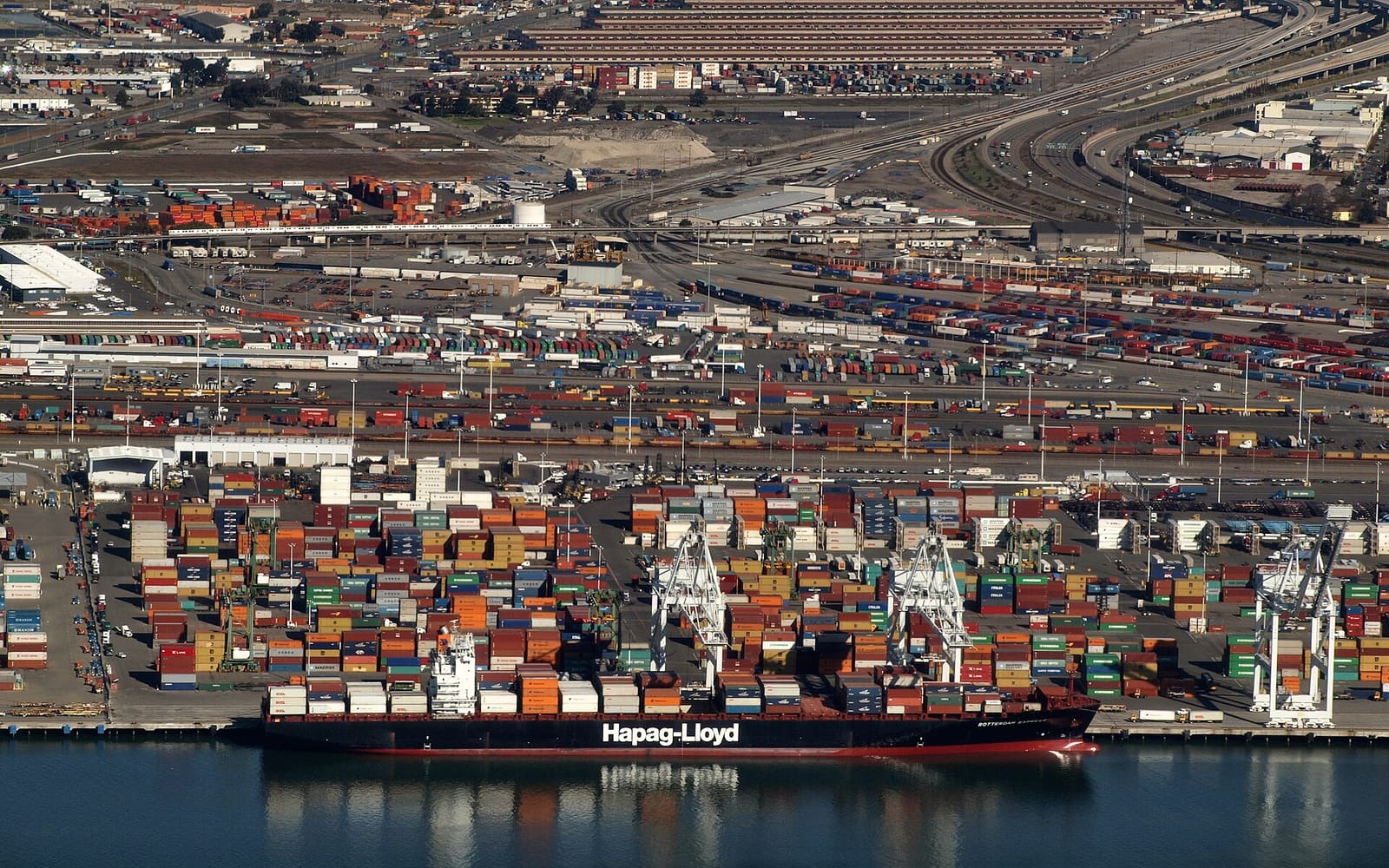
Ocean freight from South China ports such as Guangzhou/Nansha or Shenzhen/Yantian to the Los Angeles/Long Beach gateway typically moves in a multi-week range door-to-door, covering vessel transit, port handling at both ends, and inland delivery. Under normal conditions the ocean transit portion itself is commonly measured in a few weeks; total door-to-door time runs longer once origin trucking, customs clearance and destination delivery are added on top.
Typical Air Freight Transit Ranges
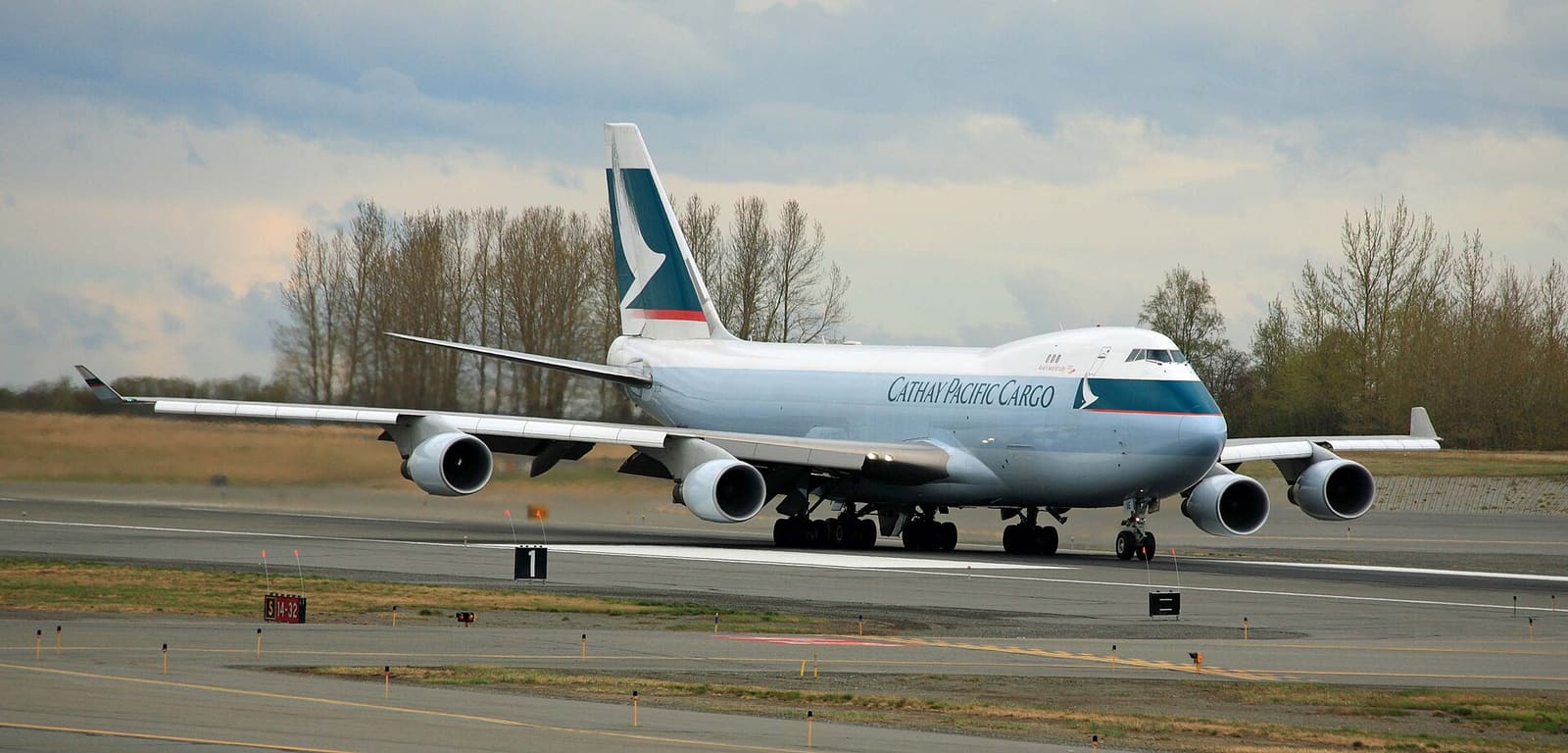
Air freight cuts the transit portion dramatically, typically to a matter of days rather than weeks, which is why it remains the default choice for urgent or high-value cargo despite the higher cost per kilogram. Even so, air freight is not immune to delay — customs processing and last-mile delivery still add time on either end of the flight itself.
What Actually Moves the Number
Port Congestion and Vessel Schedules
Congestion at either Chinese origin ports or the Los Angeles/Long Beach complex can add days or weeks beyond a normal schedule, and vessel schedules themselves are set by the carrier's rotation, not by an individual shipment.
Peak Season Demand
Every year, a surge in bookings ahead of major retail seasons puts pressure on both vessel space and port throughput, extending realistic transit expectations well beyond quieter periods of the year.
Customs Holds and Documentation
Incomplete or inconsistent documentation is one of the most common — and most avoidable — causes of delay at the destination port, regardless of how well the ocean or air transit itself performed. For cargo entering through this gateway, that paperwork ultimately has to satisfy U.S. Customs and Border Protection review, which is why accuracy matters even when the ocean or air transit itself went smoothly.
Inland Trucking to Final Destination
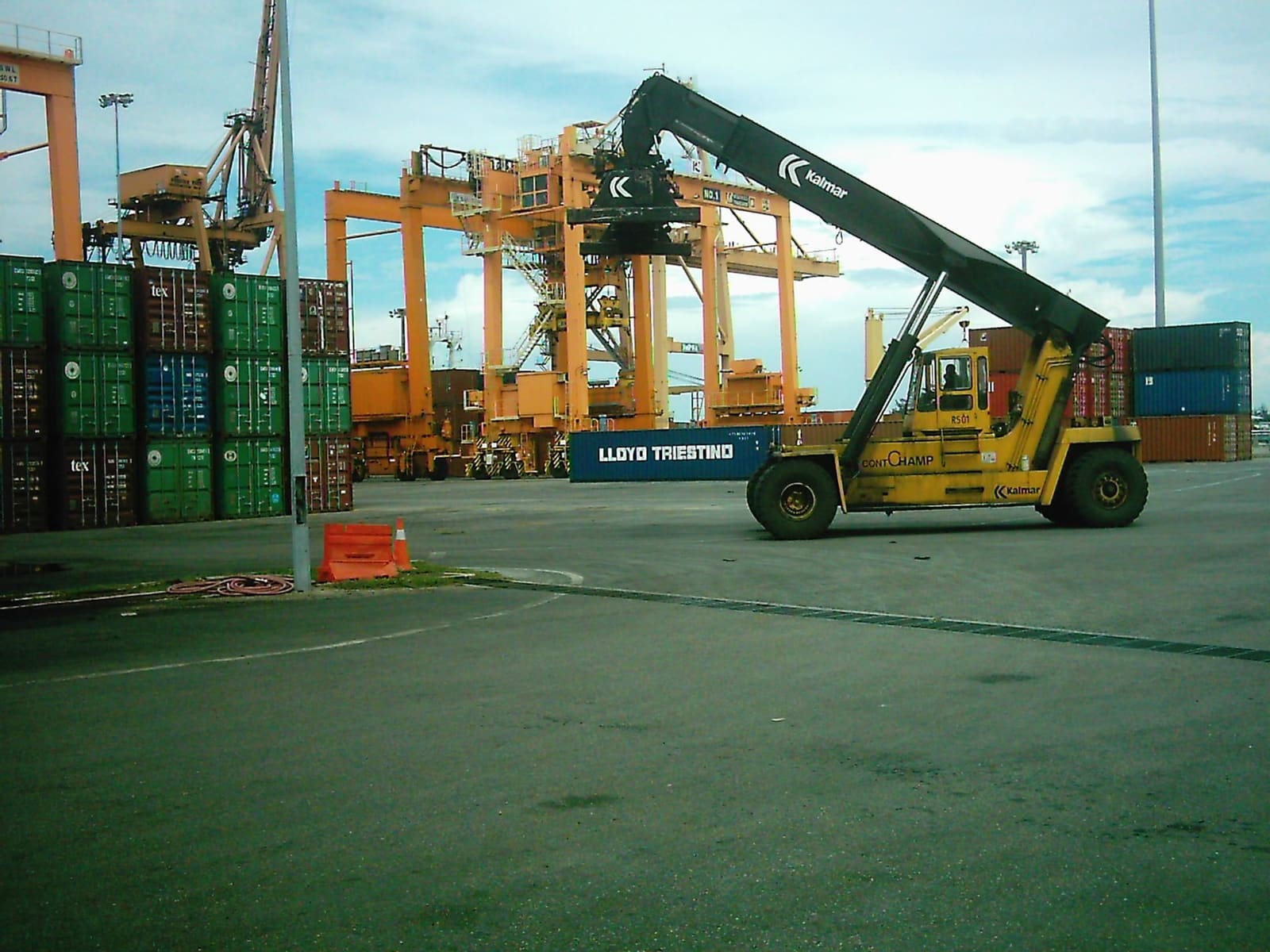
Arrival at the port is rarely the end of the journey. Drayage and inland trucking from Los Angeles/Long Beach to the final destination adds its own variable, particularly during periods of chassis or trucking capacity shortages.
General Planning Ranges by Mode
| Stage | Sea Freight | Air Freight |
|---|---|---|
| Ocean/air transit portion | Commonly a multi-week range | Commonly a matter of days |
| Port handling & customs | Adds days, more in peak season | Adds days, more in peak season |
| Inland delivery to destination | Days, depends on distance/capacity | Days, depends on distance/capacity |
| Best suited for | Planned, larger-volume orders | Urgent or high-value orders |
Building Buffer Into Your Planning
Because so many of the variables above sit outside any single party's control, experienced importers build buffer time into reorder points rather than planning against a single best-case transit figure. This matters most heading into peak season, when even routine shipments can face longer-than-usual dwell times at busy ports.
Getting a Realistic Estimate for Your Shipment
General ranges are a useful starting point, but the number that matters is the one specific to your cargo, season and routing. Our team tracks current vessel schedules, port conditions and customs processing patterns and factors them into the estimate we give you — updated as conditions change, not fixed at the moment of quoting.
Frequently Asked Questions
The ocean transit portion is commonly a multi-week range under normal conditions, with total door-to-door time running longer once origin trucking, port handling and destination delivery are added on top.
The flight portion itself typically takes days rather than weeks, but customs processing and last-mile delivery still add time on both ends, so air freight's speed advantage narrows once total door-to-door time is counted.
A surge in bookings ahead of major retail seasons puts pressure on both vessel space and Los Angeles/Long Beach port throughput, extending realistic transit expectations well beyond quieter periods of the year.
Incomplete or inconsistent documentation is one of the most frequent — and most avoidable — causes of customs holds at the destination port, regardless of how smoothly the ocean or air transit itself went.