A Well-Known Infrastructure Program
The Belt and Road Initiative is a large-scale Chinese program of infrastructure investment and connectivity projects spanning ports, railways, roads and related logistics infrastructure across multiple regions. Launched over a decade ago, it has become one of the most widely discussed infrastructure programs in global trade, precisely because of how directly it touches the physical routes that cargo actually travels.
What It Covers, in Practical Terms
Port Capacity
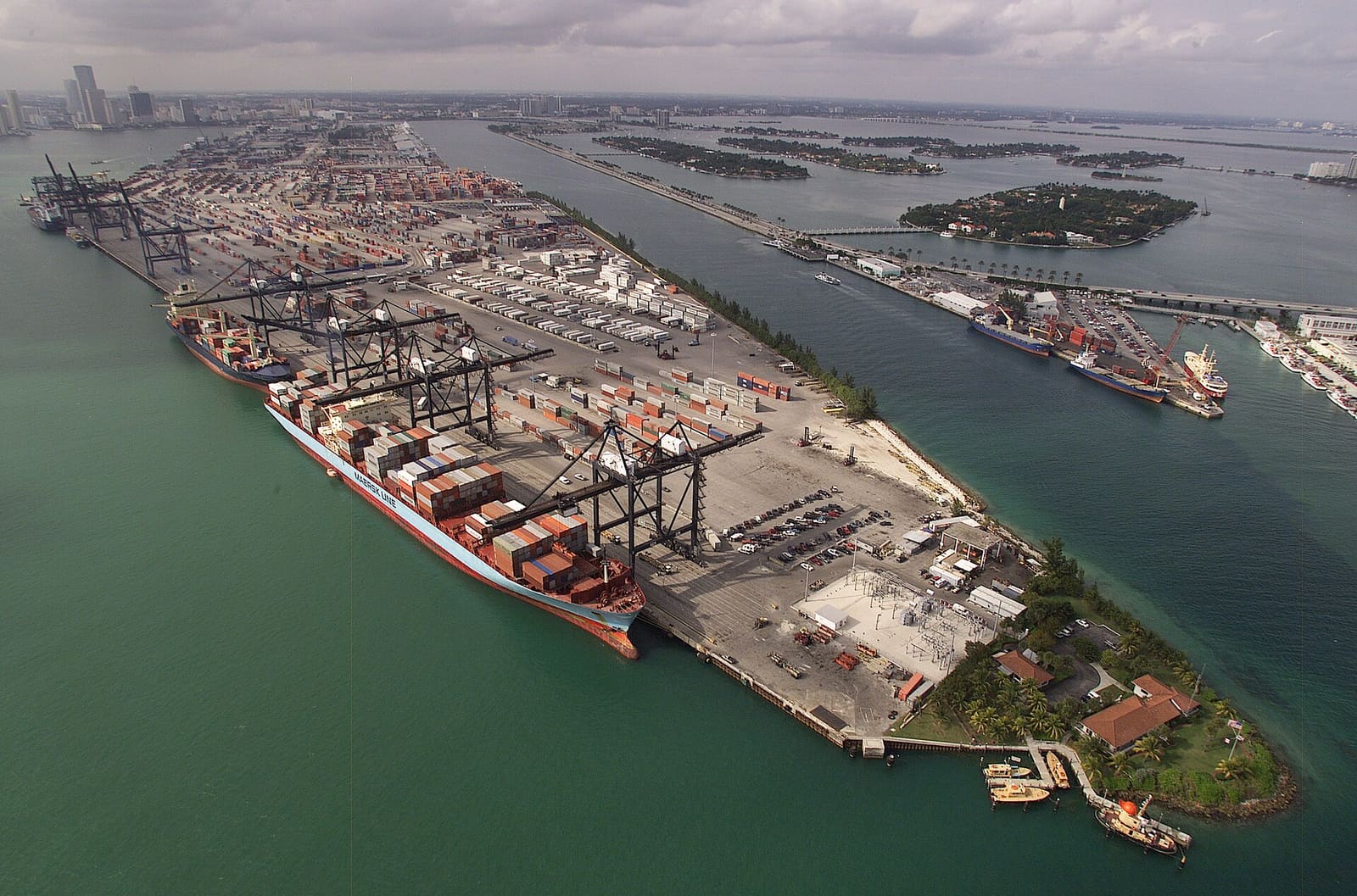
Investment associated with the initiative has contributed to expanded port capacity and terminal infrastructure in various locations along major trade routes, supporting higher throughput for both container and bulk cargo over time.
Rail and Road Corridors
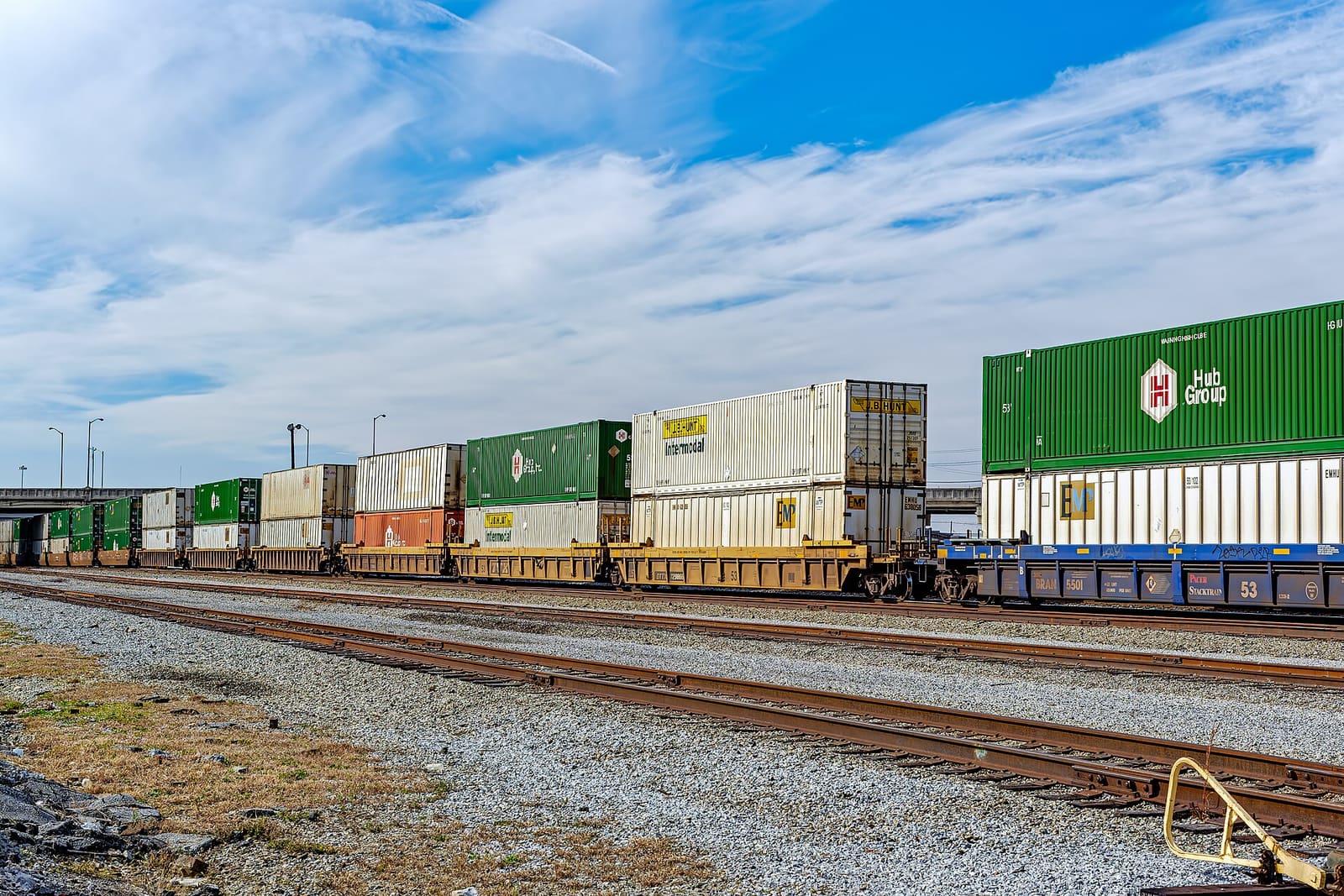
Rail links connecting China to destinations across Asia and Europe are among the initiative's most visible outputs, offering shippers routing options that either did not exist, or existed at far lower capacity, in previous decades.
Why This Matters for Everyday Shipping Decisions
Shippers rarely interact with an infrastructure program directly — what they experience is simply having more routing options, more port capacity, and more reliable schedules than existed previously. The practical result of this kind of long-term infrastructure investment is that choices like "sea freight or rail" from China to Europe are viable options in the first place, rather than a theoretical alternative with no real capacity behind it.
Keeping the Picture Realistic
It is worth being direct about the scope of what is knowable here: large infrastructure programs unfold over many years, involve many independent projects, and are not uniformly complete or successful everywhere they are announced. The honest summary for a shipper is not that any single program guarantees a particular routing outcome, but that the general trend of infrastructure investment across the region has expanded the realistic options available today compared to years past.
How This Shows Up in Our Routing Options
As a forwarder operating from Guangzhou with ocean, rail and road capabilities, we plan routing based on the infrastructure that actually exists today — current port capacity, current rail schedules, current road networks — rather than on assumptions about what might exist eventually. That means our recommendations to clients reflect real, currently available options.
The Takeaway for Shippers
Understanding that broader infrastructure investment sits behind today's routing options helps explain why China-origin logistics has become more flexible over time. For a shipper, the practical takeaway is simpler: work with a forwarder that understands the current state of that infrastructure well enough to route your cargo on what exists now, not on what might exist eventually.
Frequently Asked Questions
It's a large-scale Chinese program of infrastructure investment in ports, railways and roads across multiple regions, which over more than a decade has expanded port capacity and added rail corridors connecting China to Asia and Europe.
No single program guarantees a particular routing outcome — large infrastructure investments unfold over many years and are not uniformly complete everywhere they're announced. What it does do is expand the realistic routing options available compared with years past.
It's the reason choices like "sea freight or rail" from China to Europe are viable options at all, rather than theoretical alternatives with no real capacity behind them — more port capacity and more rail schedules translate directly into more routing flexibility.
A forwarder should plan routing based on the infrastructure that actually exists today — current port capacity, current rail schedules, current road networks — rather than on assumptions about what might exist eventually.