Two Established Routes, Two Different Trade-offs
Cargo moving from China to Europe generally travels one of two well-established ways: by container ship through the Suez Canal, or by rail across the Eurasian landmass on scheduled block-train services. Both routes are mature and widely used — the right choice depends on what you are shipping and how quickly you need it to arrive.
China-Europe Rail Freight
Rail freight connects Chinese production hubs to European rail terminals using containerized block trains. It sits between sea and air on both speed and cost: meaningfully faster than ocean freight, and generally more economical than air freight for the same cargo. Rail is well suited to cargo that is time-sensitive but not urgent enough to justify air freight rates — mid-value electronics, machinery components, and general cargo moving to inland European destinations rather than coastal ones.
Sea Freight via the Suez Canal
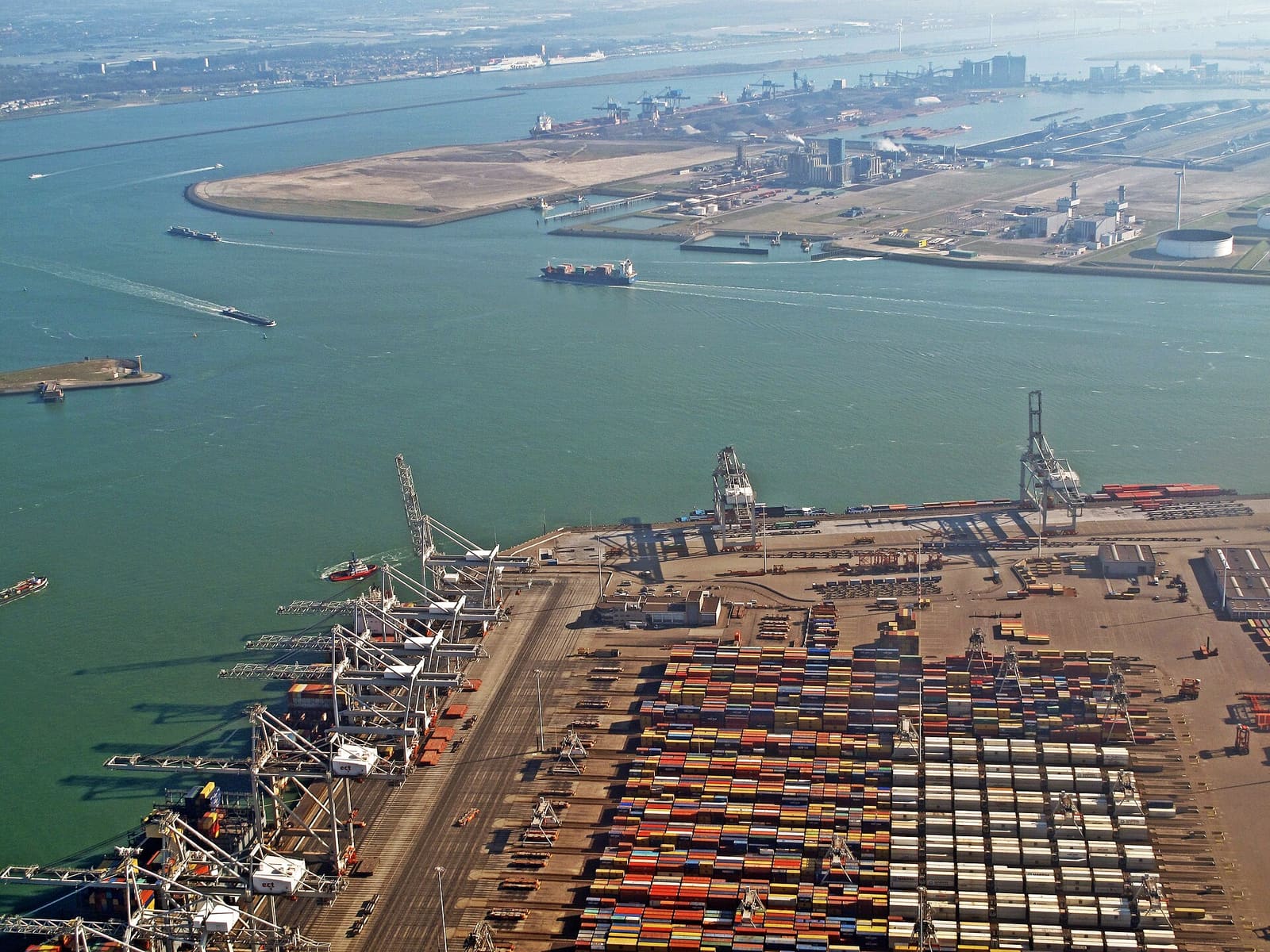
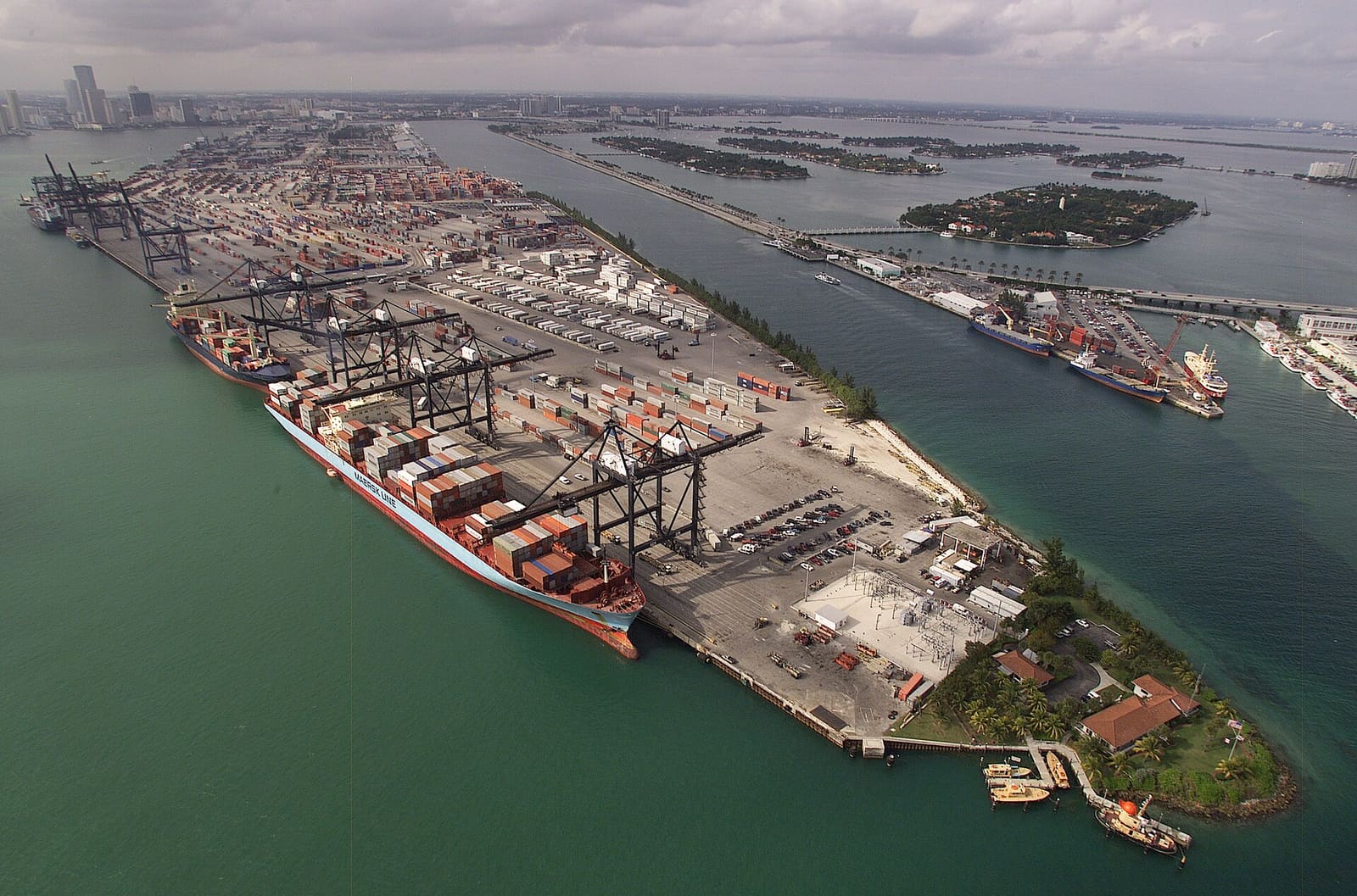
The Suez Canal route remains the backbone of China-Europe container trade, carrying the large majority of container volume between the two regions. Ocean freight through partners like CMA CGM, COSCO Shipping, Maersk, MSC, ONE, Hapag-Lloyd and Evergreen offers the lowest per-unit cost for large volumes, particularly for full-container-load (FCL) shipments where transit time is not the primary constraint. Most of this volume lands at Europe's largest gateways, including Rotterdam and Hamburg, before continuing on to inland distribution networks across the continent. UNCTAD's annual review of global maritime transport regularly highlights just how much of world container trade still depends on this single corridor.
Comparing the Two Routes
| Factor | China-Europe Rail | Sea via Suez Canal |
|---|---|---|
| Relative transit time | Faster than sea | Slower than rail |
| Relative cost | Below air, above sea | Lowest per-unit cost |
| Best-fit cargo | Mid-value, moderately time-sensitive cargo | High-volume, cost-sensitive cargo |
| Best-fit destination | Inland European hubs | Coastal ports (Rotterdam, Hamburg) |
Factors Beyond the Route Itself
- Order size — rail is typically booked by container, similar to FCL sea freight; very small orders may still be better suited to consolidation or air.
- Final destination — cargo destined for inland Europe may reach its destination faster overall via rail even where port-to-port sea transit looks competitive on paper.
- Cargo type — both routes handle standard dry cargo well; project cargo and oversized machinery are generally better suited to sea freight and specialized equipment.
Choosing the Right Route for Your Cargo
Neither route is universally "better" — they solve different problems. Businesses that need predictable, lower-cost movement of large volumes generally lean on sea freight through the Suez Canal; those balancing cost against a tighter delivery window often find rail freight fills the gap between sea and air. RR Brothers and Logistics operates across all four modes — air, sea, rail and road — so route selection can be based on your cargo and deadline rather than which mode a provider happens to offer.
Frequently Asked Questions
No — rail sits between sea and air on cost. It is generally more expensive than ocean freight through the Suez Canal, which remains the lowest cost per unit for large volumes, but cheaper than air freight.
Rail is meaningfully faster than ocean transit via Suez, though it does not match air freight speed. It works best for cargo that needs to move quicker than a vessel schedule allows without justifying air freight rates.
Generally no. Both routes handle standard dry cargo well, but project cargo and oversized machinery are usually better suited to sea freight and specialized equipment rather than standard rail block trains.
Yes. Cargo destined for inland European hubs often arrives faster overall via rail even when port-to-port sea transit looks competitive on paper, while cargo bound for coastal ports like Rotterdam or Hamburg is usually well served by sea freight.