Europe as a Core Destination for Chinese Exports
Europe remains one of the largest destination markets for goods manufactured in China, spanning everything from electronics and machinery to furniture, textiles and general consumer goods. For shippers, this means China-Europe lanes are not a niche routing option — they are core infrastructure, with established carrier schedules, customs processes and inland distribution networks already built out on both ends of the journey.
Two Very Different Ways to Move Cargo
Ocean Freight Through Rotterdam and Hamburg
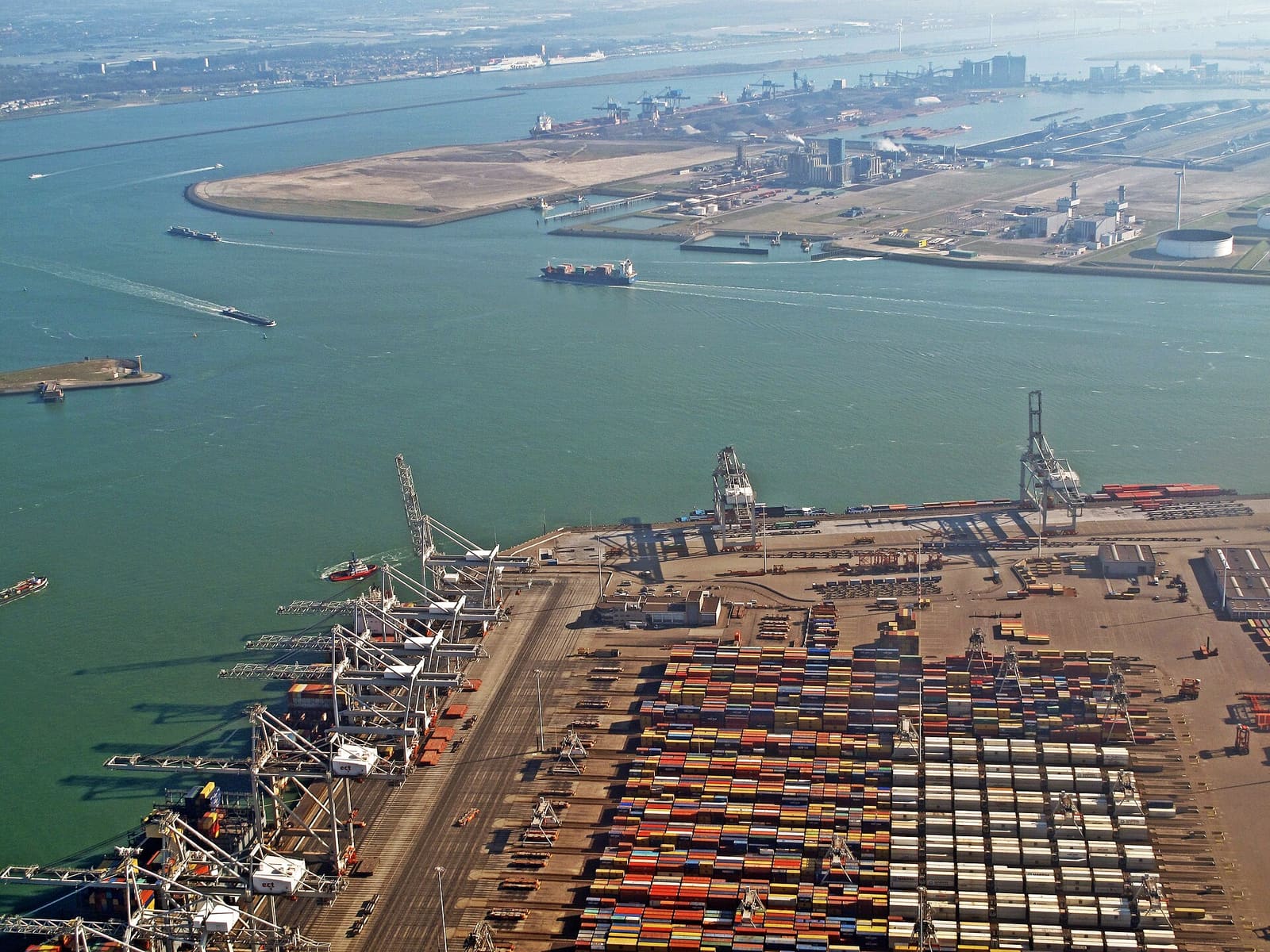
The majority of China-Europe cargo still moves by sea, arriving through major gateway ports such as Rotterdam and Hamburg before distribution across the EU by rail, road or inland barge. Ocean freight remains the most cost-effective option for full container loads and cargo that is not time-critical.
China-Europe Rail
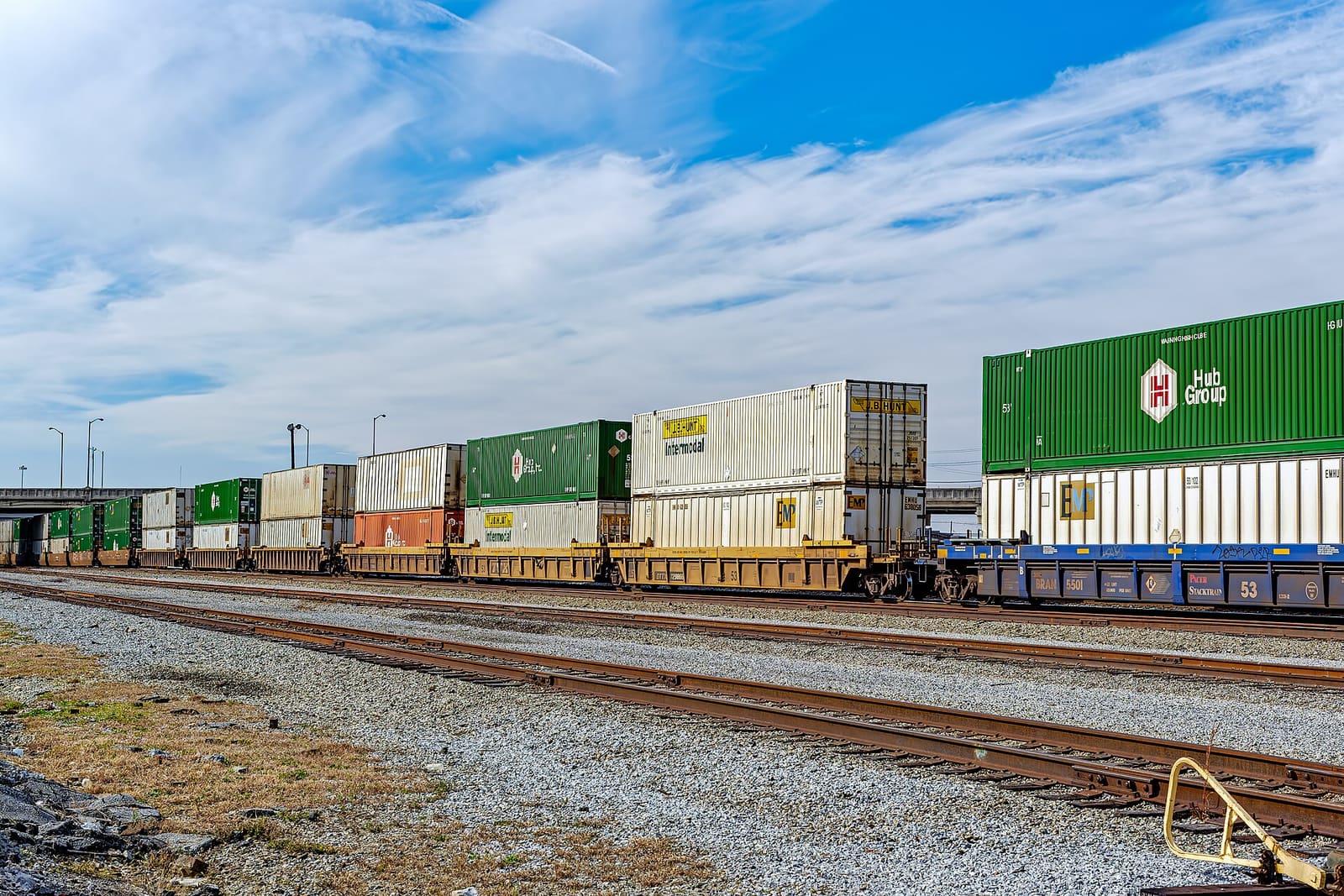
Rail service linking Chinese origin points to European destinations offers a middle path between ocean and air freight — considerably faster than sea freight, and considerably cheaper than air freight. For cargo that needs to move faster than a vessel schedule allows, without paying air freight rates, rail has become an increasingly practical option.
Choosing Between Sea and Rail
The right choice depends on cargo value, urgency and volume. High-volume, lower-value cargo with flexible delivery windows is usually best suited to ocean freight, where the cost-per-unit advantage is hard to beat. Higher-value cargo, or shipments facing a tightening delivery deadline, can often justify the rail premium instead. Neither option is universally "better" — the decision should follow the shipment's actual profile, not a default habit carried over from the last booking.
Customs and VAT Considerations for EU-Bound Cargo
Cargo entering the European Union must clear customs under EU import rules, with import VAT and duties assessed based on classification and declared value. Documentation accuracy — commercial invoices, packing lists, certificates of origin, and correct HS classification — determines how smoothly that clearance happens. Errors here tend to surface as delays and unexpected charges rather than outright rejection, which is exactly what makes them easy to underestimate until they actually occur.
Why Gateway Choice Affects More Than Transit Time
Rotterdam and Hamburg both offer strong onward rail and barge connections into central Europe, but the right gateway for a given shipment depends on final destination, available carrier services, and inland transport costs from the port of entry. Treating gateway selection as a genuine part of the routing decision, rather than an afterthought, can meaningfully change total transit time and landed cost.
A Coordinated Approach to China-Europe Freight
RR Brothers and Logistics books China-Europe ocean freight through partners including CMA CGM, COSCO Shipping, Maersk, MSC, ONE, Hapag-Lloyd and Evergreen, and coordinates rail and multimodal options where they suit the cargo better. Because our origin operations are based in Guangzhou, the routing decision starts with a clear view of the cargo itself, not with whichever option happens to be easiest to book that week.
Frequently Asked Questions
Sea freight through gateways like Rotterdam and Hamburg remains the most cost-effective option for full container loads and cargo that isn't time-critical, while China-Europe rail offers a faster, though pricier, middle path between sea and air freight.
Yes. Cargo entering the European Union is assessed import VAT and duties based on classification and declared value, alongside standard customs documentation such as commercial invoices and certificates of origin.
Yes. Rotterdam and Hamburg both offer strong onward rail and barge links into central Europe, but the right gateway for a given shipment depends on final destination, available carrier services and inland transport cost — a decision that can meaningfully change total transit time and landed cost.
Rail is generally faster, but the right choice still depends on cargo value, urgency and volume. High-volume, lower-value cargo with flexible delivery windows is usually better served by sea freight's cost advantage.