Australia's Place in the China Supply Chain
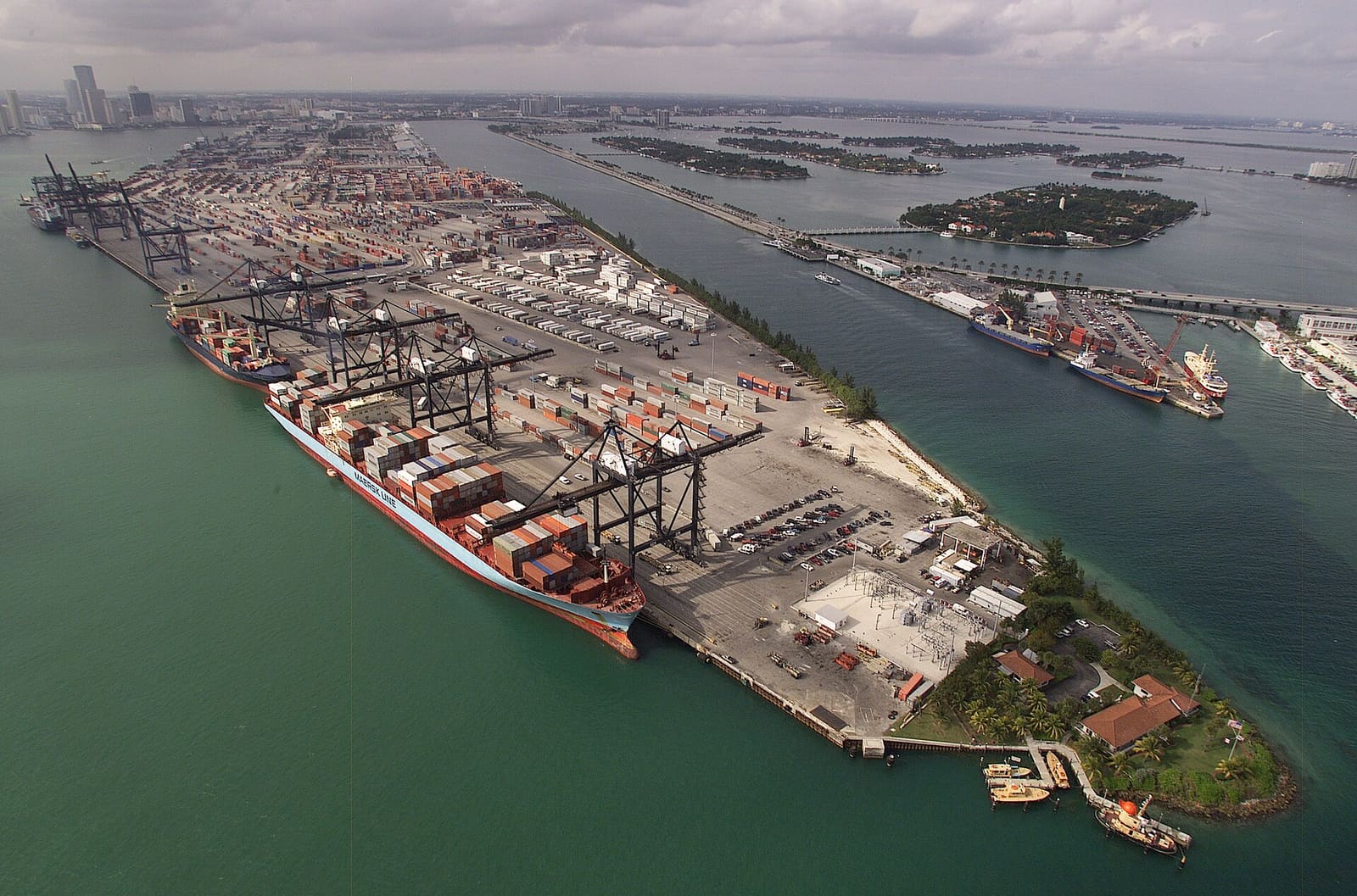
Australia sits at the far southern end of most Asia-Pacific shipping networks, and while it is geographically closer to China than markets in Europe or the Middle East, its container trade is anything but simple. Sydney and Melbourne are the two ports that matter most to importers: Melbourne is Australia's busiest container gateway by volume and serves Victoria and much of the country's inland distribution network, while Sydney's Port Botany is the primary entry point for New South Wales and the country's largest population center. Brisbane and Fremantle handle meaningful volume as well, but for a business sourcing from China and distributing nationally, Sydney and Melbourne are typically the two ports a freight forwarder will route through first.
China is Australia's largest single trading partner, and the container flow reflects it — everything from furniture, apparel, and consumer electronics to building products, machinery, and packaging materials moves steadily along this lane in both FCL and consolidated volumes. For an Australian importer, the practical questions rarely center on whether China-origin cargo is available; they center on getting the shipping mode, documentation, and biosecurity compliance right so that cargo does not sit at the wharf longer than the ocean transit itself already required.
Transit Times and Routing
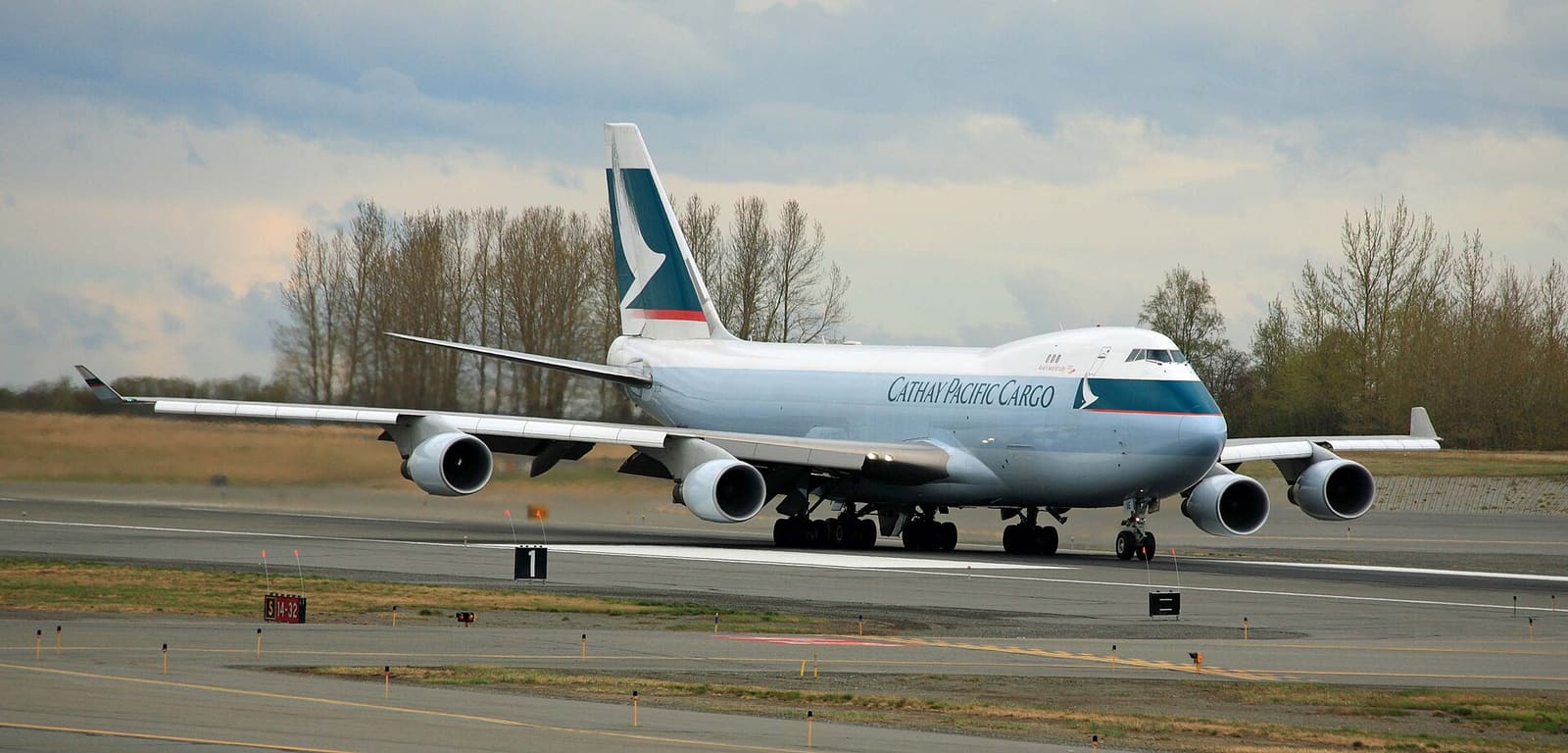
Sea freight from South China ports such as Shenzhen, Guangzhou, and Ningbo to Sydney or Melbourne typically takes in the range of 25 to 35 days, depending on the carrier's rotation and whether the vessel calls directly or transships through a Southeast Asian hub such as Singapore or Port Klang. Direct services exist on some strings, shaving several days off the transit, but many bookings still route through an intermediate port, which adds both time and a transshipment risk if the connecting vessel is delayed. Air freight into Sydney or Melbourne, by contrast, typically moves in three to six days and is the preferred option for urgent restocks, high-value electronics, or cargo needed to support a specific launch date.
FCL, LCL, and Consolidation Options
Full-container-load shipments are the standard choice for established importers moving regular volume into Australia, and they simplify the biosecurity inspection process somewhat since the whole container's contents are typically declared and consistent. Less-than-container-load consolidation is widely used by smaller importers and works well on the Australia lane given the volume of trade — cargo can be grouped with other shippers' goods bound for the same port and deconsolidated at a bonded facility on arrival. The trade-off is that LCL cargo can be more exposed to biosecurity scrutiny, since a mixed container gives inspectors more product categories to examine, which can occasionally extend clearance time compared to a single-commodity FCL box.
Australian Border Force and Biosecurity: The Key Difference
What sets Australia apart from most other China destinations is the weight its authorities place on biosecurity, not just customs duty and tax. The Australian Border Force (ABF) handles standard customs clearance — tariff classification, duty assessment, and the Goods and Services Tax (GST), which applies at 10% to most imported goods above the low-value threshold. Running alongside ABF's work is a biosecurity screening regime administered by the Department of Agriculture, Fisheries and Forestry, and it is this layer that most often surprises first-time importers. Wooden packaging, pallets, and dunnage must be treated and marked in accordance with the ISPM 15 international standard; containers and cargo showing soil, seed, insect activity, or untreated organic material can be held, fumigated, or in some cases redirected for treatment at the importer's cost. Products with any agricultural, food, timber, or used-machinery component face the closest scrutiny, and even packaging materials used to protect unrelated cargo can trigger an inspection if they are not compliant.
Tariffs, Free Trade Agreement Benefits, and Documentation
The China-Australia Free Trade Agreement (ChAFTA) has phased out or reduced tariffs on a large share of goods traded between the two countries, and claiming preferential treatment under it can meaningfully reduce landed cost — provided the correct certificate of origin and supporting documentation accompany the shipment. Standard import documentation applies alongside this: a commercial invoice, packing list, bill of lading, and correct tariff classification are the baseline, with the Integrated Cargo System (ICS) used to lodge import declarations electronically ahead of arrival. Verified Gross Mass (VGM) declarations are required before loading, in line with global SOLAS requirements, and accuracy here matters more than on many lanes since Australian port operations are efficient and leave little slack for late corrections. Import declarations are generally lodged ahead of vessel arrival, and duty and GST are typically payable before goods are released from the wharf or container terminal, so importers who build customs payment timing into their cash-flow planning tend to avoid last-minute delays at the point of clearance.
Inland Distribution from Sydney and Melbourne
Once cargo clears at either port, onward distribution across Australia's vast geography is its own planning exercise. Melbourne's position gives it strong road and rail links into Victoria, South Australia, and southern New South Wales, while Sydney serves as the natural distribution point for the country's largest consumer market and much of its east-coast retail network. Businesses selling nationally often split volume between the two ports, or route everything through one gateway and use domestic road freight or rail to reach Perth, Adelaide, or Brisbane, since coastal shipping between Australian ports (cabotage) is comparatively limited and expensive next to trucking. A freight forwarder with visibility into both the international leg and the domestic onward movement can plan a single door-to-door timeline rather than treating the port arrival as the end of the job.
Cargo Categories That Commonly Move on This Lane
Furniture, home goods, apparel, general consumer electronics, building materials, and machinery components make up a large share of China-to-Australia container volume, and each carries a slightly different risk profile at the border. Furniture and homewares generally clear cleanly provided packaging is compliant and declarations are accurate. Machinery and used equipment attract closer biosecurity attention, particularly if it has been used outdoors or in agricultural settings, since soil and organic residue are common findings. Food, plant-derived, and timber products face the most detailed scrutiny and often require import permits or additional certification arranged before the shipment ever leaves China — categories worth confirming with a forwarder at the sourcing stage rather than discovering the requirement once cargo is already at sea.
| Factor | Typical Range |
|---|---|
| Sea freight transit (South China to Sydney/Melbourne) | 25–35 days |
| Air freight transit | 3–6 days |
| GST on imports | 10% (most goods) |
| Customs authority | Australian Border Force |
Practical Tips for Shippers
- Treat and certify wood packaging before the container is loaded. ISPM 15-compliant pallets and crating are non-negotiable for cargo entering Australia, and untreated wood is one of the most common reasons a container is held for fumigation at the shipper's expense.
- Declare goods precisely and completely. Because biosecurity risk assessment relies heavily on what is declared, under-describing a product category — even unintentionally — increases the chance of a manual inspection rather than a straightforward release.
- Build inland transit into your delivery promise, not just the ocean leg. A container that clears at Melbourne but needs to reach Perth or Brisbane still has several more days of road or rail movement ahead of it — factor that into any customer-facing delivery estimate.
Working Through a Consolidator on Smaller Volumes
For importers not yet ready to commit to full containers, groupage and consolidation services running regularly from South China to Sydney and Melbourne offer a practical middle ground between paying for unused container space and relying on air freight for every order. A good consolidator batches multiple shippers' cargo onto the same sailing schedule, which keeps per-shipment cost down while still delivering the schedule reliability of a fixed weekly or fortnightly service. As volumes grow, many importers transition from LCL to a mix of LCL for slower-moving stock-keeping units and FCL for their highest-volume products, and a forwarder that offers both under one account makes that transition straightforward rather than requiring a change of provider.
Why Freight Forwarder Experience Matters on This Lane
Australia is a market where the ocean transit itself is fairly predictable, but the clearance process rewards a freight forwarder who understands biosecurity requirements as well as customs duty. RR Brothers and Logistics arranges sea and air freight from Chinese origin ports to Sydney and Melbourne, working with the documentation, ISPM 15 packaging compliance, and ChAFTA origin certification that keep an Australia-bound shipment moving without unnecessary holds. Our team also coordinates the inland leg once cargo clears, so a shipment's journey is planned end to end rather than handed off at the wharf. For businesses treating China to global ports as a genuine multi-market program rather than a single lane, Australia's biosecurity regime is a good example of why local knowledge at destination is worth as much as origin expertise in China, and why an experienced logistics partner earns its keep well beyond simply booking the vessel.
Frequently Asked Questions
Alongside standard customs duty and GST handled by the Australian Border Force, a separate biosecurity screening regime run by the Department of Agriculture, Fisheries and Forestry inspects cargo for soil, seed, insect activity or untreated organic material, which can hold or redirect a container for treatment.
Yes — wooden packaging, pallets and dunnage must be treated and marked to the ISPM 15 international standard, and untreated wood is one of the most common reasons a container is held for fumigation at the shipper's expense.
Melbourne is Australia's busiest container gateway and serves Victoria and much of the inland distribution network, while Sydney's Port Botany is the primary entry point for New South Wales and the country's largest population center — many national importers split volume between the two.
Yes — ChAFTA has phased out or reduced tariffs on a large share of goods traded between the two countries, but claiming preferential treatment requires the correct certificate of origin and supporting documentation to accompany the shipment.