A Port Close to the Main Shipping Lane
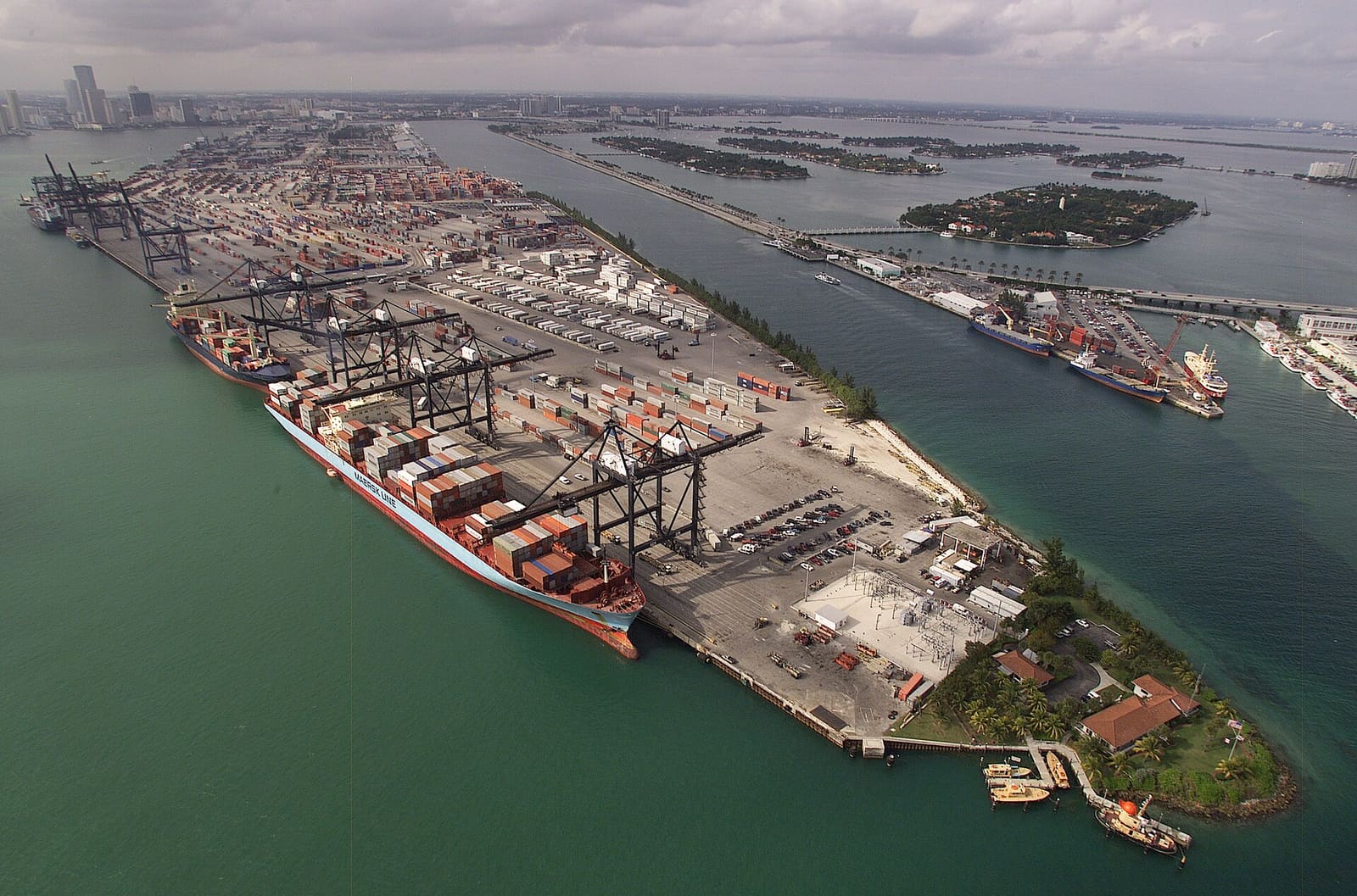
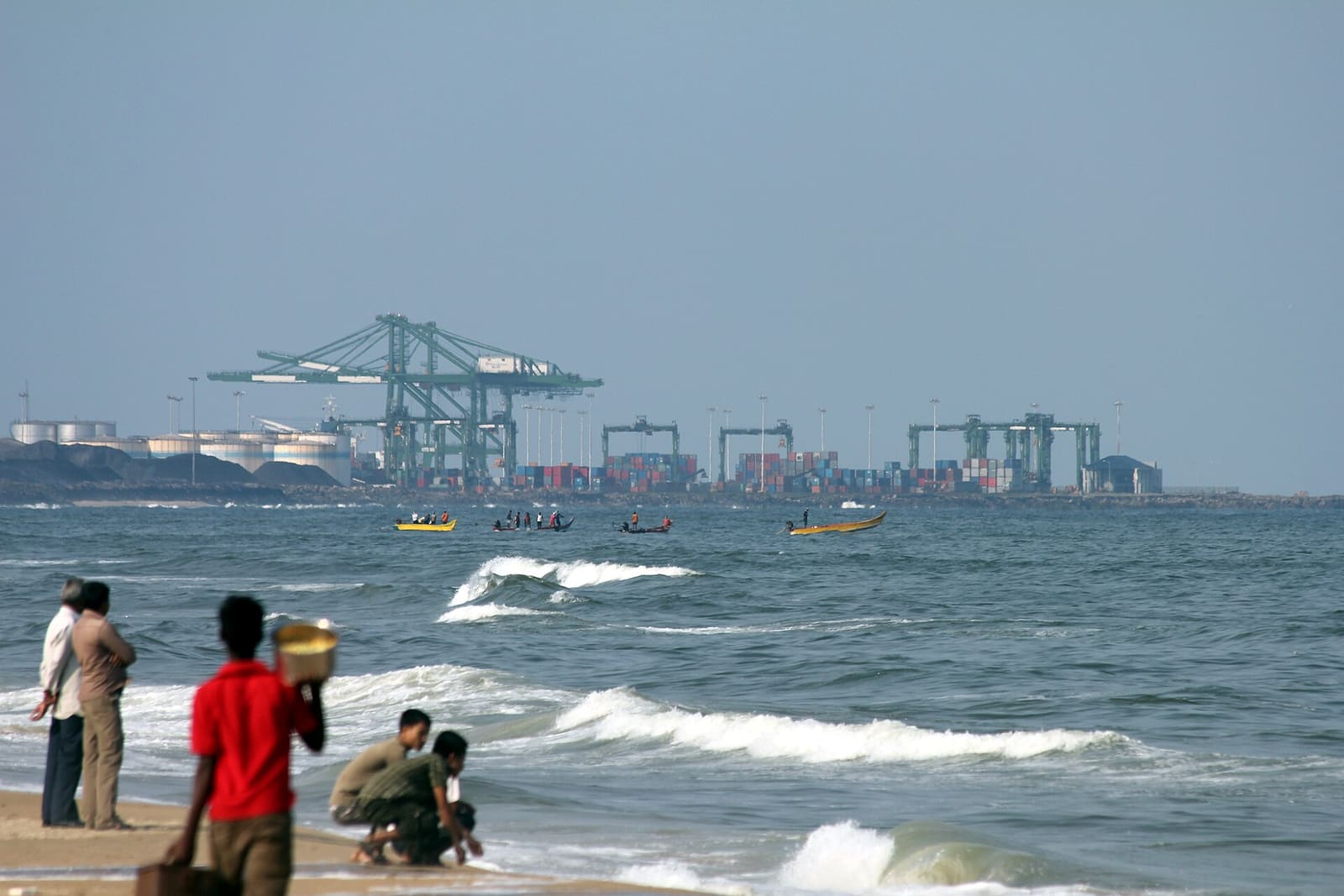
Cochin Port, on Kerala's backwater coast, occupies a slightly different position in the China to India trade map than most of its peers. Rather than sitting off to one side of the main east-west shipping lane, Kochi is close enough to it — and to the transshipment hub of Colombo, just a short hop across the Palk Strait — that its container terminal at Vallarpadam (the International Container Transshipment Terminal, or ICTT) has been able to attract a growing number of direct mainline calls rather than relying purely on feeder connections. For a freight forwarder booking China-origin cargo, that distinction is not academic: a direct call can save the better part of a week compared with routing that requires an extra transshipment leg, and Kochi is one of the few Indian ports where that direct option is increasingly on the table.
Kochi is also one of India's oldest working harbours, with a trading history that predates most of the country's modern container ports by centuries, and the port authority today oversees a working waterfront that mixes container operations at Vallarpadam with a naval base, the Cochin Shipyard, an LNG import terminal, and a Free Trade Warehousing Zone used for bonded storage and re-export activity. For importers, that last piece is worth knowing about: cargo destined for onward distribution outside Kerala can sometimes be warehoused bonded within the FTWZ before duty is paid, which is a useful option for businesses managing seasonal demand or multi-state distribution from a single Kerala entry point.
What Moves Through Kochi
Kerala's economy has a distinct trade profile compared with the industrial belts of Gujarat or Tamil Nadu. Exports leaning through Kochi lean toward spices, natural rubber, coir products, cashew, and seafood, while the import side — the side that matters most for China-origin cargo — is dominated by consumer electronics, machinery and equipment for the state's construction and agro-processing sectors, plastics, and general trading goods feeding a retail market with one of India's highest per-capita consumption rates, supported in part by a large Kerala diaspora sending remittances home. Machinery for rubber processing, tile and ceramics production, and food processing also moves through Kochi in meaningful volumes, alongside routine containerised trading cargo.
Transit Times: China to Kochi
Because of its proximity to the main shipping lane and to Colombo, Kochi can offer some of the more competitive transit times among Indian ports for cargo loading at southern and eastern Chinese ports. Where a direct mainline call is available, transit from ports like Shenzhen, Guangzhou, or Shanghai typically runs in the region of 15–22 days port to port. Where your carrier's service instead routes through Colombo or another transshipment hub, add several more days to that range, since the cargo effectively waits for its connecting vessel rather than sailing straight through. It is always worth asking your forwarder directly whether a specific booking is a direct call or a transshipment routing — the difference is rarely disclosed unless you ask, and it can matter more to your delivery date than the headline freight rate.
| Routing Type | Typical Transit | Best For |
|---|---|---|
| Direct mainline call | 15–19 days | Time-sensitive FCL cargo |
| Via Colombo transshipment | 19–24 days | LCL and consolidated cargo |
| Via Singapore / Port Klang | 20–25 days | Cargo bundled with Southeast Asia routings |
Kochi's Wider Logistics Ecosystem
Beyond the port gates, Kochi benefits from reasonably good onward connectivity for a secondary Indian gateway. The National Highway network links the port to Kerala's main industrial clusters around Aluva, Kalamassery, and the Kochi-Kottayam belt, and rail sidings connect the port area into the broader Southern Railway network for cargo continuing further inland. This matters for China-origin machinery and industrial inputs feeding Kerala's rubber processing, tile and ceramics, and food-processing industries, all of which cluster within a few hours' trucking distance of the port rather than requiring a long haul as is common from some other Indian gateways. For import volumes that justify it, warehousing near the port before final distribution across Kerala is a well-established option, and one we coordinate directly for clients who prefer to hold safety stock close to their end market rather than at a distant hub.
FCL vs LCL Through Kochi
Kochi's LCL market is smaller than the major consolidation hubs of Nhava Sheva, Chennai, or Mumbai, but it is well established for a South India secondary port, with regular consolidator services covering the main Chinese load ports. For businesses moving smaller, mixed-commodity shipments — a Kerala trading company importing a container's worth of electronics, hardware, and plastic goods from several Chinese suppliers, for instance — LCL through Kochi remains a practical option, though it is worth confirming your consolidator's cut-off schedule, since a less frequent sailing pattern than Mumbai's can mean a longer wait for the next consolidation box to close. FCL bookings, by contrast, benefit directly from Kochi's growing direct-call network and are generally the more time-efficient choice whenever your volume supports it — as a rough guide, once a shipment fills more than half a 20-foot container, it is usually worth comparing a dedicated FCL booking against LCL consolidation rather than assuming consolidation is automatically the cheaper path once the extra dwell time is priced in.
Customs Clearance and Documentation at Cochin
Import clearance at Kochi follows the same national customs framework as every other Indian gateway, under the oversight of the Central Board of Indirect Taxes and Customs (CBIC), with a dedicated Customs House processing filings for the Kochi trade zone. The shipping line files an Import General Manifest (IGM) on arrival, and your customs broker files the Bill of Entry, supported by the commercial invoice, packing list, and bill of lading, along with your IEC (Importer Exporter Code) and GST registration. Integrated GST is assessed alongside basic customs duty at the point of clearance, calculated against the HS-classified, assessed value of the goods. Kochi's customs officers are well versed in the mixed cargo profile typical of Kerala trade — machinery, electronics, plastics, and consumer goods moving alongside the port's substantial export trade in spices and marine products — so accurate, consistent documentation tends to move through the system without unnecessary friction.
Documentation Checklist for a Kochi Import
A clean, complete document set is the fastest route through any Indian customs house, and Kochi is no exception. Before your cargo departs China, confirm your customs broker has:
- A commercial invoice with an accurate transaction value, agreed incoterm, and a goods description matching the shipment.
- A packing list itemising weights, dimensions, and carton or pallet counts for every line item.
- The original bill of lading or an agreed telex release, naming the correct consignee and notify party.
- A valid IEC (Importer Exporter Code) and current GST registration on record.
- Any product-specific certification your HS classification requires, particularly for electrical or electronic goods subject to BIS compliance.
Missing or inconsistent paperwork is the most common reason a Bill of Entry stalls rather than clearing on first submission, and it is entirely avoidable with a quick pre-shipment check against this list.
Two Tips for Shippers Using Kochi
- Ask specifically about direct-call services. Kochi's edge over many Indian ports is its growing direct connectivity to Chinese load ports — but not every carrier or every sailing offers it, so confirm the actual routing rather than assuming every booking bypasses Colombo.
- Treat Kochi as a genuine overflow option for South India. When Chennai or Tuticorin are running congested, Kochi is often a viable alternative gateway for Kerala- and southern Tamil Nadu-bound cargo, generally with less port-side congestion than the larger South India hubs.
Planning Around Kerala's Monsoon
Kerala typically receives the earliest and heaviest monsoon rainfall on the Indian mainland, with the southwest monsoon arriving in June and persisting into September. Port operations at Kochi generally continue through this period, but road transport onward from the port can slow during the heaviest weeks of rainfall, and it is sensible to build a modest buffer into delivery commitments for shipments arriving in the July-August window. Combined with the usual seasonal slowdown around China's Lunar New Year in January-February, these are the two windows each year where shippers moving cargo through Kochi should expect the least predictable transit performance and should plan bookings accordingly.
RR Brothers and Logistics coordinates China to India shipments through Kochi alongside every other South India gateway, managing the ocean booking, Indian customs clearance, and final delivery across Kerala as a single door-to-door service from our Guangzhou base. As a freight forwarder that also books extensively through Chennai and Tuticorin, we can compare all three South India gateways for a given shipment rather than defaulting to whichever port you have used before.
Frequently Asked Questions
Both options exist — Kochi's Vallarpadam terminal has attracted a growing number of direct mainline calls, but not every carrier or sailing offers one, so it's worth confirming with your forwarder whether a specific booking is direct or routes through Colombo.
Consumer electronics, machinery and equipment for construction and agro-processing, plastics, and general trading goods dominate the import side, reflecting Kerala's distinct trade profile compared with the industrial belts of Gujarat or Tamil Nadu.
Port operations generally continue through the monsoon, but road transport onward from the port can slow during the heaviest rainfall weeks of the June-September season, so it's sensible to build a buffer into delivery commitments arriving in the July-August window.
Yes — Kochi's Free Trade Warehousing Zone allows cargo destined for onward distribution outside Kerala to be warehoused bonded before duty is paid, useful for businesses managing seasonal demand or multi-state distribution.