An Inland Gateway, Not a Seaport
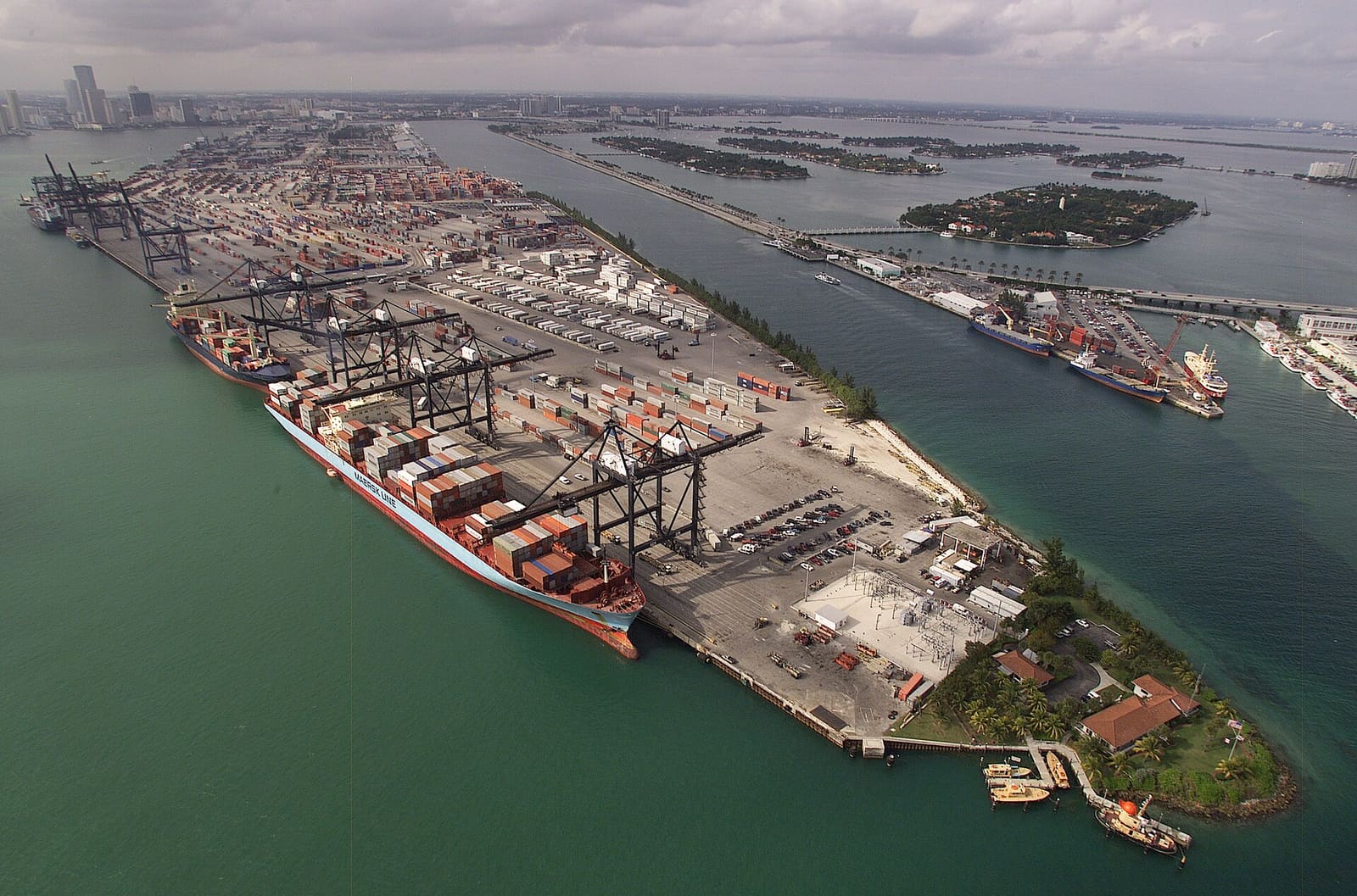
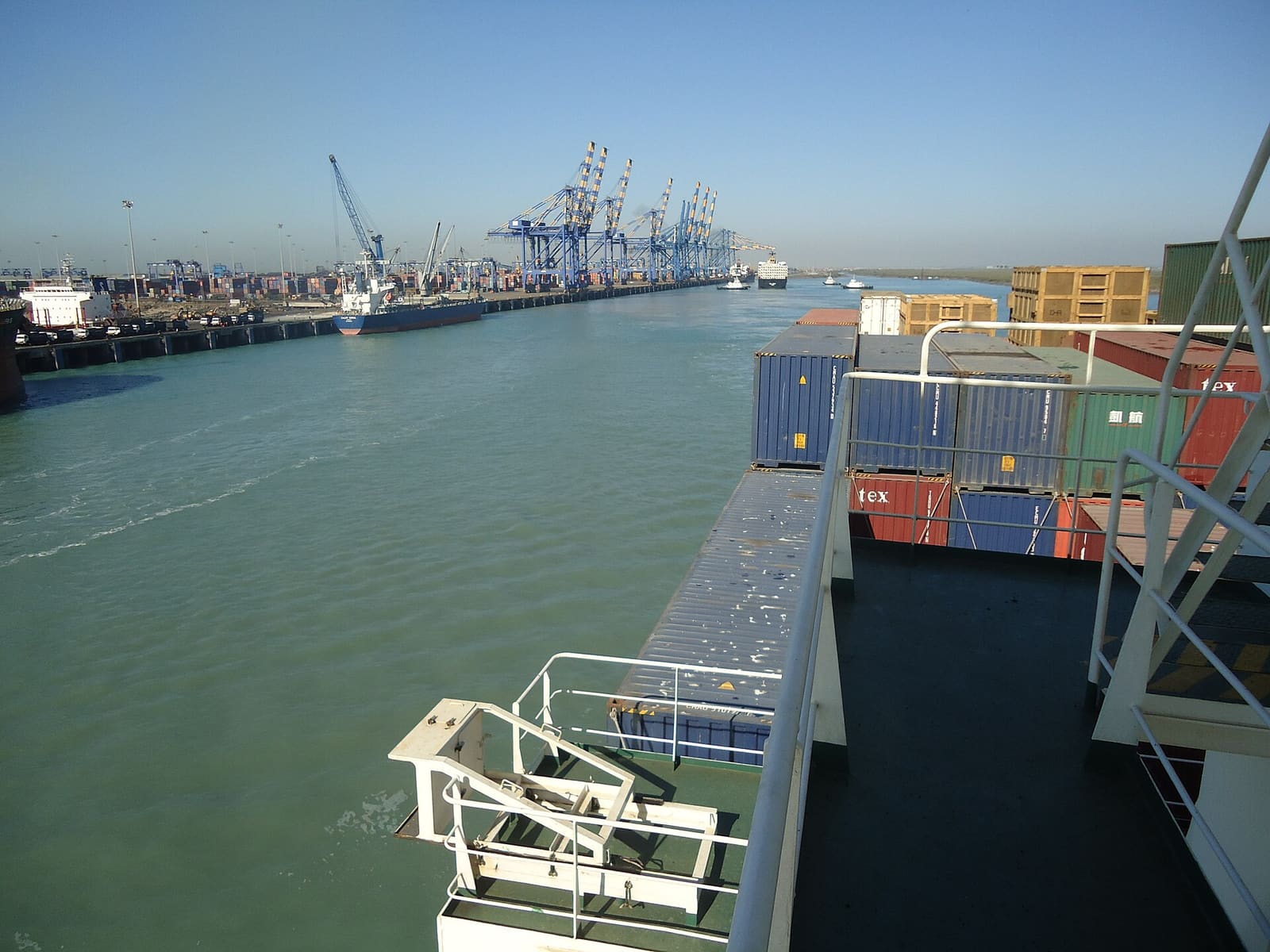
Delhi and the National Capital Region have no coastline, so China-origin cargo bound for Delhi NCR never actually arrives by sea at its final customs point. Instead it lands at a coastal gateway — most often Mundra or Nhava Sheva — and completes its journey inland to a dedicated Inland Container Depot (ICD), a facility that functions as a customs station in every practical sense even though it sits hundreds of kilometres from open water. Two ICDs anchor this trade for the capital region: ICD Tughlakabad in south Delhi, one of the oldest and largest inland depots in the country, and ICD Dadri near Greater Noida, a newer and larger facility built to work directly with the Western Dedicated Freight Corridor. For a freight forwarder handling China to India cargo destined for NCR, choosing between these two ICDs — and between rail and road for the inland leg — is where the real routing decisions happen.
Two Ways Inland: Rail and Road
Cargo landing at a west-coast port for NCR delivery generally moves onward in one of two ways. Rail-bound containers travel on double-stack container trains operated through India's dedicated logistics rail network, a mode that has become steadily faster and more reliable as the Western Dedicated Freight Corridor has come online in stages, offering electrified, high-capacity track largely separated from passenger traffic. Road-bound containers move by truck on the national highway network connecting Gujarat's ports to Delhi, a route that remains flexible and door-to-door but is more exposed to highway congestion, driver availability, and fuel-cost swings. As a general pattern, rail tends to suit higher volumes and standard containerised cargo where a few extra days of inland transit are acceptable in exchange for lower and more predictable per-unit cost, while road better serves smaller or more time-sensitive shipments that need to move point to point without waiting for a scheduled train slot.
Transit Times: China to Delhi NCR
Total transit for NCR-bound cargo is really two legs added together: the ocean voyage from China to a west-coast Indian port, typically 18–25 days depending on the load port and routing, followed by an inland leg that generally runs an additional 3–6 days by rail or road once the container clears the gateway port and moves toward Tughlakabad or Dadri. Combined, shippers should plan on a realistic door-to-ICD window of roughly 22–31 days from the major Chinese load ports, with the wider end of that range applying to cargo that transships at sea, faces port congestion on arrival, or moves inland during a period of high highway or rail demand. These figures are a planning guide, not a fixed promise — the inland leg in particular can vary more than the ocean leg itself depending on rail slot availability and road conditions at the time.
| Leg | Typical Mode | Approx. Time |
|---|---|---|
| China to Mundra / Nhava Sheva | Ocean (FCL/LCL) | 18–25 days |
| Port to ICD Dadri / Tughlakabad | Rail (double-stack) | 2–4 days |
| Port to Delhi NCR | Road (FTL) | 3–6 days |
ICD Tughlakabad vs ICD Dadri
The two facilities are not interchangeable, and the right choice usually comes down to where your cargo is actually going once it clears customs. Tughlakabad sits within south Delhi itself, close to the city's established container freight station ecosystem and a shorter final-mile haul for consignees based in central and south Delhi. It is also one of the busiest inland depots in the country, which means that during peak periods it can see congestion at the yard and longer dwell times before a container is available for pickup. Dadri, further out toward Greater Noida, was built on a larger footprint with the Dedicated Freight Corridor specifically in mind, and tends to offer more consistent yard turnaround, making it a strong option for cargo ultimately destined for Noida, Ghaziabad, or the industrial belt further into western Uttar Pradesh. A forwarder who asks where your cargo needs to end up — not just "Delhi" in general — can usually save you a meaningful amount on the final trucking leg by choosing the ICD that sits closer to your actual warehouse.
FCL and LCL Considerations for NCR Cargo
Full container load shipments move inland as a single sealed unit, whether by rail or road, and are deconsolidated only once they reach the ICD — a straightforward process for most cargo types. LCL shipments bound for NCR are consolidated at the coastal gateway port first, then move inland as part of a full container before being broken down at the ICD itself, which is one reason LCL cargo to NCR can show slightly more variable transit than a direct FCL booking: it depends on consolidation cut-off schedules at the coastal port as much as on the inland leg itself. If your volumes are modest, ask your forwarder specifically how LCL consolidation and deconsolidation timing affects your overall China to India transit before committing to a delivery date.
Customs Clearance for ICD-Bound Cargo
India's customs law treats a notified ICD as a customs station in its own right, which is what allows Tughlakabad and Dadri to function as full clearance points despite being far inland. In practice, the shipping line files the Import General Manifest (IGM) at the gateway port where the vessel arrives, and the container can then move inland under bond to the ICD without duty being assessed at the coast. Your customs broker files the Bill of Entry at the ICD itself, declaring HS classification, assessable value, and duty payable, supported by the commercial invoice, packing list, and bill of lading — the same core documents required at any Indian port, administered under the same CBIC framework. A valid IEC (Importer Exporter Code) and current GST registration are required before your broker can file, since Integrated GST is assessed alongside basic customs duty at the point of clearance.
Documentation Checklist for an NCR Import
Before cargo leaves China for an eventual Tughlakabad or Dadri clearance, confirm the following is in order:
- A commercial invoice showing true transaction value, incoterm, and a goods description matching the shipment.
- A packing list with weights, dimensions, and carton or pallet counts broken down by item.
- An original, telex-released, or seaway bill of lading naming the correct consignee.
- A valid IEC and current GST registration on file with your customs broker.
- Any product-specific licence or certification required for your HS code, since this is checked at the ICD exactly as it would be at a coastal port.
Because the container has already crossed the gateway port under bond by the time these documents matter most, gaps in paperwork tend to surface as costly delays at the ICD itself — confirm everything is complete well before the vessel departs China.
Two Tips for Shippers Using Tughlakabad and Dadri
- Choose the ICD based on your actual delivery address, not habit. If your warehouse sits in Noida, Ghaziabad, or western Uttar Pradesh, Dadri will usually beat Tughlakabad on final-mile trucking cost and time, even though Tughlakabad is the more established name.
- Ask about rail versus road before assuming one is automatically cheaper. Rail generally wins on cost per unit for full container loads over this distance, but road can still beat it on total delivered time for urgent or smaller shipments — a good forwarder should quote both rather than defaulting to one.
RR Brothers and Logistics books China to India cargo for delivery into Delhi NCR through both Tughlakabad and Dadri, coordinating the ocean leg, gateway-port handling, inland rail or road movement, and ICD customs clearance as a single managed shipment from our Guangzhou base. As a freight forwarder and NVOCC with a decade of experience on this lane, we help clients choose the ICD and inland mode that actually fits their delivery point, rather than defaulting to whichever facility a shipment happened to use last time.
Frequently Asked Questions
No — Delhi has no coastline, so cargo lands at a coastal gateway, most often Mundra or Nhava Sheva, and then completes its journey inland to an Inland Container Depot such as Tughlakabad or Dadri, which functions as a full customs station.
It depends on your actual delivery address rather than habit — Tughlakabad sits within south Delhi with a shorter final-mile haul for central and south Delhi consignees, while Dadri better serves cargo destined for Noida, Ghaziabad or western Uttar Pradesh.
Rail generally wins on cost per unit for full container loads over this distance, but road can still beat it on total delivered time for urgent or smaller shipments — a good forwarder should quote both rather than defaulting to one.
Realistically about 22–31 days door-to-ICD: an 18–25 day ocean voyage to a west-coast Indian port, plus an additional 3–6 days for the inland rail or road leg to Tughlakabad or Dadri.