Piraeus' Rapid Rise as a China-Europe Gateway
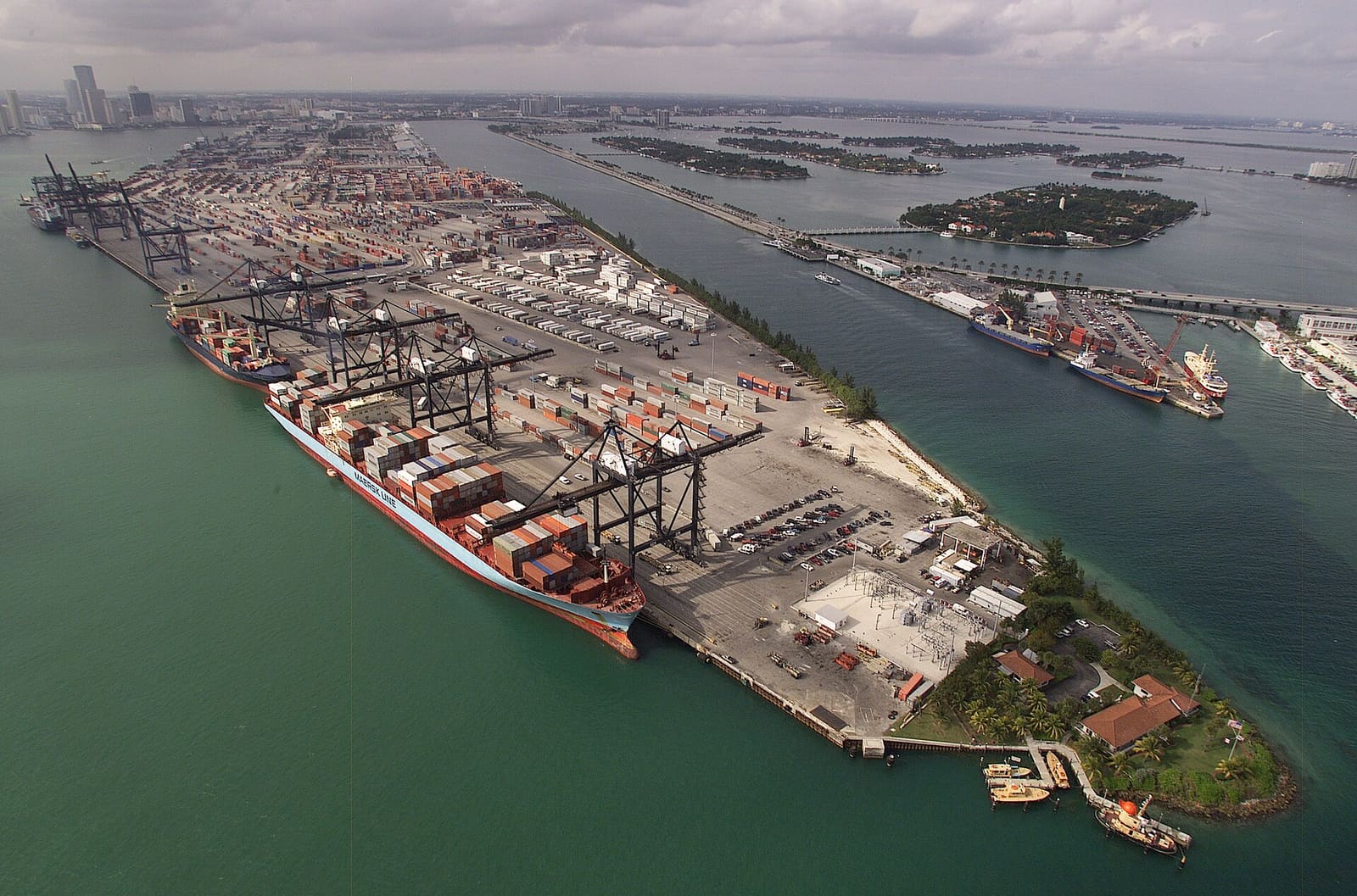
Piraeus, the port serving Athens, has gone from a mid-sized Mediterranean port to one of the fastest-growing container gateways in Europe over the past decade, driven largely by sustained investment from COSCO Shipping Ports, which took a majority stake in the port's container terminal operator in 2016 and has expanded capacity steadily since. For China to Europe cargo, that ownership link is not incidental — Piraeus has become a natural first port of call for a number of major Asia-Europe strings, and it now ranks among the busiest container ports on the Mediterranean, competing with long-established gateways such as Valencia, Genoa and Algeciras for both transshipment and direct-import volume.
Why Piraeus Often Beats North Europe on Transit Time
Geography is Piraeus' biggest advantage on the China to Europe lane. Vessels sailing from Chinese load ports through the Suez Canal reach the eastern Mediterranean well before they would reach Rotterdam, Hamburg or Antwerp, and many Asia-Europe service strings call at Piraeus first, before continuing on to Italy, Spain and North Europe. That earlier call point means cargo destined for Greece, and often cargo destined for the wider Balkans and parts of Central Europe, can reach the market noticeably faster than the same cargo would if it stayed on the vessel all the way to a North European port. It also means Piraeus functions as a genuine transshipment hub in its own right, with feeder vessels distributing cargo onward to smaller Adriatic and Aegean ports. This position has made Piraeus increasingly attractive not only to Greek importers but to businesses across South-East Europe looking to shorten their overall China to Europe supply chain, rather than accept the longer transit and extra inland leg that comes with routing everything through the traditional North European gateways.
Sea Freight Transit Times from China to Greece
For standard container sea freight from major Chinese load ports, typical transit time into Piraeus runs in the range of roughly 24–32 days door-to-port on direct-call services — noticeably faster than the 30–42 day range typical of North European ports such as Rotterdam or Hamburg. Actual transit still depends on the specific service string, on whether your cargo transships at an intermediate hub such as Singapore or Colombo, and on congestion at both the Chinese load port and at Piraeus itself, which has at times run close to capacity during its own rapid growth. These figures are planning ranges rather than guarantees, and it remains sensible to build in schedule buffer, particularly during the pre-Chinese New Year rush and the northern hemisphere's autumn peak season.
Piraeus Compared With Other Mediterranean Gateways
Piraeus is one of several Mediterranean ports competing for China-origin volume, and each has developed a slightly different specialty. The table below sets out how Piraeus tends to compare with the Western Mediterranean gateways most often considered alongside it.
| Port | Typical China Sea Transit | Distinct Strength |
|---|---|---|
| Piraeus | Roughly 24–32 days | Earliest call point on many Asia-Europe strings; rail gateway to the Balkans |
| Genoa / La Spezia | Roughly 26–36 days | Direct rail links into northern Italy and Central Europe |
| Valencia / Algeciras | Roughly 26–36 days | Strong feeder network into Iberia and North Africa |
None of these ports is simply "better" in the abstract — a shipper serving customers in the Balkans, Central Europe or the wider Aegean will usually get cargo to market faster and cheaper through Piraeus than by landing it in Western Europe and trucking it back east, while a shipper whose distribution centre sits in northern Italy or the Iberian peninsula is generally better served by Genoa or Valencia respectively.
FCL vs. LCL Considerations at Piraeus
Because Piraeus has grown primarily as a transshipment and direct-call container hub rather than as a long-established consumer-goods import gateway, its less-than-container-load (LCL) consolidation network is less dense than at Rotterdam, Antwerp or Hamburg. Full-container-load (FCL) shipping is generally the more straightforward option for cargo landing directly in Greece, while LCL shippers sometimes find it more practical to consolidate cargo through a North European or Western Mediterranean hub with a denser groupage schedule, then move it onward by road, before deconsolidating closer to its final destination. A freight forwarder with visibility across multiple Mediterranean and North European ports can advise which routing actually gets a smaller shipment to market fastest, rather than defaulting to whichever port has the lowest headline freight rate.
Beyond Greece: Piraeus as a Balkan and Central European Gateway
A meaningful share of the cargo landing at Piraeus is not actually destined for the Greek domestic market at all — it continues onward by rail and road into North Macedonia, Serbia, Hungary and beyond, using the Piraeus-Skopje-Belgrade-Budapest rail corridor that has been developed and expanded over the past several years. For importers whose distribution centres sit in the Balkans or in parts of Central Europe, routing China to Europe cargo through Piraeus rather than a North European port can cut significant time and inland transport distance compared with landing at Rotterdam or Hamburg and trucking the cargo back south and east.
What Kind of China-Origin Cargo Moves Through Piraeus
Piraeus handles a cargo mix shaped partly by its own role as a transshipment hub and partly by demand within Greece and the Balkans it feeds. Consumer electronics, fashion and footwear, furniture, building materials and general retail goods make up the largest share of cargo destined for the Greek domestic market, much of it moving through Athens-area distribution centres before reaching retailers across the country. A meaningful additional volume never actually clears Greek customs at all — it is transshipped onward to smaller Aegean and Adriatic ports, or moved by rail toward Balkan and Central European markets that lack their own deep-water container terminal. That combination of domestic import demand and regional transshipment is part of what has allowed Piraeus to grow so quickly relative to more established Western Mediterranean gateways, and it is worth confirming with your freight forwarder which category your own cargo falls into before finalizing a routing.
Greek and EU Customs Clearance
Greece sits inside the EU customs union, so import clearance follows the same core framework used across member states, administered on the Greek side by the Independent Authority for Public Revenue (AADE). Importers need a valid EORI number, correct HS classification for every product line, and typically arrange import VAT through the standard mechanisms available to EU importers rather than paying it upfront at the border. Cargo continuing onward from Piraeus into non-EU Balkan destinations such as Serbia or North Macedonia moves under separate transit and import procedures specific to those countries, which is worth planning for early with your forwarder if your distribution network extends beyond the EU's own borders.
Documentation Checklist
- Commercial invoice showing transaction value, Incoterm, and buyer/seller details
- Packing list matching the invoice line by line, with weights and dimensions
- Bill of lading or sea waybill issued by the carrier or NVOCC
- Correct HS codes for every product line, since duty rates and any licensing requirements depend on accurate classification
- Certificate of origin where required by the buyer or under a preferential trade arrangement
- EORI registration for the importer of record
Practical Tips for Shippers
- Decide early whether Piraeus is your final destination or a staging point. Cargo continuing onward into the Balkans by rail should be booked and documented differently from cargo clearing customs for the Greek domestic market, and your forwarder needs to know which applies before booking.
- Check current terminal congestion before committing to a sailing date. Piraeus' rapid growth has occasionally outpaced terminal capacity during peak periods, and confirming berth availability in advance can avoid unexpected delays on an otherwise fast routing.
- Confirm which pier your carrier uses before quoting inland transport. COSCO-operated Piers II and III handle the large majority of container traffic, while the older Pier I operates separately — the difference affects gate access, documentation handover and how quickly cargo is released for onward trucking.
Piraeus has changed the shape of China to Europe shipping for a significant share of Mediterranean, Balkan and Central European cargo, offering a genuinely faster alternative to the traditional North European gateways for the right distribution network. RR Brothers and Logistics books sea freight into Piraeus alongside its wider Mediterranean and North European port network, handling customs clearance and onward distribution so shippers get the benefit of Piraeus' speed without having to manage the routing complexity themselves. As with any China to Europe lane, the right port is the one that gets your cargo to its actual customer fastest — not necessarily the one with the biggest name. For shippers weighing Piraeus against a more familiar North European routing for the first time, that comparison is worth running properly rather than assuming the traditional gateway is automatically the safer choice.
Frequently Asked Questions
Because it is an earlier call point on many Asia-Europe strings sailing through the Suez Canal, cargo destined for Piraeus — and often the wider Balkans — can reach the market noticeably faster than the same cargo continuing all the way to Rotterdam or Hamburg.
COSCO-operated Piers II and III handle the large majority of container traffic, while the older Pier I operates separately. The difference affects gate access, documentation handover and how quickly cargo is released for onward trucking.
Not as readily as at Rotterdam, Antwerp or Hamburg. Piraeus' LCL consolidation network is comparatively thin, so full-container-load shipping is generally the more straightforward option for cargo landing directly in Greece.
No. A meaningful share is transshipped onward to smaller Aegean and Adriatic ports or moved by rail toward Balkan and Central European markets via the Piraeus-Skopje-Belgrade-Budapest corridor, so it's worth confirming with your forwarder whether Piraeus is your final destination or a staging point.