Europe's Ports Are Not Interchangeable
Ask ten importers where their cargo "goes to Europe" and you will get ten different answers — Rotterdam, Hamburg, Antwerp, Felixstowe, Piraeus, Gdańsk, Genoa. Unlike a single-gateway trade lane, China to Europe freight moves through more than a dozen major container ports spread across the North Sea, the Baltic, the Atlantic coast, the Mediterranean, and the English Channel. Each one has a different service network, a different customs authority behind it, and a different profile of typical cargo. Understanding that spread — rather than assuming "Europe" is one destination — is one of the biggest factors in getting realistic transit times, costs and delivery expectations right.
This guide is meant as a starting map for that wider picture: how sea freight generally works on the China to Europe lane, what FCL and LCL shippers should expect, what customs and documentation looks like once cargo lands inside the EU or the UK, and where to go deeper on a specific country or port. As a freight forwarder that books China to Europe, all ports, on a regular basis — from Rotterdam and Hamburg down to Piraeus and out to Gdańsk — RR Brothers and Logistics sees these differences daily, and this article is written from that operational vantage point rather than as a general trade-lane overview.
How Sea Freight From China to Europe Actually Moves
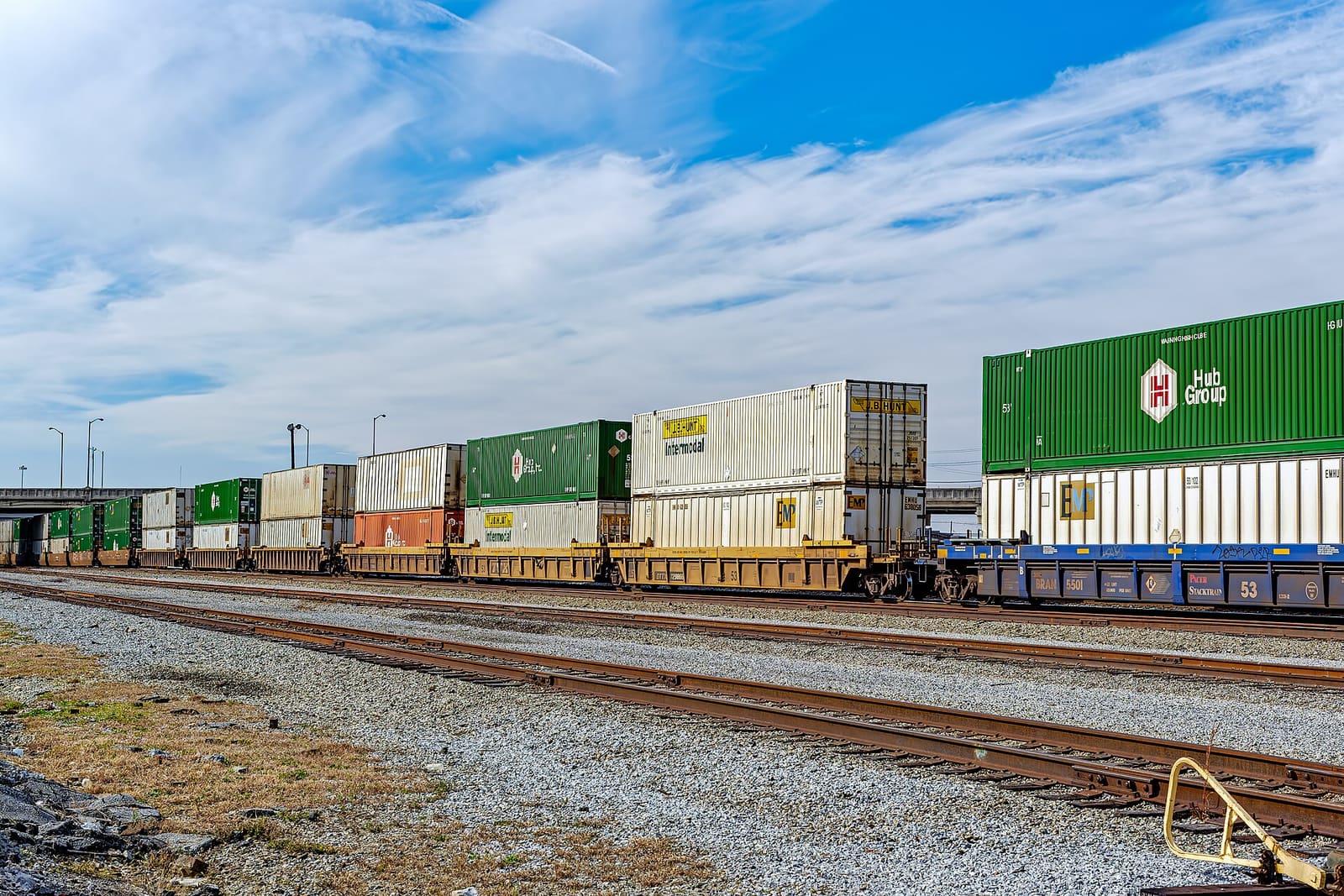
The overwhelming majority of China-Europe container volume travels by deep-sea vessel, largely on services that route via the Suez Canal or, since late 2023, increasingly via the Cape of Good Hope as carriers have avoided Red Sea transits. A smaller but meaningful share moves overland by rail block train across Central Asia and Russia or Belarus into Poland and Germany, and time-critical or high-value cargo moves by air. This guide focuses on the sea freight picture, since it carries the bulk of volume for most importers; for a detailed comparison of the rail option against the Suez Canal route, see our dedicated guide on China-Europe rail vs. the Suez Canal.
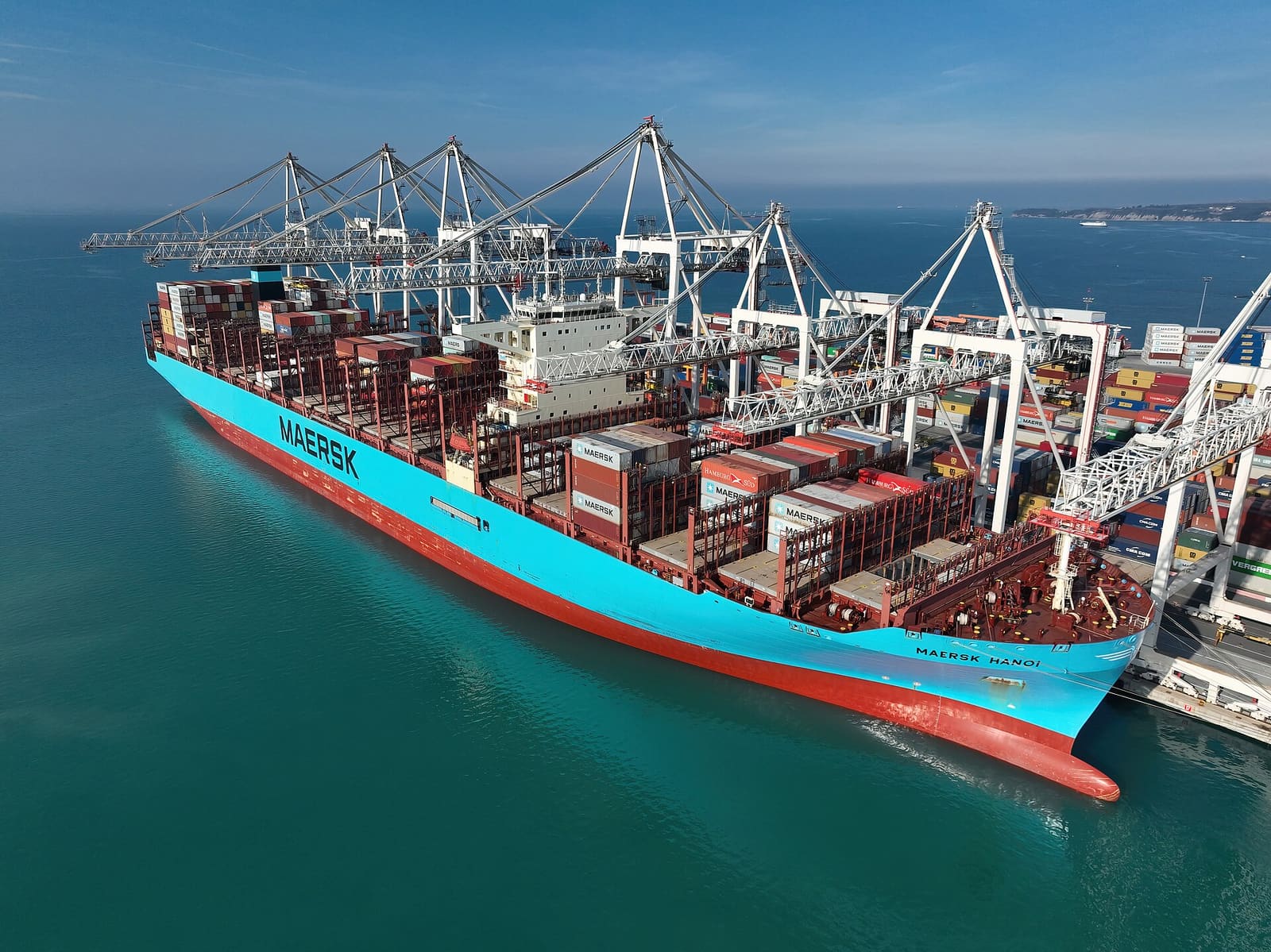
Within sea freight, transit time depends heavily on which port your cargo is headed to and which service string it travels on. As a rough guide: North European ports such as Rotterdam, Hamburg, Antwerp and Felixstowe typically see transit times in the range of roughly 30–42 days door-to-port from major Chinese load ports, while Mediterranean ports such as Piraeus, Genoa, Valencia and Marseille-Fos — often called earlier on the same westbound service loops — can run somewhat faster, in the region of 24–36 days. These are ranges, not guarantees: actual transit depends on the carrier, the specific vessel string, port congestion at both ends, and whether cargo transships at an intermediate hub such as Singapore, Tanjung Pelepas or Piraeus itself before reaching its final European port.
FCL vs. LCL for China-Europe Shipments
Full-container-load (FCL) shipping makes sense once a shipper has enough volume to fill a meaningful share of a 20-foot or 40-foot container — cargo that would otherwise cost more to consolidate, or cargo that benefits from not being handled and repacked at a consolidation warehouse. FCL also gives a shipper more control over the exact vessel and sailing date, with a single bill of lading covering the full container. Less-than-container-load (LCL) shipping is the more practical option for smaller volumes: cargo is consolidated with other shippers' goods into a shared container at an origin warehouse in China, then deconsolidated at destination, typically in a bonded facility near the arrival port. LCL costs more per cubic metre than FCL on a full-container basis, but it lets a smaller importer avoid paying for space they do not need, and lets a growing business test a new European market without committing to full-container volumes. For a fuller side-by-side comparison, see our guide to LCL vs. FCL for China shipments.
Which option makes sense often depends on which port you are using, too. Rotterdam and Antwerp, for example, have dense LCL consolidation networks with frequent deconsolidation cycles, while some smaller or less-served ports work better on an FCL-only basis simply because LCL groupage schedules to that specific destination are less frequent.
Customs and Documentation Across the EU and the UK
Most of the ports most commonly used for China to Europe trade sit inside the EU customs union, meaning that once cargo clears customs at its first EU port of entry — or at an inland customs office under a transit procedure — it can generally move freely across EU member states without a second full customs clearance. The United Kingdom sits outside this union since Brexit and requires its own, separate UK import clearance through HMRC's Customs Declaration Service, regardless of which EU port the vessel may have also called at.
Whichever destination applies, the paperwork a shipper needs is broadly consistent: a commercial invoice showing the transaction value, buyer and seller details and Incoterm used; a detailed packing list matching the invoice line by line; a bill of lading (or sea waybill) issued by the carrier or NVOCC; and correct Harmonized System (HS) classification codes for every product line, since duty rates, licensing requirements and applicable trade agreements all hinge on that classification. Importers into the EU also need an EORI number (Economic Operators Registration and Identification), and most will register for import VAT deferment schemes available in their country of entry rather than paying VAT upfront at the border. On the export side, GACC (China's General Administration of Customs) requirements apply to the outbound declaration and, for certain product categories, to export licensing.
Getting HS classification and documentation right the first time avoids the two most common causes of delay at European ports: a customs hold pending clarification, and demurrage charges that accrue while a container sits waiting for release. For a deeper walk-through of this process, see our full customs clearance guide for goods from China.
Choosing the Right Port for Your Cargo
With China to Europe, all ports realistically in play for most importers, the right choice usually comes down to where your customer base or distribution centre actually sits, rather than which port has the lowest headline freight rate. Cargo destined for Germany or Central Europe generally routes most efficiently through Hamburg or Bremerhaven; cargo for the Benelux region and much of the rest of North-West Europe often moves through Rotterdam or Amsterdam or through the Port of Antwerp-Bruges. Importers focused on the UK market need to plan around a separate customs regime via Felixstowe or London Gateway. Southern European and Mediterranean-facing businesses frequently find shorter transit times through Genoa and La Spezia, Valencia and Algeciras, or Piraeus, while cargo aimed at Poland and onward into Central and Eastern Europe increasingly moves through Gdańsk and the Baltic gateway. France sits in an interesting middle position, served by both an Atlantic-facing port and a Mediterranean one, covered in our guide to Le Havre and Marseille-Fos.
The table below summarizes rough transit-time bands across the major gateway regions covered in this series.
| Region | Key Ports | Typical Sea Transit |
|---|---|---|
| North Europe | Rotterdam, Hamburg, Antwerp-Bruges, Felixstowe | Roughly 30–42 days |
| Baltic | Gdańsk | Roughly 34–45 days |
| Western Mediterranean | Genoa, La Spezia, Valencia, Algeciras, Marseille-Fos | Roughly 26–36 days |
| Eastern Mediterranean | Piraeus | Roughly 24–32 days |
Practical Tips for Shippers Working Across Multiple Ports
- Match the port to the final delivery point, not just the freight rate. A slightly higher freight cost into a port closer to your actual customer base often beats a cheaper rate into a port that then needs an extra 500–1,000 km of inland trucking or rail.
- Build in buffer during peak season and around Chinese New Year. Space on the busiest China-Europe strings tightens considerably in the weeks before major Chinese holidays and during pre-Christmas restocking, which can push both rates and transit times outside their normal ranges.
- Use one forwarder across multiple ports where your business ships to more than one European market. A single point of contact that already has relationships and booking access across Rotterdam, Hamburg, Antwerp, the Mediterranean ports and the UK can consolidate visibility and documentation, rather than leaving a shipper to coordinate separate agents port by port.
China to Europe, all ports, is ultimately a network rather than a single lane, and the right routing decision changes depending on cargo type, delivery deadline, and where in Europe the goods are actually headed. RR Brothers and Logistics works as the freight forwarder and NVOCC behind all of these routings, coordinating sea, rail, air and road freight, customs clearance and warehousing from a single point of contact — whichever European gateway your cargo needs to reach.
Frequently Asked Questions
Not universally — the right port depends on where your customer base or distribution centre actually sits rather than headline freight rate, since a slightly higher cost into a port closer to your market often beats a cheaper rate that adds hundreds of kilometres of inland trucking.
North European ports like Rotterdam, Hamburg and Felixstowe typically run 30–42 days from major Chinese load ports, while Mediterranean gateways such as Piraeus, Genoa and Valencia can run somewhat faster, around 24–36 days.
Yes — the UK sits outside the EU customs union since Brexit and requires its own separate import clearance through HMRC's Customs Declaration Service, regardless of which EU port the vessel may have also called at.
For some cargo, yes — a smaller but meaningful share of China-Europe volume moves overland by rail block train across Central Asia into Poland and Germany, generally faster than sea freight at a higher per-unit cost.