Poland's Growing Role in China-Europe Trade
Poland has become one of the more strategically important markets in China to Europe trade, not only because of its own consumer and industrial demand but because of its position as a gateway into the wider Baltic states, Czechia, Slovakia and onward into Germany and Central Europe. Unlike most other countries in this series, Poland is unusual in being served by two genuinely distinct China-Europe freight routes: deep-sea container shipping into the port of Gdańsk on the Baltic coast, and overland rail freight arriving by block train through the Belarus border crossing at Małaszewicze, one of the busiest rail freight gateways between the Eurasian rail network and the EU. A shipper choosing Poland as a destination is, in effect, choosing between — or combining — two different logistics networks rather than one. Warsaw, Łódź, Poznań and the Upper Silesian industrial belt around Katowice all sit within reasonable inland reach of both Gdańsk and the rail terminals along the eastern border, which is part of why Poland has become a preferred distribution base for businesses serving Czechia, Slovakia and the Baltic states from a single Central European warehouse.
Gdańsk and DCT: A Deep-Water Baltic Hub
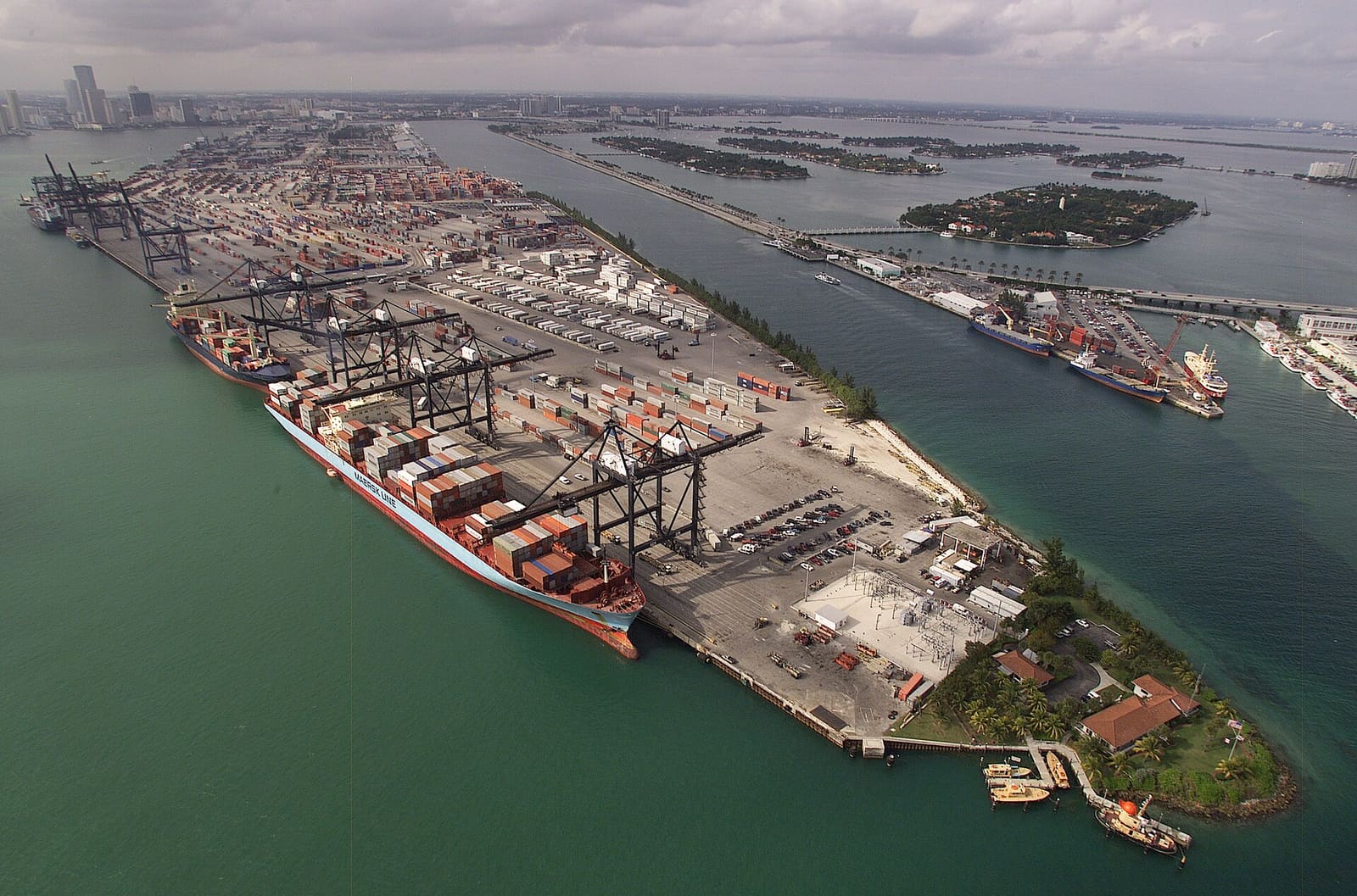
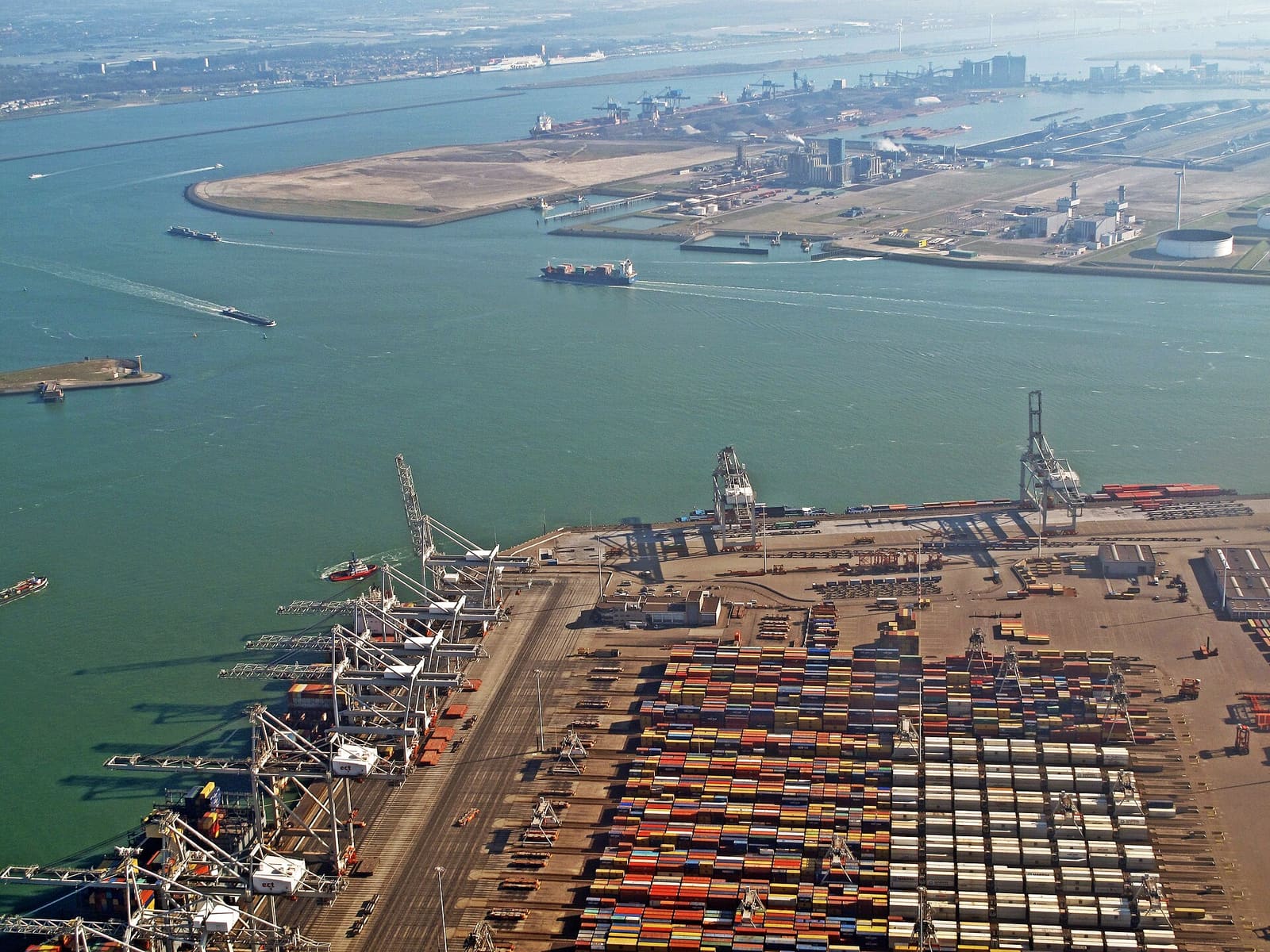
Gdańsk's DCT Gdańsk terminal is the only container terminal on the Baltic Sea capable of receiving the largest ultra-large container vessels on a direct call, without needing to feeder cargo in from a hub port further west. That capability has turned Gdańsk into the primary direct-call gateway for China-origin containers headed for Poland and the wider Baltic region, reducing reliance on transshipping cargo through Rotterdam, Hamburg or Bremerhaven and then feedering it onward by smaller vessel. For importers whose distribution centres sit in northern or central Poland, a direct call at Gdańsk is often both faster and simpler than routing through a North Sea port and adding an extra short-sea leg.
Sea Freight Transit Times from China to Poland
For standard container sea freight from major Chinese load ports, typical transit time into Gdańsk runs in the range of roughly 34–45 days door-to-port — somewhat longer than the 30–42 day range typical of North Sea ports such as Rotterdam or Hamburg, largely because of the additional sailing distance up through the Kattegat and Skagerrak straits into the Baltic Sea. Direct-call services on the largest vessel strings tend to land toward the faster end of that range; cargo that transships at an intermediate North Sea hub before feedering into Gdańsk typically runs longer. As on any China to Europe sea lane, these are realistic planning ranges rather than fixed commitments, and actual transit can extend during peak season, around Chinese New Year, or when broader network disruption affects vessel schedules.
FCL vs. LCL Into Gdańsk
Gdańsk's direct-call capability supports full-container-load (FCL) shipping well, and FCL is generally the more straightforward and cost-efficient option once a shipper's volumes justify a full 20-foot or 40-foot container. Less-than-container-load (LCL) consolidation into Gdańsk is less dense than at Rotterdam, Antwerp or Hamburg, since Poland's import volumes are more recently established relative to those long-standing North European gateways; many LCL shippers instead consolidate cargo through a North Sea hub with a more frequent deconsolidation cycle, then move it into Poland by road or rail. As Polish import volumes continue to grow, that gap has been narrowing, and it is worth asking your freight forwarder directly which option currently offers the better combination of cost and transit time for your specific cargo volume.
Sea Freight and Rail as Complementary Options
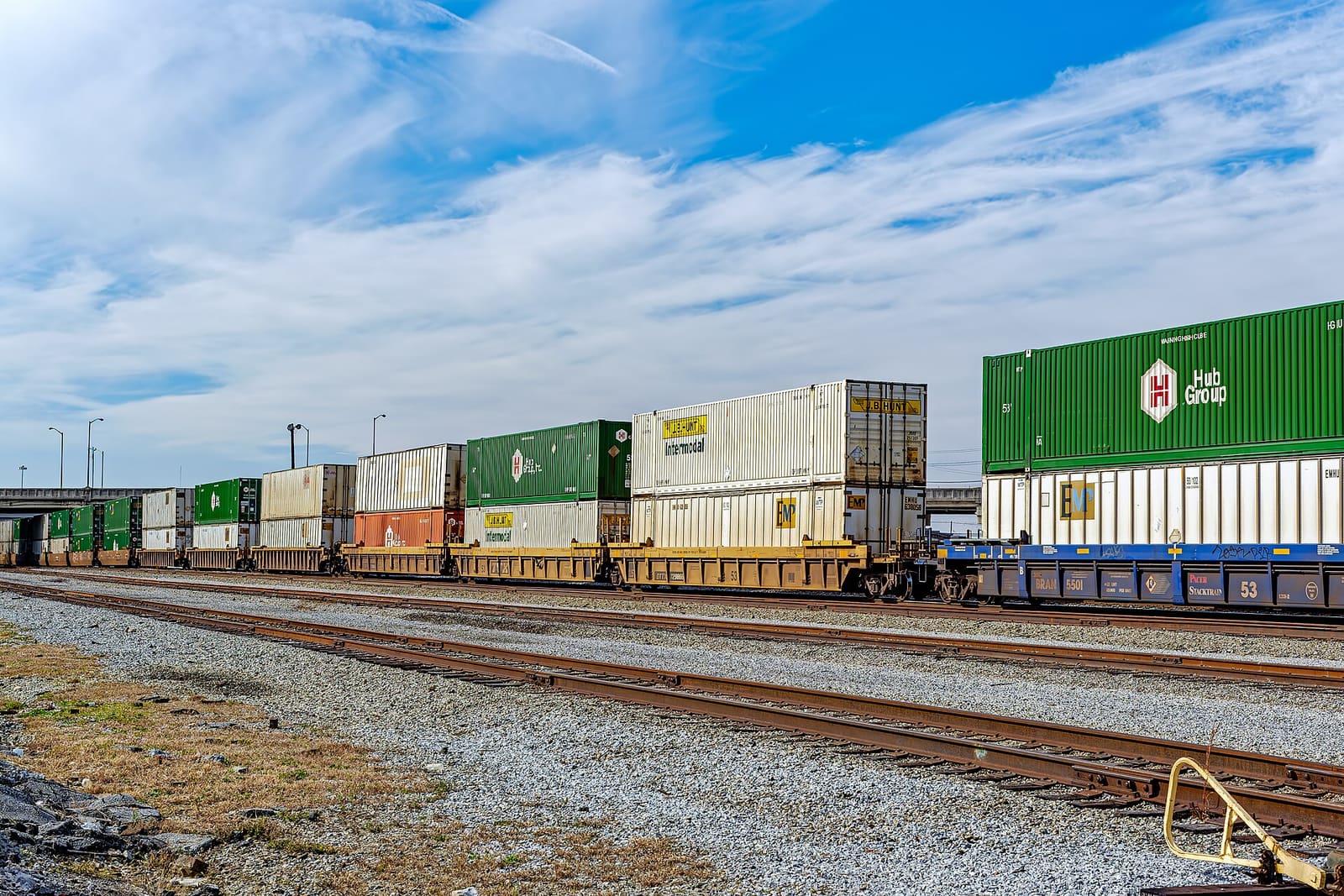
Because Poland sits at the western end of the main China-Europe rail corridor, it is one of the few markets where a shipper can genuinely weigh a rail option against sea freight for the same final destination, rather than rail simply serving as a faster but pricier alternative to a sea-freight-only lane. Rail block trains arriving via Małaszewicze reach inland Polish hubs — and onward destinations in Germany and Central Europe — meaningfully faster than sea freight into Gdańsk, though at a higher per-unit cost, making rail a sensible option for time-sensitive or higher-value cargo while sea freight continues to carry the bulk of higher-volume, less time-critical shipments. Shippers weighing the trade-off in more depth may find it useful to read our companion guide comparing China-Europe rail freight against the Suez Canal sea route.
Sea vs. Rail Into Poland: A Side-by-Side Look
Because Poland is realistically served by both options, it is worth laying the two routes side by side rather than treating the choice as purely theoretical. The table below summarizes the practical trade-offs for cargo with a Polish or Central European final destination.
| Factor | Sea via Gdańsk | Rail via Małaszewicze |
|---|---|---|
| Typical transit time | Roughly 34–45 days | Meaningfully faster than sea, slower than air |
| Relative cost per unit | Lowest for high-volume cargo | Higher than sea, well below air |
| Best-fit cargo | Large volumes, less time-sensitive goods | Mid-value, moderately time-sensitive goods |
| Best-fit destination | Coastal and northern Polish hubs | Inland Polish and Central European hubs |
Many established importers end up using both routes at once — sea freight for the steady bulk of their volume, and rail for the smaller, higher-priority portion of a shipment that cannot wait the extra week or two that sea freight typically requires. A freight forwarder booking both modes can split a single order across the two without the shipper having to manage two separate carrier relationships.
What Kind of China-Origin Cargo Moves Through Poland
Poland's rapid growth as an e-commerce and distribution hub has reshaped the kind of China-origin cargo moving through Gdańsk and the rail terminals along the eastern border. Alongside the furniture, textiles, electronics and general consumer goods common to most European gateways, Poland has become a favoured location for regional fulfilment and distribution centres serving online retail across Central and Eastern Europe, drawing on its relatively low warehousing and labour costs compared with Germany or the Benelux countries. Machinery components and automotive parts also move through Poland in significant volume, feeding the country's large automotive and electronics manufacturing sector, much of which supplies onward into Germany's own production lines. For shippers building a Central European distribution strategy, Poland's combination of port access, rail connectivity and lower operating costs is increasingly a deliberate choice rather than a fallback from a North Sea gateway.
Polish and EU Customs Clearance
Poland sits inside the EU customs union, so import clearance follows the same core framework applied across member states, administered on the Polish side by the National Revenue Administration (Krajowa Administracja Skarbowa, KAS). Importers need a valid EORI number, accurate HS classification on every product line, and typically arrange import VAT through the standard deferment mechanisms available to EU importers. Poland is also a common transit point for cargo continuing onward to Lithuania, Latvia, Estonia, Czechia and Slovakia, and a shipment can move under a T1 transit procedure to a customs office in one of those countries before final clearance, which is worth discussing with your forwarder if your actual distribution network extends beyond Poland itself.
Documentation Checklist
- Commercial invoice showing transaction value, Incoterm, and buyer/seller details
- Packing list matching the invoice line by line, with weights and dimensions
- Bill of lading, sea waybill or rail consignment note (CIM/SMGS) depending on the mode used
- Correct HS codes for every product line, since duty rates and any licensing requirements depend on accurate classification
- Certificate of origin where required by the buyer or under a preferential trade arrangement
- EORI registration for the importer of record
Practical Tips for Shippers
- Weigh sea freight into Gdańsk against rail via Małaszewicze for time-sensitive cargo. Poland is one of the few China-Europe markets where both options genuinely compete on the same lane, and the right choice depends on how much extra cost you are willing to pay to cut transit time.
- Plan onward inland transport as a separate leg from the main transit. Cargo landing at Gdańsk or arriving by rail still needs to reach its final Polish or Central European destination by road or rail, and that leg should be quoted and scheduled independently of the main China-Europe transit time.
- Consider splitting large orders across sea and rail. Moving the bulk of an order by sea while air-freighting or rail-freighting a smaller priority portion can get critical stock to market early without paying premium rates on the entire shipment.
Poland's dual position — a direct-call Baltic seaport and the western terminus of the main China-Europe rail corridor — gives shippers more routing flexibility than almost any other market in this series. Getting the most out of that flexibility depends on working with a freight forwarder that can quote, book and coordinate both sea and rail options rather than defaulting to whichever mode it happens to specialize in. RR Brothers and Logistics manages sea freight into Gdańsk, rail freight via the Eurasian corridor, and the customs clearance and inland distribution that follows, as part of its wider China-Europe logistics network.
Frequently Asked Questions
It depends on urgency and cargo value — sea freight into Gdańsk is the more cost-efficient option for large, less time-sensitive volumes, while rail via Małaszewicze is meaningfully faster at a higher per-unit cost, better suited to mid-value or moderately time-sensitive goods.
DCT Gdańsk is the only container terminal on the Baltic Sea able to receive the largest ultra-large container vessels on a direct call, reducing reliance on transshipping through a North Sea port and then feedering cargo onward.
It's less dense than at Rotterdam, Antwerp or Hamburg, since Polish import volumes are more recently established, so many LCL shippers still consolidate through a North Sea hub and move cargo into Poland by road or rail.
Yes — many importers ship the bulk of their volume by sea for cost efficiency while moving a smaller, higher-priority portion by rail, and a forwarder booking both modes can coordinate that split under one account.