Kolkata's Downstream Partner on the Hooghly
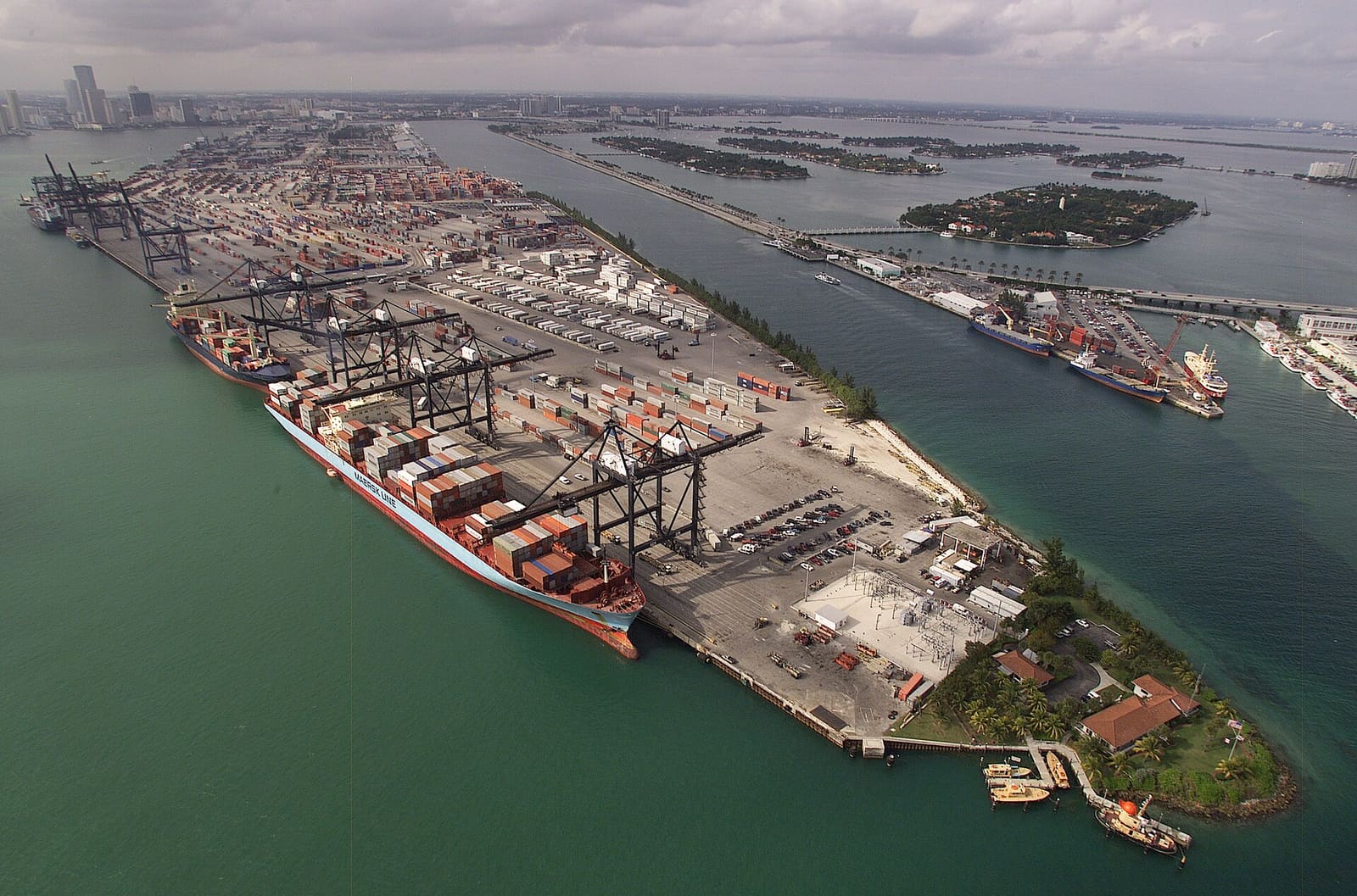
Haldia sits roughly 120 kilometres downstream of Kolkata, at the point where the Hooghly River widens toward the Bay of Bengal. It was purpose-built in the 1970s to relieve the older Kolkata Dock System, whose berths sit far upriver and became increasingly difficult for larger vessels to reach as the Hooghly's channel silted over the decades. Together, the two dock complexes form a single port authority — the Syama Prasad Mookerjee Port — but Haldia and Kolkata function quite differently in practice. Haldia carries a heavier share of bulk and liquid cargo, including petroleum products, fertiliser, and edible oil, alongside a container terminal that has grown steadily as an alternative to the congestion-prone upriver docks. For a freight forwarder moving China to India cargo into eastern India, understanding which of the two Hooghly ports actually fits a given shipment is the first real decision to make.
Why Haldia Matters Beyond West Bengal
West Bengal is Haldia's obvious hinterland, but the port's real strategic value lies further inland. It is one of the shortest sea routes into Bihar, Jharkhand, and parts of Odisha, and it sits at the seaward end of National Waterway 1, the Ganga river-navigation corridor that in principle extends inland cargo movement well beyond where road and rail alone would reach economically. Haldia is also one of the more practical maritime gateways for cargo continuing on to Nepal and Bhutan, both landlocked and dependent on Indian ports for their seaborne trade. Businesses supplying manufacturing or trading operations anywhere across this eastern and northeastern hinterland frequently find Haldia (or its sister port Kolkata) a shorter, cheaper inland haul than routing the same cargo through a west-coast gateway like Nhava Sheva or Mundra.
Transit Times: China to Haldia
Because the Hooghly's channel limits the size of vessel that can navigate it safely, very few mainline services call Haldia directly from China. Most China to India cargo bound for Haldia moves on a feeder vessel after transshipping at a hub such as Colombo, Singapore, or Port Klang, which adds time compared with a direct west-coast sailing. As a working range, shippers should plan on roughly 22–28 days port to port from the major Chinese load ports, with the wider end of that range applying to routings involving two transshipments or a slower feeder rotation up the Bay of Bengal and into the river. Where a single-transshipment routing is available, transit can land closer to the shorter end of the range.
| China Load Port | Typical Routing | Approx. Transit to Haldia |
|---|---|---|
| Shanghai / Ningbo | Via Singapore / Colombo | 23–27 days |
| Shenzhen / Guangzhou | Via Port Klang / Colombo | 22–26 days |
| Qingdao | Via Singapore | 25–28 days |
Draft Limits and Vessel Size on the Hooghly
The Hooghly's shifting sandbars and seasonal siltation mean the river channel requires ongoing dredging to stay navigable, and even then it accommodates smaller vessels than an open-coast port like Chennai or Mundra can handle. This is the central operating fact of shipping through Haldia: your cargo will very likely spend part of its journey on a feeder vessel rather than a mainline containership, and tidal windows can affect exactly when a vessel is able to enter or leave the river. None of this makes Haldia unreliable, but it does mean schedule estimates should carry a somewhat wider buffer than a deep-water, open-coast port would need, and it is worth asking your forwarder directly whether a given booking involves one transshipment or two before you commit to a delivery date with your own customer.
FCL vs LCL for Haldia-Bound Cargo
Full container load remains the straightforward choice for Haldia, particularly for the industrial inputs, fertiliser-linked chemicals, and general trading cargo that make up much of the port's containerised trade. LCL consolidation calling directly at Haldia is comparatively limited next to Kolkata's Netaji Subhas Dock, which sees more frequent feeder service and a wider base of consolidators; many smaller shippers instead route LCL cargo through the Kolkata Dock System and complete the final leg by road, or ask their forwarder to compare consolidation options across both ports on the Hooghly before booking. If your shipment is small and time-sensitive, it is worth asking specifically whether Haldia or Kolkata Dock offers the faster combined transit for your cargo, since the answer is not always the same port twice depending on current vessel rotations.
Customs Clearance and Documentation at Haldia
Clearance at Haldia follows the national framework administered by the Central Board of Indirect Taxes and Customs (CBIC), through the Customs House serving the Haldia Dock Complex. On arrival, the carrier or its agent files an Import General Manifest (IGM) covering the cargo on board; your customs broker then files a Bill of Entry declaring HS classification, assessable value, and duty payable, supported by the commercial invoice, packing list, and bill of lading. You will need a valid IEC (Importer Exporter Code) and current GST registration, since Integrated GST is assessed together with basic customs duty at clearance. Cargo continuing onward to Nepal or Bhutan under transit arrangements follows a distinct bonded-movement procedure, so flag this with your forwarder early if your shipment is not clearing for consumption within India itself.
Documentation Checklist for a Haldia Import
Confirm the following is in hand, or in progress, before your cargo departs China:
- A commercial invoice showing true transaction value, incoterm, and a goods description matching the shipment.
- A packing list with weights, dimensions, and carton or pallet counts broken down by item.
- An original, telex-released, or seaway bill of lading naming the correct consignee.
- A valid IEC and current GST registration on file with your customs broker.
- Any product-specific licence, certification, or approval your HS code requires.
As at any Indian port, incomplete paperwork is the most common reason a Bill of Entry stalls rather than clearing on the first pass — confirm every item on this list well before the vessel departs China.
Two Tips for Shippers Using Haldia
- Ask whether your booking transships once or twice. The difference between a single-transshipment and a double-transshipment routing to Haldia can be a week or more — always confirm this before quoting a delivery date to your own customer.
- Weigh Haldia against Kolkata Dock for your specific cargo. The two ports share an authority but differ in berth congestion, feeder frequency, and consolidator coverage — a good forwarder should quote both rather than defaulting to whichever port is more familiar.
RR Brothers and Logistics routes China to India cargo through Haldia and Kolkata alike, coordinating the ocean leg, Indian customs clearance, and onward inland delivery across West Bengal, Bihar, Jharkhand, and the northeast as a single managed shipment from our Guangzhou base. As a freight forwarder and NVOCC with a decade of experience on this lane, we help clients decide which Hooghly gateway actually fits a given shipment before booking, rather than assuming one port automatically suits every cargo type.
Frequently Asked Questions
Because the Hooghly River's channel limits the size of vessel that can navigate it safely, very few mainline services call Haldia directly, so most cargo moves on a feeder vessel after transshipping at a hub such as Colombo, Singapore or Port Klang.
It depends on the shipment. The two ports share a single port authority but differ in berth congestion, feeder frequency and consolidator coverage, so a good forwarder should quote both rather than defaulting to whichever is more familiar.
It's more limited than at Kolkata's Netaji Subhas Dock, so many smaller shippers route LCL cargo through Kolkata Dock and complete the final leg by road, or ask their forwarder to compare consolidation options across both Hooghly ports.
Yes. Haldia is one of the more practical maritime gateways for landlocked Nepal and Bhutan, though cargo continuing onward follows a distinct bonded transit procedure that should be flagged with your forwarder early.