A Deep-Water Port Built Around Heavy Industry
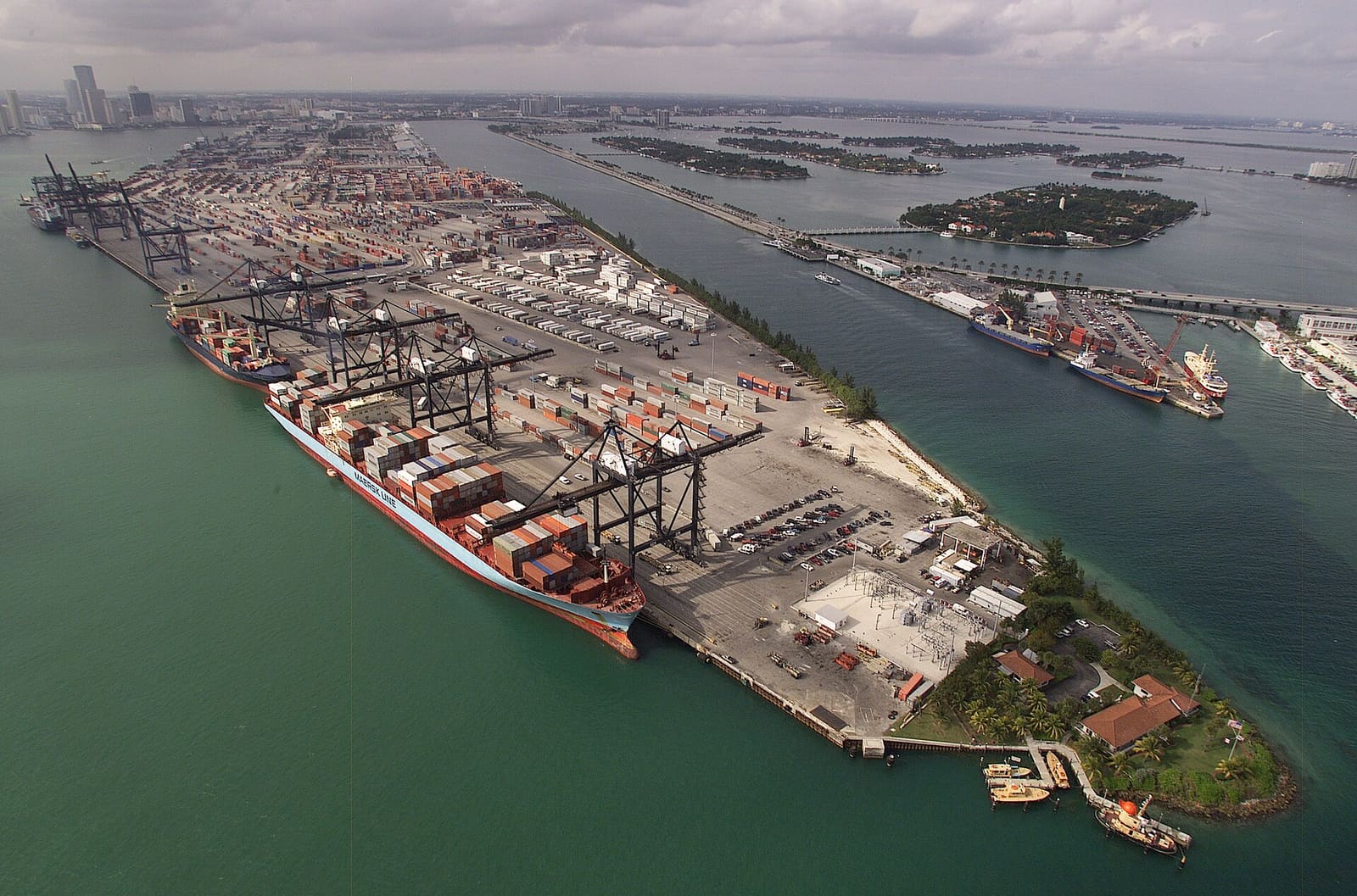
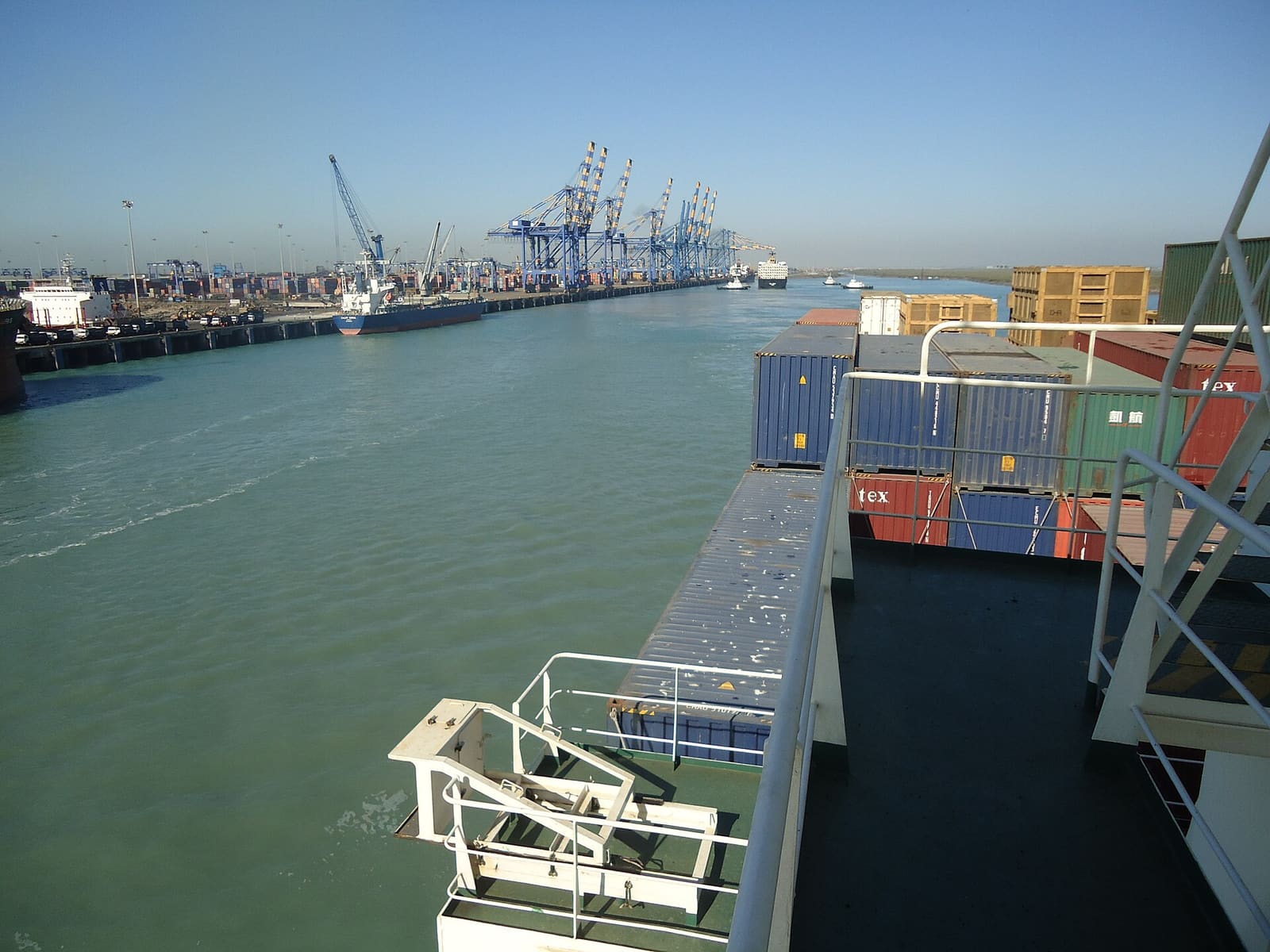
Hazira sits on the Gulf of Khambhat a short distance from Surat, and unlike most Indian gateways it grew up around industry rather than trade alone. The surrounding zone hosts some of Gujarat's largest petrochemical and gas-processing complexes, a major LNG import terminal, and heavy steel and pipe manufacturing, and the port itself developed in large part to move raw materials and finished products for those plants. Container operations came later, but they now sit alongside dedicated liquid, bulk, and break-bulk berths built for exactly this kind of industrial cargo. For a freight forwarder booking China to India cargo bound for Surat's manufacturing base, Hazira offers something the more consumer-facing hubs do not: a port that already speaks the language of industrial and project cargo, not just standard container boxes.
Why South Gujarat Shippers Use Hazira
Surat is best known internationally for two industries — man-made textile and synthetic fabric production, and diamond cutting and polishing — but its surrounding districts, particularly Bharuch, Ankleshwar, and Vapi, form one of India's densest chemical and pharmaceutical manufacturing corridors. Hazira sits close enough to all of this to shorten the inland leg meaningfully compared with routing the same cargo through Mundra or Nhava Sheva, both of which involve a longer road haul back down into South Gujarat. For textile machinery, dyes and chemical intermediates, polymer resins, and diamond-processing equipment moving from China, Hazira frequently offers the shortest combined ocean-plus-inland transit into this specific industrial belt, even where the ocean leg itself is not the fastest available option.
Transit Times: China to Hazira
Hazira's deep-water berths can accommodate large container vessels, and a meaningful share of services call the port directly or with a single transshipment, keeping transit broadly in line with other major west-coast gateways. As a working range, shippers should plan on roughly 18–25 days port to port from the major Chinese load ports, with direct or near-direct sailings landing toward the shorter end and routings via a Middle East or Sri Lankan transshipment hub running longer. As with any China to India booking, these figures are a planning range rather than a guarantee — actual transit depends on the specific service string, port congestion, and seasonal vessel bunching around Chinese public holidays.
| China Load Port | Typical Routing | Approx. Transit to Hazira |
|---|---|---|
| Shanghai / Ningbo | Direct or 1 transshipment | 19–23 days |
| Shenzhen / Guangzhou | Direct or via Singapore | 18–22 days |
| Qingdao | Via Singapore / Jebel Ali | 21–25 days |
Bulk, Project Cargo, and Containers Side by Side
Because Hazira was built to serve heavy industry first, it handles a genuinely mixed cargo profile: LNG and liquid chemicals move through dedicated terminals, dry bulk raw materials feed the steel and pipe plants, and break-bulk project cargo arrives for plant expansions and maintenance shutdowns, all alongside standard containerised trade. For shippers moving oversized machinery, reactor components, or other project cargo for a Gujarat chemical or steel plant, this matters — Hazira's terminal operators and customs staff are accustomed to break-bulk and heavy-lift consignments in a way a container-only port is not. If your business is importing both project cargo and standard containerised goods from China for the same industrial site, routing both through Hazira can simplify coordination considerably compared with splitting the shipment across two different Indian gateways.
FCL vs LCL for Hazira-Bound Cargo
Full container load is the more dependable option for Hazira, especially for chemical intermediates, textile machinery, and polymer shipments that regularly move in bulk volumes for this industrial hinterland. LCL consolidation calling directly at Hazira is more limited than at Mundra or Nhava Sheva, so many smaller shippers route consolidated cargo through one of those hubs and complete the final leg to Surat by road. Before assuming that is the better option, ask your forwarder to compare the total transit and cost of a direct Hazira LCL service, where one exists, against a Mundra-or-Nhava-Sheva-plus-trucking routing — the shorter inland haul into Surat can sometimes offset a slightly less frequent sailing schedule.
Customs Clearance and Documentation
Import clearance at Hazira follows the same national framework used across India, administered by the Central Board of Indirect Taxes and Customs (CBIC) through the Customs House serving the port. On arrival, the carrier or its agent files an Import General Manifest (IGM); your customs broker then files a Bill of Entry declaring HS classification, assessable value, and duty payable, supported by the commercial invoice, packing list, and bill of lading. A valid IEC (Importer Exporter Code) and current GST registration are required, since Integrated GST is assessed alongside basic customs duty at clearance. Chemical and chemical-intermediate shipments — common on this lane given Gujarat's chemical corridor — may also require additional import licences or safety documentation depending on the HS code, so confirm these requirements with your customs broker before the cargo leaves China.
Documentation Checklist for a Hazira Import
Before your shipment departs a Chinese port for Hazira, confirm the following is finalised or in progress:
- A commercial invoice showing true transaction value, incoterm, and a goods description matching the shipment.
- A packing list with weights, dimensions, and carton, drum, or pallet counts broken down by item.
- An original, telex-released, or seaway bill of lading naming the correct consignee.
- A valid IEC and current GST registration on file with your customs broker.
- Any chemical safety data sheet, import licence, or other regulatory approval your HS code requires.
Incomplete documentation remains the most common cause of a Bill of Entry stalling instead of clearing on first review — confirm this list is complete before the vessel sails rather than after it berths.
Two Tips for Shippers Using Hazira
- Plan around Gujarat's monsoon window. The coastline typically sees heavier weather from June into September, which can affect berthing schedules and inland trucking alike — build a modest buffer into deliveries that fall in this period rather than quoting the tightest possible transit.
- Compare Hazira against Mundra and Pipavav for your specific cargo. All three Gujarat gateways serve overlapping hinterlands with different vessel calls and inland trucking distances — a forwarder who can quote all three, rather than defaulting to whichever is best known, is doing the comparison your shipment actually needs.
RR Brothers and Logistics books China to India cargo through Hazira alongside Mundra, Pipavav, and Kandla, coordinating the ocean leg, Indian customs clearance, and final inland delivery into Surat and South Gujarat as a single managed shipment from our Guangzhou base. As a freight forwarder and NVOCC with a decade on this lane, we help clients weigh Gujarat's port options against their actual factory or warehouse location before booking, rather than defaulting to whichever gateway is most familiar.
Frequently Asked Questions
Hazira grew up around heavy industry rather than trade alone, so alongside container operations it has dedicated liquid, bulk and break-bulk berths built for the petrochemical, LNG and steel plants in its surrounding zone.
Yes. Because Hazira's terminal operators and customs staff are accustomed to break-bulk and heavy-lift consignments, routing both project cargo and standard containerised goods for the same industrial site through Hazira can simplify coordination.
Roughly 18–25 days port to port, with direct or near-direct sailings landing toward the shorter end and routings via a Middle East or Sri Lankan transshipment hub running longer.
Yes. The coastline typically sees heavier weather from June into September, which can affect berthing and inland trucking, so it's worth building a modest buffer into deliveries falling in that window.