Gujarat's Original Gateway Port
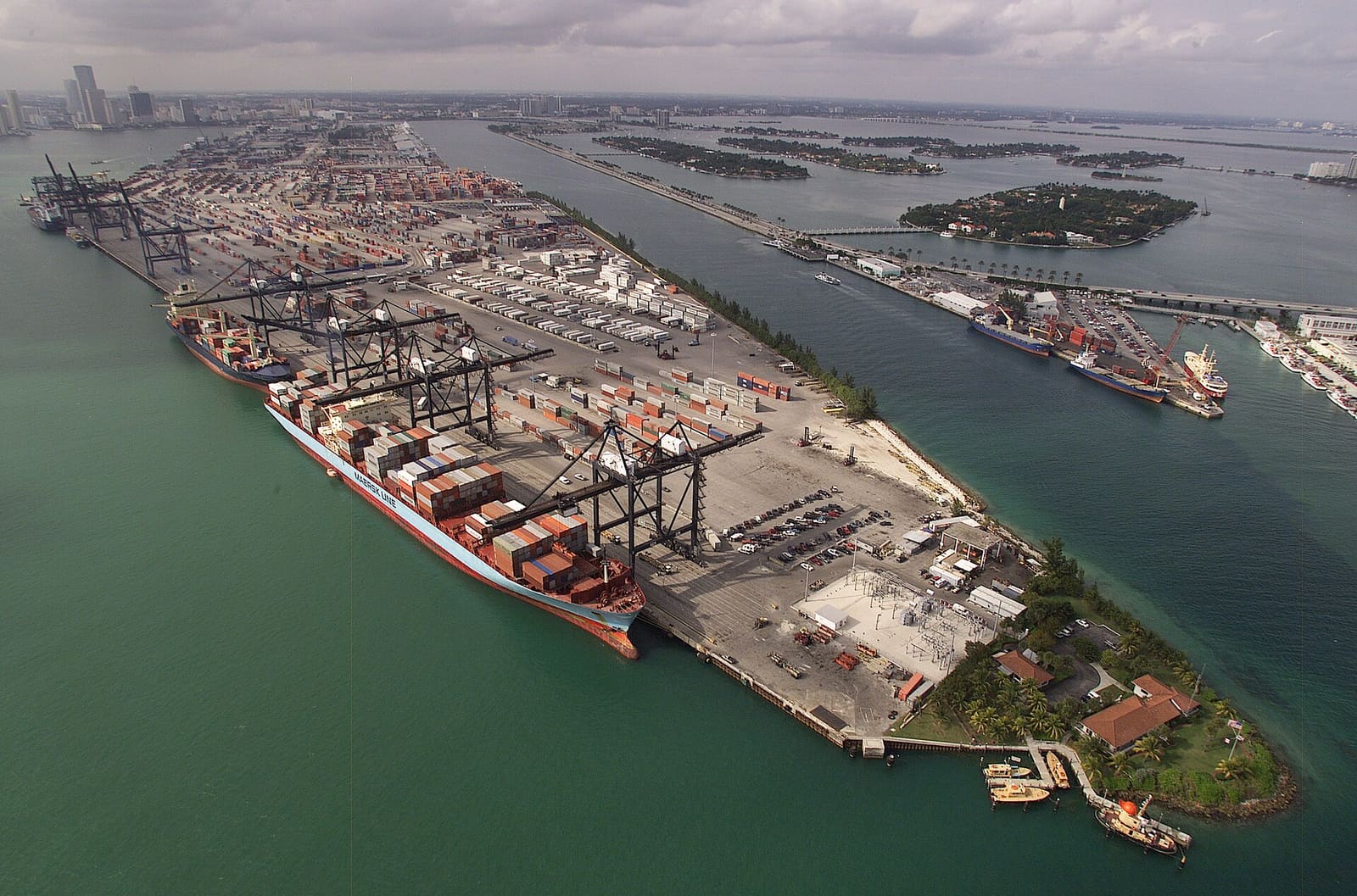
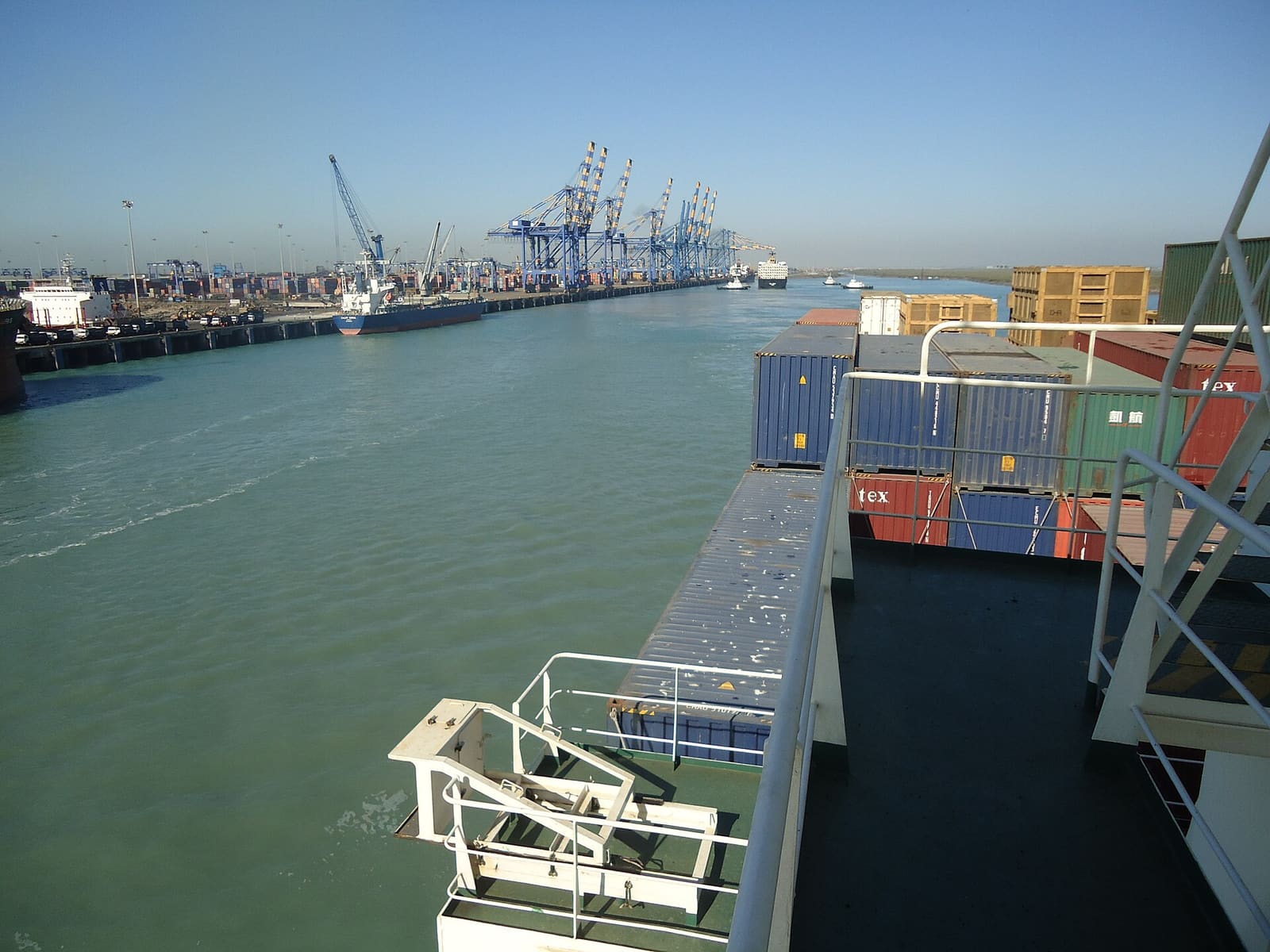
Long before Mundra grew into India's largest private container port, Kandla was already the working port of the Gulf of Kutch. Officially renamed Deendayal Port in 2017, it sits at the head of the Kandla Creek and remains one of India's busiest ports by cargo tonnage, thanks to a deep hinterland connection into Gujarat, Rajasthan, Punjab, Haryana, and the wider northern belt. For freight forwarders moving China-origin cargo, Kandla is less a single terminal and more an ecosystem: container operations sit alongside major liquid-bulk, dry-bulk, and break-bulk handling for edible oils, chemicals, fertilisers, and salt, much of it tied to the Kandla Special Economic Zone (KASEZ) immediately adjacent to the port. For importers whose supply chain runs through Kutch, Kandla is frequently the most direct and cost-effective way to bring China to India cargo ashore.
What Kandla Is Best Suited To
Kandla's strength is its hinterland reach rather than raw container throughput. Cargo destined for Ahmedabad, Jaipur, Ludhiana, and the broader Punjab-Haryana industrial belt often finds Kandla a shorter inland haul than routing through Mumbai. It is a natural fit for machinery, chemicals and chemical intermediates, plastics and polymers, textile inputs, and general trading cargo bound for northern Gujarat and Rajasthan. Because the port sits inside a tidal creek with a channel that limits vessel draft compared with open-coast terminals like Mundra, the very largest ultra-large container vessels tend to call at Mundra instead, with Kandla served by a mix of direct calls and feeder connections that bring boxes on from larger regional hubs. Rail connectivity through Gandhidham gives Kandla a genuine edge for cargo continuing well beyond Gujarat: container trains link the port directly into the national rail network, offering an alternative to road haulage for shipments heading toward Delhi, Punjab, or Rajasthan where the extra distance would otherwise mean a long and costly truck journey.
Transit Times: China to India via Kandla
Sailing from major Chinese load ports — Shanghai, Ningbo, Shenzhen, Guangzhou — to Kandla typically takes longer than the equivalent voyage to Mundra or Nhava Sheva, since a share of services reach Kandla via transshipment at hubs such as Colombo, Port Klang, Jebel Ali, or Salalah rather than a direct mainline call. As a working range, shippers should plan on roughly 20–27 days port to port, with the wider end of that range applying to bookings that involve two transshipments or a slower feeder rotation up the Gulf of Kutch. Where a direct or single-transshipment routing is available, transit can land closer to the 20-day mark. As with any Indian gateway, add further days for the inland movement to your final delivery point, particularly for cargo continuing on to Rajasthan or Punjab.
Kandla's Role Beyond Containers: Bulk and Break-Bulk Trade
Unlike a pure container port such as Mundra or Nhava Sheva, Kandla handles a wide mix of cargo types side by side — liquid bulk in dedicated tank farms, dry bulk such as fertilisers and agricultural commodities, break-bulk project cargo, and standard containerised trade all move through the same complex. For shippers moving China-origin chemicals, industrial resins, or machinery components alongside containerised finished goods, this matters: Kandla's operators and customs staff are used to handling mixed-cargo consignments and can often process a shipment that combines drummed liquids with palletised containerised goods more smoothly than a container-only terminal would. If your business ships both bulk raw materials and finished containerised products from China, consolidating both cargo types through a single gateway like Kandla can simplify coordination even when the cargo travels on different vessel types.
FCL vs LCL for Kandla-Bound Cargo
Full container load remains the more straightforward option at Kandla, particularly for chemicals, polymers, and industrial inputs that regularly move in bulk volumes for this hinterland. LCL consolidation calling directly at Kandla is comparatively limited next to a hub like Nhava Sheva or Mundra, so many smaller shippers instead consolidate their cargo through Mundra and complete the final leg to Kutch or northern Gujarat by road — worth discussing with your forwarder before you assume a direct LCL routing is available on your preferred sailing. If your volumes are modest and time-sensitive, ask specifically whether a direct Kandla LCL service exists on the trade lane you need, or whether a Mundra-plus-trucking routing will actually arrive sooner. As a general guide, once a shipment approaches roughly 12–15 cubic metres or a third of a standard container's capacity, it is usually worth pricing out FCL against LCL rather than assuming consolidation is automatically cheaper — the added handling and dwell time on an LCL box can erase the per-unit saving once you account for the extra days.
| China Load Port | Typical Routing | Approx. Transit to Kandla |
|---|---|---|
| Shanghai / Ningbo | Direct or 1 transshipment | 21–26 days |
| Shenzhen / Guangzhou | Direct or via Colombo | 20–25 days |
| Qingdao | Via Colombo / Port Klang | 23–27 days |
Customs Clearance and Documentation at Kandla
Clearance at Kandla follows the same national framework used at every Indian port, administered by the Central Board of Indirect Taxes and Customs (CBIC), but with its own dedicated Customs House handling filings for the Kutch region. On arrival, the shipping line or agent files an Import General Manifest (IGM); your customs broker then files a Bill of Entry declaring the goods, HS classification, and assessable value, supported by the commercial invoice, packing list, and bill of lading. You will also need a valid IEC (Importer Exporter Code) and current GST registration, since Integrated GST is assessed alongside basic customs duty at the point of clearance. Cargo destined for the adjoining Kandla SEZ follows a distinct bonded procedure, so flag early with your forwarder whether your consignment is a regular duty-paid import or an SEZ-bonded movement, as the paperwork and timelines differ meaningfully between the two.
Documentation Checklist for a Kandla Import
Before your cargo leaves China, it helps to confirm the full paper trail your customs broker will need at the Kandla Customs House. In practice, most straightforward imports need:
- A commercial invoice showing the true transaction value, incoterm, and a description that matches the goods being shipped.
- A detailed packing list breaking down weights, dimensions, and carton or pallet counts per item.
- An original or telex-released bill of lading (or sea waybill, where agreed) naming the correct consignee.
- Your IEC (Importer Exporter Code) and current GST registration details on file with your customs broker.
- Any product-specific licenses, BIS certification, or other regulatory approvals your HS code requires.
Gaps in this list are the single most common reason a Bill of Entry sits unresolved instead of clearing on the first pass, so it is worth confirming every item is in hand before the vessel even departs China rather than scrambling once the cargo has arrived.
Two Tips for Shippers Using Kandla
- Check tidal and channel restrictions on your sailing. Because Kandla sits inside a creek rather than on the open coast, vessel movements can be affected by tide windows in a way open-coast ports like Mundra are not — build a small buffer into your delivery promises rather than quoting the tightest possible schedule.
- Compare Kandla against Mundra for your specific cargo. The two ports sit close together geographically but serve overlapping hinterlands with different vessel calls, congestion patterns, and inland trucking rates — a good forwarder should be willing to quote both and let the numbers decide, rather than defaulting to whichever port is more familiar.
Seasonal Timing Worth Planning Around
Gujarat's coastline sees a defined monsoon window, typically running from June into September, during which port operations at Kandla can slow due to weather, and the creek's silting patterns occasionally require additional dredging attention that can affect draft availability for larger vessels. None of this makes Kandla unusable during the monsoon, but it is one more reason to build a realistic buffer into shipment planning for bookings that fall in these months, rather than assuming the same transit reliability you would see in the dry season. Combined with China's own Lunar New Year shutdown in the January-February window, shippers moving cargo through Kandla twice a year should expect their two most schedule-sensitive booking periods to fall around these seasonal patterns on both ends of the voyage.
RR Brothers and Logistics books China-to-India cargo through Kandla alongside every other major Indian gateway, coordinating the ocean leg, Indian customs clearance, and final inland delivery into Gujarat, Rajasthan, and Punjab as a single managed shipment from our Guangzhou base. As a freight forwarder and NVOCC that has worked this stretch of the Gujarat coast for a decade, we typically advise clients on whether Kandla, Mundra, or Pipavav is the better fit for a given cargo type before booking, rather than defaulting to whichever port a client happened to use last time.
Frequently Asked Questions
Kandla's strength is hinterland reach rather than raw container throughput. Cargo destined for Ahmedabad, Jaipur, Ludhiana and the Punjab-Haryana belt often finds it a shorter inland haul, with rail connectivity through Gandhidham linking directly into the national network.
Roughly 20–27 days port to port, since a share of services reach Kandla via transshipment at hubs like Colombo, Port Klang, Jebel Ali or Salalah rather than a direct mainline call.
Yes. It handles liquid bulk, dry bulk such as fertilisers, break-bulk project cargo and containerised trade side by side, which can simplify coordination for shippers moving both bulk raw materials and finished containerised products.
Yes. Gujarat's monsoon window, typically June to September, can slow port operations and affect draft availability due to the creek's silting patterns, so it's worth building a buffer into shipments planned for that period.