Lagos and Apapa: West Africa's Busiest Trade Gateway
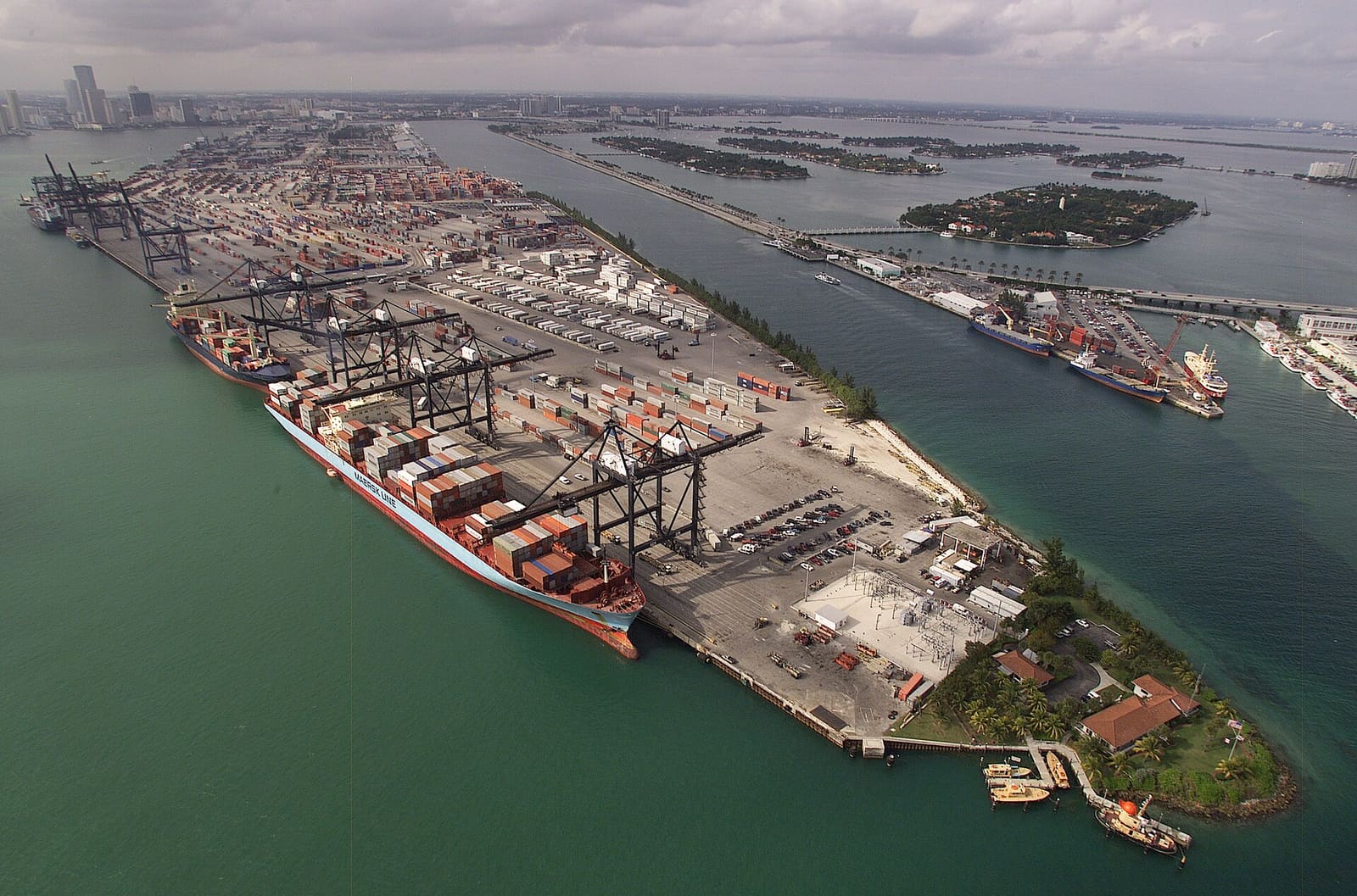
Lagos is Nigeria's commercial capital and, by a wide margin, its most important maritime gateway. With a population well above 200 million people and one of Africa's largest consumer economies, Nigeria is one of the most significant destination markets on the continent for cargo moving out of China. Two terminal complexes handle the bulk of container traffic into Lagos: Apapa Port, the older and more central of the two, and Tin Can Island Port, just across the channel. Together they process a substantial share of Nigeria's containerized imports, from consumer electronics and machinery to textiles, building materials, generators, and vehicle spare parts. For an importer sourcing from Chinese manufacturers, Lagos is very often the first port of call and the anchor of a much larger distribution network reaching across Nigeria and into neighboring West African markets.
China has grown into one of Nigeria's largest trading partners over the past decade, and that relationship shows clearly in the mix of cargo moving through Apapa and Tin Can Island. Household goods, generators and power equipment, motorcycles and motorcycle parts, construction materials, and general trade goods bound for Lagos's large wholesale markets all move in steady volume, year after year. As with several of the other African gateways covered in our broader look at shipping from China to global ports, a freight forwarder's value on this lane comes as much from managing destination complexity as from simply booking the ocean voyage itself.
Transit Times and Routing
Sea freight from South China to Lagos typically takes 25 to 35 days, a range shaped largely by whether a carrier's rotation calls Lagos directly or routes cargo through a transshipment hub — commonly a Mediterranean or North African port — before the final leg down the West African coast. Direct-call services tend to sit toward the shorter end of that range, while transshipment routings can push transit closer to the upper end, particularly during periods of vessel bunching or wider schedule disruption affecting West Africa-bound strings. Air freight into Murtala Muhammed International Airport is considerably faster, typically five to eight days, and is the usual choice for urgent spare parts, pharmaceuticals, and high-value electronics where a multi-week sea transit isn't practical — though it comes at a materially higher cost per kilogram than ocean freight and is generally reserved for cargo where speed outweighs cost.
FCL, LCL, and Choosing the Right Mode
Full-container-load shipments are the standard method for established importers moving generator sets, vehicle parts, construction materials, and other bulky or high-volume cargo, and FCL also simplifies customs handling since a single consignee's goods fill the box from origin to destination. Less-than-container-load consolidation is widely used by smaller Nigerian importers and traders who source a mix of goods from different Chinese suppliers but don't need a full container of any single product. Guangzhou's consolidation networks serving Lagos-bound cargo are well established, reflecting just how much Nigerian trading activity flows through southern China's wholesale markets. A logistics partner experienced on this specific lane can help a first-time importer judge whether a given order justifies a full container or is better served by consolidated LCL space.
PAAR: Nigeria's Pre-Arrival Assessment Requirement
The single most important compliance step for Nigeria-bound cargo is the Pre-Arrival Assessment Report, commonly known as PAAR, which the Nigeria Customs Service requires before a shipment can be processed for release. PAAR is generated electronically once an importer has filed a Form M and submitted the required shipping documents — commercial invoice, packing list, bill of lading, and certificate of origin — through Nigeria's electronic single-window trade platform. Cargo that arrives at Apapa or Tin Can Island without a valid PAAR already in place faces processing delays well beyond what the ocean transit itself would suggest, since the assessment is meant to happen ahead of arrival rather than after the vessel has already berthed. Importers who treat PAAR as a pre-shipment task, arranged while the cargo is still in China rather than after it lands in Lagos, consistently see faster port release than those who leave it until the last moment.
SONCAP and the Nigeria Customs Service
A second layer of compliance applies to a wide range of regulated products: the Standards Organisation of Nigeria Conformity Assessment Programme, or SONCAP, requires eligible goods — including electrical appliances, electronics, automotive parts, and certain building materials — to carry a SONCAP Certificate confirming they meet Nigerian product standards before they can clear customs. This certificate is obtained through a product registration and testing process that should begin well before a shipment leaves China, since it typically cannot be arranged retroactively once the cargo has already sailed. The Nigeria Customs Service manages duty assessment, oversees the PAAR system, and administers overall import clearance within the framework of the ECOWAS Common External Tariff that applies across much of West Africa. Depending on the product category, other agencies may also play a role — NAFDAC for food, drugs, and cosmetics, and the Standards Organisation of Nigeria more broadly for goods outside the SONCAP list.
| Factor | Typical Range |
|---|---|
| Sea freight transit (South China to Lagos) | 25–35 days |
| Air freight transit (to Lagos) | 5–8 days |
| Pre-shipment requirement | Form M & PAAR |
| Conformity requirement | SONCAP Certificate |
| Customs authority | Nigeria Customs Service |
Port Congestion and Alternative Gateways
Apapa's road access has historically been a source of congestion, with truck queues around the port at times adding days to the time it actually takes cargo to leave the terminal after customs release. This has pushed a growing share of new capacity toward alternatives: Lekki Deep Sea Port, which came online in recent years with deeper draft and more modern handling equipment, has taken on a rising share of container volume and offers a meaningfully different congestion profile than the older Apapa complex. Onne Port, further east near Port Harcourt, serves as another option for cargo destined for Nigeria's eastern states and the oil and gas sector. An experienced freight forwarder booking Nigeria-bound cargo will weigh a shipper's actual final destination within Nigeria against the current congestion picture at each terminal, rather than defaulting to Apapa purely out of habit.
Documentation Checklist for Nigeria-Bound Shipments
A complete import file for Lagos-bound cargo typically includes a commercial invoice, packing list, bill of lading, certificate of origin, correct HS classification, the Form M application, and the resulting PAAR, alongside a SONCAP Certificate for regulated products. Importers bringing in used vehicles, machinery, or generators should also confirm any age or condition restrictions that can apply to secondhand equipment, since these are handled differently from new goods under Nigerian import rules. Because PAAR and SONCAP both depend on documentation prepared correctly at origin, working with a freight forwarder who reviews this paperwork before the container is sealed — rather than after the vessel has sailed — remains the single most effective way to avoid a shipment sitting idle at the port waiting on paperwork that should have already been in place.
Common Cargo Categories on This Lane
Generators and power equipment move in significant volume given the ongoing gap between grid electricity supply and demand across much of Nigeria, alongside motorcycles and motorcycle parts, which remain a dominant form of local and commercial transport in many Nigerian cities. Building materials and construction equipment continue to grow alongside Nigeria's infrastructure and housing development, while general trade goods, household electronics, and textiles feed Lagos's large wholesale trading community, much of which sources directly from Chinese manufacturers and consolidators. Vehicle spare parts round out the mix, supporting a vehicle fleet that skews older and depends on a steady supply of replacement components.
Practical Tips for Shippers
- Start the Form M and PAAR process before the container is loaded. This single step does more to determine how quickly cargo clears Lagos than almost any other factor, and it is entirely avoidable when planned ahead of shipment.
- Confirm SONCAP eligibility and begin product registration early. For electronics, electrical goods, and automotive parts, leaving conformity certification until the cargo has already sailed is one of the most common causes of unplanned delay on this lane.
A Trusted Partner on the West Africa Corridor
RR Brothers and Logistics has extensive experience moving both FCL and consolidated cargo from China into Lagos, including managing Form M and PAAR documentation, SONCAP certification, and onward distribution once cargo clears the port. As one of several African gateways in our wider China to global ports network, Nigeria is a market where getting pre-shipment compliance right in China translates directly into a faster, less costly clearance process at Apapa or Tin Can Island. Our team can help structure both the ocean booking and the destination compliance plan for your next Nigeria-bound shipment.
Frequently Asked Questions
The Pre-Arrival Assessment Report is an electronic customs assessment the Nigeria Customs Service requires before a shipment can be released, generated after an importer files a Form M and submits the required shipping documents — cargo without a valid PAAR already in place faces delays well beyond the ocean transit itself.
No — SONCAP applies to specific regulated categories such as electrical appliances, electronics, automotive parts and certain building materials, and for those categories the certificate must come from a pre-shipment registration and testing process that can't be arranged retroactively once cargo has sailed.
It depends on final destination and current congestion — Apapa's road access has historically caused truck queues that add days after customs release, while Lekki offers deeper draft and more modern handling equipment.
Around 25 to 35 days, depending mainly on whether the carrier's rotation calls Lagos directly or routes through a transshipment hub first; air freight into Murtala Muhammed International Airport runs 5 to 8 days for urgent cargo.