Mombasa's Role as East Africa's Gateway
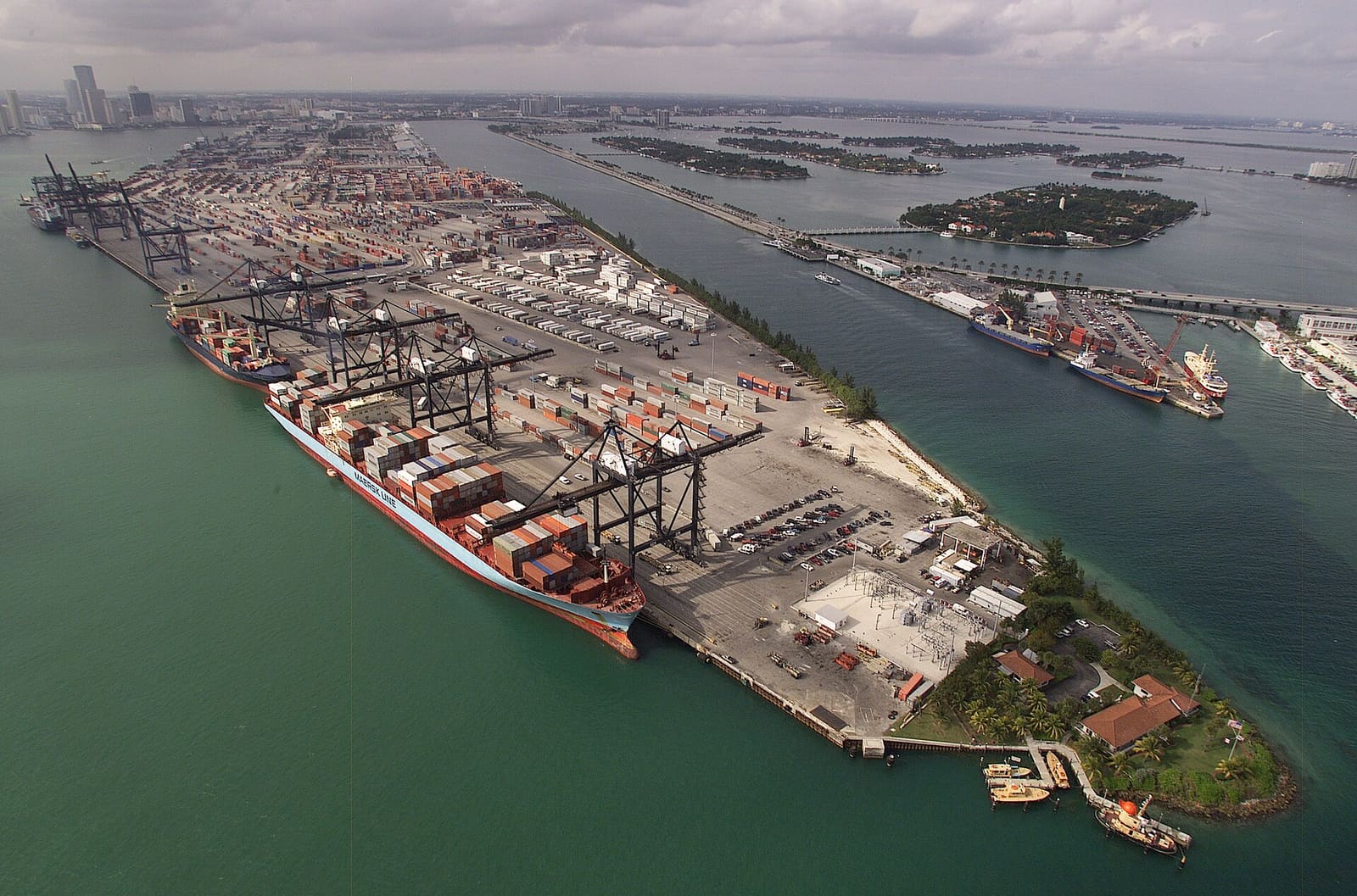
The Port of Mombasa is the largest and busiest port in East Africa, and its importance extends well beyond Kenya's own borders. As the primary maritime gateway for the Northern Corridor, Mombasa handles cargo bound not only for Nairobi and the Kenyan coast but for landlocked neighbors including Uganda, Rwanda, Burundi, South Sudan, and eastern parts of the Democratic Republic of Congo. For a China-origin shipment, this means Mombasa is frequently the first of several legs — an ocean voyage followed by a substantial inland journey — rather than a single port-to-destination move, and planning needs to account for both parts of that journey from the outset.
China has become one of Kenya's most significant trading partners, and the relationship shows up clearly in the composition of Mombasa's container traffic: electronics, machinery, construction materials, textiles, motor vehicle parts, and general consumer goods make up a large and steadily growing share of import volume. Nairobi's retail and wholesale trading community, including markets that source heavily from Chinese manufacturers, depends on a predictable flow of both FCL and consolidated shipments arriving through Mombasa.
Transit Times and Routing
Sea freight from South China ports to Mombasa typically takes 25 to 35 days, with the range depending heavily on carrier routing — some services call Mombasa more or less directly via the Indian Ocean, while others transship through a Middle Eastern or South Asian hub, adding time. Vessel rotations and port call frequency can shift this range further during periods of regional congestion or schedule disruption. Air freight into Nairobi's Jomo Kenyatta International Airport typically takes four to seven days and is commonly used for urgent spare parts, pharmaceuticals, and higher-value goods where the multi-week sea transit isn't practical, though air freight costs considerably more per kilogram than ocean freight on this lane.
FCL, LCL, and the Role of Consolidation
Full-container-load shipments are standard for larger, established importers, and increasingly common for machinery, construction materials, and vehicle parts moving in regular volume. Less-than-container-load consolidation, however, plays an outsized role on the China-Kenya lane compared to many other markets in this guide — a large share of Nairobi's wholesale trading community, sourcing everything from clothing to household goods, relies on regular consolidated shipments rather than committing to full containers. This has made China-Mombasa one of the more mature LCL corridors serving Africa, with established consolidation networks in Guangzhou and Yiwu specifically built around Kenyan and broader East African demand.
Pre-Export Verification of Conformity (PVoC)
The most distinctive compliance requirement for Kenya-bound cargo is the Pre-Export Verification of Conformity program, which applies to a wide range of regulated products including electronics, motor vehicle parts, textiles, and certain machinery. Under PVoC, an approved inspection body verifies that goods meet applicable Kenyan or East African standards before the shipment departs China, and issues a Certificate of Conformity (CoC) that must accompany the cargo. Goods arriving in Mombasa without a valid CoC where one is required face delays, additional inspection, or in some cases destination inspection fees significantly higher than the cost of arranging PVoC before departure — making this one of the clearest examples in this guide of a compliance step that is far cheaper to handle proactively than reactively.
Kenya Revenue Authority, KPA, and the Standard Gauge Railway
Customs clearance in Kenya is administered by the Kenya Revenue Authority (KRA), which manages duty assessment, VAT, and import declarations through its integrated customs management system, while the Kenya Ports Authority (KPA) operates the port itself. Kenya applies the East African Community (EAC) Common External Tariff to most imports, alongside VAT and other applicable levies. One of the more significant infrastructure developments affecting this lane is the Standard Gauge Railway (SGR), which moves containers between Mombasa and an inland container depot in Nairobi considerably faster and more reliably than the road corridor it was built to relieve — a meaningful advantage for importers whose final destination is Nairobi or further inland, since it reduces the congestion risk that once made the Mombasa-Nairobi road leg one of the least predictable parts of the journey.
| Factor | Typical Range |
|---|---|
| Sea freight transit (South China to Mombasa) | 25–35 days |
| Air freight transit (to Nairobi) | 4–7 days |
| Conformity requirement | PVoC Certificate of Conformity |
| Customs authority | Kenya Revenue Authority |
| Mombasa-Nairobi inland option | Standard Gauge Railway (SGR) |
Documentation Checklist for Kenya-Bound Shipments
A complete import file for Mombasa-bound cargo typically includes a commercial invoice, packing list, bill of lading, certificate of origin, and correct HS classification, alongside the PVoC Certificate of Conformity for regulated goods. KRA processes import declarations through its electronic customs system, and pre-arrival lodgement of documentation — rather than waiting until the vessel has already berthed — is one of the more reliable ways to shorten the time cargo actually sits at the port before release. Importers bringing in used machinery, vehicles, or equipment should also confirm any age restrictions or additional inspection requirements that can apply to secondhand goods, since these are treated differently from new equipment under Kenyan import rules.
Common Cargo Categories on This Lane
Motor vehicle parts, construction and building materials, electronics, textiles, agricultural equipment, and general consumer goods make up the bulk of China-to-Kenya container volume. Building materials and construction equipment have grown steadily alongside Kenya's ongoing infrastructure and housing development, while textiles and general trade goods continue to feed Nairobi's large wholesale markets. Motor vehicle parts are a particularly active category given the large population of used and aging vehicles on Kenyan roads, and this category typically requires close attention to PVoC and standards compliance given its regulated status. Importers moving into any of these categories for the first time benefit from confirming the specific conformity and labeling requirements that apply to their exact product before committing to a full container.
Serving Landlocked Neighbors Through Mombasa
For importers whose final customer sits in Uganda, Rwanda, or another landlocked country along the Northern Corridor, Mombasa is a transit port rather than a final destination, and the paperwork reflects that: transit bonds, transit declarations, and coordination with destination-country customs authorities become part of the shipment plan in addition to standard Kenyan import documentation. Cargo moving in transit typically travels onward by road once it clears the port, and choosing a freight forwarder with established relationships along this corridor — not just at Mombasa itself — can materially affect how smoothly a transit shipment reaches its ultimate destination.
Practical Tips for Shippers
- Arrange PVoC and the Certificate of Conformity before the container is loaded. This single step is the most common reason China-to-Kenya shipments face unexpected delays at Mombasa, and it is straightforward to resolve when planned in advance.
- Use SGR routing for Nairobi-bound cargo where available. The rail option is generally faster and more predictable than road transport out of Mombasa, and can meaningfully shorten total door-to-door time for inland deliveries.
- Lodge customs documentation before the vessel arrives. Pre-arrival submission through KRA's electronic system, rather than waiting until the ship has berthed, is one of the simplest ways to reduce dwell time at the port.
A Trusted Partner on the East Africa Corridor
RR Brothers and Logistics has deep experience moving both FCL and consolidated cargo from China into Mombasa, including coordinating PVoC certification, KRA documentation, and onward inland transport to Nairobi and beyond. As one of several African gateways in our China to global ports network, Kenya represents a market where getting the pre-shipment compliance right in China pays off directly in a faster, more predictable clearance at the other end. Our team can help structure both the ocean booking and the destination compliance plan for your next Kenya-bound shipment.
Frequently Asked Questions
PVoC (Pre-Export Verification of Conformity) requires an approved inspection body to verify that regulated goods — including electronics, motor vehicle parts and textiles — meet applicable standards before the shipment departs China, issuing a Certificate of Conformity that must accompany the cargo.
Typically 25–35 days, depending on whether the service calls Mombasa directly or transships through a Middle Eastern or South Asian hub.
Yes. Mombasa is the primary gateway for the Northern Corridor, and cargo continuing to landlocked neighbors requires transit bonds and transit declarations in addition to standard Kenyan import documentation.
The Standard Gauge Railway (SGR) moves containers between Mombasa and an inland container depot in Nairobi considerably faster and more reliably than the road corridor it was built to relieve.