Busan's Role as Northeast Asia's Transshipment Hub
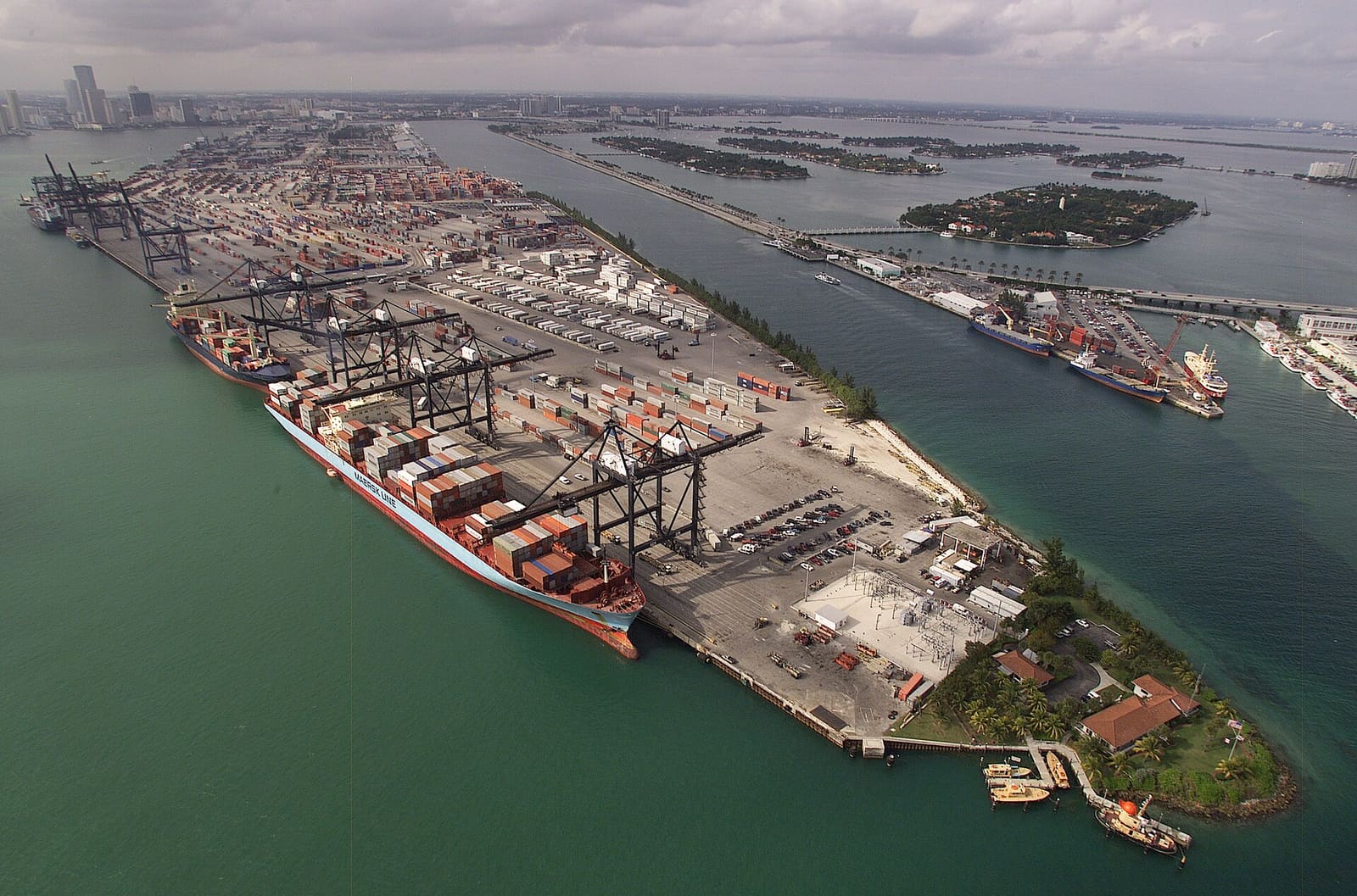
South Korea sits directly across the Yellow Sea from China, and Busan Port — the country's largest and busiest container port — is one of the most important transshipment hubs in all of Northeast Asia. Busan New Port, the deep-water terminal complex that has taken on the majority of new container capacity in recent years, is engineered around fast vessel turnaround and efficient onward connections, both for cargo destined within South Korea and for containers transshipping onward to Japan, Russia's Far East, and beyond. For an importer sourcing from China, this means Busan is both a major final destination and one of the more reliable links in a longer regional supply chain, a combination that has made it a benchmark port for schedule reliability across the wider region.
China is South Korea's largest single trading partner, and the volume moving through Busan reflects both countries' deeply integrated manufacturing supply chains — raw materials, intermediate components, machinery, and consumer goods move steadily in both directions, often as part of production processes that span both countries rather than as simple one-way import shipments. As one of the fastest and most efficient lanes in our broader coverage of shipping from China to global ports, the China-Korea corridor rewards shippers who understand both the port's efficiency and the specific product-certification requirements that apply to many categories of Korea-bound cargo.
Transit Times and Vessel Frequency
Sea freight from South China to Busan typically takes 12 to 16 days, among the shorter ranges anywhere in this guide, while cargo moving from ports closer to the Yellow Sea, such as Qingdao or Shanghai, can sometimes clear even faster given the shorter sailing distance. Vessel frequency on this lane is high, reflecting both the volume of direct China-Korea trade and Busan's role as a transshipment point for wider regional cargo flows, which in practice gives shippers more schedule flexibility than many other destinations in this series. Air freight into Incheon International Airport, one of the world's major air cargo hubs, typically takes three to six days and is commonly used for semiconductors, electronics components, and other high-value, time-sensitive cargo that is core to Korea's technology manufacturing sector.
FCL, LCL, and Air Freight for Technology Supply Chains
Full-container-load shipments are the standard method for machinery, industrial equipment, and bulk raw materials feeding Korean manufacturing, and FCL bookings on this lane benefit from the high vessel frequency and short transit time, which reduces the working-capital cost of holding inventory in transit. Less-than-container-load consolidation is used by smaller importers and by companies bringing in a mix of components or finished goods that don't justify a full container. Air freight plays an outsized role on this specific lane compared to some others in this guide, because Korea's electronics, semiconductor, and technology manufacturing sectors frequently need components moved on tight production schedules where even a few days of delay can affect a factory's output — a dynamic that makes a forwarder's ability to blend sea and air freight within a single supply chain particularly valuable for Korea-bound shippers.
Korea Customs Service and KC Certification
Import clearance in South Korea is administered by the Korea Customs Service (KCS), which processes declarations through its UNI-PASS electronic customs system — one of the more advanced national single-window platforms in global trade, and one that has itself been studied and partially adapted by other customs administrations. Standard documentation — commercial invoice, packing list, bill of lading, and correct HS classification — applies to the large majority of shipments, with duty rates varying by HS code and by whether goods qualify for preferential treatment under the China-Korea Free Trade Agreement.
A distinctive compliance requirement for many Korea-bound products is KC certification (Korea Certification), a mandatory safety and conformity mark required for a wide range of electronics, electrical appliances, children's products, and other regulated goods before they can be sold in the Korean market. KC certification is broadly comparable in purpose to the CE mark used in the European Union, and — like similar schemes elsewhere in this guide — it needs to be arranged well before a shipment leaves China, since testing and certification cannot be completed retroactively once cargo has already arrived at Busan. Importers bringing in electronics or electrical goods for the first time should confirm KC eligibility and lead time with their supplier and freight forwarder early in the order process, not after the goods are packed and ready to ship.
| Factor | Typical Range |
|---|---|
| Sea freight transit (South China to Busan) | 12–16 days |
| Air freight transit (to Incheon) | 3–6 days |
| Electronic customs platform | UNI-PASS |
| Conformity requirement | KC Certification (regulated goods) |
| Customs authority | Korea Customs Service |
Busan New Port and the Transshipment Advantage
Busan New Port's continued expansion has been a deliberate strategy to secure Korea's position as Northeast Asia's leading transshipment hub, competing directly with major Chinese and Japanese ports for cargo that needs to connect between the region's largest economies and the rest of the world. For shippers, the practical upshot is a port with consistently high vessel frequency, strong intermodal rail and trucking connections into the rest of South Korea, and an established track record of handling large transshipment volumes without the kind of congestion spikes that have periodically affected other major Asian gateways. A freight forwarder booking China-Korea cargo can generally count on Busan's infrastructure to hold up its end of the schedule, which shifts most of the practical risk on this lane toward getting the compliance and certification side right rather than worrying about port-side delay.
Documentation Checklist for Korea-Bound Shipments
A complete import file for Busan-bound cargo typically includes a commercial invoice, packing list, bill of lading, certificate of origin where preferential tariff treatment is being claimed, and correct HS classification, alongside a KC Certificate for regulated electronics and electrical products. Importers should also confirm whether a given product category requires an import declaration through a specific ministry beyond standard customs — food, cosmetics, and certain medical devices, for example, involve additional agency review in Korea on top of KCS processing. Filing documentation electronically through UNI-PASS ahead of vessel arrival, rather than waiting until the ship has berthed, remains one of the more reliable ways to keep total port-to-delivery time close to the shorter end of what Busan's efficient operations otherwise make possible.
Common Cargo Categories on This Lane
Electronic components, machinery, and industrial equipment make up a large share of China-Korea container volume, reflecting the close integration between Chinese manufacturing capacity and Korean technology and automotive production. Raw materials and intermediate goods used in further manufacturing move heavily in both directions between the two countries, alongside consumer electronics, household goods, and general trade cargo supporting Korea's domestic retail market. Businesses supplying Korean electronics or automotive manufacturers should pay particular attention to KC certification timelines and to whether their specific product falls under a regulated category, since this single step has the greatest potential to delay an otherwise fast-clearing shipment on this lane.
Textiles, plastics, chemicals used in manufacturing processes, and general consumer goods also move steadily on this corridor, reflecting Korea's broad industrial base beyond electronics and automotive alone. Given how tightly integrated many Korean factories are with Chinese suppliers, importers on this lane sometimes benefit from warehousing or light value-added services near Busan — repackaging, labeling, or quality inspection — before goods move onward to a manufacturing customer, particularly where a single inbound shipment serves multiple downstream buyers with slightly different requirements.
Practical Tips for Shippers
- Arrange KC certification well before shipment. For electronics, electrical appliances, and children's products, this is the step most likely to delay an otherwise quick-clearing Korea-bound shipment if left until the cargo has already arrived.
- Use the lane's speed and reliability to your advantage. With transit times among the shortest in this guide and high vessel frequency through Busan, this is a strong candidate for tightly scheduled, just-in-time inventory strategies when documentation is handled properly in advance.
- Confirm whether preferential tariff treatment applies. Goods that qualify under the China-Korea Free Trade Agreement can see meaningfully lower duty than standard MFN rates, but claiming it correctly requires accurate origin documentation filed alongside the customs declaration.
A Fast, Reliable Corridor in Our Global Network
RR Brothers and Logistics moves both FCL and LCL cargo from China into Busan, and supports clients who need to blend sea and air freight to meet the tight production schedules common in Korea's electronics and automotive manufacturing sectors. As one of the fastest and most dependable lanes in our China to global ports network, South Korea rewards careful upfront planning around KC certification and HS classification more than it punishes shippers with unpredictable transit times. As an experienced freight forwarder and NVOCC on this corridor, our team can help you structure a booking and compliance plan suited to the pace your Korean supply chain actually needs.
Frequently Asked Questions
KC Certification is a mandatory safety and conformity mark, broadly comparable to the EU's CE mark, required for a wide range of electronics, electrical appliances and children's products before they can be sold in Korea — testing needs to be arranged before the goods leave China.
Typically 12 to 16 days, among the shortest ranges in this guide, with cargo from ports closer to the Yellow Sea such as Qingdao or Shanghai sometimes clearing even faster given the shorter sailing distance.
Yes, goods that qualify under the China-Korea Free Trade Agreement can see meaningfully lower duty than standard rates, but claiming it correctly requires accurate origin documentation filed alongside the customs declaration.
Korea's electronics and semiconductor manufacturing sectors often run on tight production schedules where even a few days of delay affects factory output, so components frequently move by air into Incheon even when sea freight would otherwise be the default.