Vietnam's Rise as a China-Adjacent Manufacturing Hub
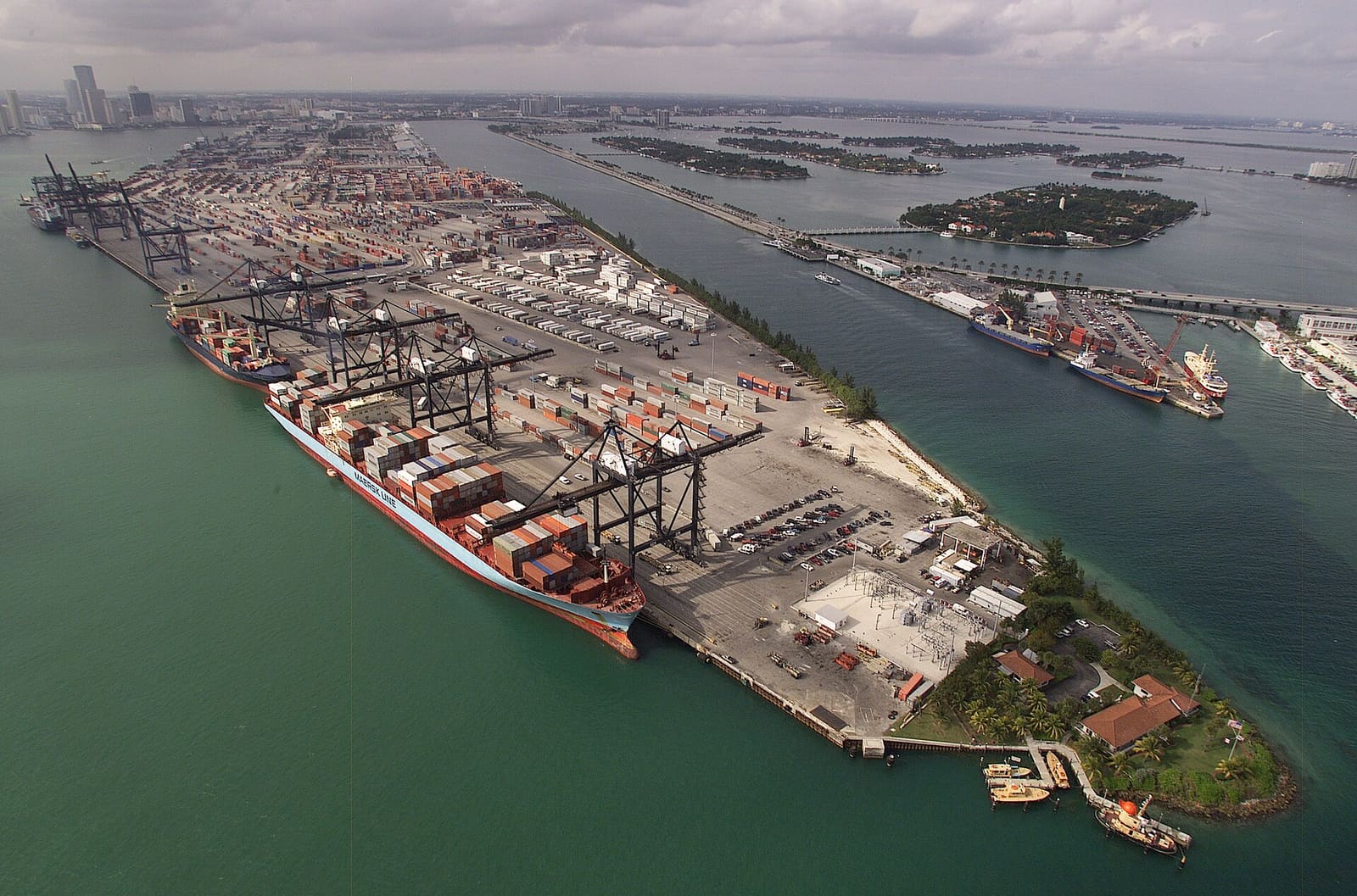
Vietnam shares a land border with China and has become one of the most important destination and transshipment markets in Southeast Asia for China-origin cargo. Ho Chi Minh City, in the country's south, is the commercial center of this trade, and Cat Lai Port — operated by Saigon Newport Corporation on the Saigon River — is Vietnam's busiest container terminal, handling a large share of the country's containerized import and export volume. A significant portion of what moves through Cat Lai either supplies Vietnam's own fast-growing domestic consumer and industrial base or supports its role as a manufacturing hub in its own right, where raw materials, components, and machinery from China feed factories that then export finished goods onward, often to the United States and Europe.
This dual role — Vietnam as both a destination market and a manufacturing link in a longer supply chain — has only grown more important as global manufacturers diversify production beyond China alone, a trend sometimes described as a "China plus one" strategy. For a freight forwarder, this means China-Vietnam cargo increasingly includes not just finished consumer goods but components, textiles, electronics parts, and machinery destined for Vietnamese factories. As one of the fastest-growing markets in our broader China to global ports coverage, Vietnam rewards shippers who understand both the port logistics and the customs nuances that come with its expanding manufacturing base.
Transit Times and Port Options
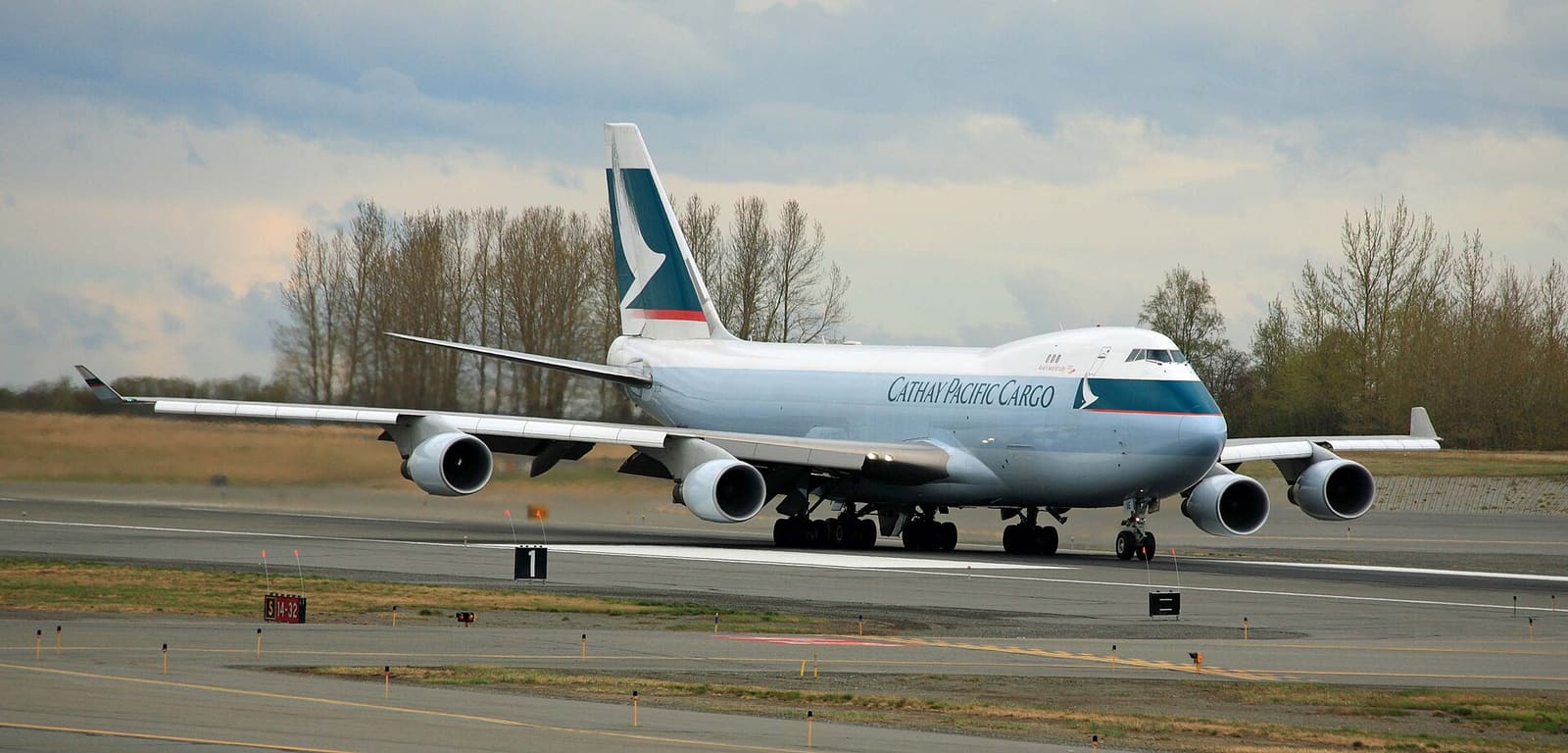
Sea freight from South China to Ho Chi Minh City typically takes 12 to 16 days, reflecting the relatively short geographic distance and strong vessel frequency on this well-served intra-Asia lane. Larger vessels increasingly call at the deep-water Cai Mep-Thi Vai port cluster near Vung Tau, southeast of Ho Chi Minh City, which can handle bigger ships than the Saigon River allows and has taken on a growing share of long-haul container traffic, with cargo then moved to Cat Lai or directly to inland destinations by barge or truck. Air freight into Tan Son Nhat International Airport typically takes three to six days and is used for urgent components, electronics, and time-sensitive garment industry shipments feeding Vietnam's export manufacturing sector.
FCL, LCL, and Cargo Types
Full-container-load shipments are standard for machinery, raw materials, and bulk components feeding Vietnamese factories, where volume and cost efficiency matter more than the flexibility of smaller shipments. Less-than-container-load consolidation is common among smaller traders and retailers importing a mix of consumer goods, and Guangzhou and Shenzhen-based consolidators have built strong networks serving Ho Chi Minh City given the volume of trade on this corridor. Businesses supplying Vietnam's manufacturing sector should also consider that many inputs — fabric, electronic components, packaging materials — move as recurring, scheduled FCL shipments tied to a factory's production cycle rather than as one-off orders, which changes how a forwarder structures the booking and documentation process compared to a typical retail import.
Vietnam Customs and Documentation
Vietnam Customs, working under the Ministry of Finance and its General Department of Customs, is the authority responsible for both duty assessment and enforcement of import and export regulations at Cat Lai and every other Vietnamese port of entry. Duty rates and value-added tax vary by HS code and by whether the goods qualify for preferential treatment under one of Vietnam's free trade agreements, including its arrangements within ASEAN and its broader network of regional trade pacts — a factor that makes accurate HS classification more consequential here than in some simpler tariff regimes.
Declarations themselves are processed through the VNACCS/VCIS electronic customs system, and the standard documentation set — commercial invoice, packing list, bill of lading, and correct HS classification — applies to the large majority of shipments. A certificate of origin takes on particular importance on this lane: because Vietnam has become a common destination for both genuine manufacturing investment and, in some cases, goods simply relabeled or minimally processed before re-export, Vietnamese and destination-country customs authorities have increased scrutiny of origin claims on goods that pass through Vietnam before continuing to third markets. Importers and manufacturers alike benefit from keeping origin documentation accurate and defensible, since a shipment flagged for an origin review can face significant delay well beyond the standard clearance timeline.
Certain product categories — including used machinery, some electronics, and specific consumer goods — require an import permit or are subject to additional inspection under Vietnamese regulations, so confirming a product's classification and any licensing requirement before shipment remains good practice, particularly for first-time importers unfamiliar with Vietnam's evolving regulatory environment.
| Factor | Typical Range |
|---|---|
| Sea freight transit (South China to Ho Chi Minh City) | 12–16 days |
| Air freight transit (to Tan Son Nhat) | 3–6 days |
| Main container terminal | Cat Lai Port (Saigon Newport Corporation) |
| Deep-water alternative | Cai Mep-Thi Vai |
| Customs authority | Vietnam Customs |
Documentation Checklist for Vietnam-Bound Shipments
A complete import file typically includes a commercial invoice, packing list, bill of lading, certificate of origin, and correct HS classification, filed electronically through VNACCS/VCIS ahead of vessel arrival where possible. Importers moving machinery, especially used or reconditioned equipment, should confirm age restrictions and any required import permit before shipment, since Vietnam applies specific rules to secondhand equipment that differ from those for new machinery. Manufacturers importing raw materials or components for onward processing and export should also confirm the correct customs regime — whether standard import, bonded warehouse, or an export-processing arrangement — since the applicable regime affects both duty treatment and the documentation trail required to later prove the origin of the finished export.
Common Cargo Categories on This Lane
Textile and garment industry inputs — fabric, trims, sewing machinery — make up a significant share of China-Vietnam volume given Vietnam's position as one of the world's largest garment exporters. Electronics components and consumer electronics also move heavily, reflecting both Vietnam's own growing electronics assembly sector and strong domestic consumer demand. Construction materials, machinery, and general consumer goods round out the mix, supporting a fast-growing domestic economy alongside the export-oriented manufacturing base. Businesses supplying Vietnamese factories often find that a freight forwarder experienced with both the logistics and the customs-regime nuances of manufacturing-input cargo delivers meaningfully smoother clearance than one focused solely on standard retail imports.
Footwear components, furniture and wood products, and plastics and packaging materials are also steady categories on this corridor, reflecting the breadth of Vietnam's export manufacturing base beyond garments and electronics alone. Many of these categories move on tight production schedules tied to a buyer's delivery window in the United States or Europe, which means a delay at the China-Vietnam leg can cascade into a missed export deadline further down the chain — one reason manufacturers on this lane often value schedule reliability as highly as freight cost when choosing a logistics partner.
Warehousing and Inland Distribution Around Ho Chi Minh City
Beyond the port itself, Ho Chi Minh City and its surrounding industrial zones — including major clusters in Binh Duong, Dong Nai, and Long An provinces — host a large share of the factories that actually consume China-origin raw materials and components. Cargo clearing Cat Lai or Cai Mep-Thi Vai is frequently trucked directly to one of these industrial zones rather than staying within the city itself, and a forwarder's warehousing and inland trucking network matters as much as the ocean booking for manufacturers who need materials delivered on a tight production schedule. Some importers also use bonded warehousing near Ho Chi Minh City to hold buffer stock of key components, reducing exposure to any single shipment's transit variability.
Practical Tips for Shippers
- Keep certificate-of-origin documentation accurate and complete. Given increased scrutiny of goods transiting or lightly processed in Vietnam before re-export, defensible origin paperwork is one of the most important things a shipper on this lane can get right.
- Confirm the correct customs regime for manufacturing inputs. Standard import, bonded warehousing, and export-processing arrangements are treated differently — choosing the right one from the outset avoids costly reclassification later.
- Plan inland delivery alongside the ocean booking. If your cargo is destined for a factory outside Ho Chi Minh City proper, confirm trucking arrangements and lead time from the port to the industrial zone as part of your overall schedule, not as an afterthought once the container has already landed.
A Growing Corridor in Our Global Network
RR Brothers and Logistics moves both FCL and LCL cargo from China into Ho Chi Minh City, and increasingly supports manufacturers who source components and materials from China for onward processing within Vietnam. As one of the fastest and most dynamic markets in our China to global ports network, Vietnam continues to grow in importance as global sourcing diversifies, and our team can help you plan a routing, documentation, and customs-regime strategy suited to whether you're importing finished goods or manufacturing inputs. As an experienced NVOCC and freight forwarder on this lane, we can also support onward logistics as production capacity in Vietnam continues to expand.
Frequently Asked Questions
Typically 12 to 16 days from South China, reflecting the short geographic distance and strong vessel frequency on this well-served intra-Asia lane. Air freight into Tan Son Nhat International Airport takes roughly three to six days for urgent components or garment-industry shipments.
Cat Lai, on the Saigon River, is Vietnam's busiest container terminal and the default for most cargo, but larger vessels increasingly call at the deep-water Cai Mep-Thi Vai cluster near Vung Tau, with cargo then moved on to Cat Lai or inland by barge or truck. The right choice usually depends on vessel size and current schedules rather than a fixed rule.
Vietnam has become a common destination for both genuine manufacturing investment and, in some cases, goods simply relabeled before re-export, so Vietnamese and destination-country customs authorities have increased scrutiny of origin claims. Keeping origin documentation accurate and defensible avoids a shipment being flagged for a time-consuming review.
FCL is standard for machinery, raw materials, and bulk components tied to a factory's production cycle, where volume and cost efficiency outweigh the flexibility of smaller shipments. LCL consolidation is more common among smaller traders importing a mix of consumer goods for the domestic market.