Why We're Revisiting This Lane
We published our original guide to Vancouver as Canada's Pacific Gateway for China trade some time ago, and it remains a solid reference for the port's fundamentals — terminal layout, rail connections, and why Vancouver rather than Prince Rupert or a US West Coast port is usually the right call for China Canada shipping. This post is a deliberate update rather than a rewrite: it's here to flag what has actually shifted on the ground in 2026 — capacity conditions, rail dwell, and a few compliance points that matter more now than they did when we first wrote about this route — and to point readers back to the original for the parts that haven't changed.
Vancouver's Position Hasn't Changed — The Conditions Around It Have
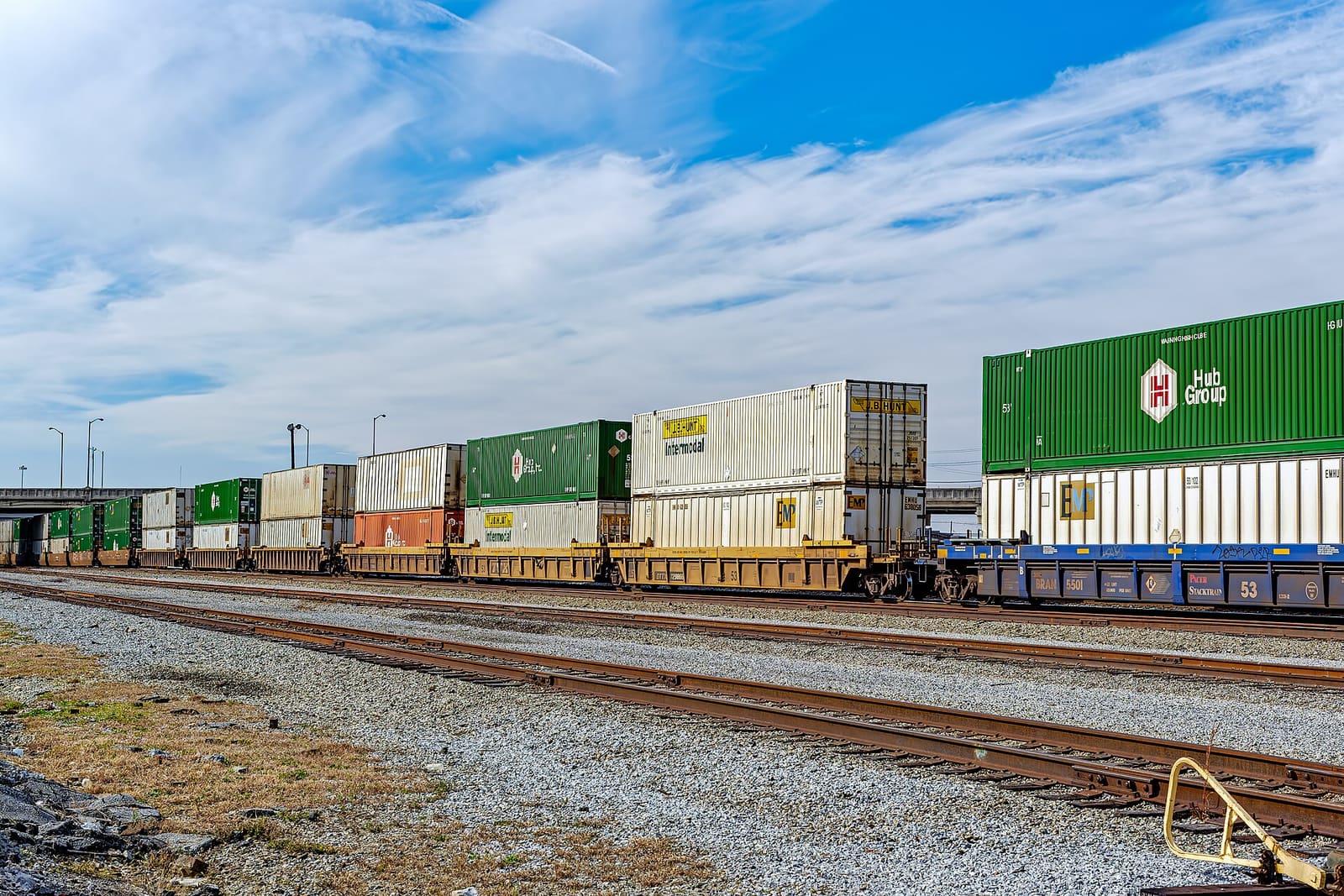
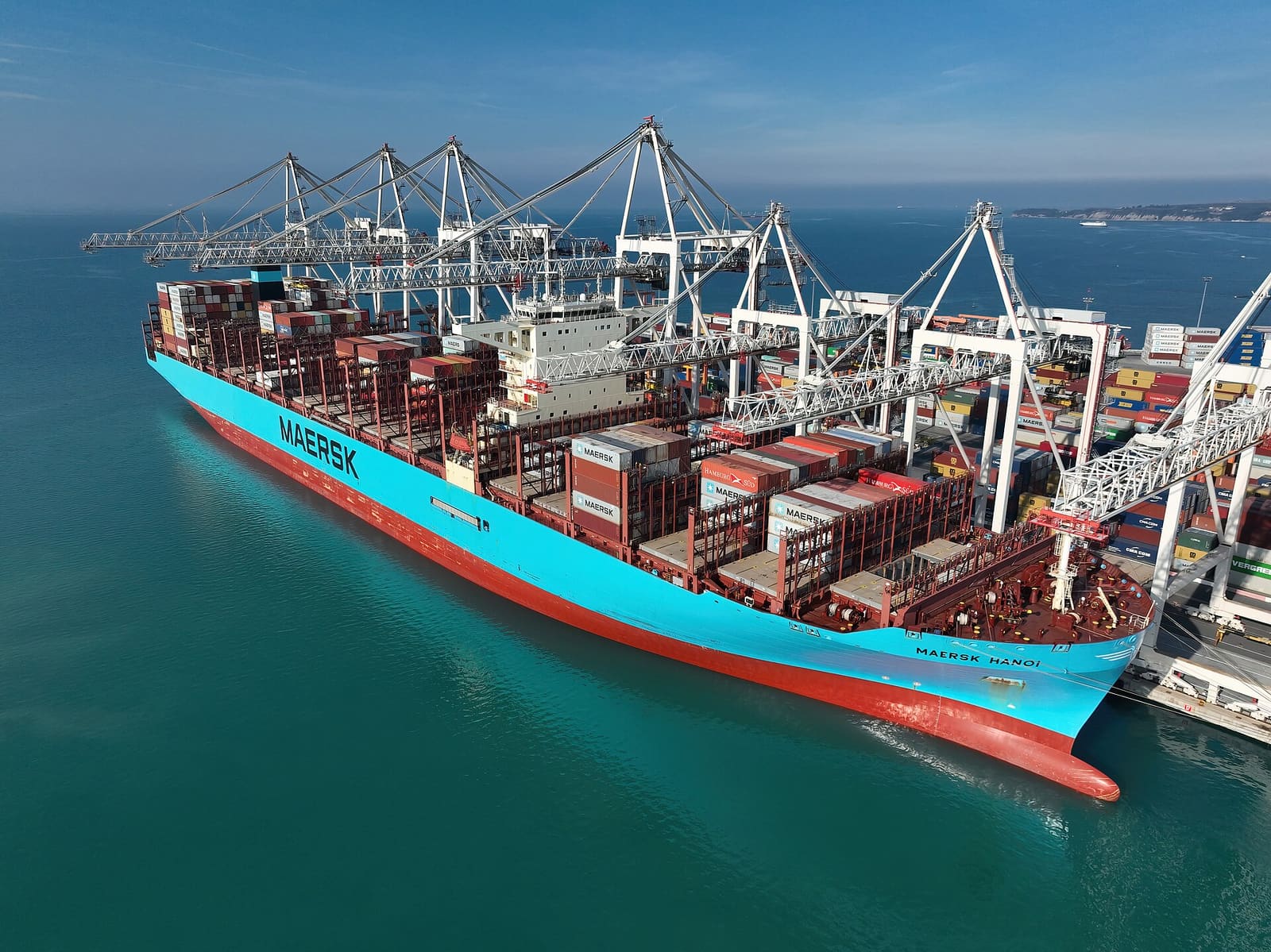
Vancouver remains the preferred gateway for China-Canada trade for the same structural reasons as before: it's the largest port in Canada, it sits closest to Asia among major North American west coast ports, and it connects directly into Canadian National and Canadian Pacific Kansas City rail networks reaching Toronto, Montreal and the US Midwest. What has changed is less about the port's role and more about the operating environment around it — labour negotiations, rail capacity allocation between container, grain and bulk commodities, and periodic congestion at inland rail ramps have all, at different points, affected how predictable a Vancouver routing feels compared to a straight sea-to-truck delivery further south. Shippers booking Vancouver port China trade volume in 2026 should treat these as live variables to check with their forwarder at time of booking rather than settled facts from a prior year.
Current Transit Time Expectations
| Routing | Mode | Approx. Time |
|---|---|---|
| China (major port) to Vancouver | Sea (FCL/LCL) | 12–17 days |
| Vancouver onward to Toronto | Intermodal rail | 6–9 days |
| China to Vancouver | Air freight | 2–4 days |
These ranges are consistent with what we quoted in the original Vancouver guide, but the reliability around them — how often a sailing or rail leg actually lands inside that window — has been the more variable factor through 2025 into 2026, which is really the point of this update.
What's Different About Canadian Customs vs US Requirements
Shippers who are used to US import documentation sometimes assume Canadian requirements are functionally identical; they're closely aligned but not the same. The Canada Border Services Agency (CBSA) requires its own advance electronic cargo data ahead of arrival, uses its own tariff classification and valuation processes distinct from US Customs and Border Protection, and has its own rules around bonded movement of cargo destined for further points in Canada. A container arriving at Vancouver but destined for a US Midwest distribution centre via rail also needs to satisfy US in-transit and eventual import requirements, which means the documentation package for that kind of routing genuinely spans two customs regimes rather than one. Shippers should confirm current requirements directly with the Canada Border Services Agency or through their forwarder rather than assuming a US-style filing will suffice.
FCL, LCL and Vancouver's Free Trade Zone Options
FCL remains the standard for larger Canadian importers, while LCL consolidation into Vancouver continues to be well supported given the volume of Asia-origin cargo moving through the port for both Canadian consumption and onward US distribution. Vancouver also offers duty-deferral and bonded warehousing options worth exploring for importers who plan to re-export a portion of their cargo rather than clear everything for immediate Canadian consumption — a detail that's easy to overlook when a shipper is focused purely on getting the container off the vessel.
Two Things Worth Checking Before You Book
- Ask your forwarder about current rail dwell times at Vancouver, not historical averages. Inland rail capacity allocation shifts through the year, and a number from twelve months ago may no longer reflect what's actually happening at the ramp.
- Confirm whether your cargo needs a distinct Canadian customs filing or a genuine in-transit movement into the US. These are not interchangeable, and getting it wrong can hold a container at the border longer than either sea or rail transit combined.
RR Brothers and Logistics books China-Canada freight through Vancouver as a regular part of our Pacific network, alongside comparable lanes into New Zealand and our broader coverage of Asia-Latin America shipping. For the full port and rail fundamentals, our original Vancouver Pacific Gateway guide is still the right starting point — this update is meant to sit alongside it, not replace it. The Vancouver Fraser Port Authority also publishes current terminal and operational updates worth checking before you finalise a routing decision.
Frequently Asked Questions
Vancouver is Canada's largest port, sits closest to Asia among major North American west coast ports, and connects directly into national rail networks reaching Toronto, Montreal and the US Midwest — a combination no other Canadian port currently matches at scale.
Sea freight typically takes 12–17 days depending on the origin port and carrier rotation, with onward intermodal rail to Toronto adding another 6–9 days. Air freight moves in 2–4 days for urgent cargo.
The CBSA requires its own advance cargo data, tariff classification and valuation processes distinct from US Customs and Border Protection. Cargo moving onward by rail into the US via Vancouver needs documentation covering both regimes, not just one.
The port's fundamental role hasn't changed, but rail dwell times, labour conditions and inland capacity allocation have all shifted at different points, making it worth confirming current conditions with your forwarder rather than relying on figures from a prior year.