A Small Market With Outsized Import Dependence
New Zealand's domestic manufacturing base is small relative to its population's consumption, which means the country imports a disproportionate share of its manufactured goods, machinery, electronics, apparel and building materials — a large portion of it from China. China New Zealand shipping is a comparatively compact lane by container volume next to giants like the US or Australia, but it's a steady and well-established one, and New Zealand's geographic isolation makes reliable transit planning more important here than on many other routes, since there's rarely a convenient alternative port to divert to if something goes wrong.
Auckland and Tauranga: New Zealand's Two Key Gateways
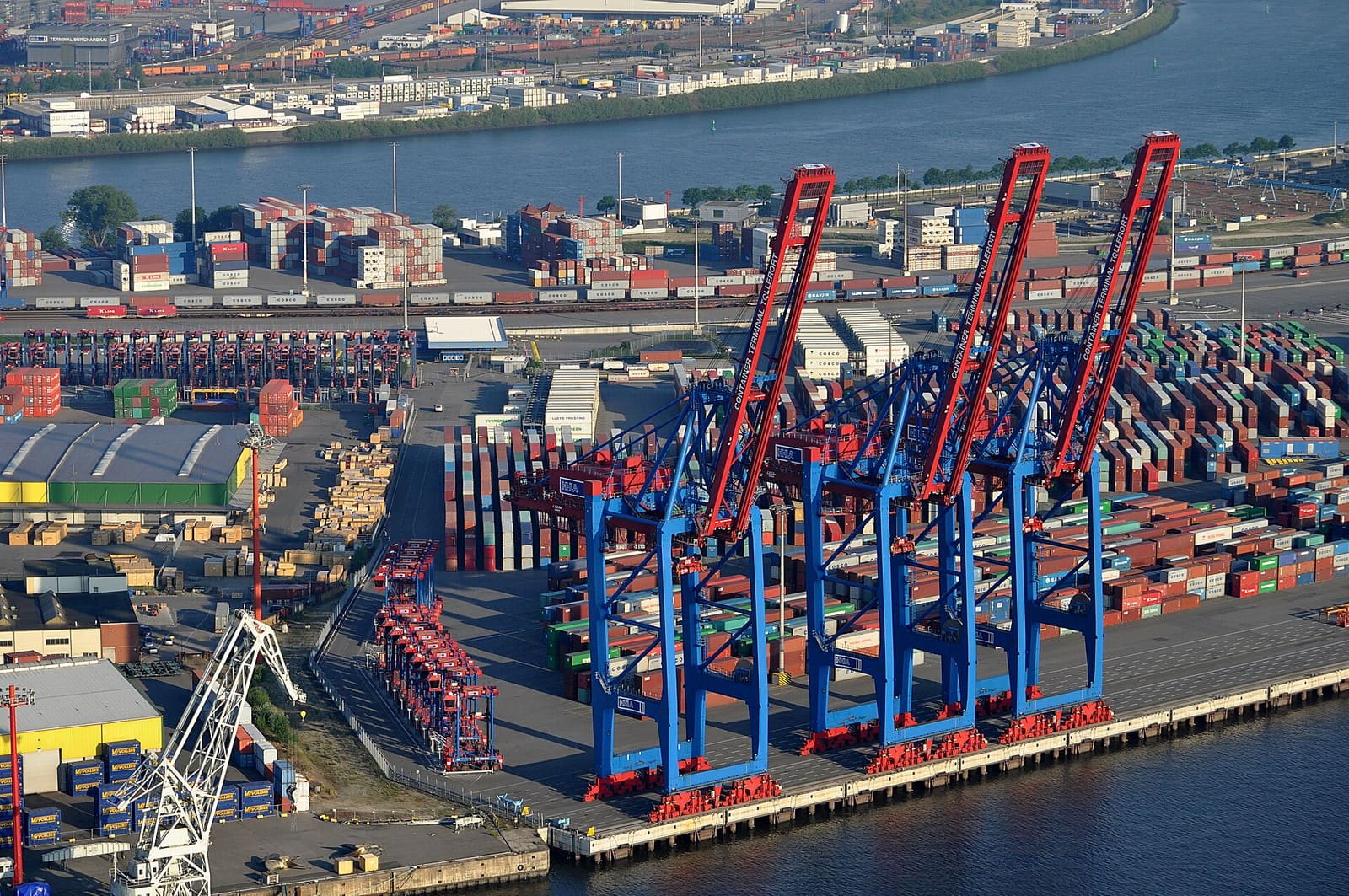
The Port of Auckland, on the North Island, sits closest to New Zealand's largest population centre and handles a large share of consumer goods, retail and general cargo arriving from Asia. The Port of Tauranga, roughly two hours southeast of Auckland by road, has grown into New Zealand's largest port by container volume, benefiting from deeper water access, less urban congestion, and strong rail and road links into the wider Bay of Plenty and central North Island. Many importers today choose Tauranga specifically because it avoids some of the berth congestion that has periodically affected Auckland, even though final distribution to Auckland-based retailers or distributors still typically happens by road after the container clears Tauranga. A forwarder managing Auckland port and Tauranga port China trade routing should be able to advise which call makes more sense for a given cargo's final destination rather than defaulting to whichever port is more familiar.
Realistic Transit Times
| Origin | Mode | Approx. Transit Time |
|---|---|---|
| China (South/East coast) to Auckland | Sea (FCL/LCL) | 22–30 days |
| China to Tauranga | Sea (FCL/LCL) | 22–30 days |
| China to Auckland | Air freight | 2–4 days |
Many sailings to New Zealand route via transshipment hubs in Southeast Asia or Australia rather than direct, which is part of why transit times run somewhat longer than a comparable distance to a directly-served market — a factor worth building into any delivery commitment quoted to a New Zealand-based buyer. General container scheduling and vessel safety standards on these routes fall under conventions maintained by the International Maritime Organization, which is useful background for shippers new to long-haul Pacific routings.
Biosecurity: As Strict as Australia's, Enforced Just as Consistently
New Zealand's biosecurity regime is every bit as rigorous as Australia's, reflecting the country's isolated ecosystem and its economic reliance on agriculture. Wood packaging requires ISPM 15 treatment, and cargo containing plant material, untreated timber, food products, or soil residue on machinery and equipment faces inspection, treatment or rejection at the border. The Ministry for Primary Industries publishes detailed import health standards by product category, and the New Zealand Customs Service handles duty assessment and clearance at the border. Shippers new to this lane should check the current requirements for their specific HS code well before booking rather than assuming standard packaging will pass without scrutiny — a used machinery shipment with visible soil contamination, for example, is one of the more common reasons a container gets held at a New Zealand port for cleaning or treatment before release.
LCL Consolidation: A Practical Fit for This Lane
Given New Zealand's smaller overall import volume compared with markets like Australia or the US, LCL consolidation is a genuinely practical option for many importers here rather than a fallback for smaller shippers alone — even mid-sized businesses often find it more economical to consolidate with other cargo bound for Auckland or Tauranga than to commit to a full container on a route with less frequent direct sailings. This is a similar dynamic to the LCL versus FCL trade-offs we discuss in more general terms for China shipments generally, but it applies with particular force on a lower-volume, longer-transit lane like this one.
Two Practical Notes for Shippers
- Clean and inspect used machinery or equipment before it ships. Soil, plant matter or pest residue on equipment is one of the most common causes of a hold at a New Zealand port, and it's far cheaper to fix at origin than after the container has already sailed.
- Ask whether Tauranga or Auckland genuinely suits your cargo's final destination. Tauranga's larger volume and deeper water don't automatically make it the better choice if your buyer is based in central Auckland and the onward trucking cost eats into the saving.
RR Brothers and Logistics books sea and air freight into Auckland and Tauranga as part of our broader Pacific and Oceania coverage, alongside comparable routes into Canada via Vancouver and Australia from India. If your business already ships into the Australian market, our guide to China to Australia via Sydney and Melbourne covers a closely related biosecurity and customs profile worth reading alongside this one.
Frequently Asked Questions
The Port of Tauranga is New Zealand's largest port by container volume and handles a large share of China-origin cargo, while the Port of Auckland remains the primary gateway for consumer and retail goods destined for the North Island's largest population centre.
New Zealand enforces strict import health standards, including ISPM 15 treatment for wood packaging and mandatory inspection or treatment for cargo containing plant material, food products, or soil residue on used equipment and machinery.
Sea freight typically takes 22–30 days, often via transshipment through Southeast Asia or Australia rather than a direct sailing. Air freight can move in 2–4 days for urgent or high-value cargo.
Yes. Given New Zealand's comparatively modest overall import volume, LCL consolidation into Auckland or Tauranga is a practical and cost-effective option for many shippers, not just smaller first-time importers.