A Trade Lane Growing Faster Than Its Reputation
For years, India-Australia trade sat somewhat in the shadow of India's larger corridors into the Gulf, Southeast Asia and East Africa. That has been changing steadily since the India-Australia Economic Cooperation and Trade Agreement (ECTA) entered into force in December 2022, eliminating or reducing tariffs on the large majority of tariff lines covering goods moving in both directions. For Indian exporters, the practical effect has been a wider and steadier flow of bookings into Sydney, Melbourne and Brisbane — not a sudden surge, but a durable widening of the lane as buyers on both sides re-price the opportunity. As a freight forwarder handling India-origin cargo daily, we've watched India Australia shipping shift from an occasional inquiry to a regular booking pattern across several product categories.
The Ports That Matter: Sydney, Melbourne and Beyond
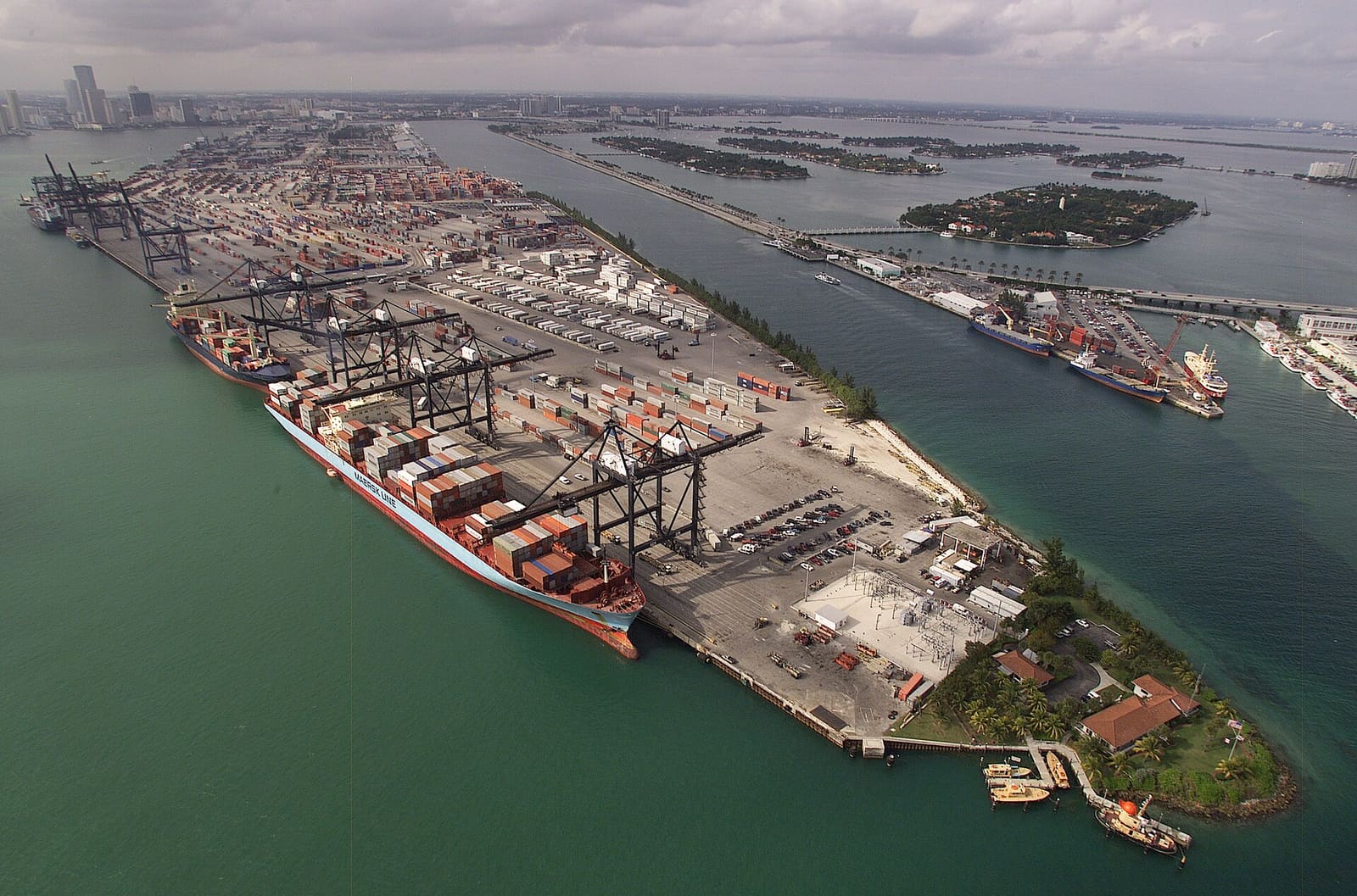
Port Botany, serving Sydney, and the Port of Melbourne are the two largest container gateways on Australia's east coast and between them handle the majority of containerised imports from Asia, including India. Brisbane's Port of Brisbane serves Queensland's growing consumer and agricultural market, while Fremantle, on the west coast near Perth, is the natural call for cargo destined for Western Australia and can sometimes offer a marginally shorter sailing from certain Indian ports depending on the carrier's rotation. Most India Australia freight route bookings we manage are still concentrated on Sydney and Melbourne simply because that's where the bulk of population and distribution infrastructure sits, but Brisbane's share has been growing as more importers set up regional distribution rather than trucking everything from the southeast.
Realistic Transit Times from India
| Origin Port | Mode | Approx. Transit Time |
|---|---|---|
| Nhava Sheva / Mumbai to Sydney or Melbourne | Sea (FCL/LCL) | 18–24 days |
| Chennai / Tuticorin to Sydney or Melbourne | Sea (FCL/LCL) | 16–22 days |
| Mundra / Kandla to Fremantle | Sea (FCL/LCL) | 14–19 days |
| Any major Indian gateway to Australia | Air freight | 2–4 days |
These figures move around with carrier rotations and seasonal capacity, and it's worth comparing them against the broader trade-offs between air and sea freight that apply on any long-haul lane before committing a shipment plan to your buyer.
Biosecurity: Australia's Strictest-in-the-World Import Regime
Australia's biosecurity rules are widely regarded as among the most rigorous of any major import market, and they apply regardless of where the cargo originates. Wood packaging material must meet ISPM 15 fumigation or heat-treatment standards, with visible stamps checked on arrival. Food, plant material, wooden handicrafts, leather goods and any cargo with organic packaging can attract additional inspection, treatment or, in some cases, mandatory destruction if it fails to meet the required standard. The Department of Agriculture, Fisheries and Forestry publishes the current biosecurity import conditions that every shipper should check before booking a container into Australia, and the Australian Border Force administers customs clearance and duty assessment at the border. Building extra buffer time into a shipment plan for potential biosecurity inspection is one of the more consistently useful pieces of advice we give first-time shippers on this lane.
Which Sectors Are Growing Fastest
Pharmaceuticals and generic medicines, engineering goods, textiles and made-ups, gems and jewellery, and processed food products have all seen meaningful growth on the India Australia freight route since ECTA took effect, as Indian exporters compete on a more even tariff footing than before. On the reverse leg, Australia's role as a major supplier of critical minerals and raw materials to Indian manufacturing has added a second dimension to the corridor that goes beyond the outbound Indian cargo most forwarders focus on. For shippers weighing whether this lane is worth developing for their product, it's a useful comparison point against India's other preferential-tariff corridors, including the India-ASEAN trade route and the India-UAE CEPA corridor, both of which have followed a similar pattern of steady volume growth once tariff relief made the numbers work.
Documentation and Claiming ECTA Preference
Standard export documentation — commercial invoice, packing list, bill of lading and, where required, a certificate of origin — applies to every India Australia shipping booking. To claim reduced or zero duty under ECTA, exporters need a Certificate of Origin issued according to the agreement's specific rules of origin, confirming the product qualifies based on local content or a qualifying change in tariff classification. Getting this wrong, or omitting it at the time of Australian customs clearance, means the importer pays the standard duty rate rather than the preferential one — an expensive mistake to discover after the container has already sailed. India's Directorate General of Foreign Trade is the reference point for confirming current rules of origin and documentation requirements before a shipment is booked.
Two Practical Notes for Shippers
- Build biosecurity buffer time into your delivery promise. Even fully compliant cargo can be selected for random inspection on arrival in Australia, and quoting a delivery date that assumes zero inspection risk is a common source of disputes with buyers.
- Confirm ECTA eligibility before quoting a landed cost. Not every HS code benefits equally, and the difference between a preferential and standard duty rate can be significant enough to change whether the lane is competitive for your product at all.
RR Brothers and Logistics books sea and air freight from Indian ports into Sydney, Melbourne, Brisbane and Fremantle as part of our broader network alongside China, Turkey, Kenya and Nigeria. If your business already ships China-origin cargo into Australia, our guide to China to Australia shipping via Sydney and Melbourne covers the port-side detail from that side of the lane, and our team can help you weigh an India-origin sourcing shift or a dual-origin strategy as part of any quote.
Frequently Asked Questions
Sea freight from Nhava Sheva or Chennai to Sydney or Melbourne typically runs 16–24 days, while Mundra to Fremantle on the west coast can be slightly faster at 14–19 days. Air freight moves in 2–4 days for urgent or high-value cargo.
Australia enforces some of the world's strictest biosecurity rules. Wood packaging must meet ISPM 15 standards, and food, plant, and organic-material cargo faces additional inspection or treatment. Shippers should check current requirements with the Department of Agriculture, Fisheries and Forestry before booking.
Pharmaceuticals, engineering goods, textiles, gems and jewellery, and processed foods have all seen strong growth since the ECTA agreement reduced tariffs on most product lines traded between the two countries.
Yes. A Certificate of Origin issued under ECTA's rules of origin is required to claim preferential duty treatment at Australian customs. Without it, the standard duty rate applies regardless of where the goods were actually manufactured.