A Corridor That Runs on Volume and Speed
The India-UAE trade lane is one of the shortest and busiest corridors in Indian trade, and it has grown considerably since the India-UAE Comprehensive Economic Partnership Agreement (CEPA) came into force on 1 May 2022. CEPA was India's first deep trade agreement with a Gulf economy, and it reduced or eliminated tariffs on the large majority of tariff lines covering goods traded between the two countries, with a stated ambition to push non-oil bilateral trade meaningfully higher over the following years. For a freight forwarder booking cargo on this lane daily, the practical effect has been steadier volumes, more first-time exporters entering the corridor, and a growing need to get preferential-origin documentation right at the point of booking rather than fixing it after a shipment has already sailed.
What CEPA Actually Changed for Shippers
CEPA's core mechanism is tariff elimination or reduction on the majority of tariff lines, phased in immediately or over a defined schedule depending on the product category. Sectors such as textiles and apparel, gems and jewellery, engineering goods, pharmaceuticals, plastics, chemicals, agricultural and food products, and leather goods have seen some of the most direct benefit, since these were categories where UAE import duties previously added real cost on top of freight. For shippers, the practical change is less about the shipping process itself and more about paperwork: claiming a preferential tariff rate under CEPA generally requires a valid Certificate of Origin issued under the agreement's specific rules of origin, and getting that certificate wrong or missing at the time of customs clearance in the UAE means paying the standard duty rate instead. Readers can review the underlying framework and updates on India's Ministry of Commerce and Industry website, which tracks India's trade agreements including CEPA.
Jebel Ali and Dubai's Re-Export Engine
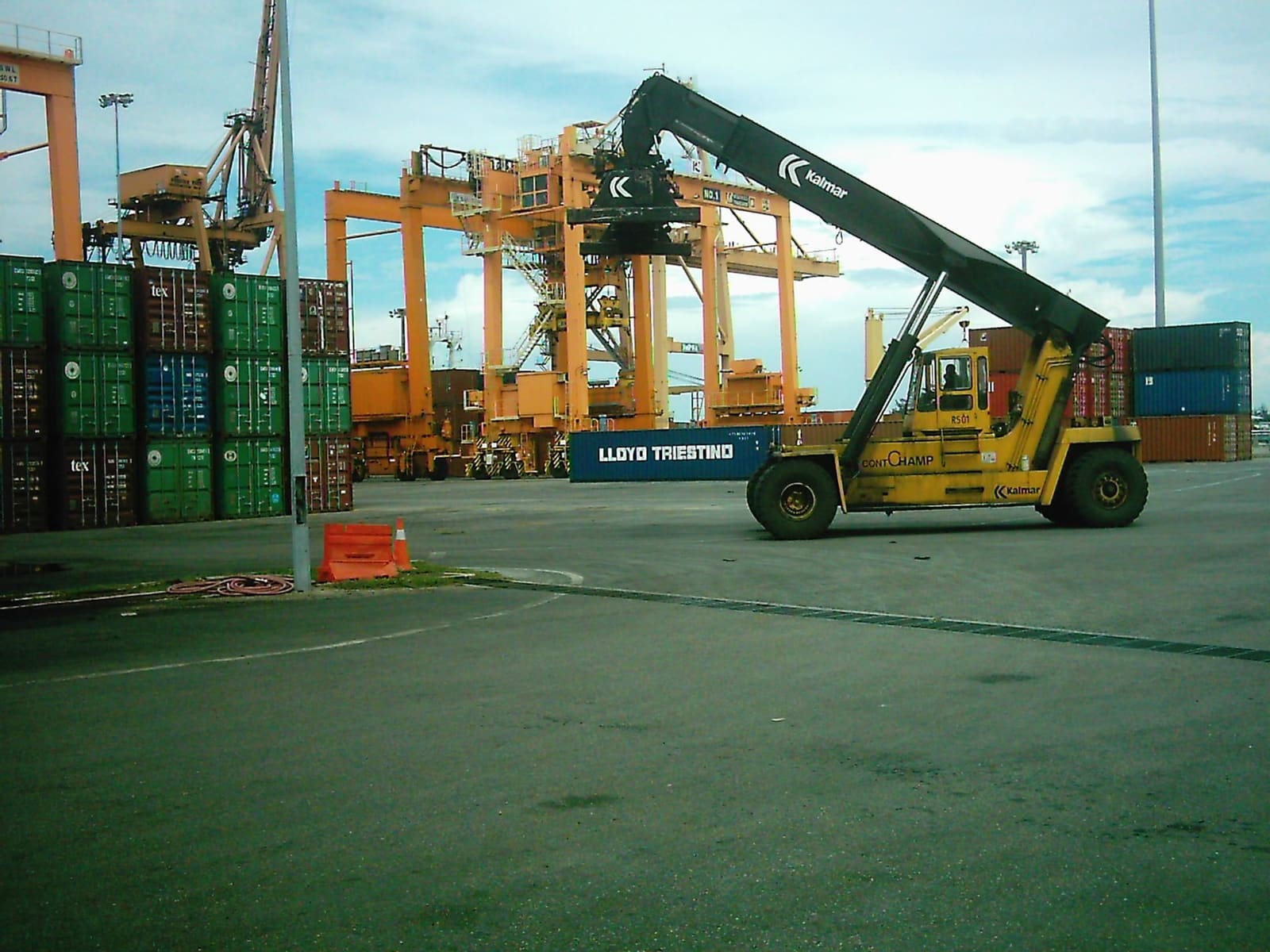
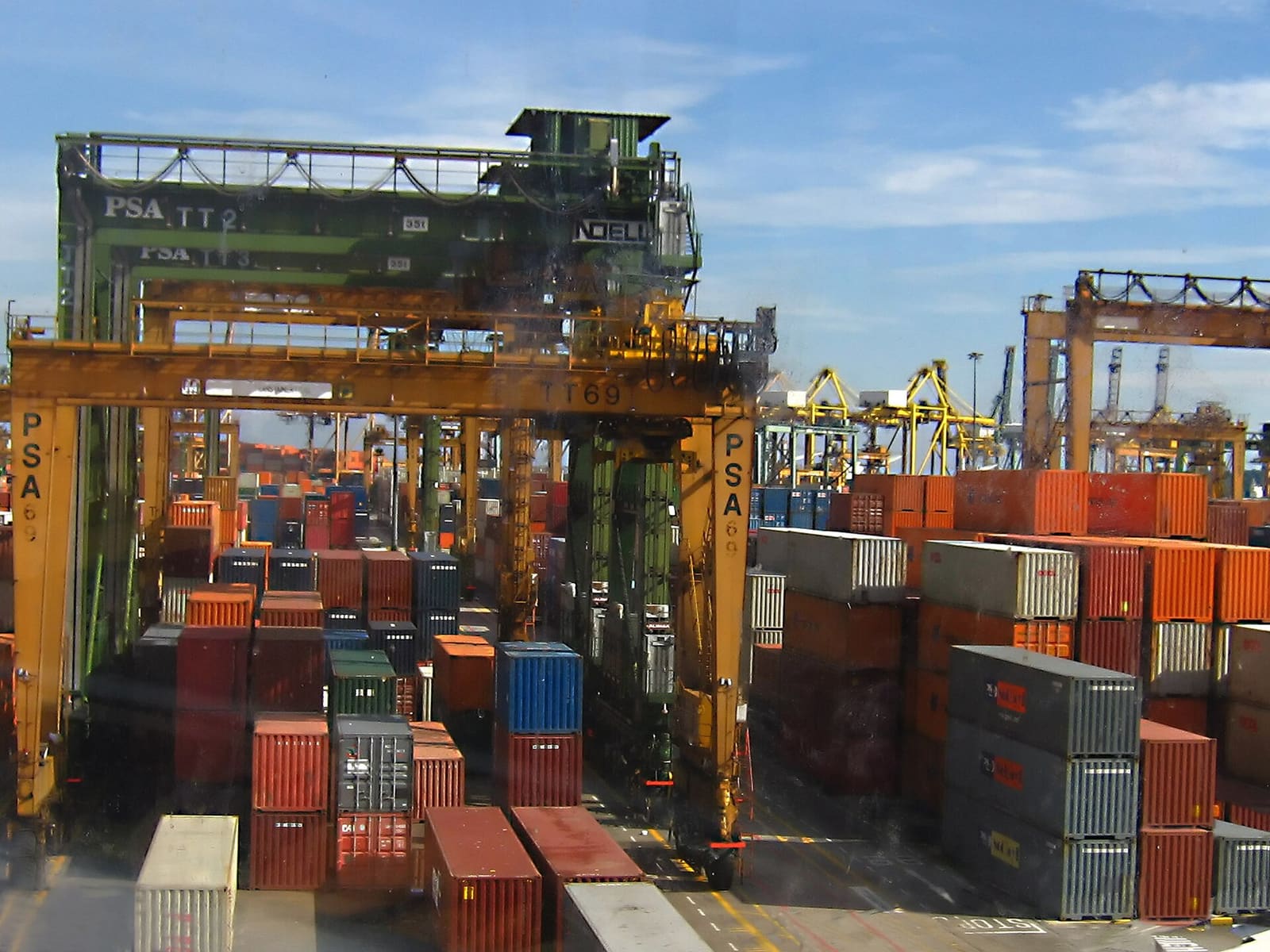
Much of the UAE's importance to Indian exporters has nothing to do with UAE domestic consumption at all — it is about Dubai's role as a re-export and transshipment hub for the wider Middle East, East Africa and the CIS region. Jebel Ali Port, operated within the Jebel Ali Free Zone, is one of the largest container ports outside East Asia and functions as a warehousing and distribution point from which goods move onward by sea, air or road across a huge catchment area. An Indian exporter shipping into Jebel Ali is therefore often reaching a market far larger than the UAE's own population, provided the goods and documentation are structured correctly for onward re-export rather than final UAE consumption. Operators like DP World, which runs Jebel Ali, publish general guidance on the free zone and terminal operations that is useful background reading for first-time shippers on this route.
Sectors Riding the CEPA Wave
Gems and jewellery has long been one of the largest categories on the India-UAE lane, and tariff relief under CEPA has reinforced Dubai's position as a key re-cutting, re-polishing and re-export centre for Indian-origin stones and finished jewellery. Textiles and ready-made garments, pharmaceuticals, engineering goods and processed agricultural products have all seen exporters take a fresh look at the UAE lane specifically because the post-CEPA landed cost compares favourably with other Gulf and Middle East destinations that don't currently benefit from a comparable agreement. This has broadened the type of shipper booking this route — from established gem exporters running regular consignments to newer SME exporters testing the market for the first time, a shift we've also seen play out on India's ASEAN trade lanes as regional trade agreements mature.
Realistic Transit Times and Routing
| Origin Port | Mode | Approx. Transit Time to Jebel Ali |
|---|---|---|
| Mundra / Kandla (Gujarat) | Sea (FCL/LCL) | 4–7 days |
| Nhava Sheva / Mumbai | Sea (FCL/LCL) | 6–9 days |
| Chennai / Tuticorin | Sea (FCL/LCL) | 7–10 days |
| Any major Indian gateway | Air freight | 1–2 days |
These are short sailings by global standards, which is part of why the UAE lane suits both established FCL exporters and smaller LCL shippers testing new product lines — the cost of a wrong bet is lower when the transit itself is measured in days rather than weeks.
Documentation and Compliance Under CEPA
Beyond the standard commercial invoice, packing list and bill of lading, claiming CEPA preference requires the Certificate of Origin issued according to the agreement's rules of origin, generally confirming a defined level of local value addition or a qualifying change in tariff classification. Exporters should also confirm current HS classifications and any product-specific requirements through India's Directorate General of Foreign Trade before booking, since misclassification is one of the more common reasons a shipment loses its preferential rate at the UAE end. On the receiving side, UAE customs increasingly processes documentation electronically, but complete and consistent paperwork at origin remains the single biggest factor in a smooth clearance.
Two Practical Notes for Shippers
- Don't assume every product qualifies for CEPA preference. Confirm the applicable rules of origin for your specific HS code before quoting a landed cost to your buyer — a wrong assumption here is expensive to unwind after the container has sailed.
- Think about Jebel Ali as a distribution hub, not just a destination. If your buyer plans to re-export into East Africa, the wider GCC or the CIS region, structuring documentation for that onward movement from the outset saves time later.
RR Brothers and Logistics books sea and air freight into Jebel Ali and Dubai regularly as part of our wider India network, alongside comparable corridors we manage into the India-Africa trade lane and India's growing ASEAN trade. If your business is weighing whether the post-CEPA UAE lane makes sense for your product, our detailed guide to shipping into Dubai and Jebel Ali covers the port-side logistics in more depth, and our team can walk through preferential documentation requirements as part of any quote.
Frequently Asked Questions
CEPA itself doesn't change freight rates — it changes the import duty payable in the UAE on qualifying goods, which for many product categories has been reduced or eliminated. The net landed cost for a buyer therefore falls even though the actual sea or air freight charge is unaffected by the agreement.
Gems and jewellery, textiles and apparel, engineering goods, pharmaceuticals, and processed agricultural products have generally seen the most direct benefit, since these categories previously faced UAE import duties that CEPA has reduced or removed for qualifying goods.
Sea freight from Gujarat ports such as Mundra typically takes around 4–7 days, while shipments from Mumbai or India's east and south coast ports usually run 6–10 days. Air freight can move in 1–2 days for urgent or high-value cargo.
Yes. A Certificate of Origin issued under CEPA's specific rules of origin is required to claim the preferential tariff rate at UAE customs. Without it, standard duty rates apply regardless of where the goods were manufactured.