A Relationship Built on Complementary Economies
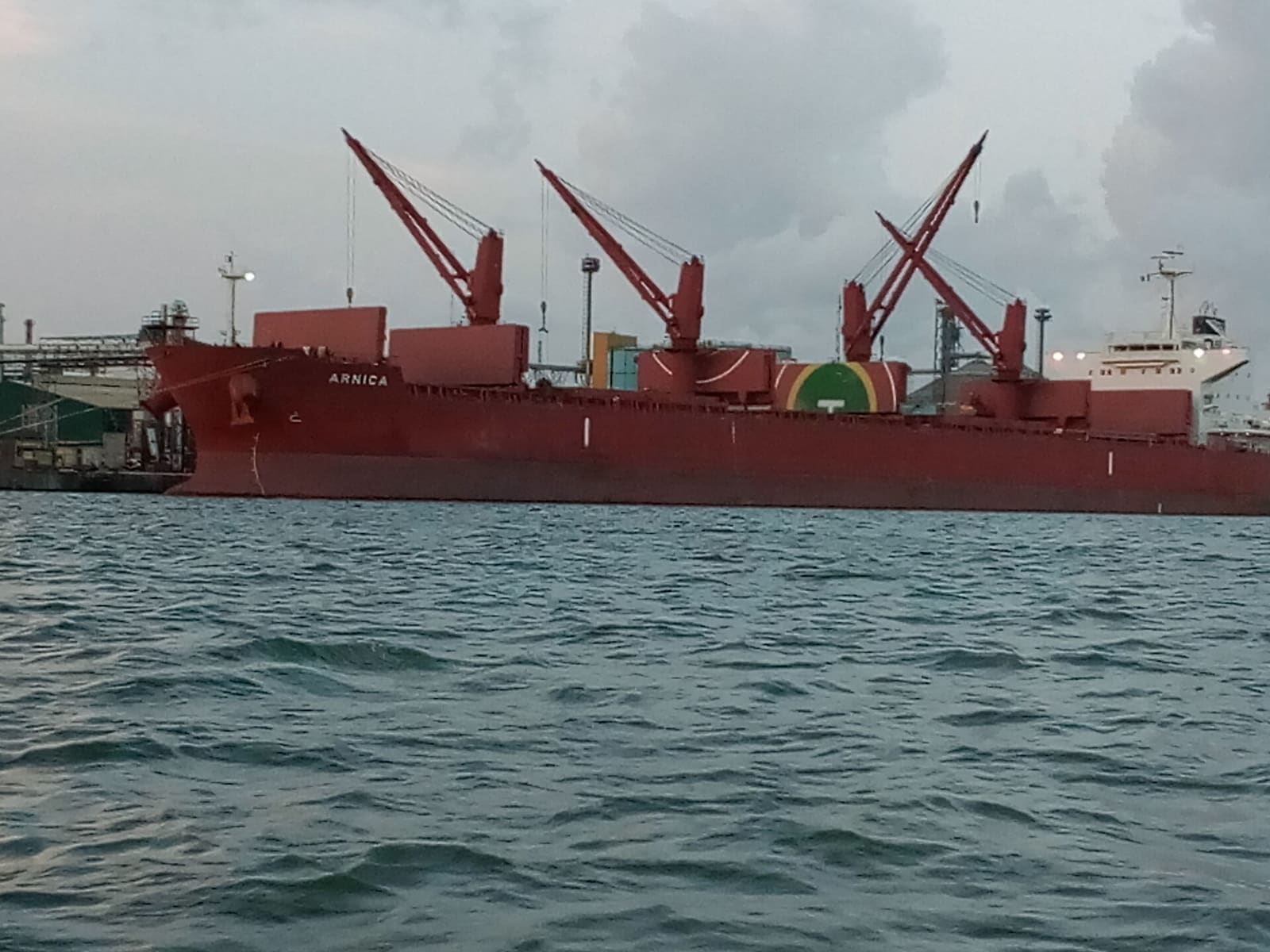
India's trade relationship with Africa has deepened steadily over the past decade, driven by a straightforward complementarity: India needs raw materials, minerals and energy feedstocks that many African economies produce, while African markets need the pharmaceuticals, vehicles and vehicle parts, machinery, textiles and processed goods that Indian manufacturers export at competitive cost. Unlike some of India's more mature trade lanes, the India-Africa corridor is really 54 separate country relationships bundled under one geographic label, each with its own port infrastructure, customs regime and market dynamics. For shippers weighing which partner can manage that complexity, our guide to choosing the right freight forwarder covers the questions worth asking before committing to a new lane. RR Brothers and Logistics has a direct advantage on this corridor that many forwarders quoting India-Africa freight don't: we operate directly in Kenya and Nigeria, rather than relying solely on agents, which means faster problem-solving and more reliable delivery visibility once cargo lands on the African side.
The Fastest-Growing African Markets for Indian Exporters
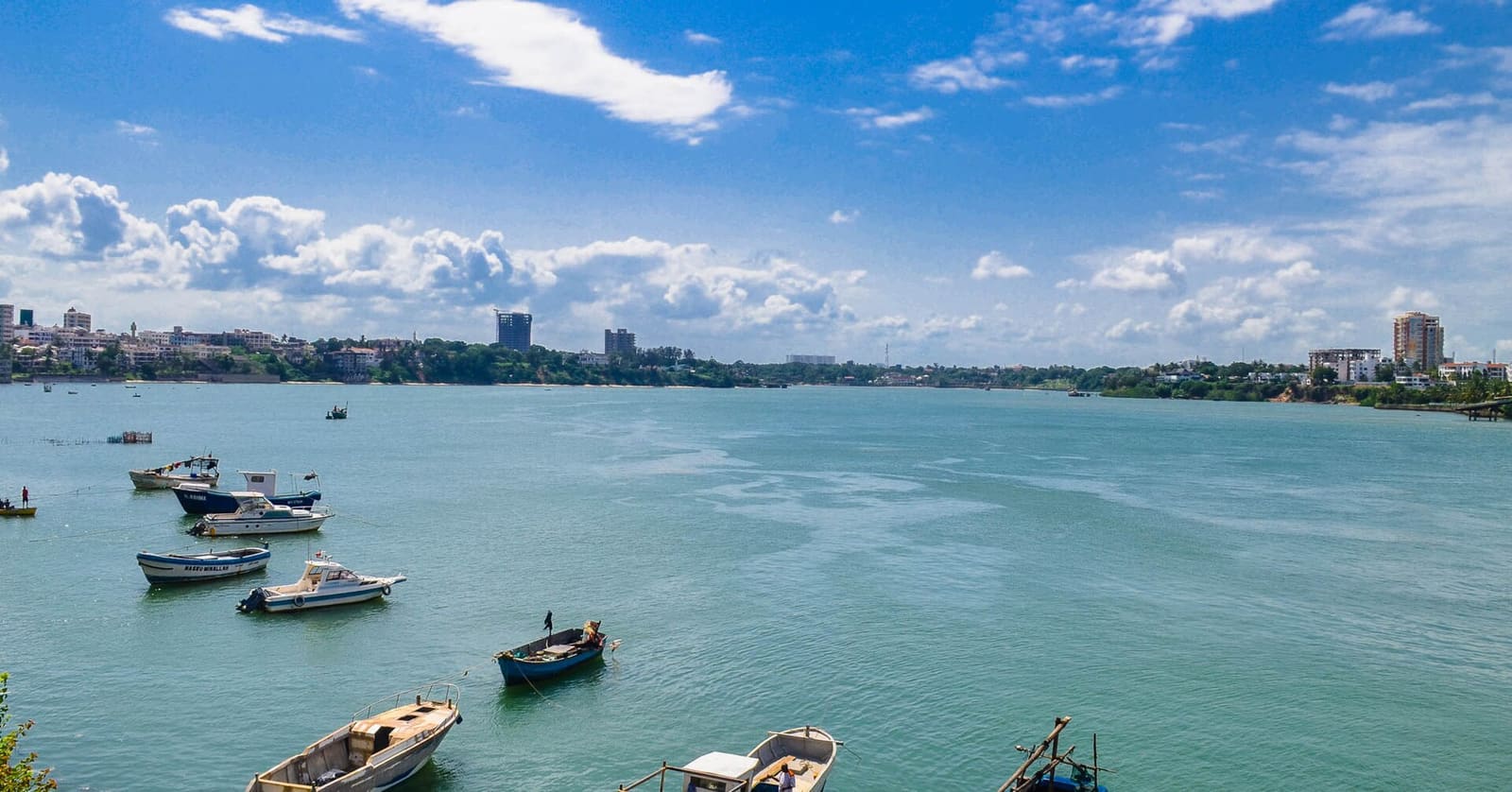
East Africa — led by Kenya, and using Mombasa as the region's principal gateway — has become one of the more established India-Africa trade lanes, importing pharmaceuticals, textiles, vehicles, machinery and processed food products while exporting tea, coffee, horticultural produce and raw materials back to India. West Africa, and Nigeria specifically, represents a larger consumer market by population and has grown into a major destination for Indian pharmaceuticals, two-wheelers, plastics, textiles and engineering goods, moving primarily through Lagos's Apapa and Tin Can Island port complexes. Southern Africa, anchored by South Africa's Durban port, and North Africa, with Egypt as a growing hub connecting further into the Mediterranean and European markets, round out the continent's other major trade clusters for Indian shippers.
Indian Ports With the Strongest Africa Connectivity
Nhava Sheva (JNPT) and Mundra on India's west coast carry the bulk of India-Africa container volume, given their proximity to the Arabian Sea and Red Sea shipping lanes that lead toward both East and West Africa. Chennai and Visakhapatnam on the east coast also handle meaningful Africa-bound volume, particularly for cargo moving via Colombo or Singapore transshipment toward East African ports. For West Africa specifically, sailings typically route around the Cape of Good Hope or through the Suez Canal depending on the carrier and current routing conditions, which can materially affect transit time — a variable worth confirming at the time of booking rather than assuming a fixed schedule.
Realistic Transit Times
| Route | Gateway Port | Approx. Transit Time |
|---|---|---|
| India (Mumbai/Mundra) to Kenya | Mombasa | 10–16 days |
| India to Nigeria | Lagos (Apapa/Tin Can Island) | 22–32 days |
| India to South Africa | Durban | 14–20 days |
| India to Egypt | Alexandria / Suez | 10–16 days |
Logistics Challenges Unique to This Corridor
Port congestion and dwell time remain more variable across African gateways than on more established Asian or European lanes, which makes buffer time in delivery planning genuinely important rather than optional. Documentation requirements also differ meaningfully by country — Kenya's PVoC (Pre-Export Verification of Conformity) programme and Nigeria's SONCAP certification each require specific pre-shipment conformity steps for regulated product categories, and missing either one is one of the most common causes of clearance delay we see on this corridor. Inland transport from the port to final destination can also be a larger share of total transit time than shippers expect, particularly for landlocked neighbouring markets that depend on Mombasa or Lagos as their nearest seaport gateway. Our detailed guides to shipping into Mombasa and shipping into Lagos and Apapa, while written from a China-origin perspective, cover the port-side conformity and clearance requirements in more depth and apply equally to India-origin cargo moving through the same gateways.
A Word on the Broader China-Africa Corridor
India isn't the only major Asian economy building deeper Africa trade ties — our companion piece on the China-Africa trade corridor covers how a comparable dynamic has played out from the China side over a longer period, and is useful reading for any shipper comparing sourcing and market-entry strategy across both origins. Many of the port-level realities — conformity certification, inland transport bottlenecks, and the importance of an experienced local partner — apply regardless of which Asian origin the cargo is coming from.
Two Practical Notes for India-Africa Shippers
- Confirm country-specific conformity requirements early. PVoC for Kenya and SONCAP for Nigeria both require pre-shipment steps that can't be completed retroactively once cargo has sailed — build them into your production and booking timeline.
- Build in schedule buffer for African port dwell time. Even a well-run shipment can face variable clearance timing once it lands — a forwarder with people on the ground, rather than a remote agent network, generally resolves this faster.
RR Brothers and Logistics is one of the few forwarders quoting India-Africa freight with genuine operational presence in both Kenya and Nigeria, alongside our China and India network. That direct presence means we can manage PVoC and SONCAP documentation, port clearance and inland delivery as a single coordinated sea freight service rather than handing your cargo off to an unfamiliar local agent once it reaches African soil.
Frequently Asked Questions
Kenya (via Mombasa) and Nigeria (via Lagos) are among the most established and fastest-growing India-Africa trade lanes, alongside South Africa's Durban gateway and Egypt's growing role as a North Africa hub.
Variable port dwell time, country-specific pre-shipment conformity programmes like Kenya's PVoC and Nigeria's SONCAP, and longer or less predictable inland transport legs are among the most distinctive challenges compared with more established Asian or European trade lanes.
Nhava Sheva (JNPT) and Mundra on India's west coast carry the bulk of Africa-bound container volume, with Chennai and Visakhapatnam also serving East Africa via transshipment routes.
Yes. Alongside our China and India network, RR Brothers and Logistics operates directly in Kenya and Nigeria, which means door-to-door coordination and local clearance support rather than depending solely on a remote agent network.