A Trade Relationship That Has Outgrown Its Old Playbook
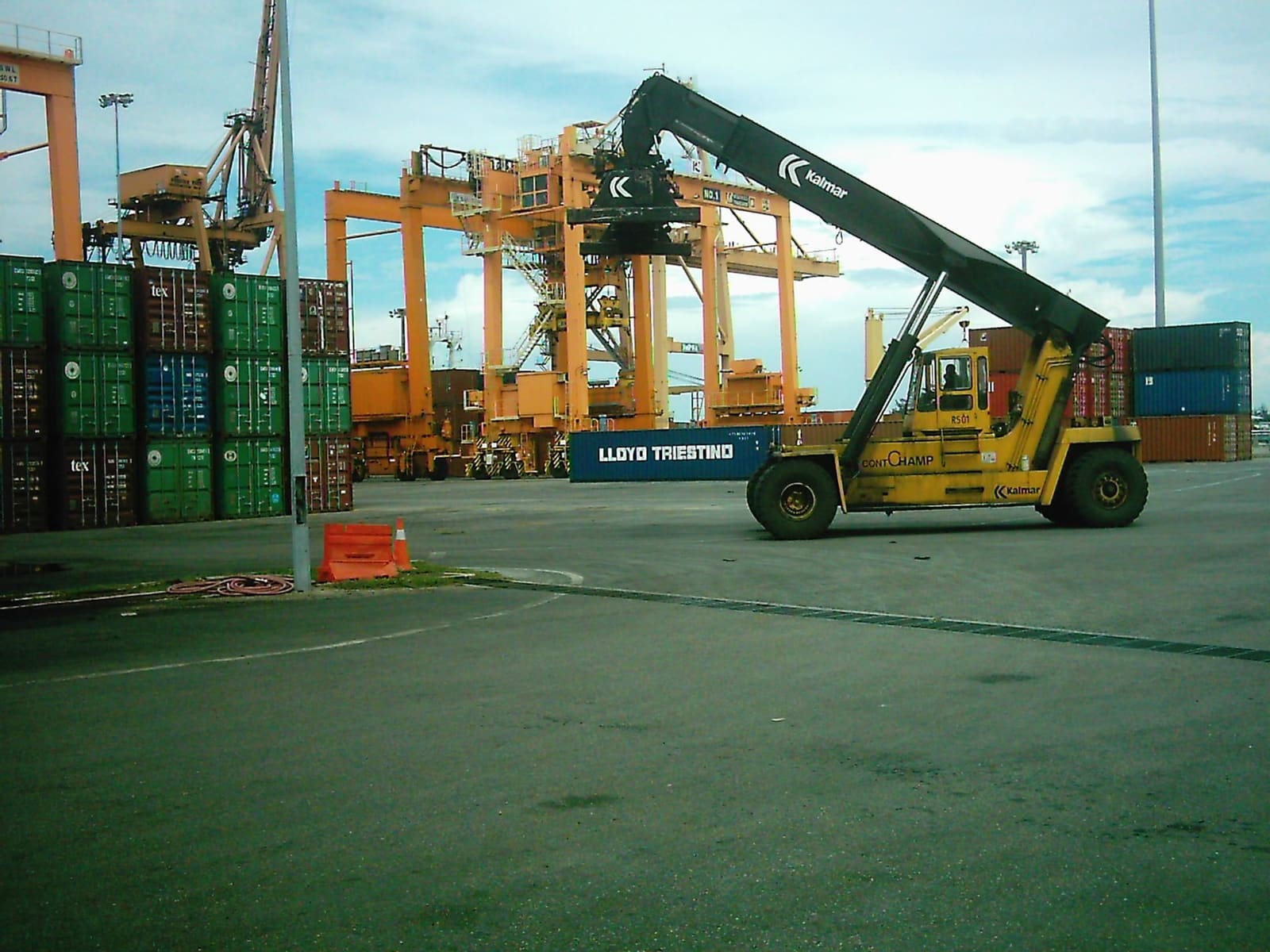
China has been Africa's largest single trading partner for over a decade, and the volume of containerized cargo moving between the two has grown well beyond what most of the continent's ports and inland networks were originally built to handle. For importers in Kenya, Nigeria, Tanzania, Ghana, South Africa and beyond, that growth has been good news commercially but has also made logistics planning noticeably more complex. Unlike the China-Europe or China-India corridors, where a handful of dominant gateway ports absorb most volume, the China-Africa corridor is genuinely fragmented — cargo destined for the same general region can move through several very different gateway ports depending on final destination, transshipment routing, and the shipping line's own network design. Understanding that fragmentation is the first step to shipping into Africa efficiently.
The Region's Major Gateway Ports
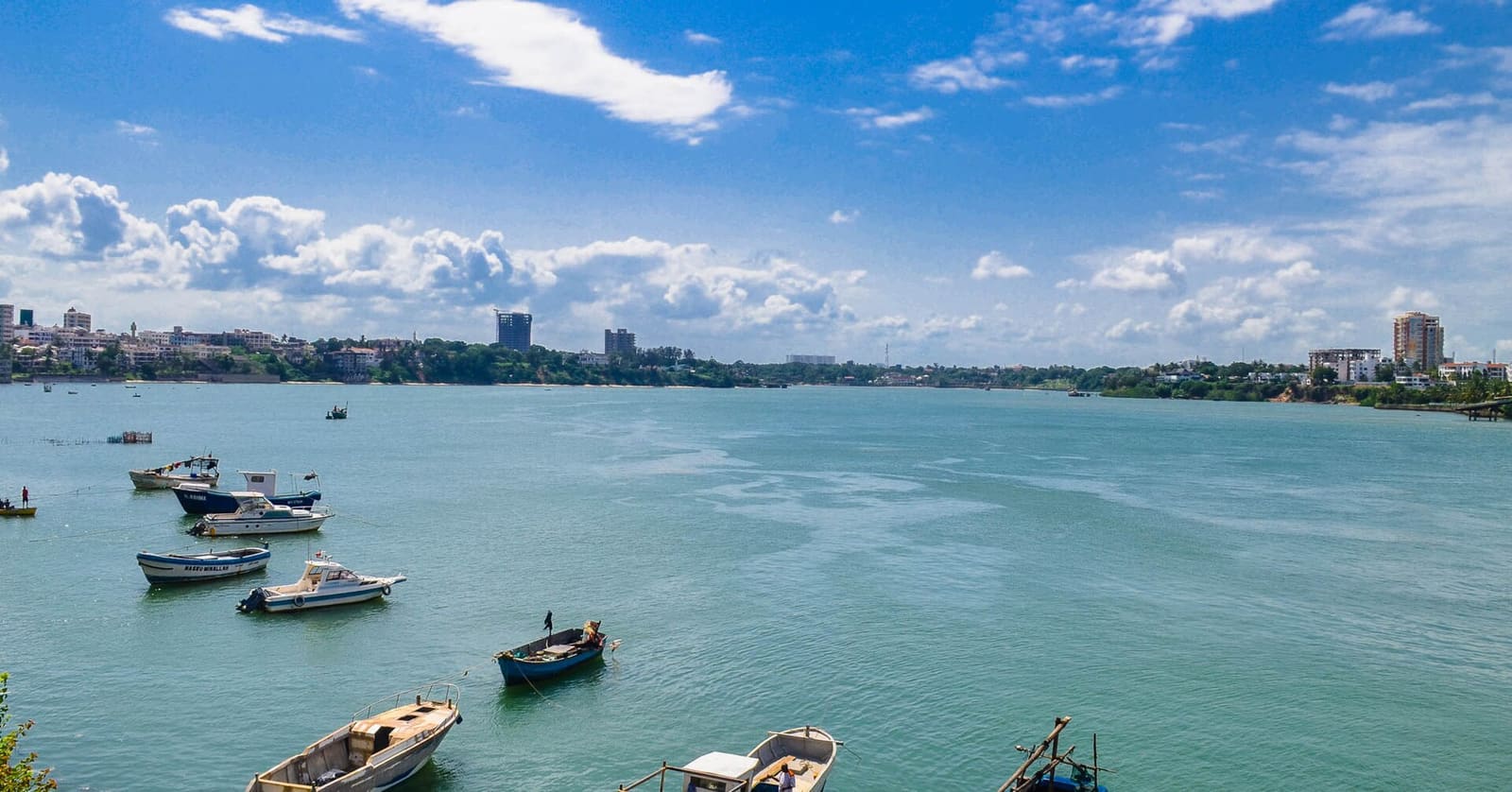
On the East African side, Mombasa in Kenya remains the dominant gateway for Kenya, Uganda, Rwanda, South Sudan, eastern DRC and northern Tanzania, feeding inland cargo via the Northern Corridor road network and the standard-gauge railway to Nairobi. Dar es Salaam in Tanzania serves a similar role for the Central Corridor into Zambia, Malawi, Burundi and parts of the DRC. Djibouti functions as the primary maritime gateway for landlocked Ethiopia, one of the continent's largest import markets. On the West African side, Lagos — through both Apapa and Tin Can Island terminals — is Nigeria's dominant gateway and one of the busiest ports on the continent, though it is also known for periodic congestion. Tema in Ghana and Abidjan in Côte d'Ivoire serve as reliable alternatives and feed into the wider West African hinterland including landlocked Burkina Faso, Mali and Niger. Durban in South Africa anchors the southern end of the continent and serves the SADC region broadly.
Shipping Modes and Realistic Transit Times
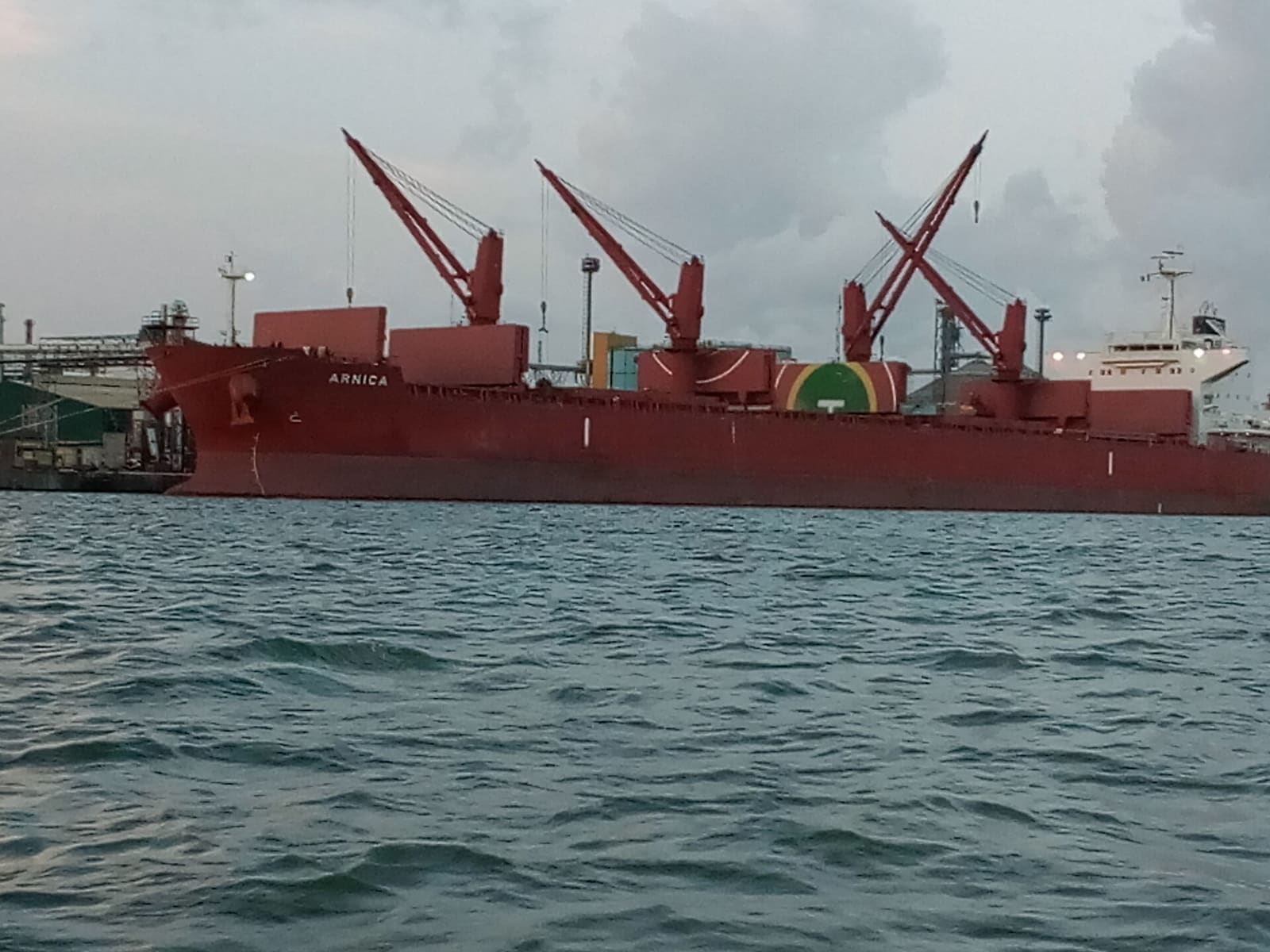
Sea freight carries the overwhelming majority of China-Africa cargo, split between full-container-load (FCL) for larger, regular importers and less-than-container-load (LCL) consolidation for smaller volumes — a common choice for African trading businesses bringing in mixed general cargo. Because relatively few vessel services run direct from China to African ports, much of this cargo transships through hub ports such as Jebel Ali, Salalah, Colombo or Port Klang before continuing on a feeder vessel to its final African port. That transshipment step adds time but is usually unavoidable given current vessel deployment patterns. As a rough guide, China to Mombasa or Dar es Salaam typically runs 30–40 days door-to-port depending on transshipment routing and sailing frequency; China to Lagos or Tema often runs 35–48 days given the longer voyage around the Cape or through the Suez Canal plus transshipment; China to Durban tends to run 28–38 days. Air freight is used selectively for urgent, high-value or time-critical cargo — spare parts, medical supplies, fashion — typically moving in 5–10 days including customs processing, at a meaningfully higher cost per kilogram than sea freight.
Customs and Documentation Across African Markets
Each African market has its own customs authority and its own quirks, and shippers who assume one country's rules apply everywhere on the continent run into avoidable delays. Kenya's imports are administered by the Kenya Revenue Authority (KRA), which requires a Pre-Export Verification of Conformity (PVoC) certificate for many regulated product categories before goods are shipped, alongside the standard commercial invoice, packing list, bill of lading and certificate of origin. Nigeria Customs Service similarly requires advance documentation through its PAAR (Pre-Arrival Assessment Report) process, and many products fall under SONCAP conformity assessment requirements that need to be arranged before the cargo departs China — leaving this until arrival is one of the most common causes of demurrage at Lagos. Ghana, Tanzania and other markets run their own single-window customs platforms with broadly similar document requirements but different specific certificates and inspection regimes. On the export side, China's General Administration of Customs (GACC) requires accurate HS code classification and, for certain regulated goods, export licenses or inspection certificates — getting HS classification right at origin makes downstream customs clearance in the destination African market considerably smoother.
Practical Realities Shippers Should Plan For
- Port congestion and dwell time — Lagos in particular has a history of vessel queuing and slow cargo evacuation from the port; building schedule buffer into delivery commitments to end customers is prudent rather than pessimistic.
- Inland transport to landlocked markets — cargo destined for Uganda, Rwanda, Zambia, Ethiopia or the Sahel states depends on onward road or rail transport from the coastal gateway, and this leg can take as long as, or longer than, the ocean voyage itself, particularly during rainy seasons.
- Conformity certification lead times — PVoC, SONCAP and similar pre-shipment conformity certificates need to be arranged well before the vessel sails, not after arrival; retroactive certification is slower, costlier and sometimes not possible at all.
- Currency and payment timing — foreign exchange availability in some African markets can affect how quickly duties are settled and cargo released, which is worth factoring into cash-flow planning alongside the shipping schedule itself.
Comparing the Region's Main Gateways
| Gateway Port | Serves | Typical China Transit |
|---|---|---|
| Mombasa (Kenya) | Kenya, Uganda, Rwanda, S. Sudan | 30–40 days |
| Lagos / Apapa (Nigeria) | Nigeria and West Africa hinterland | 35–48 days |
| Dar es Salaam (Tanzania) | Tanzania, Zambia, Malawi, DRC | 30–42 days |
| Durban (South Africa) | South Africa, SADC region | 28–38 days |
Working With a Forwarder That Knows the Corridor
Because so much of the friction in China-Africa trade sits in the customs and inland-transport layer rather than the ocean voyage itself, the value a freight forwarder adds on this corridor goes well beyond booking a container. A forwarder that already understands PVoC and SONCAP timelines, has working relationships with clearing agents in Mombasa and Lagos, and can advise realistically on inland transit to landlocked destinations will typically save an importer more time than choosing the marginally cheaper ocean freight quote. RR Brothers and Logistics has spent years building exactly that kind of on-the-ground logistics knowledge across African gateways, alongside our established India, Turkey and broader global network, so clients get one point of contact managing the full door-to-door movement rather than juggling separate contacts for shipping, customs and inland trucking.
Getting Started
If you are shipping into Africa for the first time, the most useful early step is simply mapping your actual destination against the right gateway port and confirming, before cargo ever leaves China, which conformity certificates and import permits your specific product category requires. From there, choosing between FCL and LCL, and between sea and air for time-sensitive portions of an order, becomes a much more straightforward conversation with your logistics provider.
Frequently Asked Questions
Mombasa is the dominant gateway for Kenya, Uganda, Rwanda, South Sudan and northern Tanzania, feeding inland cargo via the Northern Corridor road network and the standard-gauge railway to Nairobi.
Relatively few vessel services run direct from China to African ports, so much of this cargo transships through hub ports such as Jebel Ali, Salalah, Colombo or Port Klang before continuing on a feeder vessel — adding time a direct-call lane wouldn't need.
Nigeria requires SONCAP conformity assessment for many product categories, and Kenya requires a Pre-Export Verification of Conformity (PVoC) certificate — both need to be arranged before the vessel sails from China.
Yes — Lagos has a history of vessel queuing and slower cargo evacuation from the port, so building schedule buffer into delivery commitments to end customers is a prudent practice rather than a pessimistic one.