Air freight mistakes are expensive because the mode is built for speed, and speed leaves little room to correct anything. A wrong weight, a missing declaration or a late filing can cost a flight, a fee or a claim that cannot be recovered. Most of these errors follow from a handful of rules that are easy to learn and easy to forget. This guide covers twelve common mistakes in four groups, giving for each the rule or fact behind it and a practical way to avoid it.
If you are choosing a mode, see air freight vs sea freight. For the paperwork side, see air cargo documentation.
Before Booking
Mistake 1: Budgeting on actual weight
What goes wrong: the quote is higher than the budget. The rule: IATA says carriers can charge by volumetric or actual weight and use whichever is higher, with volume in cubic centimetres divided by 6,000 as the general rule. How to avoid it: budget on chargeable weight, measured on the packed cargo. See our guide to chargeable weight.
Mistake 2: Packing too loosely
What goes wrong: light, bulky cartons are billed on volume, so air space is paid for twice over. How to avoid it: use the smallest carton that protects the goods, remove excess void and measure before you quote. Our guide to reducing air freight costs shows an example.
Mistake 3: A vague description or the wrong HS code
What goes wrong: customs raises a query or duty is wrongly assessed. The rule: Section 46(4A) of the Customs Act, 1962 requires the importer to ensure the accuracy and completeness of the bill of entry, and Section 114AA allows a penalty of up to five times the value of the goods for knowingly or intentionally using a false or incorrect declaration in a material particular. How to avoid it: use a precise description and confirm the HS code with your broker.
At Handover
Mistake 4: Documents that disagree
What goes wrong: the airline queries the shipment or customs holds it. The rule: the Montreal Convention makes the consignor responsible for the correctness of the particulars it inserts in the air waybill (Article 10 of the Convention). How to avoid it: reconcile the invoice, the packing list and the air waybill line by line before handover.
Mistake 5: Undeclared or wrongly declared dangerous goods
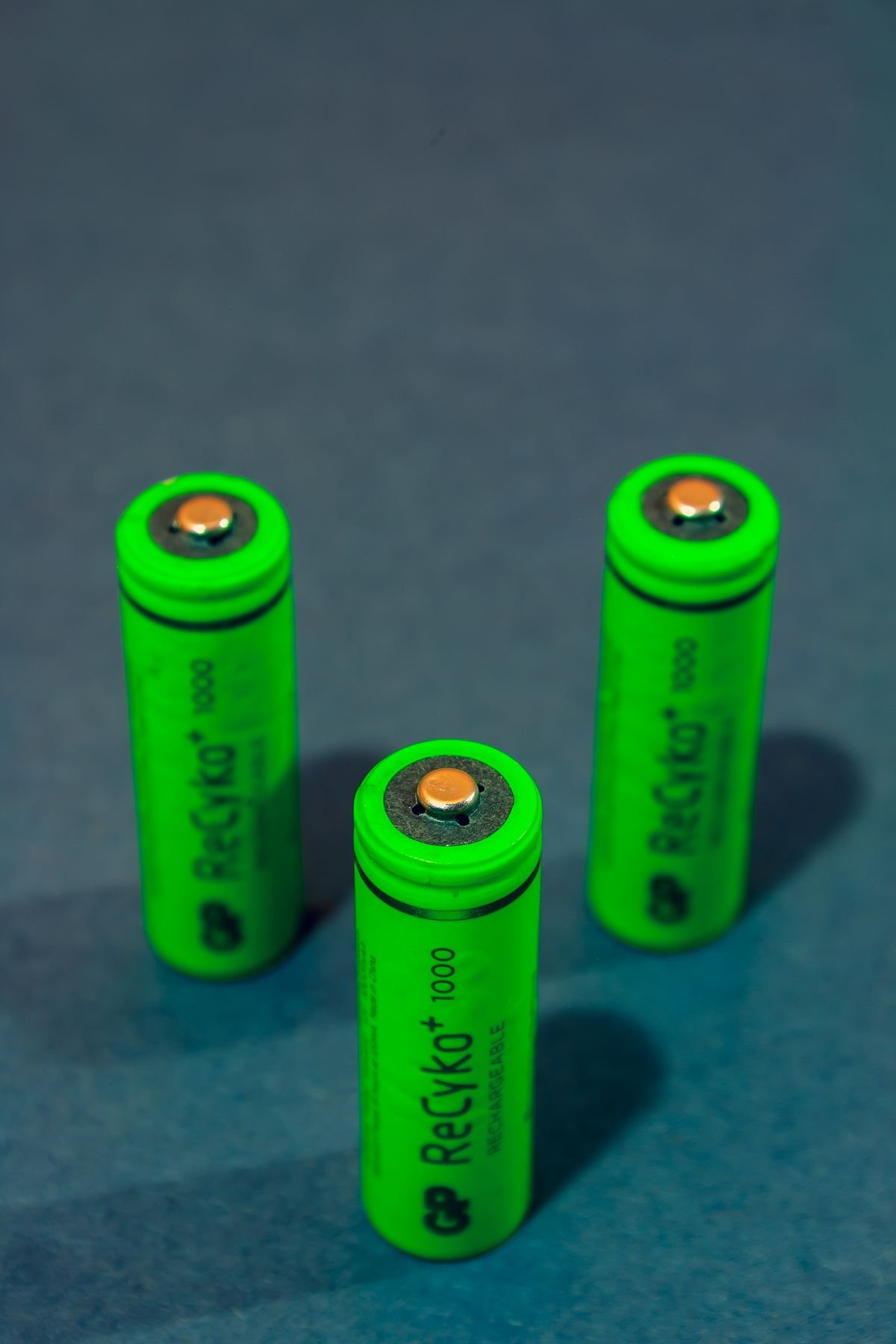
What goes wrong: the cargo is refused at acceptance. The rule: IATA says the shipper is responsible for packaging, labelling and completing the Shipper's Declaration for Dangerous Goods, and that incorrectly completed documents mean the goods cannot be accepted. How to avoid it: tell your forwarder what the goods contain before booking, including batteries. See our guide to lithium battery shipping regulations.
Mistake 6: Missing the acceptance cut-off
What goes wrong: the cargo waits for the next flight. How to avoid it: ask for the cargo and document cut-offs and work back from the earliest. Our guide to booking cut-off times explains why they are firm.
In Transit and on Delivery
Mistake 7: Relying on the carrier's liability
What goes wrong: a loss is compensated at a fraction of the goods' value. The rule: under Article 22(3) of the Montreal Convention, the carrier's liability for cargo is limited to a number of Special Drawing Rights per kilogram unless the consignor makes a special declaration of interest and pays a supplementary sum. IATA's memorandum shows the limit rising from 17 to 22 and then 26 SDR per kilogram, with the latest revision effective from 28 December 2024. How to avoid it: insure the cargo for its full value and consider a declared value. Our guide to shipping high-value goods works through an example.
Mistake 8: Not checking the cargo on arrival
What goes wrong: damage is found too late to claim. The rule: Article 31 of the Convention treats receipt without complaint as prima facie evidence of good delivery, requires a complaint about damage within fourteen days of receipt for cargo, and within twenty-one days for delay. How to avoid it: inspect on delivery, note damage on the paperwork, photograph it and complain in writing straight away.
Mistake 9: Leaving customs until after landing
What goes wrong: cargo waits and storage builds up. The rule: a bill of entry can be presented up to thirty days before expected arrival (Section 46), duty on a self-assessed entry is payable when it is presented (Section 47), and goods left uncleared for thirty days after unloading, or any longer period the officer allows, can be sold after notice (Section 48). How to avoid it: prepare the filing and the duty funds while the cargo is in the air.
Choosing and Planning
Mistake 10: Raw wood packaging without treatment
What goes wrong: crates or pallets are held at a border. The rule: the international standard ISPM 15 covers wood packaging made from raw wood and requires approved treatment, such as heating to at least 56 °C for 30 continuous minutes, and a mark. How to avoid it: ask your supplier to confirm treatment, or use packing made of other materials.
Mistake 11: Flying the wrong cargo
What goes wrong: the freight takes most of the goods' margin. How to avoid it: apply the tests in our guide to when businesses should choose air freight, and fly only what needs to fly.
Mistake 12: Ignoring the security status of the cargo
What goes wrong: cargo is delayed for screening, or refused. The rule: IATA's white paper defines unknown cargo as cargo that has not been subjected to appropriate security controls, which may include screening, and secure cargo as cargo screened by a regulated agent or originating from an approved known consignor and kept protected until loaded. How to avoid it: ask your forwarder whether it works with regulated agents, and allow time for screening.
Which Mistakes Cost the Most
Not every mistake hurts in the same way. Some cost time, some cost money and some cost the right to claim at all.
| Mistake | Mainly costs |
|---|---|
| Budgeting on actual weight, packing loosely | Money, through a higher bill |
| Missing the cut-off, leaving customs until landing | Time, through a later flight or a longer wait |
| Mismatched documents, vague descriptions | Time and sometimes penalties |
| Undeclared dangerous goods | A refused shipment |
| Relying on the carrier's liability, skipping the delivery check | The right to recover the value of a loss |
The last row is the quietest, because the loss only appears after the cargo has gone.
What to Do If a Mistake Has Already Happened
Act quickly and openly. Tell your forwarder as soon as you notice, with the facts. Ask what can still be corrected and what it will cost, because corrections are usually simpler before the flight than after it. Do not alter documents informally, and do not send different versions to different parties. If the problem is damage or delay, record it, photograph it and complain in writing within the deadlines, since the Convention's time limits are short. For anything that affects duty or compliance, take advice from a licensed customs professional.
A Short Prevention Routine
- Measure the packed cargo and quote on chargeable weight.
- Reconcile the documents and confirm the description and HS code.
- Declare dangerous goods early, or confirm there are none.
- Confirm the cut-offs and the security arrangements.
- Insure the cargo and consider declaring a value.
- Prepare customs while the cargo is in transit.
- Inspect on delivery and keep the complaint deadlines in mind.
Avoid Air Freight Mistakes With RR Brothers and Logistics
RR Brothers and Logistics reviews weights, documents and cut-offs before booking air freight, and supports customs clearance at the destination. Send us your cargo details and we will check them with you before the cargo flies.
Frequently Asked Questions
Budgeting on actual weight when the volumetric weight is higher is a frequent one, along with mismatched documents and undeclared dangerous goods. Measuring the packed cargo and checking the paperwork prevents most of them.
IATA says incorrectly completed documents mean the goods cannot be accepted for air shipment. Tell your forwarder what the goods contain, including batteries, before booking.
Under the Montreal Convention the liability is limited per kilogram unless a higher value is declared. IATA's memorandum shows the limit at 26 SDR per kilogram from 28 December 2024. Insure the cargo for its full value.
Under Article 31 of the Montreal Convention, within fourteen days of receipt for damage to cargo and within twenty-one days for delay, and as soon as the damage is discovered.
Yes. Section 46 of the Customs Act allows it up to thirty days before expected arrival, so it can be ready when the cargo arrives.
Wood packaging made from raw wood is covered by ISPM 15, which requires approved treatment and a mark. Ask your supplier to confirm, or use other materials.
Sources
- IATA: Air cargo tariffs and rules (volumetric weight)
- CBIC: Customs Act, 1962 (Sections 46, 47, 48 and 114AA)
- Convention for the Unification of Certain Rules for International Carriage by Air (Montreal Convention 1999), full text
- IATA: What you need to know about the transport of dangerous goods by air
- IATA memorandum on the revision of Montreal Convention liability limits (28 December 2024)
- IPPC/FAO: ISPM 15, Regulation of wood packaging material in international trade (2018)
- IATA: White paper on safety and security in the cargo supply chain
This article is general information, not legal, tax or customs advice. Rules, rates and procedures change; confirm current requirements with the relevant authority or a licensed customs professional before you ship. Regulatory references were checked against the official sources listed above on 25 October 2026.
Image credits: header photo by Kaden Taylor on Unsplash; photo by Claudio Schwarz on Unsplash. Used under the Unsplash License.
Request a Quote