A Pattern That Keeps Repeating
Container shipping has gone through several distinct episodes of tight equipment availability and sharp freight rate swings over the past two decades, and while each one has its own trigger, the pattern that follows is remarkably consistent: empty containers pile up in the wrong places, carriers respond with blank sailings and rate increases, shippers scramble for space, and rates stay elevated until capacity and demand rebalance. For a China-origin shipper, understanding why this happens — rather than treating each episode as a one-off surprise — makes it much easier to plan around the next one, because there will be a next one. Freight rate volatility is a structural feature of container shipping, not an occasional anomaly, and building that assumption into your logistics planning changes how you book.
What Actually Causes a Container Shortage
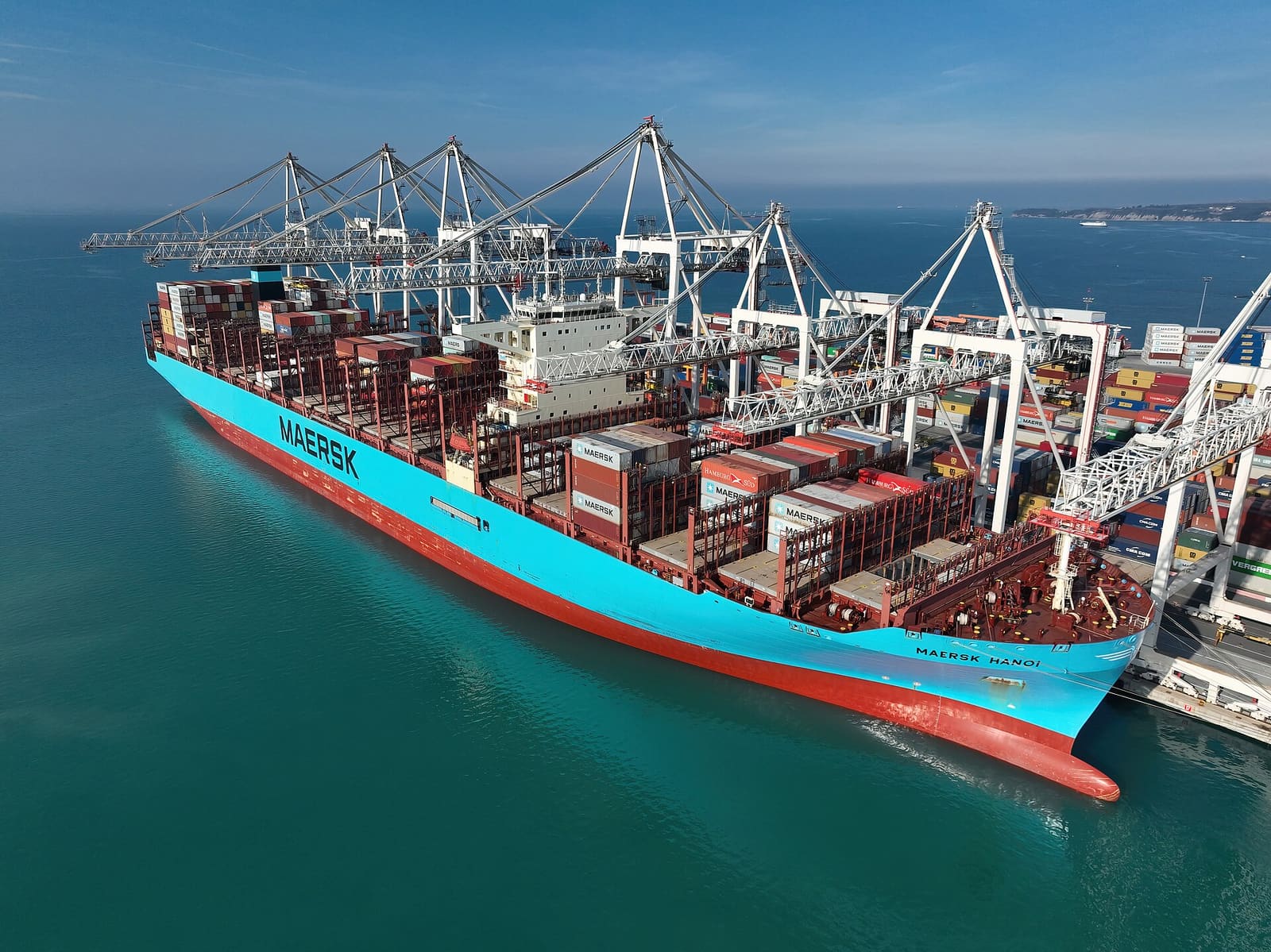
Container shortages are rarely about a genuine lack of physical boxes in the world. More often, they're a distribution problem: containers accumulate as empties in markets that import heavily and export lightly, while the markets that need empty boxes for export bookings — China chief among them — find equipment harder to secure. A surge in consumer demand, a shift in restocking patterns, or a wave of front-loaded orders ahead of an anticipated tariff change can all pull far more containers out toward import-heavy markets than are coming back in a given window, tightening availability at origin just when exporters need it most. Port congestion compounds the problem, since containers stuck in queues or backlogs simply aren't cycling back into the pool at the rate carriers had planned for, and a shortage in one region can spill into knock-on equipment tightness on completely unrelated lanes within a few weeks.
How Freight Rates Respond to Tight Capacity
Ocean freight rates move on a mix of contract and spot pricing, and the spot market is where volatility shows up first and most sharply. When equipment or vessel space tightens, carriers issue general rate increases (GRIs) and peak season surcharges, and spot rates on affected lanes can move by hundreds or even thousands of dollars per container within a matter of weeks. Blank sailings — canceled port calls or entire voyages — are a related lever carriers use to match capacity to demand, and while they help carriers manage utilization, they also mean less space is actually available exactly when shippers are trying to book more of it. Contract rates, negotiated for a fixed period between a shipper (or its forwarder) and a carrier, move more slowly and offer a buffer against the sharpest spot swings, though contract rates eventually reset to reflect a sustained shift in market conditions too, just on a longer lag.
Lessons From Past Shortage Episodes
The most severe container shortage in recent memory ran from roughly 2020 to 2022, when a sudden shift in consumer demand toward physical goods, combined with congestion at major gateway ports, pulled equipment out of balance for an extended stretch and pushed spot rates on some routes to levels that would have seemed implausible beforehand. Since then, container shipping has seen further, shorter-lived tightening episodes tied to specific disruptions — canal droughts, regional security incidents affecting major chokepoints, and periodic surges in front-loaded demand ahead of policy or tariff changes — each of which has driven a version of the same rate spike and equipment scramble on a smaller scale. The consistent lesson across all of these episodes is that shippers who had booking flexibility, existing carrier relationships and a forwarder able to secure space across multiple carriers weathered each spike considerably better than those booking cold on the spot market for the first time mid-crisis.
Why Small Shippers Feel It Hardest
Freight rate volatility doesn't land evenly. Large importers with standing contract volumes and long carrier relationships tend to keep at least some priority booking access even when the spot market spikes, because carriers have an interest in protecting relationships that guarantee steady future volume. Smaller and mid-sized importers booking irregularly, without a forwarder consolidating their volume alongside other shippers, often end up competing for whatever space is left on the spot market at the worst possible moment. This is one of the practical arguments for working through a freight forwarder even at modest volumes — an NVOCC that aggregates bookings across many clients can often secure space and negotiate rates that an individual shipper moving one or two containers a month would struggle to access on their own.
Contract vs. Spot Strategy: Trade-offs
| Approach | Advantage | Trade-off |
|---|---|---|
| Contract rates | Price stability and priority space during shortages | Less flexible if the market softens further |
| Spot rates | Flexibility to benefit from soft markets | Highly exposed when capacity tightens suddenly |
| Mixed strategy | Balances stability with some flexibility | Requires active coordination across bookings |
Practical Lessons for Shippers Today
- Don't rely solely on spot rates for cargo you need moved on a predictable schedule — a modest contract commitment through your forwarder buys priority booking access when space tightens.
- Book earlier than feels necessary during any period of known disruption, since capacity that looks available three weeks out can disappear within days once a shortage starts to bite.
- Stay flexible between FCL and LCL where order size allows it — consolidated LCL space is sometimes easier to secure than a full container slot during a squeeze, and vice versa depending on the lane.
- Work with a freight forwarder that books across multiple carriers and alliances rather than relying on a single carrier relationship, since capacity constraints rarely hit every carrier on a lane equally hard at the same time.
- Track the underlying cause of a rate spike, not just the number — a canal disruption, a demand surge and a labor dispute all resolve on different timelines, which affects how long it's worth holding out for rates to soften.
How RR Brothers and Logistics Manages Volatility for Clients
As an NVOCC and freight forwarder booking across multiple carriers and alliances, RR Brothers and Logistics is positioned to route around a single carrier's tight capacity rather than being limited to whichever space one shipping line happens to have. We maintain contracted space commitments on our core China-India, China-Europe and China-global lanes precisely so that clients aren't left exposed to spot-only booking when the market tightens, and we track disruption signals — congestion reports, blank sailing announcements, chokepoint developments — to advise clients on when to lock in bookings rather than wait. Freight rate volatility isn't something any single shipper can control, but the logistics decisions made around it — how early you book, how much flexibility you build in, and who you book through — determine how exposed you actually are when the next episode arrives.
Frequently Asked Questions
It's rarely a genuine lack of physical boxes — more often it's a distribution problem, where containers pile up as empties in import-heavy markets while export-heavy markets like China find equipment harder to secure, especially during a demand surge or a wave of front-loaded orders.
A general rate increase (GRI) is a carrier-imposed price hike applied when capacity tightens, while a blank sailing is a canceled port call or entire voyage carriers use to match capacity to demand — both tend to happen together during a tightening cycle, squeezing shippers on price and space at once.
Generally yes — contract rates offer price stability and priority booking access during a shortage, though they reset over time to reflect sustained market shifts. Spot rates offer more flexibility to benefit from soft markets but leave a shipper highly exposed when capacity tightens suddenly.
Large importers with standing contract volumes tend to keep priority booking access even when the spot market spikes, while smaller shippers booking irregularly often end up competing for whatever space is left at the worst possible moment — one reason working through a forwarder that aggregates volume across many clients helps at modest shipment sizes too.