What Triggered the Rerouting
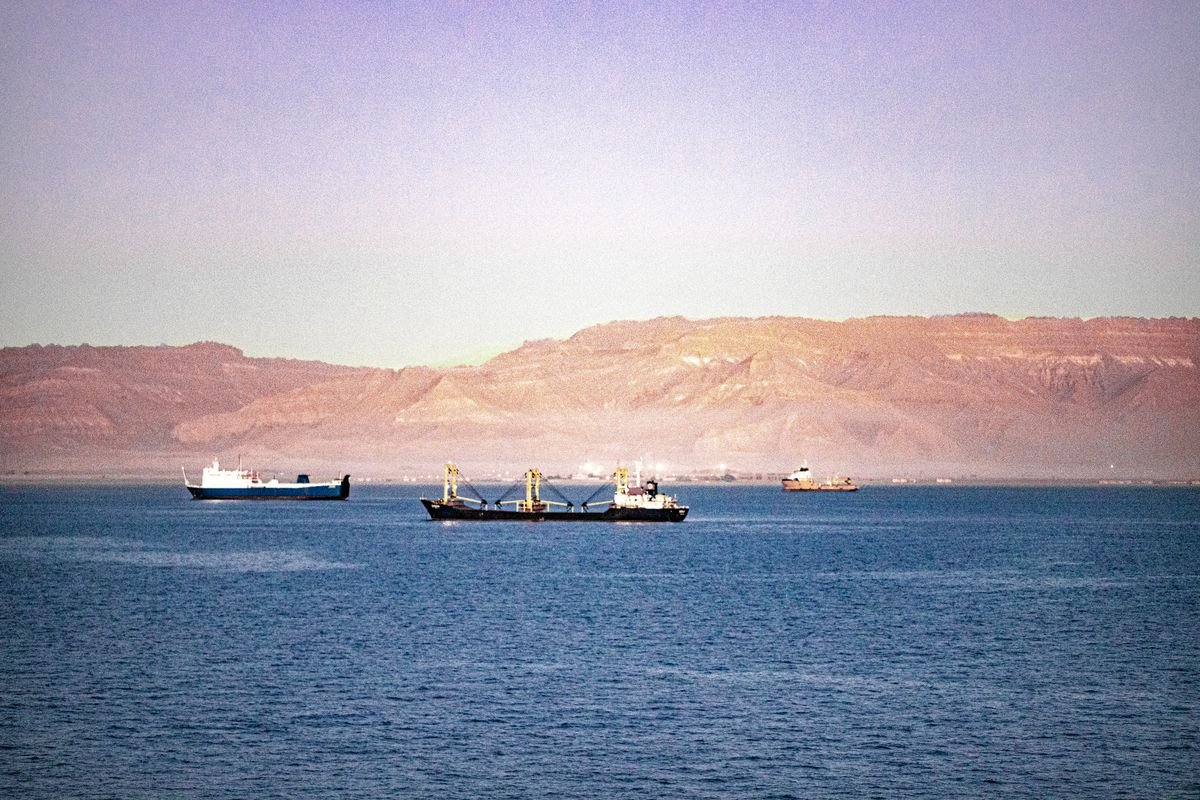
Since late 2023, attacks on commercial shipping transiting the Red Sea and the southern approach to the Suez Canal have pushed the large majority of major container lines to abandon that route in favor of a much longer voyage around the Cape of Good Hope at the southern tip of Africa. For a corridor that had carried an enormous share of Asia-Europe and Asia-US East Coast container traffic through the Suez Canal for decades, this was a significant structural shift rather than a brief disruption, and it has now persisted for long enough that carriers, ports and shippers alike have had to build their planning around it as a semi-permanent operating reality rather than a temporary detour.
The Cape of Good Hope Detour, in Practical Terms
Rerouting around the Cape of Good Hope typically adds somewhere in the range of 7 to 14 additional sailing days to an Asia-Europe voyage compared with transiting the Suez Canal, depending on the specific origin and destination ports involved. That extra distance also means burning meaningfully more fuel per voyage, which carriers have had to absorb into their cost structure or pass on through freight rates and surcharges. To keep the same weekly sailing frequency on a longer route, carriers have generally needed to deploy more vessels per string than before, which has tightened effective global vessel supply even without any actual reduction in fleet capacity — ships that would previously have completed a round trip in a certain number of weeks now take noticeably longer to return to their starting point.
Effects on Freight Rates and Capacity
The rerouting has been a persistent contributor to freight rate volatility on China-Europe lanes specifically, since the route now effectively requires more vessel-days of capacity to move the same volume of cargo. Rates on these lanes have moved up and down considerably over the period as demand, fuel costs and vessel availability shifted, generally settling at levels above what shippers had grown used to before the crisis began, even during quieter demand periods. Because the same vessels and alliances that serve Asia-Europe routes often also serve other trade lanes, the tighter capacity picture has had knock-on effects for scheduling and space availability on some adjacent routes as well.
Effects on Schedule Reliability
Longer voyages around a weather-exposed route like the Cape of Good Hope have also made schedule reliability harder to maintain than it was on the more sheltered Suez routing. Vessels arriving later than planned can cascade into missed connections at transshipment hubs, tighter berth windows at destination ports, and less predictable delivery dates for cargo further down the supply chain — all factors that matter as much to a shipper's planning as the headline transit time itself.
How Shippers and Forwarders Have Adapted
- Booking earlier and holding firmer commitments — with less slack in vessel schedules, last-minute bookings are more likely to face space constraints or premium pricing than they were before the crisis.
- Building in extra transit buffer — importers with tight delivery windows have generally had to add days of buffer into their planning that simply weren't necessary when the Suez routing was reliable.
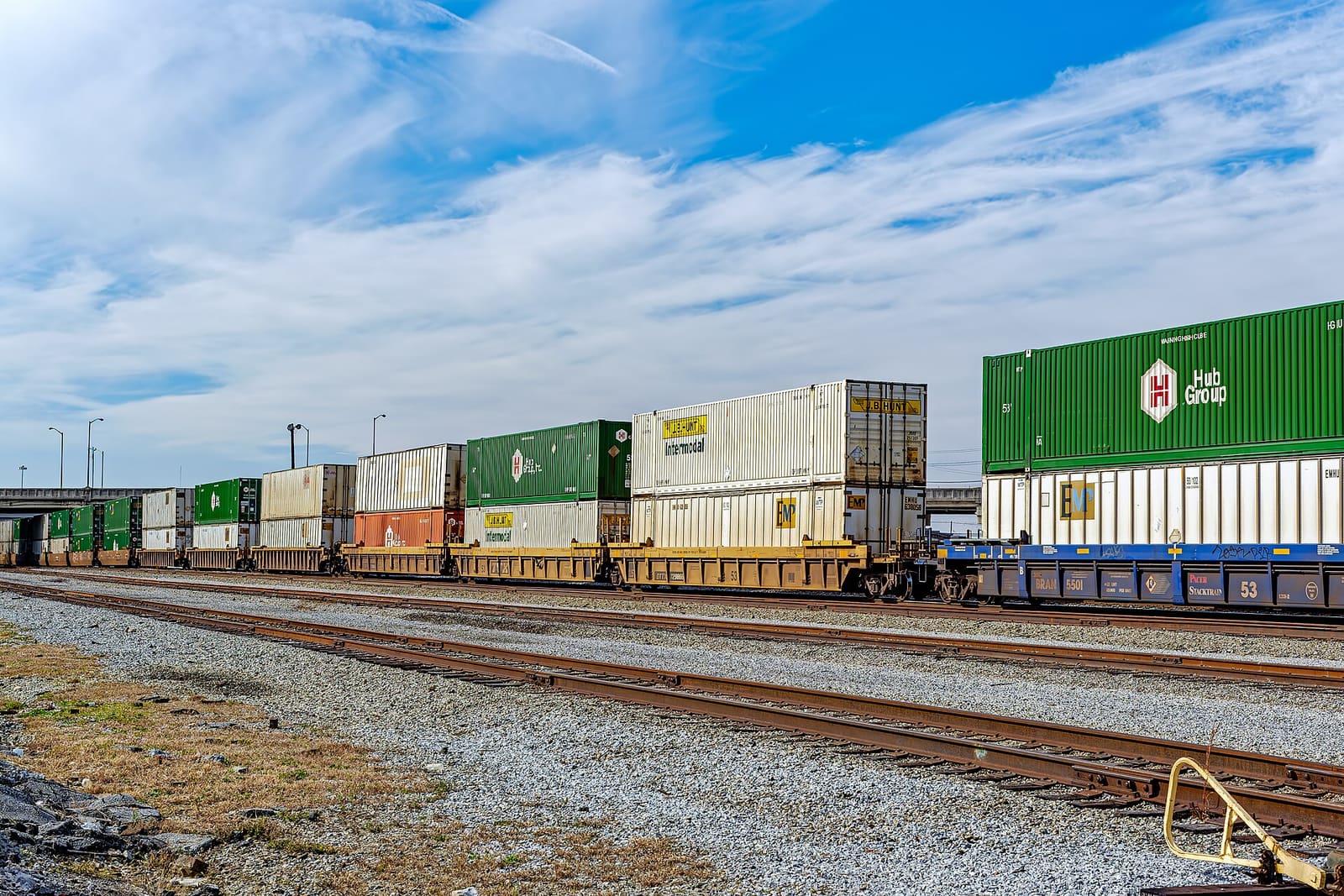
- Considering rail as a partial hedge — for time-sensitive cargo bound for inland Europe, China-Europe rail freight has become a more attractive option relative to sea freight than it was before the crisis, since rail transit times are unaffected by the Red Sea situation. Our companion guide on China-Europe rail versus the Suez Canal route looks at that trade-off in more detail.
- Diversifying carriers and routings — working with a forwarder that books across multiple carriers and alliances, rather than relying on a single service, has helped some shippers route around capacity constraints on any one string.
War Risk Insurance and Cargo Insurance Considerations
Vessels that do still transit the Red Sea directly have generally faced additional war risk insurance premiums reflecting the elevated security risk, a cost that ultimately factors into freight pricing on those specific services. The International Maritime Organization has issued repeated advisories to shipping operators on the security situation in the region, which is part of why insurers continue to treat Red Sea transits as elevated risk. For shippers, this is also a useful reminder to review cargo insurance coverage on China-Europe shipments generally — a longer voyage and a rerouted itinerary are exactly the kind of change in circumstances worth confirming with your insurer or forwarder rather than assuming an existing policy automatically covers the revised routing without any changes to terms.
Before and After: A Practical Comparison
| Factor | Via Suez Canal (pre-crisis) | Via Cape of Good Hope (current) |
|---|---|---|
| Relative voyage length | Shorter | 7–14 days longer |
| Fuel consumption | Lower | Higher |
| Schedule reliability | Generally higher | More weather-exposed |
| Security risk premium | Minimal | Avoided by rerouting |
Where This Leaves Shippers Today
For businesses moving cargo between China and Europe, the practical takeaway is that the Cape of Good Hope routing should now be treated as the working assumption for planning purposes rather than a temporary anomaly, since a broad return to Suez has repeatedly been delayed as the underlying security situation remains unresolved. We look at how forecasts for the route are shaping 2027 planning in more depth in our related update on the corridor's outlook. In the meantime, the combination of earlier booking, schedule buffer, and a forwarder with flexibility across carriers and modes remains the most reliable way to keep China-Europe cargo moving predictably.
How RR Brothers and Logistics Can Help
As a freight forwarder booking across multiple ocean carriers and offering rail as an alternative for time-sensitive cargo, RR Brothers and Logistics helps clients moving goods from China to Europe build routing plans that account for the current Red Sea situation rather than being caught out by it. Whether that means adjusting transit-time expectations, shifting part of a shipment to rail, or simply making sure cargo insurance reflects the actual routing being used, our team can help structure a plan around the realities of today's shipping market.
Frequently Asked Questions
Rerouting around the Cape of Good Hope typically adds roughly 7 to 14 additional sailing days to an Asia-Europe voyage compared with transiting the Suez Canal, depending on the specific origin and destination ports involved.
Since late 2023, attacks on commercial shipping in the Red Sea have made most major carriers unwilling to resume regular Suez transits, and the security situation has not resolved cleanly enough for that to change, so the Cape routing has become a semi-permanent operating reality.
It's worth reviewing — vessels that still transit the Red Sea directly generally face additional war risk insurance premiums, and a rerouted itinerary is exactly the kind of change in circumstances worth confirming with your insurer rather than assuming an existing policy covers it automatically.
For time-sensitive cargo bound for inland Europe, China-Europe rail freight has become a more attractive partial hedge than before the crisis, since rail transit times are unaffected by the Suez-versus-Cape routing question.