A Fast-Growing Channel
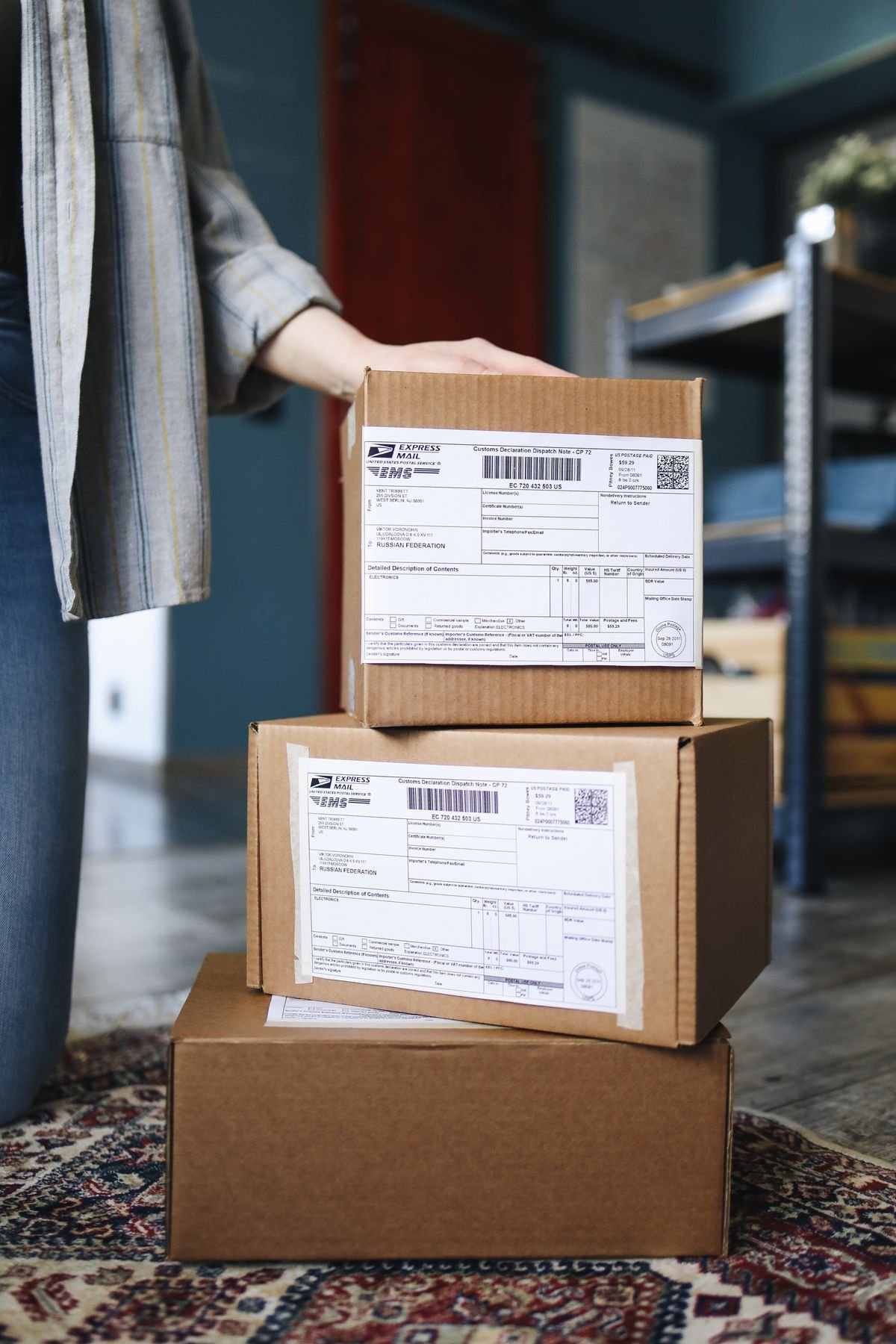
Cross-border e-commerce moving directly from Chinese sellers and fulfillment operations to consumers and retailers worldwide has grown rapidly over the past several years, becoming a major channel in its own right alongside traditional bulk import. For many sellers, it now sits at the center of their business model rather than at the margins.
Why De Minimis Rules Matter
Many destination countries maintain a "de minimis" threshold — a value below which imported goods can enter with reduced duties, simplified paperwork, or both. Cross-border e-commerce sellers have often built fulfillment models around these thresholds, shipping directly to consumers in smaller, lower-value parcels rather than importing in bulk ahead of sale.
A Shifting Landscape
Rules Are Tightening in Multiple Markets
Various destination countries have been reviewing and tightening their low-value import rules in recent years, narrowing the advantages that low-value parcel shipping once offered. In the United States, this has meant closer scrutiny from U.S. Customs and Border Protection of the Section 321 de minimis exemption, while the European Union has already ended its own low-value VAT exemption under rules overseen by the European Commission's Taxation and Customs Union. The specifics differ by country and continue to evolve, but the general direction has been toward more scrutiny of low-value imports, not less — a shift the World Customs Organization has tracked closely in its own guidance on cross-border e-commerce and low-value consignments.
Why Assumptions Get Sellers into Trouble
A fulfillment model built around a set of import rules from a few years ago may no longer reflect current requirements. Sellers who assume the rules they started with are still fully in effect risk unexpected duties, delayed parcels, or compliance issues they never budgeted for.
Planning Fulfillment Around Compliance, Not Habit
Rather than assuming a particular threshold or exemption will continue to apply indefinitely, sellers are better served by building fulfillment and customs compliance into the planning process itself — treating documentation, classification and duty calculation as a standard part of every shipment rather than an exception handled only when something goes wrong.
What This Means Operationally
For sellers shipping at volume, this often means combining direct-to-consumer parcel shipping with bonded or forward-positioned warehousing closer to key destination markets, so that customs clearance and duty treatment are handled predictably rather than shipment by shipment at the border.
How We Support Cross-Border Sellers
RR Brothers and Logistics supports cross-border e-commerce logistics from China-based fulfillment through to customs clearance in destination markets, combining our warehousing, sorting and labeling capabilities with brokerage expertise, so sellers can adapt their fulfillment model as import rules evolve rather than being caught off guard by them.
Frequently Asked Questions
It's a value below which imported goods can enter a country with reduced duties, simplified paperwork, or both — cross-border e-commerce sellers have often built fulfillment models around shipping directly to consumers in smaller, lower-value parcels to take advantage of these thresholds.
Stricter in most markets. Various destination countries have been reviewing and tightening their low-value import rules in recent years, narrowing the advantages that low-value parcel shipping once offered, and the general direction continues to be toward more scrutiny rather than less.
You risk unexpected duties, delayed parcels, or compliance issues you never budgeted for, since a model built around rules from a few years ago may no longer reflect current requirements in that market.
Combining direct-to-consumer parcel shipping with bonded or forward-positioned warehousing closer to key destination markets, so customs clearance and duty treatment are handled predictably as a standard part of every shipment rather than as an exception when a threshold changes.